
Unrest Ignites Global Resistance: The Geopolitical Impact of America’s Domestic Movements
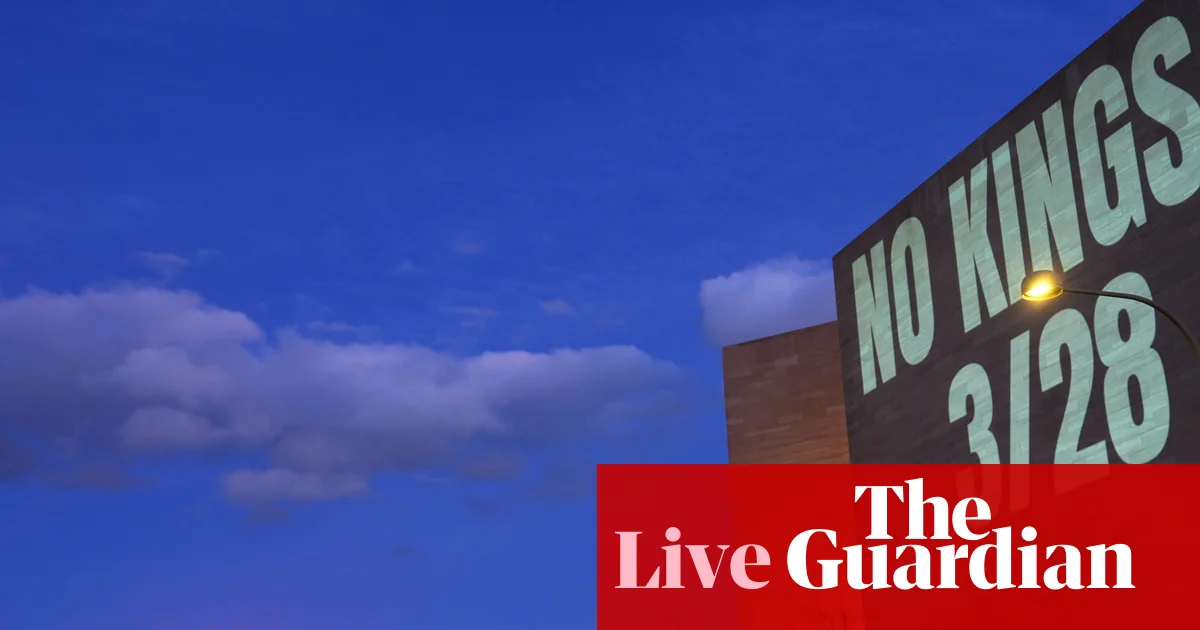
In recent months, the United States has witnessed an unprecedented surge in mass protests, echoing beyond its borders and shaping the geopolitical landscape in ways few anticipated. Drawing inspiration from concepts like the 3.5% protest rule, which posits that sustained mass participation by even a fraction of the populace can topple authoritarian regimes, American citizens have mobilized at an astonishing scale. From the expansive No Kings protests against the Trump administration to demonstrations demanding accountability for immigration, climate, and social justice, these grassroots movements are redefining the boundaries of civic activism and challenging traditional power structures in democracy.
According to political analysts and historians like Dr. Erica Chenoweth of Harvard Kennedy School, such high levels of participation—sometimes estimated in the millions—signal a potential turning point for American democracy. However, the ripple effect is felt more broadly. Countries across Europe, Asia, and the Middle East are observing these protests closely, with many seeing parallels in their own struggles against authoritarian populism, far-right extremism, and elite dominance. In the UK, the Together Against the Far Right march drew nearly half a million multicultural advocates—outpacing some national policies—indicating that resistance is now a universal language of the youth, especially when political elites falter or ignore the grassroots.
The geopolitical impact of such movements extends beyond simple protests; they threaten the stability of fragile regimes and influence international relations. The coordination of protests in multiple US states—especially in Minneapolis, where activists rallied against police brutality and immigration enforcement—has been likened by foreign policy experts to a modern form of soft power. Countries like Russia and China are reportedly monitoring these unrests, aware that the spread of such resistance challenges not just the U.S. political order but also global narratives about liberal democracies. As the Crowd Counting Consortium reports over ten thousand protests in 2025 alone—an increase of over 130% from previous years—the world witnesses a new era where domestic upheaval becomes an international phenomenon.
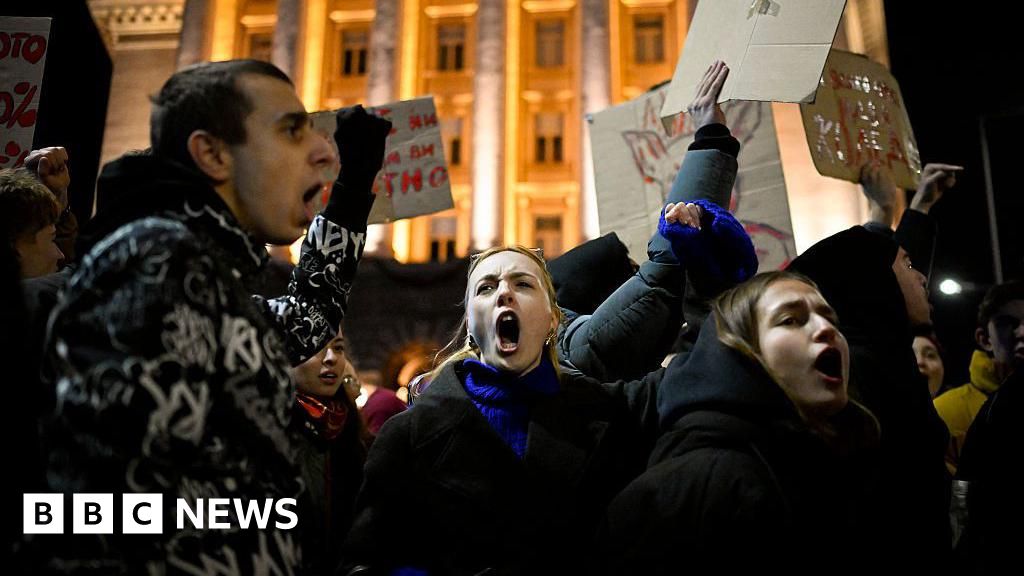
Added to this, measures taken by the U.S. government—such as deploying federal troops and militarized police—highlight a troubling shift toward authoritarian tactics, inspiring reactions worldwide. The protests in London, Porto, and Berlin reflect a shared sentiment: that rising extremism and the erosion of democratic safeguards are issues that transcend borders. International organizations and democracy advocates warn that unless the collective voice of the youth and marginalized is heeded, the dominoes could begin to fall across nations, triggering a global crisis of legitimacy.
As history continues to unfold, it remains uncertain whether these protests will catalyze genuine systemic reform or escalate into more authoritarian crackdowns. Seared into the collective memory are images of millions marching against what they perceive as the betrayal of democracy, with the specter of history—like the upheavals of the civil rights era—looming just beyond the horizon. What is undeniable, however, is that this formidable wave of resistance signals a profound shift: a stark reminder that in the theater of geopolitics, the power of the people cannot be underestimated, and the pages of history are once again being written—sometimes with the blood of confrontation, but always with the indomitable spirit of youth revolution.