Matox News

Truth Over Trends, always!

Why ‘Frankenstein’ Deserves the Oscar for Best Picture: A Modern Masterpiece Worth Celebrating

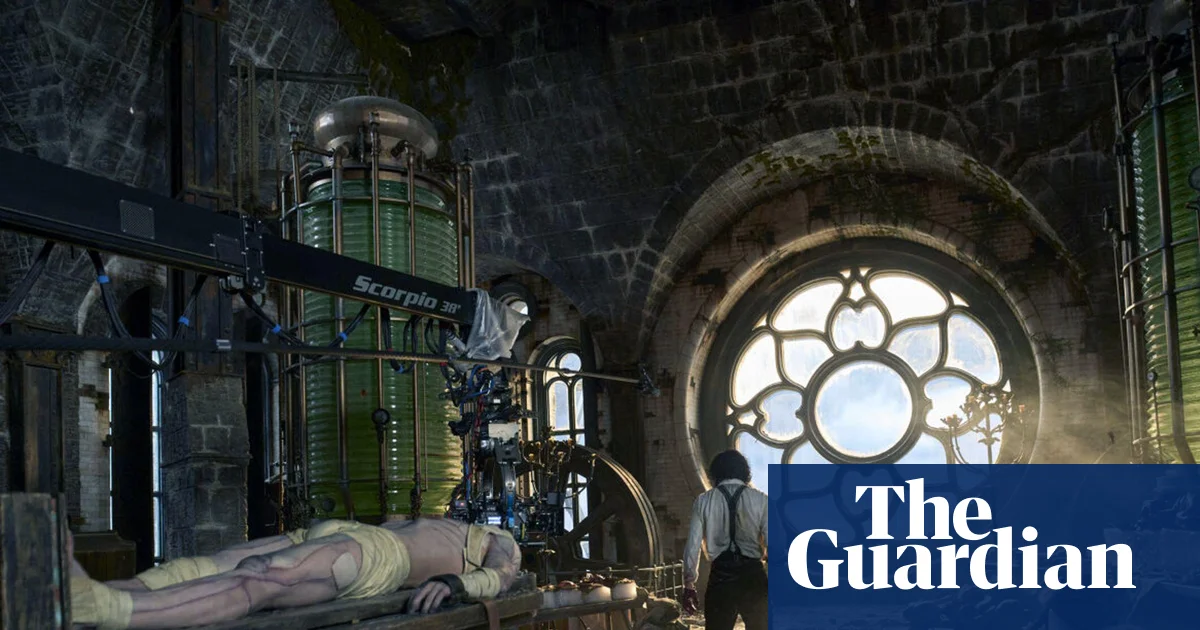
In an era where cinematic storytelling often leans toward spectacle and superficiality, Guillermo del Toro emerges as a rare craftsman, weaving profound human truths into his fantastical tapestries. His latest adaptation of Frankenstein reflects his lifelong devotion to humanising monsters—an act that transcends mere horror to explore the core of human nature. Del Toro’s approach is rooted in a belief, echoed by thinkers like G.K. Chesterton, that monsters serve as mirror images of the fractured human soul, reminding us that our true monsters are often born from within, shaped by generational trauma and societal neglect. His reinterpretation transforms Shelley’s creation from a grotesque figure of fear into a poignantly sympathetic being, a symbol of the neglected and misunderstood, underscoring how culture and narrative shape our collective identity.

Furthermore, this film underscores the enduring importance of culture as memory and prophecy. Through its visual grandeur and nuanced performances, it reminds us that stories—be they mythic or modern—serve as vessels for tradition, morals, and values. Del Toro’s meticulous craftsmanship echoes the philosophical insight of Ortega y Gasset, who emphasized that culture is an ongoing act of interpretation and re-creation. As we grapple with the chaos of contemporary life, the revival of classical themes—such as the peril of hubris and the necessity of compassion—becomes a vital act of cultural preservation. In this light, the monster’s story is not merely a horror tale but a reflection of societal breakdown, urging us to reconnect with our roots, our familial bonds, and the moral fabric that holds us together.

  • Visual storytelling: Sumptuous imagery filled with symbolic lighting—candlelit shadows and sunset hues—embody the duality of enlightenment and darkness.
  • Performance mastery: Jacob Elordi’s Creature, more tender soul than grotesque ogre, illustrates the power of empathetic acting to challenge preconceived notions of evil.
  • Themes of toxicity: The film shines a light on toxic masculinity, drawing a parallel to the Enlightenment’s warnings about playing God and the hubris that corrupts.

Yet, in the political realm of awards and recognition, Del Toro’s film faces the harsh reality of Hollywood’s selective biases against genre cinema—an echo of the broader cultural tendency to marginalize the mythic and symbolic as mere entertainment. Despite his proven track record—awards for The Shape of Water and Pinocchio—the absence of a Best Director nod hints at the lingering snobbery that still perceives fantasy and horror as inferior. Nonetheless, as T.S. Eliot once wrote of poetry that “the tradition is a public thing,” so too does culture demand that we see these stories as vital articulations of our shared human adventure. History has shown us that true cultural revolution often begins from the margins, in the stories overlooked by the mainstream.

As we look towards the future of both cinema and society, the enduring lesson remains: culture is an act of remembrance and foresight, a gift from those who came before us and a prophecy of what we yet may become. Like the timeless figures of myth and legend, our stories—whether of monsters or saints—are threads in the fabric of human consciousness, whispering in shadows and shining in the golden sunset of our collective memory. In this grand dialogue of humanity, the greatest stories are the ones that remind us of who we are—and who we might yet become—a perpetual evolution of the human spirit, forever yearning, forever becoming.
Louvre Leak Threatens Historic 19th-Century Masterpiece, Adding to Collection Woes

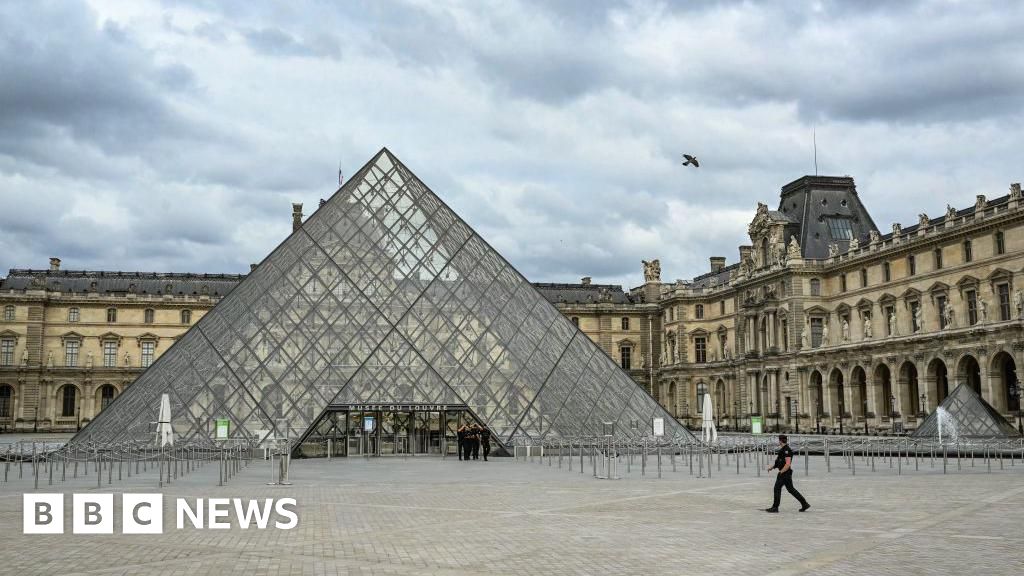
The recent catalogue of incidents at the world’s most visited museum has cast a long shadow over the institution’s leadership, igniting international debate about security, cultural preservation, and national image. This series of setbacks, spanning thefts, unauthorized access, and preservation failures, underscores the fragile balance between public engagement and safeguarding invaluable cultural heritage. Experts and international observers have begun scrutinizing the decision-making processes that allowed such incidents to occur, emphasizing that the repercussions extend far beyond the museum walls.

Historically, major cultural institutions serve as symbols of national identity and soft power. When incidents compromise their integrity, the geopolitical impact ripples across borders. Leaders from Franco-German alliances, to Asian-Pacific partners, recognize these sites as vital to projecting historical narrative and cultural influence. Therefore, the recent mismanagement invites questions about whether these institutions are genuinely protected from evolving threats, including terrorism, illicit trafficking, or digital vandalism. Analysts warn that ongoing vulnerabilities could be exploited by hostile state or non-state actors eager to tarnish a nation’s reputation, while also attempting to erode public trust in state institutions.

Adding to the seriousness, international organizations—such as the United Nations Educational, Scientific and Cultural Organization (UNESCO)—have issued formal statements. They emphasize that the protection of cultural heritage is an obligation that transcends national borders. The incidents have prompted calls for stricter security protocols, technological upgrades, and tighter inter-agency cooperation. Some historians, like Dr. Elizabeth Rowe, warn that such crises serve as a stark reminder of how societal complacency can threaten the preservation of history itself. The collective failure to anticipate or prevent these episodes risks setting a dangerous precedent for future generations.

In a broader context, these failures highlight a critical juncture in how nations view the stewardship of the past amid a rapidly changing geopolitical landscape. The world is watching as governments grapple with an array of threats—from digital espionage to physical sabotage—and the way they respond will shape the future of cultural diplomacy. As history unfolded on the floors of this famed institution, it remains to be seen whether reforms will be sufficient to shield our shared heritage or if these incidents merely mark the beginning of a larger crisis. The weight of history presses down unrelentingly, leaving us with a sobering question: Will we learn from these lapses or watch as the torch of cultural memory is gradually dimmed by our own negligence?

Quick Boost: Transform Your Space with a 10-Minute Flower Vase Masterpiece

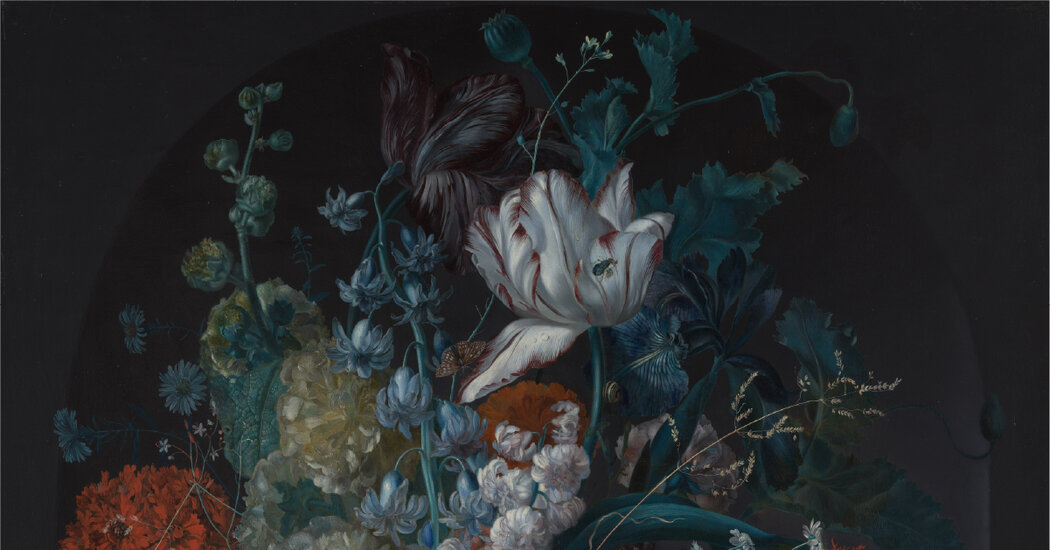
In the relentless tide of modernity, where instant gratification often diminishes the value of dedicated craftsmanship, the art of still life painting emerges as a profound symbol of human endurance and aesthetic pursuit. Consider the exquisite work by Margareta Haverman, a Dutch artist from the early 18th century, whose mastery transcends the superficiality of fleeting trends. Her meticulous layering of up to seven coats of paint on a canvas—crafted in a time when mechanical reproduction was nonexistent—mirrors a philosophical ideal championed by thinkers like Ortega y Gasset, who emphasized that culture is the expression of a “vocation” towards excellence. Haverman’s painstaking effort reminds us that true beauty is not accidental but an achievement of disciplined vision, vital to the fabric of national identity and artistic tradition.

The composition, a vibrant bouquet teeming with thirty different species of flowers, fruits, and insects, encapsulates a microcosm of natural order—each element carefully studied and rendered with painstaking detail. It is as if Haverman, inspired by her teacher Jan van Huysum, engaged in a silent dialogue with nature itself, striving to preserve its transient beauty. This act of preservation aligns with the insights of T.S. Eliot, who observed that great art is a form of memory and prophecy, anchoring us in the present while gesturing towards eternity. The intricate layers and textures serve as metaphors for society’s enduring quest to domesticate chaos through culture, forging an identity that is both rooted in tradition and poised to confront the unknown future.

Cultural critic G.K. Chesterton remarked that modern society often forgets that art’s highest calling is to serve as a “great reminder,” not merely decoration. Haverman’s work resonates with this idea, acting as a tangible link between historic mastery and contemporary purpose. The inclusion of everyday symbols—flowers fading into decay—reminds us of life’s impermanence, yet even these elegies serve to elevate the mundane into a moral and aesthetic statement. Much like the Dutch tulip frenzy of the early 1600s, which exemplified the human obsession with beauty and wealth, this painting underscores that our cultural pursuits are rooted in an innate desire to impose order and meaning upon the chaos of existence. The flowers, once the symbol of fleeting luxury, now serve as evocations of enduring values that transcend the temporal realm.

As humanity stands at crossroads of technological change and cultural upheaval, the significance of these artistic endeavors becomes ever more evident. They forge an identity that is not solely materialist but rooted in a collective memory that aspires to the divine. Such works whisper of a future where art remains an act of heroism—an affirmation that our spirits can be refined amid the shadows of decay. Like Chesterton’s view of the childlike wonder that sustains society, true artistry embodies the hope that through diligent effort and reverence for tradition, humanity can craft a legacy resilient to time’s erasure. In this silent language of colors and forms, we find the prophecy of a legacy—where memory sustains us, and hope guides us towards horizons yet unseen, for the culture that endures is both the echo of the past and the seed of what is to come.

Social Media Auto Publish Powered By : XYZScripts.com