Matox News

Truth Over Trends, always!

Analyzing Trump's Gaza peace proposal: What it really means for youth and future security
Analyzing Trump’s Gaza peace proposal: What it really means for youth and future security

The announcement by President Trump of a comprehensive 20-point peace plan targeting the ongoing conflict in Gaza marks a significant shift in the geopolitical landscape of the Middle East. Leveraging his administration’s influence, Trump’s initiative aims to reshape the current stalemate through clearly outlined troop withdrawal lines and diplomatic concessions. This development is being closely scrutinized by international analysts, who emphasize the unorthodox approach it represents amidst longstanding tensions.

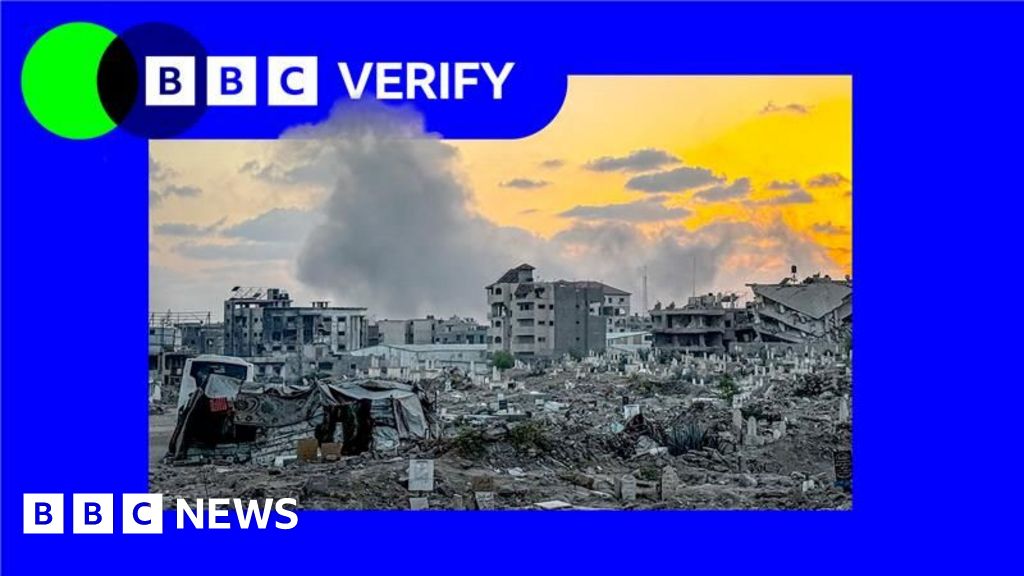
Analysis by BBC Verify and satellite imagery—as detailed by journalist Merlyn Thomas—reveals the extent of the military control exerted by Israel over Gaza, presenting a stark picture of the ground realities. The proposed plan’s success hinges on the Israeli government’s willingness to adhere to the outlined troop reduction points, which could herald a new chapter in the conflict but also poses considerable risks. Governments across the globe are divided in their support, with some emphasizing the necessity of territorial compromise, while others warn against rushing into solutions that could destabilize the region further.

Economists and security experts have voiced their concerns, noting that the deal’s potential to alter regional power dynamics is profound. The United Nations and other international bodies have registered cautious interest, emphasizing that any peace initiative must consider the long-term sovereignty and security concerns of both sides. Historically, peace plans in Gaza have often fallen short due to unresolved core issues such as borders, refugees, and Jerusalem’s status. The current proposal, therefore, risks becoming another chapter in this troubled legacy—unless it manages to address these critical issues comprehensively.

Historians warn that decisions made today could dictate the course of Middle Eastern history for generations. The unfolding scenario bears the weight of decades of conflict, with some analysts arguing that any potential success hinges on the international community’s ability to maintain pressure and provide credible guarantees. The stakes are exceedingly high; a failure to forge lasting peace could escalate the region’s instability and lead to unchecked violence. As global powers watch with bated breath, the decisions of Israel, Palestinian leaders, and the United States will undoubtedly leave a mark on history, whether as a testament to diplomacy or a somber reminder of missed opportunities.

As the world stands on this precipice, one cannot help but feel that history is once again writing itself in the sands of Gaza. The coming days will reveal whether this ambitious plan fulfills its promise, or whether it becomes yet another chapter of broken promises. With the weight of centuries pressing down upon these fragile negotiations, the rising chorus of uncertainty echoes into a future yet to be shaped — a future where the echoes of today’s decisions may reverberate for eternity.
What the EU’s new EES border system means for young entrepreneurs and travelers

European Border Reforms Signal Economic Shift

The dawn of a new era in European security and mobility is upon us, as the European Commission prepares to implement the highly anticipated Entry/Exit System (EES) this autumn. Designed as a digital overhaul of border controls across 29 EU countries, EES aims to streamline movement within the Schengen Area, significantly impacting commerce, tourism, and cross-border investments. While these reforms are heralded as a step forward for security and efficiency, the incoming system also raises questions about initial logistical bottlenecks and the potential policy repercussions on the free movement of people and goods.

Market Impact and Policy Consequences

The rollout of EES is expected to have profound market implications across the trans-European economy. The system’s eventual full activation is projected to influence industry sectors relying heavily on border transit, notably transport, logistics, and hospitality. According to analysts at the Centre for European Policy Studies, industries linked to travel and tourism could encounter initial disruptions as travelers adjust, possibly causing short-term declines in passenger volumes which ripple through local economies. The haulage and freight sectors, meanwhile, are closely monitoring the phased implementation, aware that prolonged congestion at key ports such as Dover may inflate costs and impact supply chains.

From a policy perspective, the introduction of biometric registration and digital tracking signifies a tough stance on border security, echoing EU-wide ambitions to control migration flows more tightly. This effort aligns with policy shifts advocated by security-focused think tanks and conservative councils which emphasize sovereignty and border integrity. However, critics within European Parliament warn that such measures could inadvertently constrain business mobility, especially for young entrepreneurs and freelance professionals who frequently cross borders. These reforms could redefine the fundamental policy calculus on civil liberties versus security, setting precedent for future regulatory innovations.

Technical and Economic Opportunities

Despite the initial hurdles, the phased roll-out offers a window of opportunity for technological innovation within the EU. The development of kiosks and biometric systems, along with the digital application for ETIAS—the upcoming travel authorization—could position Europe as a hub for cutting-edge border tech. Markets are already betting on the module’s efficiency boosting future business growth, with Eurostar and Eurotunnel investing heavily in automated check-in systems that could be adapted for wider commercial applications.
Economists from the Oxford Economics group highlight that, while initial costs of system deployment and training will be high, long-term gains in border processing speed and security could lead to a more robust economic environment, inviting new investments in tourism, real estate, and retail sectors along popular transit routes.

Looking Forward: An Economy Driven by Future Power

As the EU advances toward an interconnected, digitally integrated border system, the epicenter of geopolitical and economic power shifts ever closer to technological sovereignty. The seamless flow of goods, services, and talent across borders will define the economic vitality of the next generation, positioning Europe to challenge global competitors like North America and Asia. The dynamic interplay of security, innovation, and policy reform indicates a future where Europe is not merely reacting to change but shaping it, asserting its influence on the stage of global economy.

For young entrepreneurs, investors, and policymakers, this transformation represents a pivotal moment—an epoch when technological mastery and strategic foresight will carve out Europe’s place as a new epicenter of economic resilience and innovation. The heartbeat of the continent’s economy shall be the drum of progress, echoing across borders as Europe reaffirms its role as the powerhouse of the future.

Social Media Auto Publish Powered By : XYZScripts.com



