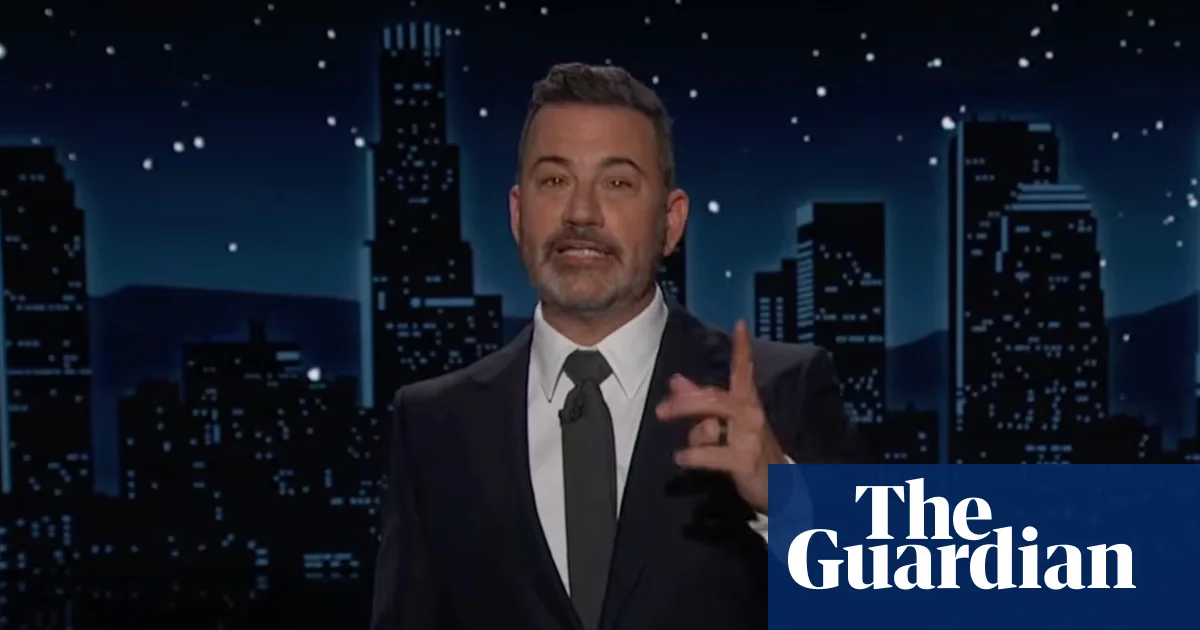

In the contemporary narrative swirling around politics and media, it becomes evident that culture remains the foundational fabric of societal identity. Yet, as we observe the recent spectacle of late-night hosts mocking political figures and their performances, we must ask: are they mere entertainers, or custodians of a broader cultural dialogue? When Jimmy Kimmel wryly comments on Melania Trump’s self-assured rhetoric, and Stephen Colbert mocks the incoherence in presidential messaging, they underline how cultural symbols and societal narratives intertwine. This critique, while humorous, reveals a truth embedded in human history: culture serves not only as a mirror to our shared identities but as a prophecy of our collective future.
The Battle for Cultural Soul is no trivial matter. As Ortega y Gasset once asserted, a civilization’s vitality hinges on its capacity to preserve its core narratives and traditions. In this context, the political theater—whether it involves the muddled Iran conflict or the spectacle of a president mispronouncing Kentucky—becomes a reflection of our cultural health. Such moments evoke Thomas Sowell’s insight that public discourse and narrative shape the moral and intellectual contours of society. When the media mock the superficiality of political figures, it is not mere jest but an indication of an ongoing cultural struggle—a fight over what values, stories, and collective memories will define the next generation.
From a philosophical vantage, this cultural debate echoes Chesterton’s insistence that tradition is the democracy of the dead. Our history and shared cultural memory are the repositories from which societal resilience springs. Today, this resilience faces threats from fleeting trends and superficial narratives, which often reduce culture to ephemeral entertainment. Yet, as Tocqueville observed, the strength of democracy—true to its nature—rests on the continuity of moral and cultural progress. When the media ridicules the incoherence in political communication, they inadvertently serve as custodians of this continuity, reminding us that our collective identity is both a memory and a prophecy—a living dialogue between past and future.
In the end, the spectacle of late-night jests and political theater underscores a broader truth: Culture is both the memory that anchors us and the prophecy that guides us. It is an ongoing act of remembrance and renewal, where the stories we tell and the traditions we uphold forge the path forward. As the great poet T.S. Eliot mused, “We shall not cease from exploration and the end of all our exploring will be to arrive where we started and know the place for the first time.” In this cyclical dance of memory and prophecy, society itself becomes a living testament—a testament whose history and future are written in the language of shared culture, resilience, and faith in human potential.