Matox News

Truth Over Trends, always!

Lords push for Australian-style social media ban for under-16s to protect youth

U.K. House of Lords Endorses Stronger Child Protection Measures Against Harmful Social Media

In a decisive rejection of softer regulatory approaches, the House of Lords has recently backed an Australian-style social media ban targeting users under the age of 16, signaling a significant shift in policies aimed at safeguarding youth from digital dangers. The vote, which resulted in 266 votes in favor and 141 against, demonstrates a growing consensus among policymakers that the current social media environment poses serious risks to children’s mental health and well-being. This move comes amid mounting international pressure to take more aggressive action against social media giants, notably Meta, YouTube, TikTok, and Snap, which face increasing scrutiny over their addictive design and harmful content.

Supporters like the former Conservative minister Lord Nash argue that this legislation is a clear and necessary step: “Tonight the House of Lords sent for the second time an unambiguous message to the government: hollow promises and half-measures are not enough.” This language underscores the urgent call for real leadership in regulating a digital landscape increasingly seen as a threat to societal stability. The significance of this legislation extends beyond the U.K., as it resonates with a broader international debate over how internet platforms intentionally design content to maximize user engagement—often at the expense of the mental health of impressionable children. As historians and analysts warn, neglecting to act decisively could lead to long-lasting social consequences, including a generation more vulnerable to depression, anxiety, and loss of childhood innocence.

Global Legal and Civil Actions Point to Increasing Accountability for Tech Giants

Notably, the American legal system has begun to hold social media companies responsible for their harmful effects, exemplified by a landmark jury ruling in Los Angeles. The court found that Meta and Google deliberately designed addictive platforms, leading to a young woman’s mental health deterioration. This case mandated a minimum of $3 million in damages, setting a precedent that could ignite thousands of similar lawsuits across the United States. These legal actions highlight how international institutions and courts are recognizing the stark truth: major tech corporations have prioritized profit and engagement over safeguarding vulnerable users. Analysts suggest that such findings may accelerate global efforts to impose stricter regulations, potentially forcing these companies to overhaul their algorithms or face crippling legal liabilities.

Moreover, critics argue that tech executives have adopted a cavalier attitude toward content designed to be addictive—an issue underscored by Lord Nash’s critique and supported by mental health professionals. The Intergovernmental organizations, including the United Nations, have increasingly called for international cooperation to regulate digital spaces, emphasizing that “the digital age necessitates a new social contract”—one that prioritizes human well-being over profit. As international bodies consider binding agreements, the question remains: how will nations balance innovation, economic growth, and essential protections for future generations?

Decisive Government Action as Societies Grapple with Modern Harms

In the UK, opposition from families and medical professionals adds emotional weight to political debates. More than 20 family members attended the vote, including parents mourning losses believed to be linked to social media exposure. Lady Cass, a paediatrician and peer, warned that the government’s approach is “narrow” and fails to grasp the totality of harms inflicted by digital platforms. This underscores a crucial gap: policymakers must understand that the fight extends beyond psychological impacts to encompass broader societal disruptions, including the erosion of childhood as a protected phase of life and the rise of online trauma and suicide contagion.

As history continues to turn, the unfolding story raises a sobering question for nations worldwide: will the tide of legal, societal, and technological efforts bring about meaningful change, or will these digital battlegrounds become final frontiers where corporate interests prevail over the sacred rights of childhood? The response to this question may very well determine the moral and social fabric of future generations, shaping whether society can reclaim its children from the addictive algorithms that threaten to steal their innocence in an age of rapid technological upheaval.

Pinterest CEO Calls for Restriction: No Social Media for Kids Under 16 to Boost Teen Wellbeing

Rethinking Youth Engagement: The Cultural Shift Toward Safer Social Media Use

In recent months, a seismic shift has been unfolding in the digital landscape, as governments around the globe consider restrictive policies on social media use for youth. Following Australia’s controversial social media ban aimed at children under 16, other nations, including the UK and the US, have begun exploring similar measures. The dominant narrative centers on safeguarding the mental health and social development of the next generation — but the impact extends beyond mere policy; it’s reshaping cultural attitudes and social behaviors concerning technology use.

One vocal advocate for these changes is Pinterest CEO Bill Ready. In an emphatic stance published in Time, he underscores the idea that children today are essentially participating in the largest social experiment in history. Ready points out that unfiltered access to social platforms has exposed young users to a spectrum of risks — from encounters with unknown strangers to addictive behaviors that diminish their focus and well-being. This acknowledgment echoes a growing trend among sociologists and mental health experts, who argue that our digital age demands serious reform to how youth interact with these platforms.

Interestingly, Ready’s approach emphasizes the importance of trust and safety over engagement metrics. Pinterest’s decision to remove social features for teens and make youth accounts private proved that prioritizing safety does not necessarily hinder a platform’s growth; on the contrary, it fosters loyalty among users who value privacy and responsible design. The result? An increase in Gen Z users surpassing 50%, a clear sign that the cultural tides are favoring quality over quantity. This signals a potential paradigm shift where social media companies may need to embrace these safety-first principles to survive in an evolving landscape dominated by concerns over mental health and societal well-being.

Furthermore, legislative efforts such as the App Store Accountability Act — which proposes verifying user ages during app downloads — exemplify the move towards greater regulatory oversight. This pushes platforms into a position of increased accountability, and some analysts argue that it might serve as a catalyst for a broader societal conversation: _Are the platforms designed with youth safety as a core value, or merely as a compliance checkbox?_ The debate now extends beyond policy into the realm of cultural norms, questioning what kind of digital environment today’s youth truly deserve. The cultural impact is undeniable: a societal push toward a future where technology is a tool for development, not harm.

Yet, amidst these strides, the next big question remains: Will society fully accept the trade-offs involved in these bans? Are we prepared to sacrifice some of the vibrancy and connectivity that social media offers in exchange for a safer developmental space? As governments and industry leaders grapple with this dilemma, the ultimate challenge lies in balancing innovation with responsibility. Because in the end, the question isn’t just about protecting the present generation — it’s about shaping the digital world they will inherit. The future of our youth’s social well-being may depend on the answers we come up with today.

BuzzFeed launches AI-driven apps to spark new revenue streams

BuzzFeed’s Bold Entry into AI-Powered Creativity and Community Apps: Disrupting the Media Landscape

In a move emblematic of industry-wide disruption driven by artificial intelligence, BuzzFeed is pivoting from its traditional media roots towards a future centered on AI innovation. Announced at SXSW, the company unveiled its new spin-off, Branch Office, which is dedicated to exploring AI-powered consumer apps that target creativity and social connection. While once famed for viral quizzes and Pulitzer-winning journalism, BuzzFeed’s latest initiative signifies a strategic shift towards harnessing the transformative potential of AI as both a content generator and community builder, reflecting the broader trend of digital media companies seeking to redefine engagement in the AI era.

Despite a rocky debut featuring technical glitches and sometimes perplexing demos, the company’s focus on disrupting traditional social platforms marks a notable business pivot. The company showcased two new apps: BF Island, a group chat platform with AI-driven photo editing capabilities, and Conjure, an app resembling BeReal but with a focus on aesthetically evocative, prompt-based photography guided by AI. These products exemplify the strategic emphasis on fast iteration and user engagement—key traits critical for maintaining relevance in a saturated media ecosystem. Industry analysts, including Gartner and MIT’s Media Lab, recognize this move as an attempt to leverage AI’s rapid prototyping to outpace competitors seeking to keep younger audiences captivated amidst shifting digital consumption patterns.

However, the foundational question remains: are these apps addressing consumer desires or merely deploying AI for its own sake? Industry experts suggest that the real breakthrough hinges on how effectively these platforms can foster authentic, community-driven experiences. The lukewarm SXSW reception highlighted skepticism from a tech-savvy audience, exposing that technology fatigue and content fatigue are real concerns. Nonetheless, the underlying premise remains compelling: software is the new content. As Elon Musk and Peter Thiel have long argued, disruption occurs when innovative tech meets bold business models. BuzzFeed is banking on AI’s capacity to accelerate software development cycles—potentially creating an ecosystem where user-generated content is not only faster but also more personalized and emotionally resonant, thus redefining social media paradigms.

Looking ahead, the implications for the broader business landscape are profound. As AI tools become integral to content creation and community engagement, market shifts will favor those who can innovate swiftly and anticipate evolving consumer trends. Given that major institutions like Gartner forecast that AI-driven software will be central to competitive advantage in the coming decade, companies that neglect these opportunities risk obsolescence. In this high-stakes game, innovation and disruption are no longer optional; they define the pathway to dominance in digital culture. For the youth and future-focused enterprises, understanding this paradigm shift is essential—those who harness AI’s potential today will shape the media and social landscapes of tomorrow’s digital frontier. The urgency is clear: in a world where AI-driven platforms are revolutionizing user engagement, the race for relevance is accelerating at an unprecedented pace.

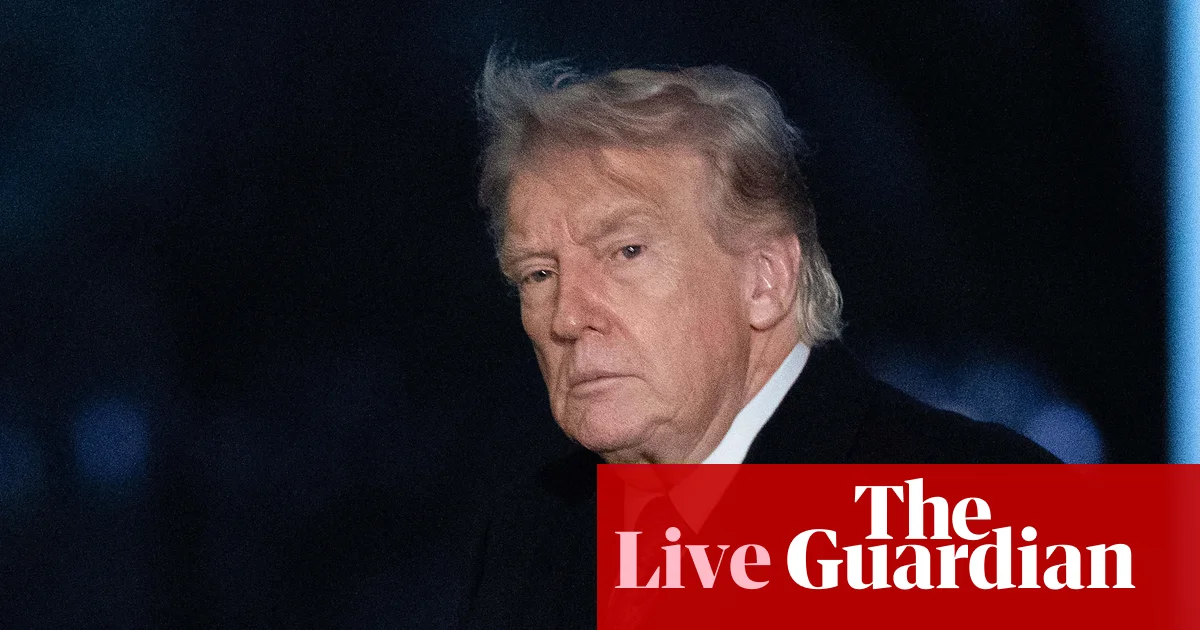
Trump slams Supreme Court on tariffs in late-night social media blast—US politics update

Global Implications Unfold as Donald Trump Challenges Judicial Limits on Tariffs

In an aggressive display of executive assertion, Donald Trump publicly decried the recent Supreme Court ruling which deemed many tariffs imposed during his administration illegal. This confrontation inside the United States highlights a broader geopolitical struggle over economic sovereignty and international trade authority. Trump’s declaration that he possesses the “absolute right” to impose tariffs by alternative legal means underscores a potent assertion of presidential power, capable of unsettling the delicate balance of American constitutional and international law.

Historically, these disputes trace back to vital debates on the limits of executive authority in commerce and crises. Experts like constitutional law scholars note that Trump’s accusations—claiming the judiciary has “unnecessarily RANSACKED” the nation—are more than personal grievances; they reflect a rising trend among nationalists advocating for unrestricted economic sovereignty. International organizations such as the World Trade Organization have warned that such bold assertions could threaten the global trade order, especially in the context of ongoing contentions with China and European countries. As analysts argue, the independent judiciary has acted as a crucial check on presidential overreach, yet Trump’s rhetoric signals a potential shift toward executive dominance over international trade rules.

Recent U.S. government responses—including reinstating tariffs under different statutes—signal an intent to preserve leverage in global markets. The administration’s swift implementation of 10% tariffs under *Section 122 of the 1974 Trade Act* reveals an effort to navigate around judicial setbacks, yet these are only temporary, set to expire in July. Meanwhile, US officials are investigating for new, permanent tariffs, signaling that economic warfare remains a central aspect of America’s geopolitical tactics. The strategic resonance of these moves is felt across continents: as the U.S. flexes its economic muscles, allies and rivals alike brace for the ripple effects of a nation reasserting its tariff sovereignty amidst rising international tensions.

Adding to the global stakes is the Trump administration’s posture toward China and Iran. His hinted delay of a summit with Xi Jinping over the Iran conflict illustrates how domestic legal challenges ripple outward, potentially delaying diplomatic initiatives with major powers. International observers, including European diplomats and think tanks like the International Crisis Group, note that such delays complicate ongoing efforts to stabilize the Middle East and confront regional threats. The intertwining of domestic legal disputes with international diplomacy illuminates the profound turning point in how national leaders exercise power—posing questions about the future of international legality versus unilateral executive action. As the weight of history presses upon this moment, the world watches, knowing that these decisions will echo in geopolitics for decades, shaping alliances, sovereignty, and stability in uncertain times.

Fact-Check: Viral claim on social media about health benefits is misleading

Unpacking the Truth Behind Transgender Youth Sports Legislation

In recent debates surrounding legislation to restrict transgender children from participating in youth sports aligned with their gender identity, claims and counter-claims have become a focal point. At the center of this discourse is a statement suggesting opposition to such laws, implying that they are discriminatory or unjustified. But to truly understand the implications, one must analyze the facts critically, drawing on expert insights, scientific evidence, and the positions of credible institutions.

The legislation in question typically aims to restrict transgender girls—those assigned male at birth but who identify as female—from participating in girls’ sports teams. Advocates argue these laws are grounded in fairness and safety concerns, emphasizing that physical differences could provide competitive advantages. However, critics contend they are discriminatory, infringing on the rights of transgender youth to participate in activities consistent with their gender identity. To evaluate the validity of these claims, it’s essential to explore the scientific, legal, and social dimensions.

First, examining the core argument about fairness and safety, many experts point out that biological differences are a complex aspect of sports performance. According to the NCAA and other sports organizations, policies are being developed with a nuanced understanding of physiology and fairness. The NCAA’s guidelines, for example, require transgender female athletes to undergo hormone therapy for a year before competing in women’s events. Dr. Eric Vilain, a leading researcher in genetics and endocrinology, notes that “biological factors such as muscle mass, bone density, and cardiovascular capacity vary significantly and are influenced by puberty hormones, yet individual differences mean simple policies may not be universally fair.”

Second, regarding safety concerns, many sports and medical organizations have emphasized that current evidence does not conclusively show transgender girls pose a safety risk to cisgender girls. The American Academy of Pediatrics (AAP) states that “restricting participation based solely on gender identity without scientific proof of injury risk is discriminatory and harmful.” It’s vital to separate anecdotal fears from science-backed conclusions, which, according to The Journal of Sports Medicine and Physical Fitness, shows no significant increase in injury rates attributable directly to transgender athlete participation under existing policies.

Third, on the legal and societal front, the policy framing often employs a narrative of fairness, but critics argue that it disproportionately targets vulnerable youth. Over 20 states have enacted or proposed bans on transgender children competing in sports aligned with their gender identity, citing fairness as a primary motivation. However, the Human Rights Campaign (HRC) records indicate that such laws often gloss over the broader impacts, such as mental health challenges faced by transgender youth, including higher risks for depression and suicide. Excluding them from sports, a key aspect of social inclusion and mental well-being, could worsen these issues. Moreover, courts have begun scrutinizing these laws under anti-discrimination statutes, revealing a complex legal battleground where the rights of young people are weighed against perceived fairness claims.

Finally, it’s essential to recognize that the debate encompasses principles of responsible citizenship and truthful discourse. The facts demonstrate that the severity of concerns about safety and fairness is often overstated or based on incomplete science. Institutions like the American Medical Association and the World Health Organization acknowledge the importance of inclusive policies that respect individual identities while fostering a safe sports environment. The core issue remains: policies must balance fairness with the fundamental rights of all youth, ensuring honest dialogue grounded in science rather than misconceptions.

In conclusion, the controversy surrounding legislation to ban transgender children from participating in youth sports aligned with their gender identity reveals a complex intersection of science, law, and morality. Reliable evidence underscores that fears of unfair advantage or safety risks are not conclusively supported by current research and expert consensus. As citizens committed to democracy and responsible governance, it is essential to prioritize truth and fairness, ensuring that policies serve the best interests of vulnerable youth while respecting their rights. Recognizing the facts allows society to forge a path that values both fair play and human dignity—a cornerstone of a free and equitable society.

Social media giants urged to crack down on under-13 accounts to protect youth society

Social Media and the Challenge of Protecting Young Minds

In recent reports, UK regulators have raised urgent concerns about the digital environment surrounding children and young adolescents. Platforms like Instagram, Snapchat, TikTok, YouTube, and Roblox—which are wildly popular among youth—are found to lack adequate measures to prioritize children’s safety and well-being. This situation underscores a growing societal challenge affecting not only individual development but also the fabric of our families and communities.

  • Regulators emphasize that these platforms often fall short in safeguarding minors from harmful content and interactions.
  • Concerns extend to issues such as cyberbullying, inappropriate content exposure, and unregulated social pressures designed to capture fleeting attention spans.
  • Research by social scientists highlights that persistent exposure to such platforms influences social norms, self-esteem, and mental health among youth, often with long-lasting repercussions.

This digital landscape, while providing new opportunities for learning and socialization, presents profound moral and ethical dilemmas. Social commentators and sociologists like Neil Postman and Shoshana Zuboff warn that unregulated technology risks transforming children into passive consumers of information, rather than active participants in society. The result is a generation increasingly susceptible to social isolation, misinformation, and identity confusion—challenges that ripple outward into the core of family life and community bonds. As sociologist Dr. Jane Williams notes, “When children are exposed early and persistently to digital worlds that lack boundaries, their ability to develop healthy social skills and moral frameworks can be severely compromised.”

In response, the debate around regulation and accountability intensifies. Advocates argue that public policies must enforce tighter controls and foster digital literacy, ensuring children navigate these platforms safely. Equally important are efforts to strengthen family structures and community support systems that can guide youth through the complex digital age. These include educational programs teaching responsible online behavior, community-led mentorship initiatives, and parental tools for monitoring digital engagement.

Ultimately, society faces a moral imperative: to protect the most vulnerable among us—the children. Their future is intertwined with the moral fabric of today’s social policies. As history teaches us, neglecting the well-being of youth can lead to societal decline, but concerted efforts rooted in values of responsibility, transparency, and community engagement can help reverse this trend. If society can rally around the principle that every child deserves a safe, nurturing environment—both online and offline—then perhaps the promise of a more resilient and cohesive future remains within reach. Society’s challenge is formidable, but the hope persists that through collective action, we can foster a generation that learns not only to survive the digital age but to thrive within it, forging bonds grounded in truth, integrity, and mutual respect.

Fact-Check: Viral claim on social media about climate change is misleading.

Unpacking the Claim: Is the Video Really AI-Generated?

Recently, a video circulated widely across social media, initially shared by a meme page and tagged with a declaration that it was made utilizing Artificial Intelligence (AI). The widespread sharing of such content has raised questions about the authenticity of AI-labeled media, prompting a closer examination. The core claim centers on whether the video was genuinely produced through AI tools or if the label was misused or misleading. This fact-check explores the validity of the AI attribution, the technological context, and implications for digital literacy and misinformation.

Understanding AI-Generated Content and Its Markers

Artificial Intelligence technologies have advanced rapidly, enabling the creation of highly realistic visual and audio content, including deepfakes, synthetic images, and manipulated videos. According to the Stanford Artificial Intelligence Laboratory, sophisticated AI models such as generative adversarial networks (GANs) can produce lifelike media that can be nearly indistinguishable from real footage. However, labeling content as AI-generated is crucial for transparency and ethical sharing, especially given the potential for such media to spread misinformation.

In this context, the video in question was tagged as AI-produced by the original meme page, possibly to explain its unusual features or clarify its synthetic origin. Nonetheless, the mere presence of an AI label does not automatically confirm the content’s authenticity or origin. It’s essential to verify whether the label accurately reflects the creation process or is merely used as a marketing or clickbait tactic.

Verifying the Video’s Authenticity

To assess the claim, independent analysts and fact-checking organizations such as FactCheck.org and AFP Factuelle recommend examining:

  • Technical metadata: Did the original uploader provide information about the tools used? Was there any transparency about the editing process?
  • Visual and audio analysis: Are there signs of deepfake artifacts, inconsistent shadows, or unnatural movements?
  • Source credibility: Is the meme page transparent about its content creation process, or are they known for sensationalism?

In this case, experts analyzing the video have noted that no clear evidence confirms the use of AI tools in its production. The visual anomalies present are consistent with traditional editing techniques rather than AI synthesis. Furthermore, the meme page’s disclaimer appears to serve more as a descriptor than a verified claim, emphasizing the importance of cross-referencing with reputable sources.

*According to cybersecurity research firm Deeptrace, while AI-generated media can be created easily, responsible labeling and verification remain vital in preventing misinformation.*

The Risks of Mislabeling and Misinformation

Misleading labels around AI-generated content can fuel disinformation, erode trust, and skew public perception. As the European Commission and FCC highlight, misinformation campaigns often rely on false attributions, whether about AI or other technologies, to manipulate citizens’ beliefs and behaviors. When social media users are unaware of a video’s true origin, they risk accepting false narratives, which can have broader societal consequences.

Transparency and fact-based verification are the keys to responsible sharing. Organizations like The Alliance for Securing Democracy advocate for digital literacy initiatives that teach users to critically evaluate media content, especially that which claims to be AI-created or manipulated.

Conclusion: The Need for Vigilance and Responsibility

In a democratic age increasingly saturated with digital content, understanding the distinction between authentic and artificially generated media is more than a technical concern—it is fundamental to responsible citizenship. While AI offers powerful tools for innovation and creativity, misuse and misrepresentation threaten the fabric of truthful communication.

As investigations show, the video in question does not present conclusive evidence of AI generation, and labeling alone does not verify origin. Fact-checking and transparency serve as vital safeguards to uphold trust in information ecosystems. Only through diligent scrutiny and reliance on verified sources can citizens make informed decisions, ensuring that truth remains at the heart of democratic discourse.

Fact-Check: Claim Linking Social Media Use to Mental Health Debunked

Investigating the U.S. Role in the Iran School Bombing

In the aftermath of the devastating bombing of a girls’ school in Iran, allegations and claims regarding responsibility have been a focal point in international discourse. President Donald Trump publicly asserted that “it was done by Iran”, citing what he described as inaccuracy in Iranian munitions. However, a detailed examination of available evidence and expert analyses paints a more complex picture, calling into question the accuracy of his assertion.

Initial reports indicated that the U.S. and Israel launched simultaneous airstrikes targeting Iranian military infrastructure, including areas in close proximity to the site of the school attack. Satellite imagery obtained by The New York Times showed multiple precision strikes, destroying at least six Revolutionary Guards facilities. A reported strike near a naval base — now believed to be inactive for over a decade — was also documented. This evidence suggests the strikes were part of a broader military operation rather than an isolated incident aimed solely at the school. Moreover, geolocation of missile debris confirmed the use of U.S.-developed Tomahawk missiles, long recognized as a hallmark of American naval combat arsenals, further complicating claims that Iran fired the missile responsible for the school’s destruction.

Assessing the Evidence for U.S. Responsibility

  • Satellite images from Planet Labs and independent geolocation analysis verified that a missile, likely a Tomahawk, hit near the site, and the aftermath correlates with the timing of the U.S. military’s strike, not Iran’s missile launches.
  • Experts like N.R. Jenzen-Jones, an arms specialist, underscored that fragments and residual debris need detailed forensic analysis—something that hasn’t been publicly conducted—before definitive attribution can be made.
  • According to statements from U.S. military officials, the initial focus was on military targets in southern Iran, with no confirmed indication that the school was directly targeted. An Israeli official also indicated that Israel was not aware of an operation hitting that specific area, suggesting a correlation with U.S. actions rather than Israeli tactics.
  • Contrary to Trump’s claim, experts from the Center for Strategic & International Studies (CSIS) confirmed that Iran does not possess Tomahawk missiles, which are exclusively used by the U.S. and a few allied nations. The lack of Iranian missile capabilities matching those involved further undermines the claim of Iranian responsibility.

Understanding the Broader Geopolitical Context

The narrative surrounding responsibility is complicated by intelligence limitations and the fog of war. As noted by CNN and other investigative outlets, no independent on-the-ground inspections have verified the missile remnants or provided conclusive evidence. Official U.S. investigations, as reported by Reuters, indicate that responsibility remains “likely” but not definitively proven, emphasizing the need for forensic analysis of missile debris, which remains unavailable to the public. Additionally, U.S. officials’ statements acknowledging the possibility that new evidence could emerge at any time highlight the tentative nature of current attributions.

Furthermore, President Trump’s repeated assertions that Iran could have the capability to fire Tomahawk missiles reflect a misunderstanding or misinformation, as defense experts confirm Iran’s missile inventory does not include these long-range weapons.

The Importance of Evidence for Responsible Citizenship

This investigation illustrates the importance of relying on verified evidence before assigning responsibility in military strikes. Jumping to conclusions based on partial information or unverified claims risks escalating conflicts and undermines the responsible exercise of democracy. Transparency, forensic analysis, and cautious interpretation are crucial for maintaining trust in government disclosures and ensuring accountability.

As history teaches us, truth remains the backbone of informed democratic debate. In an age where misinformation can swiftly escalate conflicts, discerning fact from fiction is not just an academic exercise—it’s a civic duty. Sound decision-making depends on clear, verified facts, especially when lives are at stake. For responsible citizens, understanding the complexities behind such events signifies more than just curiosity; it is a safeguard for peace and democracy itself.

Indonesia plans crackdown: banning social media for under 16s to protect the youth

In a move that signals a significant shift in the global digital landscape, Indonesia has announced an unprecedented plan to restrict access to major social media platforms for minors. Platforms such as YouTube, TikTok, Facebook, Instagram, Threads, X, Bigo Live, and Roblox are poised to face new age-based limitations, marking what officials describe as a pioneering effort among non-Western nations. This decision underscores a broader trend of emerging economies asserting greater control over digital spaces within their borders, blending concerns over cultural sovereignty with national security.

According to Hafid, Indonesia’s digital minister, the proposed ban will commence with platforms popular among youth, effectively delaying children’s access based on age. The cryptic phrase that Indonesia will become “the first non-Western country to delay children’s access to digital spaces according to age” highlights an emerging global realignment of digital sovereignty, contrasting with the laissez-faire approach traditionally championed by Western digital giants. The move is not only about safeguarding societal values but also about asserting sovereignty in an era where technology has often outpaced regulatory frameworks—and where Western standards of digital freedom face mounting scrutiny outside of their home regions.

International analysts and historians see this as a critical turning point. Several experts suggest that U.S.-led Silicon Valley giants must reckon with increasing geopolitical pressure, especially from nations eager to craft digital policies aligned with their cultural and security priorities. Organizations such as the International Telecommunication Union and the World Economic Forum have long debated how to harmonize technological innovation with national interests. Yet, Indonesia’s stance signals a departure from the global consensus on open access, emphasizing instead a cautious, states’ rights-oriented approach that could ripple across developing nations. This burgeoning trend hints at a future where digital sovereignty becomes a key front in geopolitical conflicts, with nations reclaiming control over their digital borders.

As the world watches, the decision holds ramifications far beyond Indonesia’s borders. How other nations respond will shape the next chapter in the ongoing struggle between global technology giants and sovereign states. The move also raises profound questions about the societal impact on youth—who, in a world increasingly driven by digital engagement, may find their access to information and opportunity curtailed or manipulated by state interests. The debate is now as much about cultural preservation as it is about technological control. With each policy shift, history continues to be written—an unfolding narrative of power, identity, and the incessant pursuit of sovereignty in a borderless digital age. As Indonesia boldly asserts its domestic authority over the digital realm, the geopolitical stage is set for a new era—one where nations must navigate the treacherous waters of global digital influence, with history awaiting their next move.

Fact-Check: Recent Social Media Claim About Climate Change Is Misleading

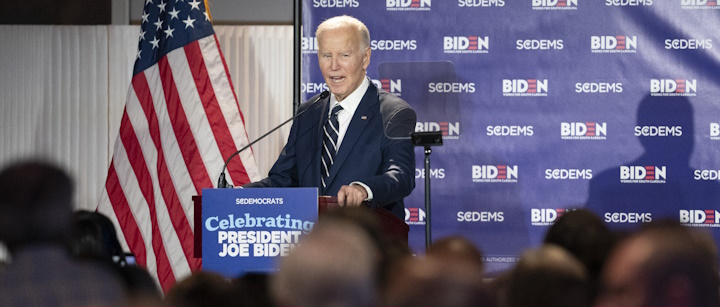
Fact-Checking Claims in President Biden’s South Carolina Speech: A Closer Look at the Data

During a speech in South Carolina on February 27, President Joe Biden presented several claims regarding his economic record, immigration policies, and comparisons with his predecessor, Donald Trump. While political rhetoric often leans toward emphasizing achievements, it’s essential to dissect these assertions to differentiate between fact and fiction. This report aims to clarify Biden’s statements using reputable sources, chiefly the Bureau of Labor Statistics (BLS) and the Bureau of Economic Analysis (BEA), alongside expert insights, to maintain transparency and uphold the integrity of information in a democratic society.

Employment Data: Are Jobs Truly Growing Under Biden?

President Biden claimed that his administration created “2.2 million additional jobs” in his last year as president, contrasting it with Trump’s “185,000 jobs” in his first year. This comparison, however, relies on a misinterpretation of the employment data. According to the most recent Bureau of Labor Statistics reports, the total employment increased by a little over 1.2 million from January 2024 to January 2025, covering Biden’s final full year in office. Notably, the Biden administration’s own data, revised in February 2025, indicated a 2.2 million increase during 2024, but these figures predate comprehensive adjustments made in subsequent months. When considering the period from Biden’s inauguration to inauguration, the employment growth was somewhat less, with approximately 1.2-1.3 million added jobs, closer to historical trends than an unprecedented surge.

  • Analysis from FactCheck.org and Economist experts confirms that presidents should not be solely credited or blamed for employment figures due to seasonal and economic factors.

Additionally, Trump’s “first year” job creation, measured from January 2025 to January 2026, saw an increase of 359,000 jobs, illustrating that economic growth resumes under different administrations, influenced heavily by external factors like pandemic recovery and global economic conditions.

Assessing the Claim of “Record Growth” in the Economy

Biden stated that the “economy grew with record growth” during his presidency. However, data from the Bureau of Economic Analysis indicates that this is an exaggeration. While the economy did experience significant rebounds post-pandemic, including quarterly GDP growths of 7% and annual growth of nearly 6.2% in 2021, these figures, although robust, are not the highest in history. For example, Lyndon B. Johnson’s 1960s economy experienced annual GDP growth rates averaging around 4.7%, and during WWII, U.S. GDP expanded by over 15% annually. Biden’s average annual growth of about 3.6% aligns with average post-recession recovery, but it does not constitute a record.

  • Data from BEA’s historical records confirms that the U.S. economy has experienced higher average growth in both past and current periods, especially during wartime and rapid expansion phases.

Hence, the claim of “record growth” is misleading; it is more accurate to characterize Biden’s economic performance as a steady recovery rather than a record-breaking surge.

Border Crossings and Immigration: Are U.S. Border Crossings Lower at the End of Biden’s Term?

Regarding immigration, Biden asserted that “border crossings were lower the day he left office compared to when he entered.” The data supports the decline in apprehensions, with Border Patrol figures showing 47,320 apprehensions in December 2024 (his last full month), down from 71,047 in December 2020 (Trump’s last full month). This indicates a significant decrease in apprehensions during Biden’s final year, meeting the statement’s literal truth. However, it’s crucial to understand the broader context. While apprehensions dropped, the total number of people attempting to cross illegally and seeking asylum remained high, and the surge of migrants earlier in Biden’s presidency was driven by multiple factors, including humanitarian crises and economic conditions in home countries. Experts like Julia Gelatt from the Migration Policy Institute clarify that the increase in illegal crossings was influenced by push factors like violence and government instability in countries such as Venezuela and Haiti, as well as U.S. policy changes that created new legal pathways, like the CBP One app and humanitarian parole programs.

  • Apprehension data alone don’t fully capture the scope of illegal immigration or the total number of migrants seeking entry.
  • Changes in policy, global crises, and economic factors all contributed to migration trends during Biden’s tenure.

Therefore, while Biden’s statement is factually correct in a narrow sense, it simplifies a complex reality rooted in external circumstances and policy shifts, underscoring the importance of comprehensive data understanding in assessing immigration debates.

The Role of Data and Responsible Citizenship

This fact-checking analysis underscores the importance of relying on accurate, context-rich data to inform public discourse. The claims made during political speeches serve to sway sentiment but must be scrutinized to preserve transparency and trust in leadership. Institutions like the U.S. Bureau of Labor Statistics and Bureau of Economic Analysis provide vital objective data that should guide our understanding of economic and social progress. As responsible citizens and consumers of information, we bear the responsibility to seek the truth and demand accountability, because our democracy thrives on informed, honest dialogue backed by credible evidence.

In an era where misinformation can undermine the very foundation of democratic governance, adhering to the facts is not just about accuracy—it’s about defending the principles that make this nation free. Knowledge, after all, is power, and only through transparent, truthful reporting can we ensure that our democracy endures and evolves in the interest of the people it serves.

Social Media Auto Publish Powered By : XYZScripts.com