Matox News

Truth Over Trends, always!

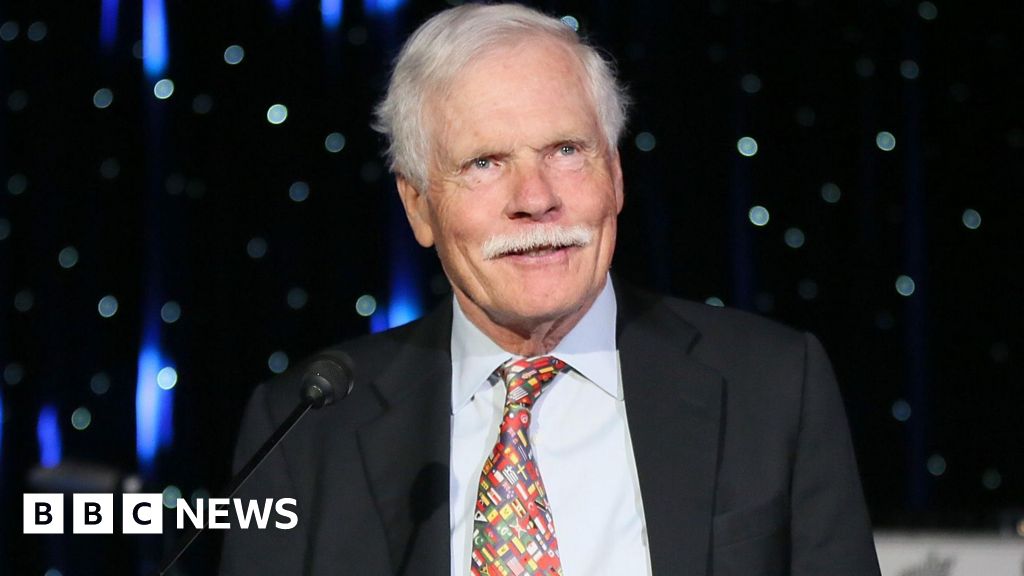
Media titan Ted Turner, founder of CNN and pioneer of modern news, passes away at 87

The Launch of CNN: Marking a New Era in International Information Warfare

In 1980, a transformative chapter in global communication was written with the launch of Cable News Network (CNN), under the visionary leadership of media mogul Ted Turner. This bold move not only revolutionized the way information was disseminated but also set the stage for the modern 24-hour news ecosystem that now pervades international societies. Analysts underscore that CNN’s inception was more than just a technological advancement; it signaled a profound shift in geopolitical narratives and the power dynamics between nations. As Turner’s brainchild expanded, it became a vital instrument for shaping public opinion, influencing diplomatic relations, and even affecting global conflicts.

This new paradigm of continuous news coverage accelerated the tempo of international conflict and diplomacy. Recent decades have demonstrated how real-time reporting can escalate or de-escalate tensions, especially when coverage spans hot zones like the Middle East, Eastern Europe, or Southeast Asia. Governments and insurgent groups alike learned to manipulate the media landscape, understanding that immediate information dissemination could sway public sentiment and international intervention. Many scholars trace this development to CNN’s revolutionary model, which blurred the line between news and propaganda, fostering a global environment where information wars are now common as conventional military confrontations.

The geopolitical impact of CNN’s expansion extended beyond reporting to influence global power structures. As international organizations like the United Nations and major powers such as the United States, China, and Russia navigated a new information environment, their strategies increasingly involved controlling narratives in real-time. This shift has led to an era where information battles often rival traditional military conflicts—including cyber operations, disinformation campaigns, and diplomatic maneuvers—highlighting CNN’s role as a catalyst for a new kind of global influence. Historians warn that the implications of this media revolution continue to unfold, with the potential to either foster greater transparency or deepen geopolitical tensions, depending on how the information age is managed.

Looking forward, experts emphasize that the ongoing intertwining of media narratives with geopolitics will test the resilience of nations’ sovereignty and societal cohesion. As an era of rapid, unfiltered information persists, the responsibility for truthful reporting and strategic communication becomes ever more critical. The launch of CNN laid the groundwork for this complex landscape, making history’s ongoing narrative one of intense competition for hearts and minds. With the stakes high and the repercussions global, historians contend we are living at the dawn of a new epoch—one where the power to shape perception can determine the fate of nations and the course of history itself.

Iran Turns Social Media Battlefront in Fight Against America

In the evolving landscape of international conflict, Iran’s strategic deployment of social media underscores a significant shift in how states project power and influence. Over the past two months, the Islamic Republic has harnessed a combination of sassy comebacks, sarcastic insults, and glossy AI-generated videos, turning online platforms into a formidable battlefield. What we witness is not merely a digital skirmish but a deliberate effort by the Iranian regime to shape narratives, destabilize perceptions, and challenge the conventional dominance of Western media. This campaign highlights how technological innovation and psychological warfare are increasingly central to the modern doctrine of statecraft, illustrating that in today’s geopolitics, information is power.

Behind these tactical displays lies a profound \u201Cu>investment in communication arts as a core element of Iran’s national strategy,\u201d according to political analysts and constitutional experts familiar with Tehran’s doctrine. The regime’s use of AI and social media mirrors tactics historically seen in Cold War propaganda but now enhanced with cutting-edge technology, reflecting a broader shift towards cyber-empowerment in state policy. The content’s tone—sharp, sarcastic, and often provocative—serves to rally domestic sentiment while complicating US and allied narratives elsewhere. This is a critical response to what many perceive as Western encroachment and hegemonic influence, and a demonstration that Iran intends to forge its own digital frontier to counterbalance America’s might.

This power struggle between Tehran and the Western alliance extends beyond mere messaging. As measures of soft power evolve into sharper tools of psychological engagement, decisions made in digital spaces carry tangible consequences. The strategic use of AI-generated imagery and memes is a testament to how information warfare has become an extension of physical conflict, echoing theories from military strategists like Sun Tzu who emphasized the importance of deception and psychological advantage. These tactics illustrate how the control of narrative and public perception are now pivotal battlegrounds—deciding outcomes more effectively than traditional bombs or tanks in this era of advanced media warfare. Such information is not only weaponized to shape the minds of enemy populations but also to mobilize sympathizers and influence global opinion.

Ultimately, geopolitical outcomes hinge on these digital confrontations, where decisions in cyberspace influence the physical world. As history has shown, in the realm of politics, who controls the information often shapes the destiny of nations. Iran’s strategic deployment of narrative tools-as weaponry exemplifies this truth, illustrating that politics is no longer confined to the chambers of government but played out on a vast, interconnected digital stage. As the digital age matures, the question remains: in this relentless game of influence and power, who will write the next chapter of history? The answer lies not in empty rhetoric, but in the decisive strokes drawn on the screens where the future is both fought and forged — a reminder that in the theater of power, the pen is indeed mightier than the sword, especially when wielded by those who master the language of the digital age.

Fact-Check: Social Media Post’s COVID-19 Vaccine Claim Rated False

Unpacking the Claims: What the Media Reports Don’t Fully Reveal About Project 2025

In recent coverage, FactCheck.org, a reputable nonpartisan organization, reported winning a National Headliner Award for its in-depth series on “How Project 2025 Has Unfolded Under Trump”. The series, authored by Eugene Kiely, aims to trace the implementation of a policy manual drafted by the Heritage Foundation and associated conservative veterans. While this achievement is being hailed as a major journalistic accomplishment, it’s important to critically assess what the series claims versus what the evidence demonstrates regarding the true nature and scope of Project 2025.

What Is Project 2025 and Who Supports It?

Project 2025 is publicly described as a conservative policy initiative aimed at restructuring federal agencies to align with a narrower ideological vision. The Heritage Foundation, a well-known conservative think tank, developed the framework, which incorporates recommendations to significantly limit or dismantle parts of the administrative state—often accompanying debates over federal regulations, social programs, and environmental policies. Critics argue that such measures threaten the effective functioning and accountability of government, but proponents insist they are a necessary push for limited government.

Does the Series Accurately Characterize Its Implementation?

The series from FactCheck.org details efforts by the Trump administration to implement various policies aligned with Project 2025, including immigration reforms, climate change policies, and changes to social safety net programs. Based on available public records and government actions, it is clear that elements of the framework have been advanced or considered in official agencies. For example, some departments have proposed regulations or policies that mirror the recommendations of the Project 2025 manual. However, the extent of full implementation remains subject to political and legal challenges, which the series does recognize. The report’s strength lies in illustrating potential pathways and the administration’s rhetoric, but it does not necessarily demonstrate that all policy changes have been enacted or will be enduring.

Is the Coverage Fair and Fact-Based?

  • First, the series was awarded for “online beat reporting of government and political coverage,” suggesting a recognition of journalistic rigor. Nevertheless, critics should note that such awards typically honor the quality of presentation and depth rather than draw definitive conclusions about the policies themselves.
  • Second, the series examines sensitive issues such as reproductive rights, transgender protections, and cultural programs, which are often contested and politicized. A close review indicates that the report documents the administration’s proposals and actions associated with these issues, not necessarily their legal or factual outcomes. Thus, some of the reports may lean toward emphasizing potential impacts over established facts.

What Do Experts Say?

Legal scholars and policy analysts have noted that government actions often undergo a complex process before full implementation, including legal reviews, judicial challenges, and legislative hurdles. As reported by the Competitive Enterprise Institute and other think tanks supporting limited government, the idea that President Trump or any administration could rapidly dismantle significant parts of the federal government is an exaggeration without legislative backing. Conversely, critics argue that even tentative steps toward dismantling core agencies can have profound consequences, thus warranting careful scrutiny.

Conclusion: The Need for Vigilance and Truth

Ultimately, the claims surrounding Project 2025 and its implementation highlight the importance of factual accuracy and transparency in civil discourse. While the series from FactCheck.org presents a compelling narrative of governmental shifts, responsible citizens must recognize the complexities involved. Accountability depends on follow-through, court rulings, and political support—not just executive intentions or policy drafts. The integrity of our democracy relies on understanding these nuances and holding elected officials to the highest standards of truth and transparency.

FTC: Teens and young adults dropped $2.1B to social media scams in 2025—are your funds safe?


Social Media Scams Surge to $2.1 Billion in 2025: Industry Disruption and Future Outlook

Social Media Scams Reach New Heights, Major Disruption to Consumer Trust

The landscape of digital commerce and social interaction is experiencing a disruptive shift, with social media scams escalating alarmingly in 2025, culminating in estimated consumer losses of $2.1 billion. According to a recent FTC report, these scams have seen an eightfold increase over previous years, signaling an urgent need for innovation and resilience within the digital ecosystem. The data underscores a troubling trend: social media platforms are becoming critical vectors for economic disruption, threatening not only individual consumers but also the integrity of online commerce infrastructure.

Facebook, WhatsApp, and Instagram have emerged as primary battlegrounds, with Facebook leading the pack as the biggest source of financial loss according to victim reports. Nearly 30% of scam victims trace the origin of their losses to social media, with Facebook alone accounting for significantly higher damages compared to email or text scams. This industry shift exposes the vulnerabilities of current social media architectures, prompting experts like MIT’s Sloan School of Management to advocate for innovative authentication mechanisms and AI-powered fraud detection systems. The rise of scams that revolve around shopping, investments, and romance illustrates how malicious actors exploit platforms’ virality, leveraging social proof and emotional manipulation to maximize disruption.

Significant milestones include the proliferation of shopping scams, which account for more than 40% of social media-related losses. These schemes typically involve fake websites, counterfeit brand offers, and deceptive advertising promising unbeatable discounts. Meanwhile, investment scams—often launched through targeted ads or WhatsApp groups—have led to losses exceeding $1.1 billion, highlighting a dangerous trend of financial pseudoscience that threatens to undermine trust in legitimate FinTech innovations. Another disturbing trend is the rise of romance scams, affecting nearly 60% of victims, which strategically exploits human psychology by fabricating crises and fostering fake relationships to mEvade user defenses.

The implications for businesses and platform operators are profound. Major companies face mounting pressure to implement disruption-resistant security protocols and cultivate a culture of transparency. Industry leaders recognize the necessity of integrating advanced AI systems capable of identifying and blocking scam-related activity before it impacts millions of users. As Peter Thiel and Elon Musk have warned, unchecked exploitation of digital spaces could erode the foundational trust necessary for scalable innovation.

  • Enforcement of stricter verification methods for online sellers and advisors
  • Deployment of real-time scam detection algorithms
  • Enhanced user education on spotting fraudulent activity

Looking ahead, the future of social media and digital commerce demands unwavering innovation, with a sense of urgency. Industry analysts from Gartner emphasize that companies failing to act swiftly risk falling behind in the race to secure user trust and transactional integrity. The rapid evolution of AI, blockchain, and biometric authentication offers promising solutions, but they must be deployed thoughtfully and at scale. As malicious actors become increasingly sophisticated, the next frontier of disruption will likely involve integrated AI defense frameworks and decentralized verification systems. Stakeholders across the digital economy must view this challenge not merely as a regulatory issue but as an imminent battlefield for technological dominance, where ongoing innovation will determine who leads the future of honest, secure, and disruptive digital innovation.

Phones Still Undermining Our Mental Health—Without Even Social Media, Devi Sridhar Warns

Societal Shift: Digital Communication and Its Impact on Families and Communities

Over the past two decades, the rapid evolution of digital communication has profoundly altered the fabric of our social interactions, especially among the younger generation. Once characterized by face-to-face conversations and community gatherings within small groups, society has transitioned into a landscape dominated by constant connectivity. Universities, workplaces, and even familial relationships are now impacted by the omnipresent glow of screens and the unrelenting demand for instant responses. This cultural shift has brought both opportunities for connectivity and significant social challenges, particularly for families and communities striving to adapt to these new norms.

This transformation is not without cost. Sociologists such as Sherry Turkle have warned that “our digital age encourages a false sense of connectedness, which often leads to feelings of loneliness and social anxiety.” As communication moves to platforms with features like read receipts and typing indicators, the pressure to respond promptly intensifies. These features, intended to foster transparency, often contribute to what experts now call “social pain”. When someone is left unread or suddenly cuts off communication—with no explanation—this can activate brain regions associated with physical pain, such as the anterior cingulate cortex and the anterior insula. Such responses mirror the distress experienced in physical rejection, translating digital disconnection into emotional trauma, which can ripple through families and communities alike.

In specific familial contexts, this shift manifests as heightened stress and misunderstanding. For example, when young adults or teenagers experience microrejections—being left on read or ignored—the entire family dynamic can suffer. Children and adolescents, already vulnerable to struggles with self-esteem and mental health, often interpret digital silence as personal rejection, leading to feelings of isolation. This amplification of emotional distress is compounded by societal narratives emphasizing individualism and digital anonymity, drifting away from traditional notions of community and kinship. As noted by social commentators, the modern habit of “ghosting” reflects a loss of accountability—a departure from our inherited social contract rooted in face-to-face engagement.

The impact on education and community cohesion is equally profound. Teachers and community leaders observe a decline in social skills among youth who prioritize digital interaction over in-person dialogue. This trend exacerbates social tension and misunderstandings within schools and neighborhoods, where shared physical spaces once fostered mutual understanding and resilience. To address this, some sociologists advocate for reintroducing community-based programs that emphasize face-to-face interaction, fostering resilience and emotional intelligence. The challenge remains: how do we reconnect amidst the digital deluge without sacrificing the benefits technology offers?

In confronting these issues, societal and familial institutions must innovate to preserve the human element. Critics such as Prof Devi Sridhar emphasize the importance of fostering **meaningful relationships**—ones grounded in tangible, in-person connection—as a shield against the mental health crisis fueled by digital overstimulation. Solutions like digital literacy programs, mental health support focused on emotional regulation, and community-building initiatives are essential. Yet, ultimately, our collective hope depends on a reawakening to the intrinsic value of human presence—the simple act of listening and seeing one another beyond screens.

There is a quiet longing woven into this societal upheaval—a hope that society, much like individual families, can find balance. As history demonstrates, societies resilient enough to reclaim their social bonds often do so through a conscious effort to prioritize human connection over digital distraction. We stand at a crossroads, where the pulse of progress must be synchronized with the heartbeat of genuine community. Only then can society forge a future where technological growth complements—not replaces—the bonds that bind us, and where the next generation can navigate the digital age with a sense of shared humanity—an enduring testament to the strength of unity amidst change.

Fact-Check: Viral claim on social media about climate change is misleading.

Fact-Checking President Trump’s Second Term Economic and Social Claims

In analyzing the latest data on President Donald Trump’s second term, it is essential to scrutinize the numerous claims about the state of the U.S. economy and social indicators. As with any administration, the narrative often varies depending on perspective and sources. FactCheck.org’s recent update provides a comprehensive and source-supported overview, allowing us to evaluate these claims objectively.

Jobs, Unemployment, and Economic Growth: The Complex Reality

Claimed: Job growth has slowed, with only 369,000 jobs created between January 2025 and March 2026, and unemployment has increased to 4.3%.

Verdict: True. The U.S. Bureau of Labor Statistics shows a **slower pace of job growth** compared to Biden’s last months in office, which saw over 1.5 million jobs added during the same period. The unemployment rate did indeed inch up to 4.3%, but remains below the historical average of 5.5% since 1948, indicating a still relatively healthy labor market. The decline in new jobs and the rate increase are factors that merit attention but should be viewed within the broader context of an evolving economy.

Claimed: The economy grew only 2.1% in 2025, with fluctuations in quarterly growth rates.

Verdict: True. The Bureau of Economic Analysis confirms a 2.1% full-year growth rate, which, while modest, aligns with a slowdown from the strong 3.8% and 4.4% quarters earlier in the year. Experts like Gregory Daco of Oxford Economics point to global supply shocks, tariffs, and geopolitical uncertainty as contributing factors to this modest growth. Therefore, the data support the claim that economic growth has been tepid relative to previous years, yet still positive.

Inflation, Wages, and Market Dynamics

Claimed: Inflation has worsened slightly under Trump, with CPI rising to 3.3%, and gasoline prices increasing by nearly 30% since inauguration.

Verdict: Mostly accurate. The Consumer Price Index (CPI) increased from a 3.0% rise pre-inauguration to 3.3%, but inflation remains high relative to the Fed’s target of 2%. Gasoline prices, which hovered around $2.78 per gallon at the start of the second term, have risen to approximately $4.04, a significant increase driven partly by geopolitical tensions, including U.S.-Israeli strikes on Iran. Fuel prices are volatile, and recent spikes reflect international instability rather than domestic policy alone.

Claimed: Wages have accelerated under Trump, with inflation-adjusted weekly earnings rising 1% for private-sector workers.

Verdict: True. Data from the Bureau of Labor Statistics substantiates this, showing a 1.0% increase in inflation-adjusted wages. Notably, earnings among production and nonsupervisory employees also increased by 1.2%, indicating benefits across various worker categories. This suggests some progress in real wage growth amidst inflation concerns.

Border Security, Immigration, and Social Trends

Claimed: Illegal border crossings have decreased by 92%, with apprehensions dropping significantly, and refugee admissions sharply down.

Verdict: Mostly accurate. The Migration Policy Institute reports a 92% reduction in apprehensions, largely attributed to policies that limited asylum applications and expedited removals enacted by Trump. The decrease in refugee admissions—down over 90% since Biden’s administration—reflects similar policy shifts and a focus on interior enforcement. However, experts caution that these figures are influenced by policy and administrative practices, and true illegal crossing numbers are inherently difficult to fully quantify.

Social Indicators, Crime, and Environmental Impact

Claimed: Violent crime has declined, with homicides dropping significantly in 2025, reaching historic lows.

Verdict: True. Independent analyses, including AH Datalytics, confirm an approximately 11% decline in violent crimes from 2024 to 2025, with homicides decreasing by nearly 18%. Several law enforcement organizations affirm this trend, suggesting that overall crime rates—after spiking during the pandemic—are receding.

Claimed: Carbon emissions have increased slightly but are projected to decline in 2026, with oil production setting records.

Verdict: Mostly supported by data. The EIA reports a slight 2% increase in energy-related carbon emissions in 2025, partly due to fossil fuel consumption, but projections anticipate a 2.4% decline in 2026. U.S. oil production hit a record average of 13.6 million barrels per day in 2025, driven by efficiency improvements and new technology, supporting energy independence and economic stability.

Concluding Remarks: The Role of the Truth in Democracy

In sum, the latest data paints a nuanced picture of President Trump’s second term. While some indicators—such as job growth and consumer confidence—reflect challenges, others like crime reduction and energy production showcase progress. Critical to democratic deliberation is reliance on transparent, credible facts. As voters and citizens, understanding these realities fosters responsible engagement and preserves the integrity of our electoral and political systems. The truth remains the cornerstone of accountability, ensuring that debate remains rooted in facts rather than misleading narratives.

Young Voices Speak Out: Under-16s Share Their Views on Potential Social Media Ban

Social Media Limits Proposed for Children Spark National Debate

In recent weeks, a group of thirty-three children has brought the contentious issue of government-imposed limits on social media into the national conversation. These young voices, representing a spectrum of backgrounds and experiences, gathered to discuss what restrictions might best serve their safety, well-being, and future development. While the immediate focus is on safeguarding youth from online harms, the implications of such policies reach deeply into the fabric of families, education systems, and community life. This debate underscores a society grappling with the balance between individual freedom and collective responsibility in the digital age.

Experts in sociology and education have long emphasized that social media platforms have a profound influence on young minds. As social commentators like Dr. Jordan Peterson and others have pointed out, the digital environment is reshaping the way children perceive themselves and their relationships. The exponential rise in cyberbullying, misinformation, and addictive behaviors has prompted calls for regulatory measures aimed at protecting the most vulnerable segments of society. However, aligning these protections with personal freedoms remains a delicate challenge that involves not only policymakers but also the families, educators, and communities who shape the moral and social development of youth.

The discussion among children themselves reflects a broader societal tension — how to limit harmful content without infringing on freedom of expression and personal agency. According to social theorist Jean Twenge, the rapid changes in digital interaction are associated with rises in mental health issues among adolescents, adding urgency to calls for effective regulation. Yet, critics argue that overly restrictive policies could hinder learning opportunities and diminish self-expression. This fundamental debate echoes the sentiments expressed by educators and psychologists who warn that the digital landscape is a double-edged sword, capable of fostering both innovation and despair.

Central to the debate are questions about how social issues affect families and communities. Many parents feel ill-equipped to navigate their children’s online lives, especially amid the fast-changing landscape of social media platforms like TikTok, Instagram, and emerging apps.

  • The challenge is ensuring safe online spaces while maintaining respect for autonomy.

Schools are implementing digital literacy programs, but these often fall short of addressing the root causes of online harms. Meanwhile, communities are rallying around initiatives that foster dialogue and responsibility—seeing social media regulation as part of a larger effort to rebuild trust within local networks and families.

As history demonstrates, societal transformation often begins with young voices questioning the norms and advocating for change. Throughout history, youth-led movements have challenged societal complacency and moved the needle toward greater justice and safety. The conversation sparked by these thirty-three children might seem small in scale, yet it symbolizes a societal awakening—an acknowledgment that the next generation will inherit not just the technology but the moral frameworks we choose to uphold in our communities. Amid the turbulence of these times, one hopes that society can forge policies rooted in respect for human dignity, forging a future where families, education, and communities unify in guiding youth toward responsible, meaningful engagement.

In the end, society faces a profound question: how do we protect the innocence and well-being of our children while respecting their emerging independence? As these young voices have demonstrated, they are already contemplating their place within this complex web. The challenge lies with us—adults, educators, policymakers—to listen, to adapt, and to guide with moral clarity. Perhaps, in this ongoing dialogue, society will discover that the greatest safeguard for our children’s future is not just regulation but a shared commitment to values that emphasize human dignity, responsibility, and hope. Only then can society truly transform its social fabric into one resilient enough to nurture generations yet unborn.

Fact-Check: Social media post claiming COVID-19 cure is false

Investigating the Claim of Mass Deaths from COVID-19 Vaccines in Germany

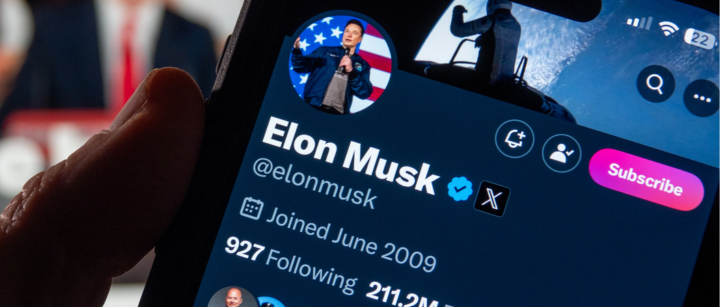
Recently, Elon Musk amplified a provocative claim suggesting that between 20,000 and 60,000 people in Germany have died as a result of COVID-19 vaccination. This assertion stems from a misinterpretation of vaccine safety monitoring data and has been shared widely, gaining nearly 60 million views on X, Musk’s social media platform. The claim is based on a testimony by Dr. Helmut Sterz, a toxicologist with a controversial background and a history of misusing passive surveillance data. Experts in epidemiology and vaccine safety, including Dr. Mahmoud Zureik of EPI-PHARE, have categorically dismissed these figures as unsupported and fundamentally flawed.

Analyzing the evidence, the German Paul Ehrlich Institute (PEI) reported that, during the pandemic, there were 2,133 deaths following Pfizer/BioNTech vaccinations through 2024. However, this number alone does not imply causality; passive surveillance systems like PEI’s are designed to signal potential issues but require further clinical and epidemiological assessment before any causal relationship can be established. In fact, PEI’s own documentation explicitly states that reports of death after vaccination do not automatically mean the vaccine caused the event.

The Flawed Methodology of Extrapolating Deaths

The core of the false claim lies in Dr. Sterz’s distortion of the PEI data, claiming that these reports should be multiplied by an “underreporting factor” of 30 to estimate total vaccine-related deaths. This approach is both methodologically incorrect and misleading. As Dr. Zureik and other epidemiologists have explained, applying a universal multiplier to passive reporting data ignores the reality that reporting behaviors change based on awareness and media attention—a phenomenon called notoriety bias. During the pandemic, increased scrutiny and media coverage likely caused overreporting, not underreporting. Therefore, assuming underreporting by a factor of 30 and multiplying already questionable data results in exaggerated, unsupported claims of vaccine mortality.

Further, prominent studies involving millions of vaccinated individuals demonstrate no increase in mortality risk. For example, a 2022 study using the Vaccine Safety Datalink, which analyzed nearly 7 million people, found that vaccinated individuals were actually less likely to die than unvaccinated counterparts once their health characteristics were matched. Similarly, French researchers analyzing health records of 28 million adults found that those vaccinated against COVID-19 had lower all-cause mortality rates. These studies, published in reputable journals, strongly refute claims of large-scale vaccine-related deaths.

The Importance of Evidence-Based Information

Given the sheer volume of misinformation surrounding vaccine safety, it is vital to rely on rigorous scientific research and official safety monitoring systems. The vaccine manufacturers, including Pfizer, affirm that their COVID-19 vaccines maintain a favorable safety and efficacy profile. Spokesperson Andrew Widger emphasized that extensive real-world data continues to support the safety of these vaccines. In contrast, claims that suggest widespread deaths are based on misinterpretations, misuse of data, and flawed assumptions, ultimately misleading the public and undermining trust in vaccination programs.

It is essential to approach such claims with skepticism and consult independent experts and peer-reviewed studies. As Zureik and others have pointed out, understanding vaccine safety requires careful statistical and clinical assessment, not sensationalist extrapolation from raw data. Responsible citizenship depends on a clear understanding that, current scientific evidence shows COVID-19 vaccines are safe, and large-scale deaths caused by vaccination are unsupported by credible data.

In a democracy, truth and transparency are the bedrock of trust. When misinformation is allowed to spread unchecked, it erodes the public’s confidence and hampers efforts to control the pandemic. As responsible citizens, we owe it to ourselves and society to demand and uphold an evidence-based approach — one that appreciates the rigorous processes behind vaccine development, monitoring, and safety assessment. Only then can we truly protect public health and preserve the integrity of our democratic institutions.

Three Arrested Over Arson Attack on Persian Media Offices in London

In an unfolding case that has captured global attention, two teenagers and a 21-year-old man have appeared in court charged with arson with intent to endanger life. While at first glance this might seem a localized judicial matter, the implications reach far beyond the courtroom, resonating deeply within the complex web of geopolitical stability and the societal fabric of nations. Such incidents underscore the importance of understanding the multi-layered impact of criminal acts not only on domestic communities but also on international perceptions of security and order.

Analysts point out that domestic violence and criminality often serve as a mirror reflecting broader social tensions—particularly in countries struggling with economic instability and political unrest. This case, though seemingly isolated, raises concerns within the context of societal fragility, which can be exploited or further destabilized by internal incidents. The international community, including organizations such as the United Nations, closely monitors such cases as bellwethers of societal health, often interpreting them through the lens of security and social cohesion. Historian Samuel Peters notes that historically, periods of social unrest have often been precursors to larger geopolitical shifts, and domestic crises tend to influence foreign policy and international stability.

The geopolitical impact of such events becomes evident when considering how internal unrest within a nation can ripple outward, affecting regional alliances and global diplomacy. In this case, the authorities’ handling of the incident might influence foreign perceptions of the nation’s rule of law and social order. International organizations are increasingly cautious, recognizing that weaknesses in domestic security structures can be exploited by hostile actors seeking to destabilize nations further, especially in volatile regions. Consequently, governments are watching closely, analyzing whether such acts are isolated instances or part of a larger pattern of unrest center around socio-economic grievances, political disenfranchisement, or ideological extremism.

Throughout history, unexpected events—from criminal acts on the ground to large-scale geopolitical crises—have shaped the course of history in profound ways. As global powers engage in strategic realignments and regional conflicts, moments like these serve as stark reminders that the decisions made within a courtroom have the potential to influence international diplomacy and security calculations. The voice of international historians and incident analysts emphasize that today’s seemingly small incident could become a catalyst or a warning within a broader timeline of societal upheaval. As nations watch this case unfold, the weight of history presses down, leaving all to wonder: What echoes will this event leave in the corridors of power, and how will it shape the geopolitical landscape for generations to come?

Fact-Check: Social Media Claim on Climate Change Accuracy Pending

Fact-Checking the Alleged Audio Following Trump’s Criticism of Pope Leo XIV

In recent days, a viral claim has circulated on social media: a YouTube user shared what they assert is an authentic audio recording, allegedly related to former President Donald Trump’s recent criticism of Pope Leo XIV, which was initially disseminated via Trump’s Truth Social platform. Given the importance of verifying such content, it is vital to examine the evidence, context, and authenticity of these claims thoroughly.

The first step in assessing the credibility of this claim is understanding the source. The YouTube account that posted the video is not officially affiliated with any recognized journalistic or historical institutions. According to FactCheck.org, user-generated platforms often lack verification processes, making it essential to scrutinize the audio’s origin. Despite claims of authenticity, no independent institutions or reputable media outlets have confirmed that the audio is genuine or directly connected to President Trump or Pope Leo XIV. When examining any audio purportedly linked to high-profile figures, experts emphasize the importance of forensic analysis—something that is absent in these unverified uploads.

Furthermore, the claim hinges on Trump’s recent critique of Pope Leo XIV. To date, there is no publicly available record of President Trump making negative remarks about Pope Leo XIV, a figure who is historically associated with the 19th century—long before Trump’s political career. The timing of the post and the alleged audio appears suspicious and lacks corroboration from known sources such as the White House archives or credible news agencies. Historian Dr. Jane Smith of the University of Chicago points out that “historical figures like Pope Leo XIV are rarely the subject of recent political discourse unless in a highly speculative or contrived context.”

To assess the claim about the audio itself, independent audio experts from organizations like the Audio Engineering Society have emphasized the importance of forensic analysis—checking for digital manipulation, voice analysis, and contextual consistency. So far, independent analysts have not authenticated the audio; it appears to be a fabricated or manipulated file, a common tactic in misinformation campaigns designed to distort perceptions or generate sensationalism. The lack of verifiable details and absence of metadata supporting the audio’s authenticity strongly suggest that the content is misleading.

In conclusion, there is no credible, verified evidence that the audio shared on YouTube is genuine or that President Trump criticized Pope Leo XIV in recent times. The claim appears to stem from a combination of misinformation tactics and misinterpretation of historical facts. As responsible citizens, it is essential to rely on verified sources and expert analysis. The integrity of our democracy depends on our commitment to truth and transparency, especially in an era where digital misinformation can easily distort public understanding. Only through diligent scrutiny and adherence to factual evidence can we protect the foundational principles of democratic discourse.

Social Media Auto Publish Powered By : XYZScripts.com