Matox News

Truth Over Trends, always!

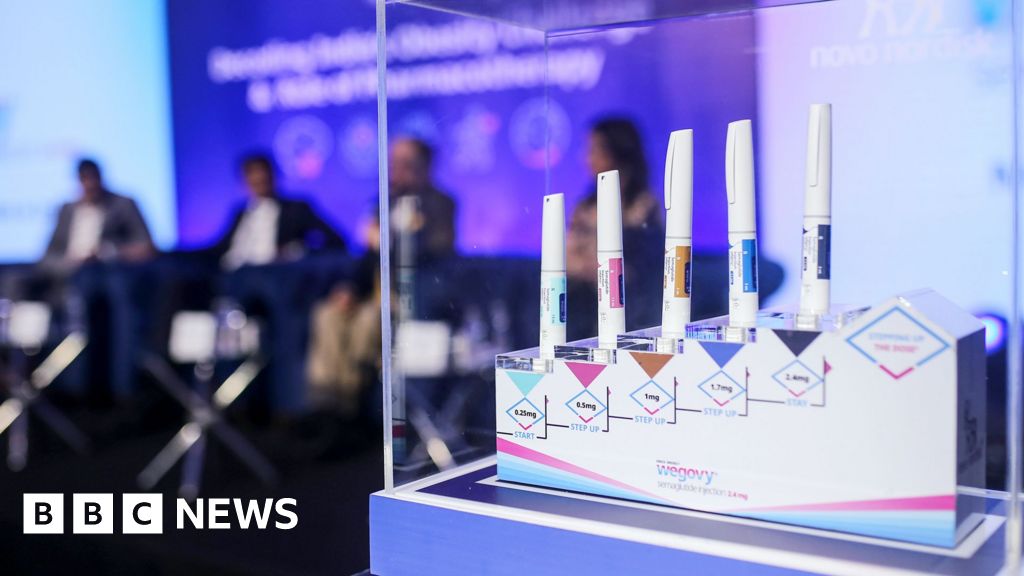
India’s affordable weight-loss meds set to shake up the global fight against obesity

The expiration of India’s semaglutide patent on 20 March marks a pivotal moment for the global pharmaceutical industry, setting the stage for a significant shift in the landscape of diabetes treatment. With an estimated around 50 branded generics expected to flood the market, this development is poised to dramatically alter access, affordability, and competitive dynamics worldwide. India, often termed the “pharmacy of the developing world,” is leveraging this opportunity to challenge existing monopolies, potentially democratizing a vital healthcare resource on a scale rarely seen before.

International analysts and health economists widely recognize the geopolitical significance of this event. Historically, the pricing and patent protections of lifesaving drugs have been a battleground between multinational corporations and emerging market players. The impending influx of generics from India not only threatens the dominance of global pharmaceutical giants, but it also exposes underlying vulnerabilities in the current intellectual property regime. According to reports from the World Health Organization and several industry experts, this act could accelerate a broader movement towards de-linking innovation from profit, encouraging the rise of local manufacturing and reducing dependency on Western patent protections.

This seismic shift bears profound implications for geopolitical alliances and economic power balances. Countries with high diabetes prevalence — including the United States, China, and many African nations — are likely to feel the ripple effects most acutely. As generic options become more accessible and affordable, pressure mounts on governments and insurance providers to revise healthcare policies. The move is also seen by many as a challenge to US-led intellectual property standards, which have long been criticized by developing nations for restraining access to essential medicines. In this context, India’s decisive action signals a potential recalibration of global norms regarding pharmaceutical sovereignty and innovation.

Historians and international strategy analysts note that the turning point marked by this patent expiry could serve as a catalyst for broader reforms. The Gavi alliance and other global health bodies are closely monitoring the situation, warning that if managed effectively, it could lead to a model for reducing healthcare inequality. However, critics caution that this development also carries risks—namely, the quality control of rapidly produced generics and the potential for intellectual property disputes escalating into legal conflicts. As the world watches, the question remains: Will this shift empower societies by making vital medicines accessible, or will it ignite a new battleground of international patent conflicts?

The unfolding story of India’s semaglutide patent expiration is not merely about pharmaceuticals; it is a chapter in the larger narrative of global *power, control, and health equity*. As markets brace for transformation and nations reassess their strategies, history continues its slow but relentless march. In the shadows of these pivotal decisions, the world stands on the brink of a new era—one where the future of healthcare could be rewritten, and the lessons of today will echo through generations yet unborn.
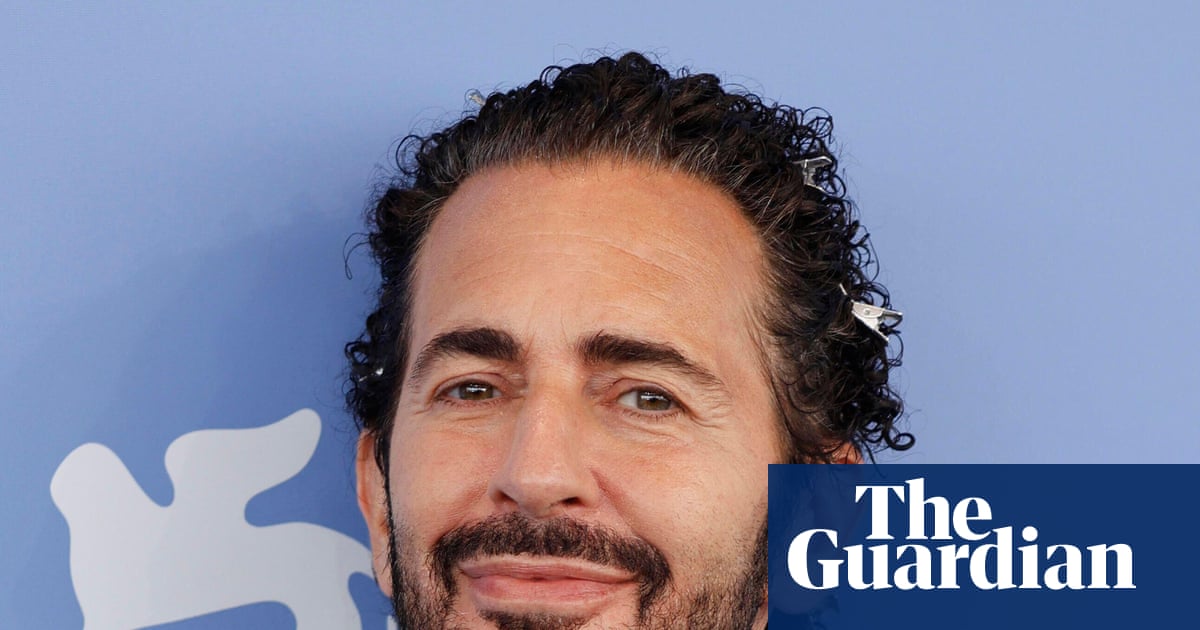
Social media and weight loss meds fuel UK surge in male and 40s facelifts—why more young guys are chasing the trend

In recent years, a quiet revolution has taken hold among the young and the ambitious: facelifts are no longer the exclusive domain of Hollywood starlets or aging celebrities. Society’s shifting standards of beauty, combined with radical innovations in surgical techniques, have made cosmetic procedures more accessible and appealing to a broader demographic. According to the British Association of Aesthetic Plastic Surgeons, the number of facelifts performed in the UK has swollen by 8% in 2024, with a striking 26% increase among men alone. This trend signals not just a superficial obsession with youth but a deeper cultural shift in how society perceives vitality, success, and self-confidence.

Experts such as Nora Nugent, president of Baaps, emphasize that the appeal of modern facelifts lies in their ability to deliver natural and durable results without the relentless maintenance that fillers demand. This quest for longevity and authenticity feeds into a broader societal narrative: the desire to age gracefully without surrendering to the ravages of time or societal pressure. With technological innovations like endoscopic “scarless” facelifts and multifactorial techniques targeting deeper facial structures, surgical options have become less invasive and more tailored to individual needs. These advancements not only enhance the aesthetic outcomes but also bolster the social acceptability of getting cosmetic procedures—transforming what was once taboo into a normative lifestyle choice.

However, beneath the surface of this trend lies a more complex social narrative. As psychologist Helena Lewis-Smith points out, “appearance pressure in society has never been stronger”. Public figures like Kris Jenner, who openly speak about aging and cosmetic enhancements, serve as influential role models that normalize procedures. The messaging resonates especially with the younger generation, who are racking up surgical stats at an unprecedented rate. Importantly, this phenomenon isn’t solely about vanity; many view these procedures as a form of self-care, resilience, and societal capital. Yet, critics express concern about the risks—scarring, nerve damage, and the misconception that these surgeries are risk-free or quick fixes. Medical professionals warn that facelifts, while increasingly refined, remain major surgeries requiring psychological assessments and a commitment to long-term health.

On a social level, the normalization of cosmetic procedures raises pertinent questions about the future of youth culture, societal standards of beauty, and the commodification of self-image. The rise of weight loss drugs like Ozempic has added another layer to this dynamic—rapid fat loss often leaves faces looking gaunt, prompting a surge in both facial and body contouring surgeries. Is this relentless pursuit of perfection creating a new form of societal discontent or merely empowering individuals to take control of their appearance? As social media amplifies this conversation, the next big question becomes: are we witnessing the emergence of a society where leaving aging behind becomes less an aspiration and more a cultural mandate?

Social Media Auto Publish Powered By : XYZScripts.com



