
Matox News

Truth Over Trends, always!

Russia’s Mega Missile Showdown: Powerful But Crashing on the Frontlines

In a landscape marked by rapid technological advancements, Russia’s recent missile tests reveal a nation still striving to modernize its nuclear arsenal amidst ongoing geopolitical tensions. Despite signals from Moscow that the Sarmat intercontinental ballistic missile (ICBM) would soon be operational, recent failures cast doubt on its readiness, illustrating the broader challenges faced by Russia in maintaining a credible nuclear force. This development signals a significant industry disruption within Russia’s defense sector, where modernization efforts have stalled and technological hurdles have hampered deployment timelines. Meanwhile, the US continues to monitor with precision, emphasizing the importance of surveillance and strategic advantage.

Russia’s strategic missile program, once considered a centerpiece in its military doctrine, now faces setbacks that could impact global stability. The Sarmat missile, capable of carrying multiple warheads and targeting distant adversaries, was heralded as a game-changer in nuclear deterrence. However, recent test failures—despite high-profile declarations from President Vladimir Putin—underscore the risks of overreliance on aging technology and ambitious claims. As noted by military analysts at MIT and defense think tanks, this persistent technical lag leaves Russia’s nuclear deterrent vulnerable, which could prompt shifts in global strategic calculations. Concurrently, Moscow’s emphasis on replenishing assets essential to the Ukraine conflict has diverted resources from nuclear modernization, illustrating a prioritization of conventional forces over strategic deterrence. Notably, the scheduled test of the shorter-range Yars missile demonstrates Russia’s ongoing efforts to maintain a layered nuclear posture, but confidence in these systems remains fragile amid repeated failures. Russia’s internal debate about the efficacy of its arsenal reflects a broader trend among key military powers—where innovation is often outpaced by geopolitical ambitions and budgetary constraints.

The implications for business and innovation in the defense industry are profound. As nations like the United States utilize advanced surveillance platforms such as the RC-135S Cobra Ball—equipped with optical and electronic sensors—to monitor missile tests, private defense contractors and government agencies face mounting pressure to accelerate technological breakthroughs. Indeed, the rise of artificial intelligence, machine learning, and next-generation sensors are reshaping how strategic assets are tested, validated, and deployed. Private sector innovators and established defense giants are now competing in a high-stakes race to develop systems capable of ensuring missile accuracy, stealth, and rapid deployment—areas that are becoming central in the era of disruptive military technology.

Looking ahead, the future trajectory of nuclear modernization remains uncertain. While Russia’s failure to bring the Sarmat into operational readiness underscores the fragility of current military technology, it also emphasizes the increasing importance of innovation that can disrupt traditional deterrence models. Leading experts, including those from Gartner and the Belfer Center at Harvard, warn that the next decade will be critical as advanced hypersonic weapons, cyber capabilities, and AI-driven command systems redefine strategic stability. The lesson is clear: in the race for supremacy, businesses and governments must prioritize disruptive innovation to stay ahead of technological obsolescence. Otherwise, the risk is that defects in current arsenals could introduce unpredictable instability, forcing the world into an unpredictable future where technological primacy determines peace or conflict.
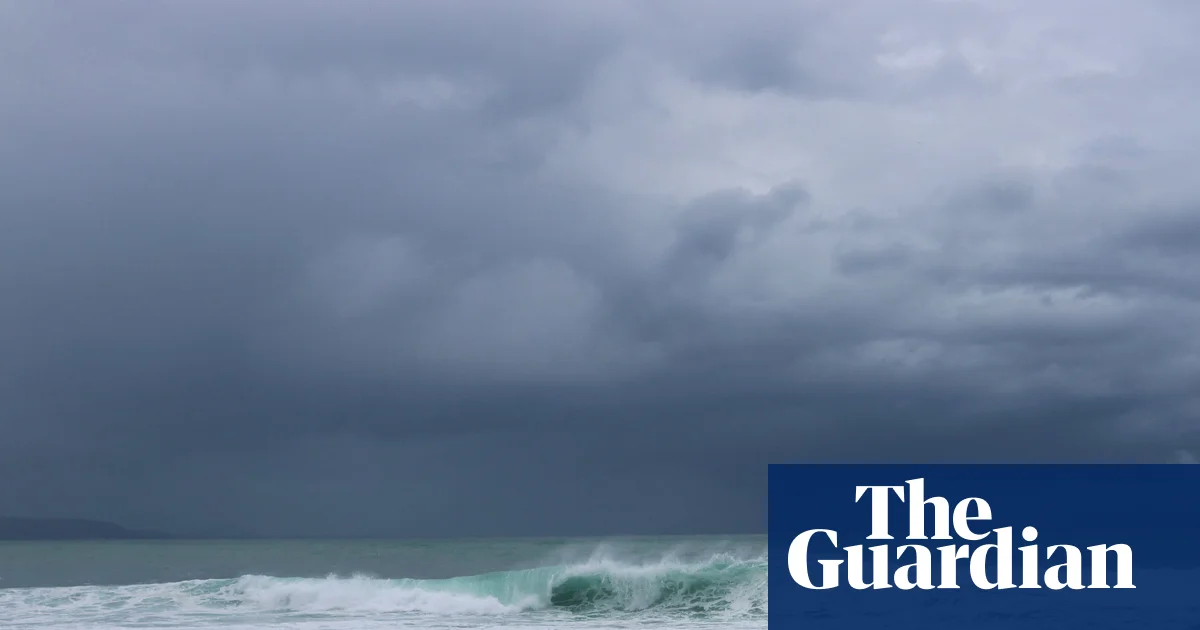
Jamaica Prepares for Mega Hurricane Melissa as Cat 5 Threatens the Island

As Hurricane Melissa rages through the Caribbean, expectations are mounting among international observers regarding its geopolitical impact. Originating off the coast of West Africa and rapidly intensifying into a formidable Category 4—and potentially Category 5—storm, Melissa’s trajectory toward Jamaica and Cuba highlights the region’s vulnerability to extreme weather. The forecasted winds of 160 mph could make Melissa the strongest hurricane in Jamaican history, surpassing the notorious 1988 Hurricane Gilbert. Such natural calamities serve as stark reminders that climate change, now a global issue, is manifesting in increasingly destructive forms—shaping not only environmental but also geopolitical realities.

Analysts from the United Nations and renowned climate experts warn that these natural disasters are more than just weather events—they act as catalysts for regional instability. Damage assessments forecast “extensive infrastructure damage, long-duration power and communication outages, and the potential for widespread flooding,” indicating that local governments with fragile economies and limited disaster preparedness could experience lasting socio-political upheaval. The economic costs associated with recovery may strain national budgets and divert resources from development priorities, fueling social unrest and international aid debates. As history shows, natural disasters often bring to light deeper systemic vulnerabilities that can ripple across international borders, impacting alliances, trade routes, and regional security.

The U.S. National Hurricane Center has issued cautionary warnings about the storm’s potential for “life-threatening flash floods, storm surges, and landslides,” emphasizing the risk of logistical collapse in affected nations. Meanwhile, in a distinct yet equally alarming development, reports from New Zealand highlight that severe weather remains a global phenomenon, with recent storms demolishing critical infrastructure—roofs torn from buildings, power outages affecting 90,000 homes, and transportation disruptions across the nation. These events have underscored the unpredictability of natural threats in a world increasingly interconnected, emphasizing that no part of the globe is immune to the larger repercussions of climate volatility.

International organizations, including the World Meteorological Organization, warn that the frequency and strength of such storms are likely to increase unless global policy shifts significantly. When climate policies are sidelined in favor of short-term economic gains from fossil fuels, the consequences become starkly visible on the geopolitical stage. The tension is palpable: nations are forced to choose between economic growth and climate resilience, with many vulnerable states suffering the brunt of these decisions. As historians and analysts observe, these crises will most likely leave a lasting mark on the geopolitical landscape, forcing the world to confront uncomfortable truths about the costs of inaction.

As the storm’s fury nears landfall, and while other nations grapple with their own climate-induced calamities, the weight of history continues to unfold. The decisions made in the coming days—regarding disaster response, climate policy, and international cooperation—will shape a new chapter in a world where natural disasters no longer remain isolated events but are central to the ongoing contest of power and survival. The question remains: in this rapidly changing climate, who will lead the charge for resilience, and who will be left to confront the storm’s aftermath in silence?

Social Media Auto Publish Powered By : XYZScripts.com



