Matox News

Truth Over Trends, always!

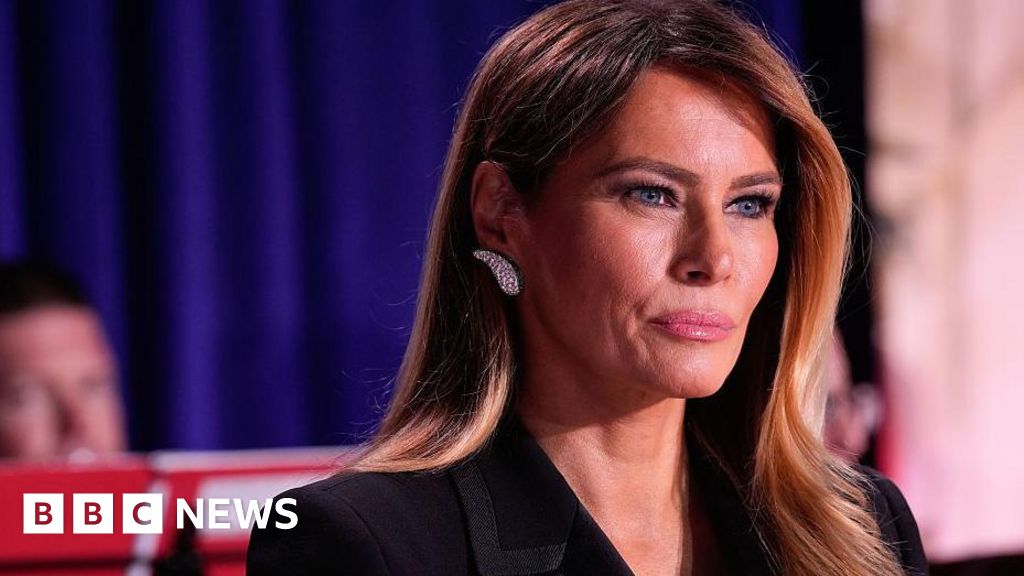
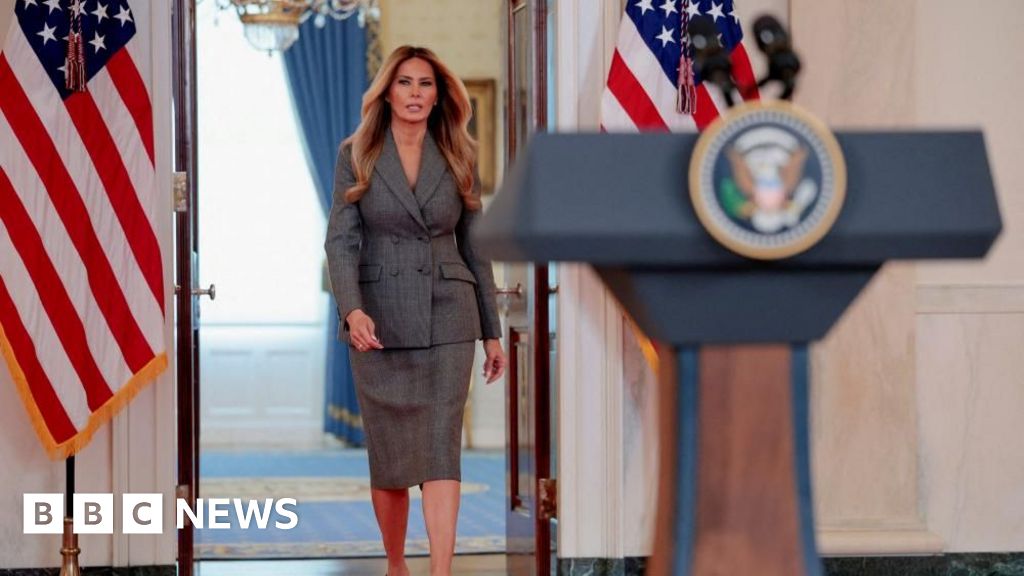
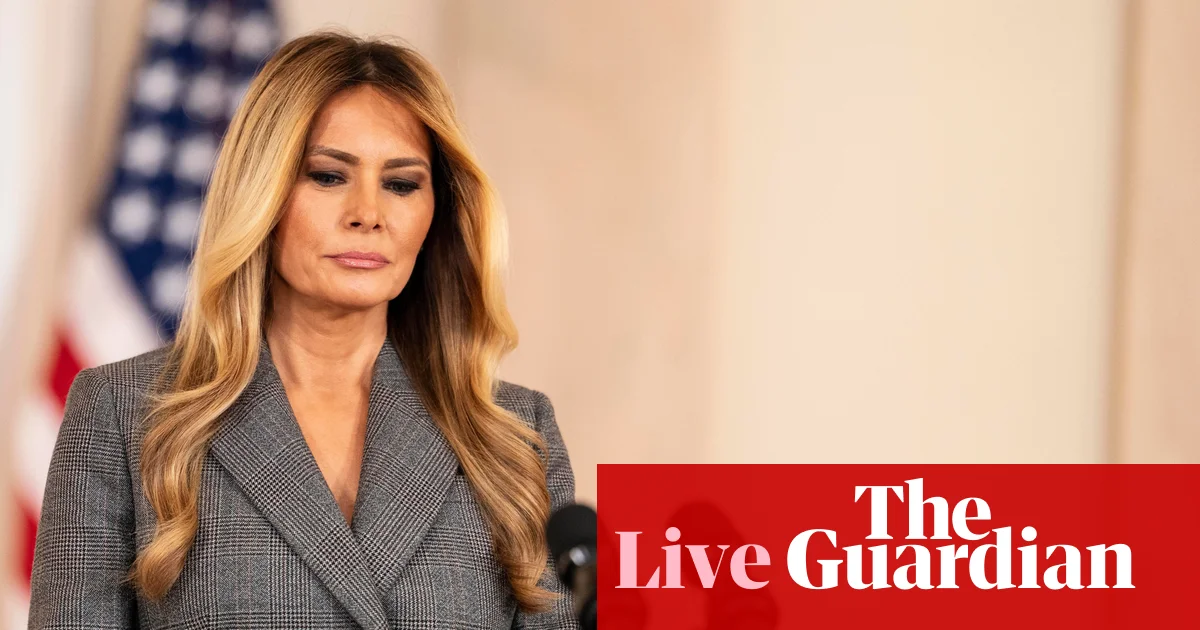
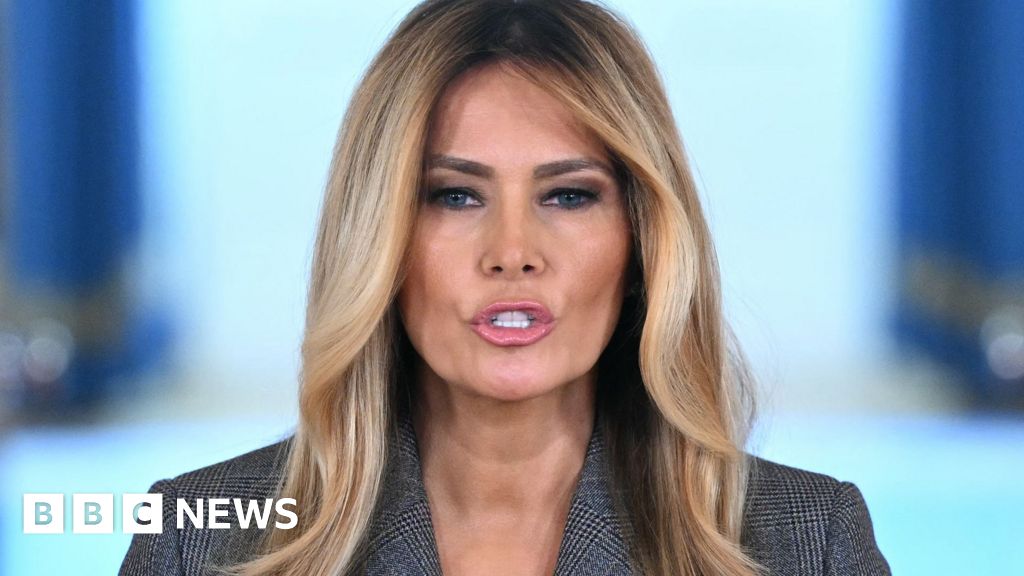
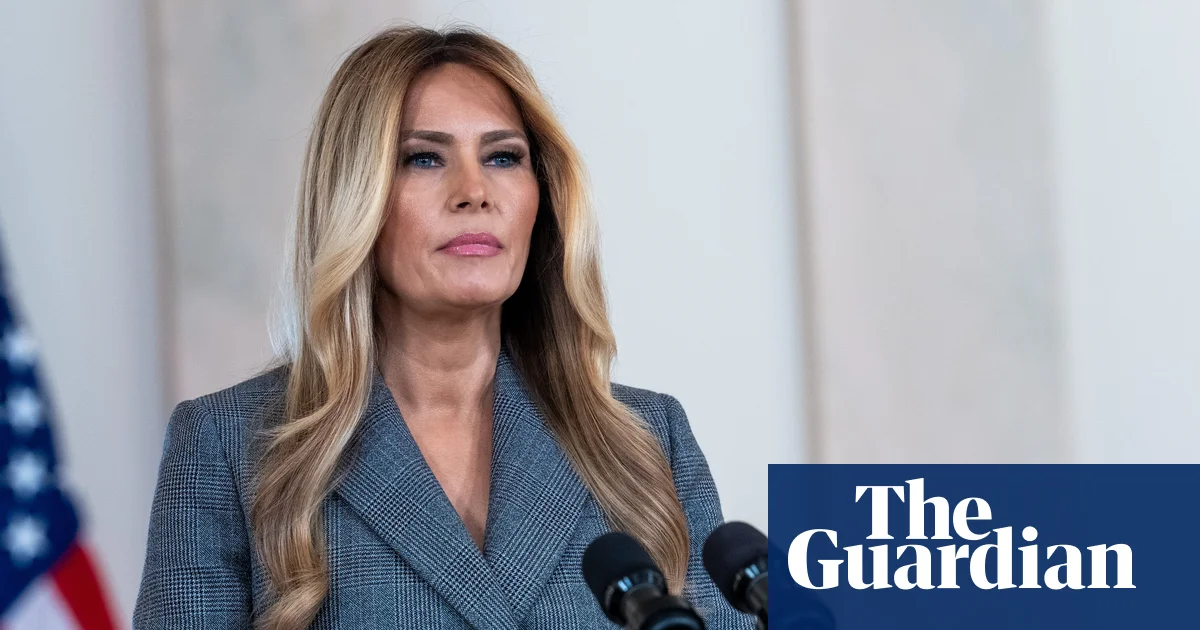
Melania Trump’s Speech Resurrects Epstein Scandal in Spotlight

In recent developments that underscore the growing tensions between governmental authority and independent judicial processes, a prominent figure has deliberately inserted herself into the highly sensitive Epstein investigation. This move places her at odds with the administration, which appears determined to conclude the inquiry swiftly, perhaps to sideline potential revelations. Such interference signals a critical juncture in the struggle over control of the narrative surrounding high-profile misconduct cases, with profound implications for global geopolitics and social trust.

Analyzing this development through the lens of international relations, many experts argue that actions aimed at obstructing or politicizing investigations are not isolated incidents but part of a broader pattern that affects nation-states and international institutions. According to the United Nations Human Rights Council and respected geopolitical analysts, the erosion of judicial independence weakens the foundational pillars of open societies. When individuals in influential positions politicize legal proceedings, the global credibility of justice systems diminishes, opening pathways for corruption and abuse of power. In this context, the current audit of the Epstein saga could serve as a litmus test for the resilience of democratic norms at a time when many nations face rising populist sentiments and authoritarian tendencies.

Bringing the debate into a historical and strategic perspective, many observers point to past incidents where political interference in criminal investigations precipitated international crises. As noted by historian Dr. Margaret Stevens, in her recent analysis, such cases often lead to diplomatic strains, including sanctions, espionage accusations, and breakdowns in bilateral relations. The U.S. government’s efforts to shut down inquiries into powerful elites—allegedly connected to the Epstein case—highlight the delicate balancing act between transparency and political stability. These decisions not only influence public societal trust but also reverberate across the interconnected web of global alliances and adversarial blocs.

Indeed, the geopolitical impact of this controversy extends beyond domestic policy. If the suppression of investigative efforts continues, it risks emboldening other authoritarian-leaning regimes that seek to justify their own manipulations of justice for political expediency. As international watchdogs warn, such actions threaten to dilute the rule of law and promote a more opaque, less accountable world order. The stakes are high—history is watching—and how nations and leaders respond now will greatly influence the future of democratic governance. The weight of scrutiny falls on the shoulders of those with the power to shape the course of justice, and the world waits to see if integrity will prevail over deceit.

Epstein survivors hit back at Melania Trump’s unexpected remarks—US political drama heats up

Global Geopolitics in Flux: The Power Struggles and International Turning Points of 2026

As the world enters a tumultuous year, a series of high-stakes developments across the globe underscore how pivotal decisions made today will shape the geopolitical landscape for decades to come. From contentious diplomatic negotiations and ideological conflicts to economic upheavals fueled by war, nations are confronting crises that threaten stability and order. The shifting alliances, tense negotiations, and regional tensions highlight the fragile balance of power, with emerging narratives that could rewrite the history books.

In the Middle East, diplomacy is at a crossroads. Israel and Lebanon, two historically adversarial neighbors, are preparing for a first round of talks brokered in Washington. These discussions, primarily aimed at disarming Hezbollah and establishing peace, are complicated by Lebanon’s demand for a ceasefire prior to negotiations, a demand that reflects ongoing Israeli bombardments. The involvement of international mediators, including Yechiel Leiter and Nada Hamadeh Moawad, signals a renewed effort to contain regional escalation. However, with Iran’s role as a key influencer in Lebanon and Israel’s persistent military posturing, the U.S.-led talks serve as a reminder of the inherently volatile nature of Middle East geopolitics. Such negotiations, though lauded as steps toward peace, carry the risk of further destabilization if demands are unmet or if military action resumes.

Meanwhile, in Washington, internal political battles unfold amid rising economic tensions. The latest consumer price index (CPI) reveals a surge in inflation—3.3% over the past year— fueled largely by the ongoing war on Iran and soaring energy prices. Senior Democratic leaders like Elizabeth Warren and Chuck Schumer condemn the Trump administration’s approach, linking aggressive foreign policy shifts to economic destabilization at home. This economic unrest, analysts warn, reflects a broader trend: global conflicts increasingly imperil not only regional stability but also the economic fabric of superpowers. The potential for widespread inflation and market instability raises questions about the resilience of Western economies and the strategic priorities shaping U.S. foreign policy.

Adding to the global theater, Iran remains a focal point of tension. President Donald Trump has publicly declared that Iran’s regime “has no cards” and only survives by virtue of negotiations that favor the U.S. interests. As diplomatic talks in Pakistan loom, Trump’s comments on loading warships with unprecedented firepower underscore a readiness to escalate military confrontations if diplomacy fails. The threat—paired with Iran’s diplomatic ambiguity—illustrates how military threats and negotiations are entwined in a complex dance of power and deterrence. The potential for miscalculation remains high, with regional destabilization possibly igniting wider conflict, as seasoned military analysts warn that a single misstep could spiral into a larger regional war.

On the spiritual front, voices like Pope Leo caution against the destructive power of militarism, preaching that “God does not bless any conflict” and emphasizing dialogue over violence. This spiritual call echoes across religious and secular spheres, highlighting the moral dilemmas inherent in how nations pursue power. As conflicts ripple and alliances shift, the world is increasingly urged to reflect on the true cost of war. The clash of military, diplomatic, and moral imperatives creates a fog of uncertainty, where the future of peace remains precariously balanced against the relentless pursuit of national interests. As history continues to unfold, accumulating crises test the resolve of international institutions and the moral fabric of civilization itself, reminding us that the next chapter remains unwritten—fraught with peril, yet also filled with the possibility for redemption or catastrophe.

Survivors blast Melania Trump for “shifting blame” in Epstein abuse case

In the realm of international geopolitics, few scandals have cast as long a shadow as the Jeffrey Epstein case, revealing deep fissures within United States political and social institutions. Recent events underscore the delicate balance between national sovereignty, justice, and the influence of powerful elites. As survivors of Epstein’s heinous crimes continue to demand accountability, their stories threaten to unravel the carefully curated narratives maintained by factions within the US government. The controversy surrounding how the Biden administration handles these revelations is seen as a critical test of its commitment to justice and transparency, with potential ripple effects on US diplomatic relations and global perceptions of American governance.

Amidst this turmoil, the White House has faced mounting pressure to release the remaining Epstein Files—a move that many analysts, including leading international watchdogs and legal experts, argue is vital for restoring trust in American institutions. However, key figures like Pam Bondi, who has refused to comply with congressional subpoenas, exemplify a broader pattern of protectionism for the powerful, which critics say undermines the very foundations of rule of law. These actions do not merely impact domestic politics; they send disturbing signals to allies and adversaries alike that the US may be retreating from its moral obligations in the face of elite corruption. Historically, such internal conflicts have exposed vulnerabilities that external actors—China, Russia, and Iran—are quick to exploit, viewing these scandals as signs of American decadence and decay.

Meanwhile, international pressure intensifies as survivors, human rights advocates, and foreign policymakers urge the US to prioritize accountability and justice. The International Criminal Court and United Nations have weighed in, emphasizing the importance of safeguarding victims and ensuring transparency in the investigation process. Yet, there remains a palpable disconnect between official US actions and the expectations of an increasingly globalized world that demands honesty and reform. Historians warn that, much like previous internal crises—such as Watergate or the Iran-Contra scandal—these revelations could mark a pivotal point in America’s moral trajectory. If the US fails to address these internal malpractices decisively and transparently, it risks further erosion of its credibility abroad, empowering rivals to challenge its global leadership.

As the story continues to unfold, the echoes of this scandal threaten to redefine the geopolitical landscape. The public’s focus on elite impunity and the US government’s response will shape perceptions of strength or weakness in a world where nations now vie for influence through a complex web of alliances, conflicts, and economic rivalries. The survivors’ voices serve as a sobering reminder of how internal crises can act as catalysts for global recalibration: powerful states watching with keen interest because, in truth, the underlying fractures within America’s moral fabric represent more than domestic turmoil—they are, whether recognized or not, a challenge to the order of the international system. As history waits in the wings, ready to record the decisions of today, the question remains: will the US confront its crises with conviction, or will it allow the shadows of the past to consume its future? All eyes are now on a nation whose choices in these defining moments will resonate through generations and across continents, leaving a legacy whose true measure is yet to be written.

Melania Trump Denies Epstein Links, Calls for Survivor Hearings

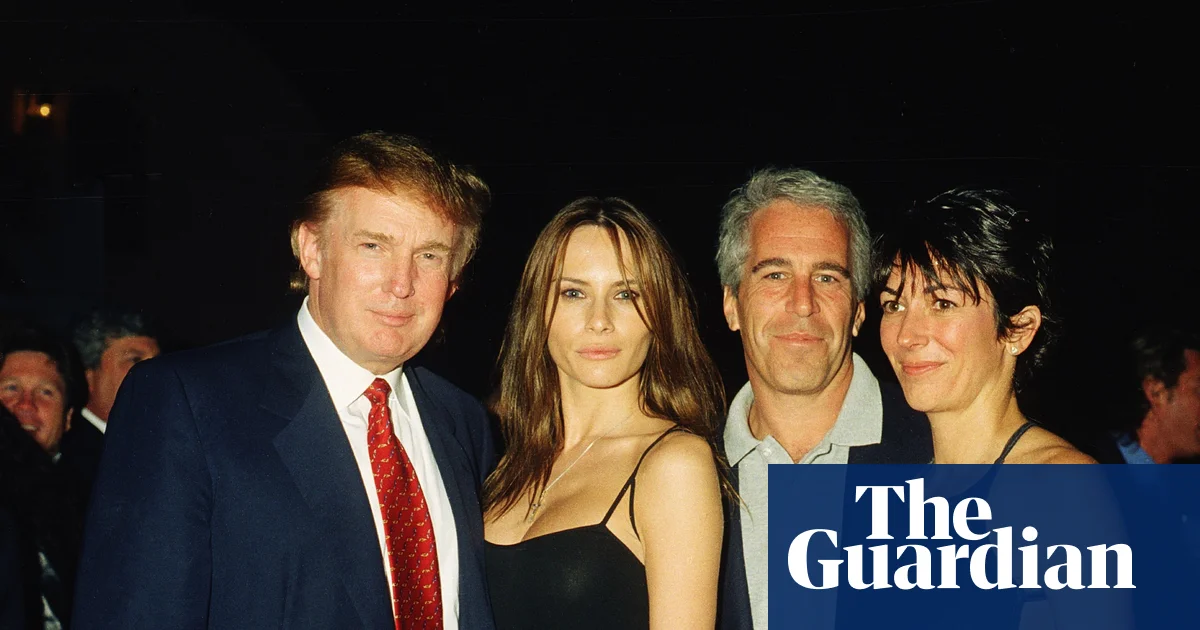
In an era where international stability hinges on the transparency and integrity of influential individuals, recent statements have reignited concerns over the web of political and social ramifications stemming from allegations and associations involving prominent figures. U.S. President Donald Trump has once again found himself at the center of controversy, as reports surface regarding claims made by a key figure denying allegations of malicious intent and attempting to clear her reputation. The individual in question dismissed rumors suggesting her association with Jeffrey Epstein, a convicted sex offender linked to numerous high-profile personalities, as mean-spirited attempts to defame my reputation. Such assertions highlight the persistent difficulty of disentangling personal misconduct allegations from broader geopolitical narratives.

Analysts emphasize that these developments underscore the fragile interplay between domestic politics, global perceptions of justice, and the influence of social media on shaping public opinion. The statement, which seeks to dismiss rumors about an alleged connection to Epstein and Trump, reflects the contentious atmosphere surrounding issues of accountability and reputation, especially when high-stakes international relations are intertwined with personal histories. Historians note that the 21st century has seen a sharp rise in the use of accusations—whether substantiated or not—as tools to undermine political adversaries or sway public sentiment. International organizations have warned that the ongoing revelations risk emboldening factions eager to destabilize political discourse, further complicating diplomatic efforts amid ongoing global crises.

From a geopolitical impact perspective, such revelations serve as a reminder of how personal associations of powerful figures can have ripple effects far beyond national borders. The decision of individuals to go public with accusations or denials influences the internal stability of their nations and impacts diplomatic relationships. Governments and intelligence agencies worldwide are closely monitoring these narratives, understanding that the slightest misstep or misinterpretation could escalate into wider conflicts. As international actors grapple with the fallout, how nations respond to allegations involving their leaders or citizens often mirrors their broader approach to transparency and rule of law. The delicate dance of diplomacy, especially amidst accusations of misconduct at the highest levels, illustrates the persistent vulnerability of global stability to domestic controversies.

As the story continues to unfold, it leaves a haunting reminder that history is ever in the making, waiting to record the next chapter of truth and deception, justice and scandal. The weight of untold stories, hidden agendas, and unspoken truths hangs over this unfolding drama, urging the international community to remain vigilant. In an interconnected world where the actions of a few ripple across continents, the choices made today will undoubtedly shape the geopolitical landscape for generations to come, forever etched into the chronicles of history, where truth is often the first casualty in the battle for power.

Melania Speaks Out on Epstein: Just a Little Too Defensive? | Melania Trump

International observers are watching with keen interest as the United States navigates a complex tableau of internal political fallout scattered across multiple crises. Central to this turbulence are recent events surrounding the Jeffrey Epstein scandal, which reignited last week with a startling public stance from Melania Trump. Her impassioned denial of any relationship with Epstein, coupled with calls for congressional hearings into survivor testimonies, signals a strategic move that could ripple well beyond American borders. As domestic political infighting intensifies, the broader geopolitical impact becomes increasingly palpable, affecting allied nations and global institutions concerned with stability and the rule of law.

Commentators and international watchdogs speculate that the Epstein revelations hold the potential to undermine the current administration’s credibility, especially as questions swirl around Donald Trump’s own associations and decisions.

  • The timing of Melania’s public stance, ahead of looming congressional hearings, raises questions about internal dissent within the administration and possible shifts in its political trajectory.
  • History suggests that scandals involving influential elites—particularly linked to elite circles and political power—can have far-reaching consequences for national security and diplomatic relations.
  • Some analysts argue this could open a window for opponents or foreign actors seeking to destabilize pre-existing U.S. alliances by exploiting internal division.

Prominent voices from academia and international organizations warn that these developments could reconfigure the landscape of international diplomacy. Experts like Dr. Helen R. Thomas, a geopolitical analyst, see the ongoing controversy as an example of how internal scandals may weaken America’s influence amid global competition. Meanwhile, the WHO and other multinational agencies remain watchful, noting that internal destabilization often emboldens autocrats and geopolitical adversaries, potentially derailing coordinated efforts on pressing international issues. The actions of U.S. lawmakers and the media will significantly influence how the world views American stability and reliability in the years to come.

As history continues to unfold with each disclosure, the weight of the moment remains heavy. The narrative that emerges in the coming weeks could either solidify a path toward accountability or accelerate a descent into chaos that rivals past geopolitical upheavals. What lies beneath these revelations may ultimately determine whether the United States can repair its fractured polity or fall victim to internal strife that spills over, shaking the foundations of the global order. The world watches, waiting for a pivotal turning point—a moment where history’s pen might finally be poised to rewrite the future, or perhaps, confirm its tragic fall into an epoch of turmoil and uncertainty.

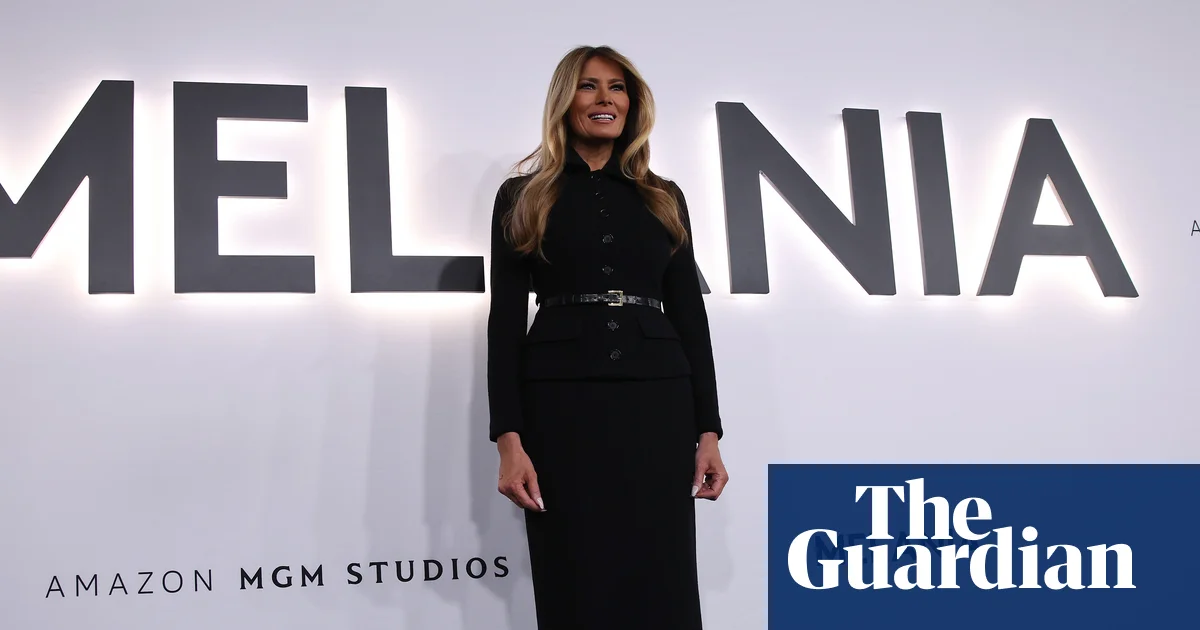
Melania Trump doc hits $7M in US, biggest debut in over 10 years

In a world increasingly shaped by the theatre of national identity and ideological loyalty, domestic cultural productions serve as more than mere entertainment—they are potent tools reflecting and reinforcing societal values aligned with political interests. The recent surge of the Melania Trump documentary, which garnered a record-breaking $7 million during its opening weekend, exemplifies this phenomenon. Despite critical panning, with reviews describing it as “dispiriting” and “propaganda,” the film’s success among conservative audiences underscores a deliberate strategy: leveraging media to bolster a political narrative rooted in patriotism, family, and Christianity, especially within the context of the upcoming 2025 re-election cycle.

Indicative of the broader geopolitical power struggles and their intersection with domestic politics, the production’s expansive budget—estimated at $75 million—raises questions about the motives behind lavish investments into politically charged content. Amazon, a global giant increasingly entangled in political crossfire, justifies its expenditure with an economic model targeting its vast subscriber base, circumventing traditional theatrical metrics. Notably, Amazon’s decision to promote the documentary worldwide, while sacrificing profitability for ideological influence, points to a strategic shift: private corporations and international media are becoming instruments of political and cultural agendas, with their economic decisions echoing across national borders.

Meanwhile, the controversy surrounding the film’s director, Brett Ratner, and his association with figures like Jeffrey Epstein, adds a layer of intrigue to this domestic spectacle. As ratified by international law and investigative outlets, the links between industry figures and scandalous figures of power highlight how elite networks operate behind the veneer of public culture. Analysts warn that such connections blur lines between influence, media, and political leverage. The narrative crafted in the documentary, echoing idealized visions of family and patriotism, can be perceived as an attempt to manipulate public sentiment—especially in key conservative regions—while shielding certain figures from accountability. This subtly shifts the geopolitical landscape by reinforcing societal divisions and emboldening factions aligned with traditionalist values, potentially impacting policy debates on national sovereignty and cultural identity.

Within this unfolding contest of narratives, history and international organizations warn of the dangerous implications of this cultural battleground. As historian Dr. Emily Carter notes, “When nations manipulate history and popular culture to serve political ends, they risk eroding the very foundation of democratic discourse,”. The strategic deployment of such documentaries signifies a conscious effort to sway public opinion, not just domestically but across international borders, especially in regions where ideological divides are widening. The ultimate toll of these decisions—whether it leads to increased societal polarization or the reassertion of certain power structures—will be written into the pages of history, reminding a global audience that the battleground of influence now extends beyond foreign policy into the realm of culture and information, where the lines between truth and propaganda are increasingly blurred.

Social Media Auto Publish Powered By : XYZScripts.com