Matox News

Truth Over Trends, always!

Is the Costume Institute Tough Enough to Thrive Beyond the Met Gala?

Redefining Luxury: The Met Gala’s Shift Toward Sustainability and Stability

The Metropolitan Museum of Art’s annual spectacle, the Gala that benefits the Costume Institute, has long been synonymous with opulence, celebrity, and high fashion. Yet behind its shimmering facade lies a strategic shift, driven by a desire for financial stability and ethical responsibility amid societal debates about wealth disparity. As most of the country faces economic uncertainty, the institution is quietly charting a new course—one that emphasizes long-term sustainability over the fleeting glamour of the red carpet.

According to Andrew Bolton, the curator in charge of the Costume Institute, the department has been diligently setting aside a portion of the gala’s proceeds into a quasi-endowment since 2016. This strategic move aims to create a financial buffer capable of supporting the Institute’s basic operations as early as 2028 or 2030, thereby reducing its past overreliance on the extravaganza. This transformation signals a broader recognition: although the Gala has played a pivotal role in funding the Institute’s blockbuster exhibitions, the mounting expenses and ethical questions surrounding the event necessitate a more resilient financial model.

From Glitz to Grounded Reality

While the Gala remains a marquee event—raising millions and fueling cultural conversations—it’s increasingly met with scrutiny. Critics point to the disparity between the luxury industry’s slower growth and the extravagance of the event—celebrity flights, designer gowns, and luxury sponsors. Many brands and attendees privately express concern about the costs involved, which include not only tickets but also the expense of hosting celebrities, securing accommodations, and participating in a spectacle that can overshadow the Institute’s core mission. The rising political and social activism around issues like police brutality, climate change, and worker rights has only amplified calls for the event’s reconsideration, or even its downsizing.

Despite these challenges, the spirit of the event endures. As fashion critic Vanessa Friedman observes, the allure of the celebrity spectacle persists because it fulfills a basic human need for recognition and inspiration. Yet, the shift toward sustainable support reflects an understanding that true legacy is built on stability. With the establishment of a dedicated endowment fund and ongoing fiscal discipline, the Costume Institute aims to secure its future without depending solely on a single, high-profile event.

Beyond the Glitter: Embracing the New Normal

The Met’s renewed focus on financial *self-sufficiency* is more than mere budgeting; it’s a reflection of larger cultural currents. As highlighted by Darren Walker of the Metropolitan Museum, few major museums operate on an unlimited influx of funds, and necessity breeds innovation. The new Condé Nast Galleries, inaugurated in the Great Hall, symbolize this shift—combining prestige with prudence—and stand as a testament to the institution’s adaptability.

  • Travel tip: Seek out local and emerging cultural institutions that prioritize sustainability and community support.
  • Lifestyle hack: Incorporate artful spending—investing in quality experiences and supporting responsible fashion and design brands.
  • Main takeaway: Embrace the principle that long-term stability often trumps short-term spectacle.

Ultimately, the story of the Met Gala is becoming one of thoughtful evolution—one that balances glamour with purpose. As the Costume Institute prepares for a future where its foundation is made more resilient, it invites all of us to view this cultural bridge as an allegory for modern life: a journey not just of style and spectacle, but of embracing sustainable aspirations. In this new era, the true elegance lies in cultivating a legacy of integrity—a lesson for all who seek to leave a meaningful mark upon the world.
Unearthing History: A Captivating Haunted Tour Through the Met Museum

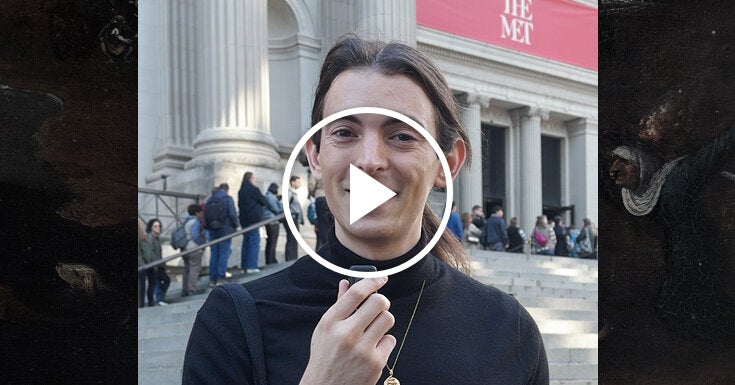
In a world increasingly shaped by fleeting trends and superficial diversions, the deep currents of cultural memory and tradition serve as our guiding constellations—reminding us that to understand ourselves, we must delve into the artifacts of our shared past. As Zachary Small and his team take us on a haunting tour through The Metropolitan Museum of Art—highlighting artworks that evoke fear, fascination, and the darker aspects of human nature—the significance of culture as both a reflection and a shaper of identity becomes unmistakable. It is through such visceral encounters with the artifacts of previous civilizations, with their sometimes grotesque or mysterious representations, that we come to see culture not merely as entertainment, but as the pulse of tradition and society.

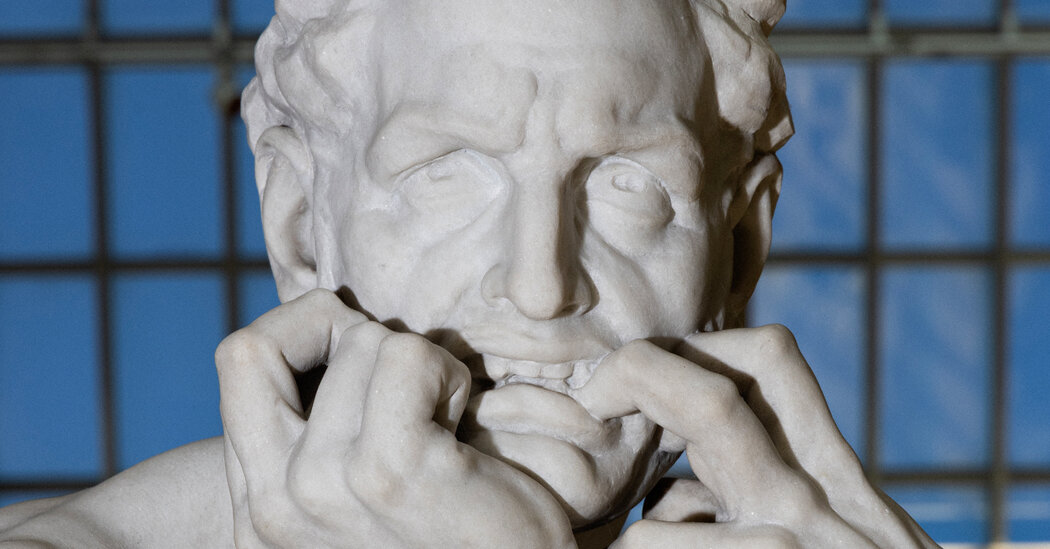
Indeed, the artworks featured—including a decapitation platter and a sculpture rumored to depict a cannibal—serve as visceral reminders of the moral and spiritual dilemmas that have haunted humanity across epochs. As the philosopher Ortega y Gasset might suggest, culture is the possession of a society’s collective memory—an ongoing dialogue with its own history. These artifacts, perhaps unsettling to modern sensibilities, anchor us in a worldview where the boundaries of morality, the fears of the unknown, and the boundaries of human capability are laid bare. Such nightmarish visions challenge us to reflect on our current society’s fragile veneer, revealing beneath it a tapestry woven with both beauty and terror, remembrance and prophecy.

Furthermore, in the context of a society often criticized for its loss of roots, these artworks stand as milestones of traditional expression—reminders that culture is integral to the formation of societal identity. As Tocqueville observed, democracy’s greatest challenge lies in maintaining a shared sense of cultural continuity—when the collective memory of the past diminishes, the community itself risks disintegration. Here, the arts become a bulwark against cultural amnesia, preserving essential facets of our moral and aesthetic identity. They forge a link between the past and the future, anchoring new generations in their inherited values while warning of the consequences of neglect.

In the final analysis, culture is both memory and prophecy. It acts as a mirror reflecting the deepest fears and aspirations of humanity, from the grotesque to the sublime. As T.S. Eliot famously remarked, “The past is never dead; it’s not even past.” Our cultural artifacts, whether frightening or beautiful, serve as silent orator—guiding us through the corridors of history and into the unknown future. In these haunted treasures of the museum, we find a silent promise: that understanding our cultural roots grants us the strength to shape tomorrow, to transcend mere survival, and to forge a society rooted in the resilient memory of what we once were and what we might yet become. Culture, in the end, remains our human prophecy—a testament to the enduring soul of mankind.

The Met’s Top 20 Most Provocative Artworks: Test Your Eye and Discover the Unseen

As the shadows lengthen and October’s chill sets in, the Metropolitan Museum of Art reveals a different face—a spectral gallery of the human psyche’s darkest corners. Traditionally regarded as a temple of aesthetic marvels—shimmering Impressionist landscapes, delicate kimonos, and marble gods—the museum during Halloween transforms into a haunted hall of echoes, where art acts as a mirror to mankind’s deepest anxieties. Here, with centuries of artworks ranging from ancient relics to modern horrors, we witness how culture is far more than mere decoration; it is the vessel carrying the profound stories of saints and sinners, myths and monsters, that define our identity and societal fabric.

Human history, as noted by thinkers like Tocqueville, is woven with the threads of shared symbols and collective memories—elements that affirm cohesion and continuity in the face of chaos. The artworks uncovered during this dark season serve as symbols of a universal truth: that culture, at its core, is both memoria and prophecy. The haunting images of medieval saints battling demonic forces or classical sculptures depicting menacing mythical beasts become more than relics—they become reflections of our own inner struggles and societal fears. As Chesterton argued, the true function of art is to reveal the moral order amidst disorder. These macabre masterpieces, in their spectral silence, uphold an unyielding vigilance, testifying to a civilization’s resilience against modern nihilism.

Philosophers like Ortega y Gasset have long emphasized that a society’s vitality depends on its cultural foundations. When the shift from tradition to chaos threatens our collective stability, it is art—especially the “haunted” works of the past—that anchors us. These artworks, echoing through the corridors of time, tell stories of moral daring, of the perennial struggle between good and evil, and remind us that our cultural inheritance is a sacred trust—an ongoing dialogue between memory and aspiration. The museum’s spectral turn during October becomes a reminder: that culture is neither static nor dead but a living, breathing entity infused with our collective hopes and fears, illuminating the path of human destiny.

So, as we wander through this labyrinth of shadows, let us remember that culture is both the memory of our ancestors and the prophecy of our future. In the ghostly silence of these haunted halls, art whispers that humanity’s greatest legacy is not merely what we create, but what we preserve—our moral compass, our shared stories, and our hope for coming dawn. Indeed, in contemplating these spectral artworks, we are invited to see ourselves anew—an eternal dialogue of the soul, where the echoes of the past forge the promise of tomorrow, and the memory of humanity’s darkness reveals the luminous potential of its light.

Social Media Auto Publish Powered By : XYZScripts.com