
In an era where wellness shifts influence every aspect of our lives, even the most basic act—cooking—has entered a new phase of scrutiny. Gone are the days when preparing a meal was a simple, worry-free task. Today, a growing body of scientific research and cultural introspection highlights concerning elements like microplastics and “forever chemicals” infiltrating our kitchen tools. Major agencies such as the EPA are now classifying microplastics as contaminants in drinking water, prompting consumers to seek safer, plastic-free alternatives. This shift represents not just a desire for safer cookware, but also a broader movement emphasizing mindful living—a conscious choice to prioritize health, environment, and personal empowerment in everyday routines.
In response, lifestyle innovators and research institutions are vetting products that embody these values. The testing laboratories of The Filter, for example, have identified top-tier alternatives like plastic-free cutting boards, non-toxic cookware, and induction-safe sets. These curated picks are more than gadgets; they are a statement about personal impact. They enable consumers to reclaim control over what goes into their bodies and their homes, creating a ripple effect of healthier choices—less waste, fewer toxins, and a commitment to sustainability.
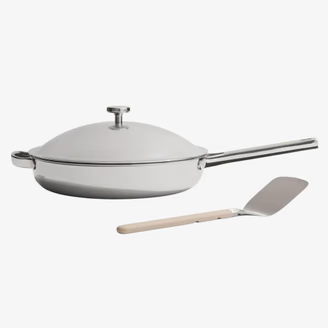
Leading the charge are brands like Our Place and Material Kitchen, offering innovative, microplastic-free kitchen tools built with safety and durability in mind. Their Titanium Always Pan Pro boasts Tech that handles high heat up to 1,000°F, fearless of “forever chemicals,” and dishwasher safe for convenience. Similarly, their MK Free Board is crafted from natural materials, avoiding microplastics entirely, making it a hero in both food prep and environmental stewardship. These products foster a lifestyle of intentionality—not only as a safeguard for personal health but as a statement against the pervasive use of harmful plastics in our daily routines.
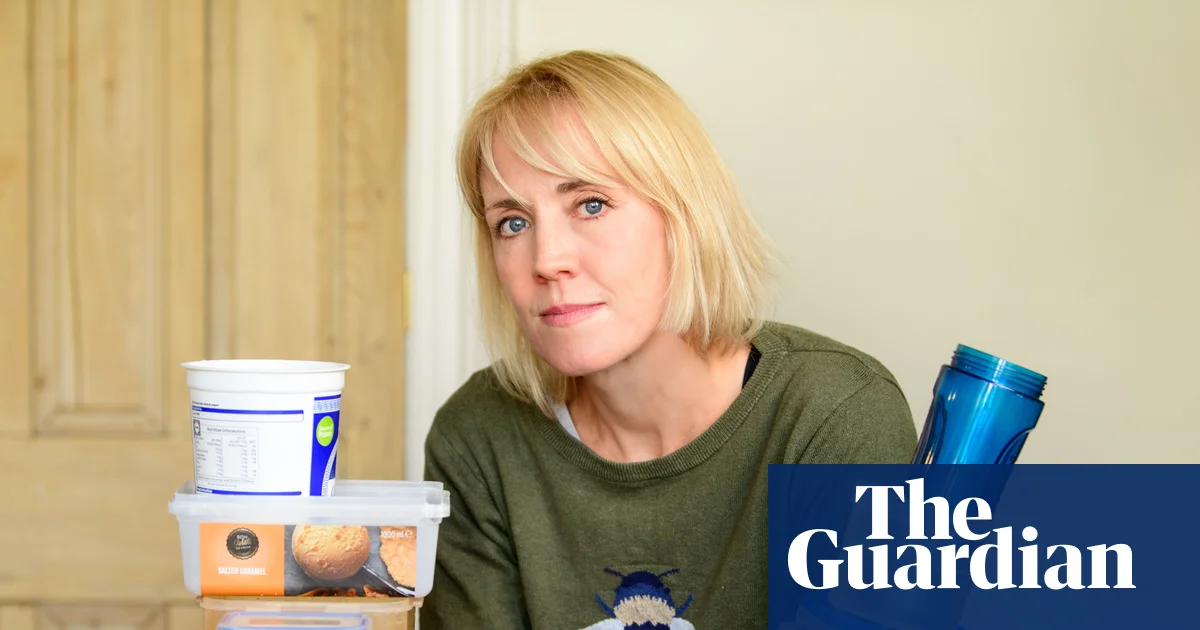
Wellness isn’t only about what you eat but what you use to prepare and store it. Practical hacks like adopting glass food storage containers, such as those from Anyday, are revolutionizing kitchen hygiene, safety, and waste reduction. Crafted from durable, safe glass, these containers are suitable for oven, microwave, and even air frying—cutting down on toxins and disposable plastics. Food writer Emily Farris notes how such products transform the way families contribute to a healthy planet and a healthier home. Pairing these with lightweight cast iron pans from Field Company and Japanese Tawashi brushes for cleaning reveals a trend: embracing long-lasting, non-toxic essentials that elevate daily life and reduce reliance on synthetic, chemical-filled alternatives.
Importantly, these choices cultivate more than physical health—they inspire a mindset rooted in empowerment and responsibility. As wellness pioneers like Dr. Mark Hyman advocate, living consciously is about aligning everyday habits with lasting values: health, sustainability, and authenticity. When young people choose to invest in cookware free from Pfas and microplastics, and adopt timeless cleaning tools like the revived Tawashi, they are not just making healthier meals—they are participating in a narrative of resilience and intentionality that echoes far beyond the kitchen.
Ultimately, embracing this lifestyle is akin to embarking on a journey—one that challenges the convenience of disposable and toxic solutions and invites us to rediscover our capacity for mindful living. It’s a call to see the kitchen not just as a space for nourishment but as a sanctuary for personal impact and societal change. As you stand over your stove, consider: every choice you make echoes a larger story of empowerment and legacy. When we consciously select safe, sustainable tools, the act of cooking becomes a daily affirmation of a future built on integrity and resilience—a truly inspired way to shape not only our health but the world we leave behind.