Matox News

Truth Over Trends, always!

UK’s Public Art Digitisation Hits 1 Million Entries — Just The Beginning

In recent years, the digital revolution has transformed the way societies engage with their cultural heritage. Art UK, a prominent charity dedicated to cataloging the UK’s vast array of artworks, recently announced it has reached a milestone of one million items in its online database. This extensive digital archive has expanded beyond traditional paintings to include sculptures, street murals, architecture drawings, and even crumpled pieces of paper—highlighting the *diversity and richness* of the nation’s artistic record. The initiative is more than just a technological feat; it is a societal act, democratizing access for young people, families, and communities who, once locked out of galleries, now carry access to the nation’s cultural memory in their pockets.

This expansive digital resource is particularly vital in **breaking down barriers** within education and community engagement. As sociologists like Dr. Laura H. S. García articulate, *”When access to the arts is broadened through online platforms, it fosters a sense of belonging and cultural understanding among youth, especially those from underrepresented communities.”* For many young people, such platforms ignite curiosity—driving them from screens to galleries and inspiring future creators. Yet, paradoxically, there is an ongoing crisis: the decimation of creative education in state schools. As Terrett emphasizes, *”Growing up in a small village with limited art resources made me value access. Sadly, today’s children face even more hurdles when it comes to creative learning.”* With arts programs sliced and funding reduced, the challenge remains to ensure that digital access complements, rather than replaces, hands-on engagement with art, to sustain the vital emotional and moral fabric that arts provide.

This digital shift isn’t just about preserving history; it fuels societal cohesion. Public art, once confined to galleries and urban spaces, is now *more accessible than ever*, allowing younger generations to engage with contemporary and historical narratives alike. The increased visibility fosters an understanding of **cultural identities** and shared history, fostering *a sense of community resilience*. Social commentators argue that this democratization can serve as a catalyst for social change, helping to address inequalities and give voice to marginalized groups. As historian Dr. Marcus Levinson notes, *”Society’s collective memory is our moral anchor; digital access ensures the stories of **families** and **communities** are not lost but become intertwined in the national consciousness.”* With art serving as societal mirror and moral compass, expanding its reach can inspire a generation increasingly aware of social issues—yet, it demands a concerted effort to embed art into everyday lives, especially amidst a climate of societal disconnection.

In closing, as society grapples with demographic shifts and the rapid pace of technological change, the vital question remains: how do we foster an inclusive environment where art nurtures hope and moral resilience? The digital archives like Art UK’s burgeoning collection symbolize a beacon of potential—a collective effort to bridge gaps, inspire dialogue, and rebuild a society where the arts serve as a foundation for moral clarity and human connection. As we navigate these societal waters, perhaps the true challenge lies not only in preserving art but in cultivating a society that recognizes and actively invests in the moral and emotional development of its youth. Only then can we move forward, hand in hand, into a future where creativity and community are not just ideals but lived realities—anchored in the shared hope that society’s true strength lies in its ability to transform challenges into opportunities for collective renewal.
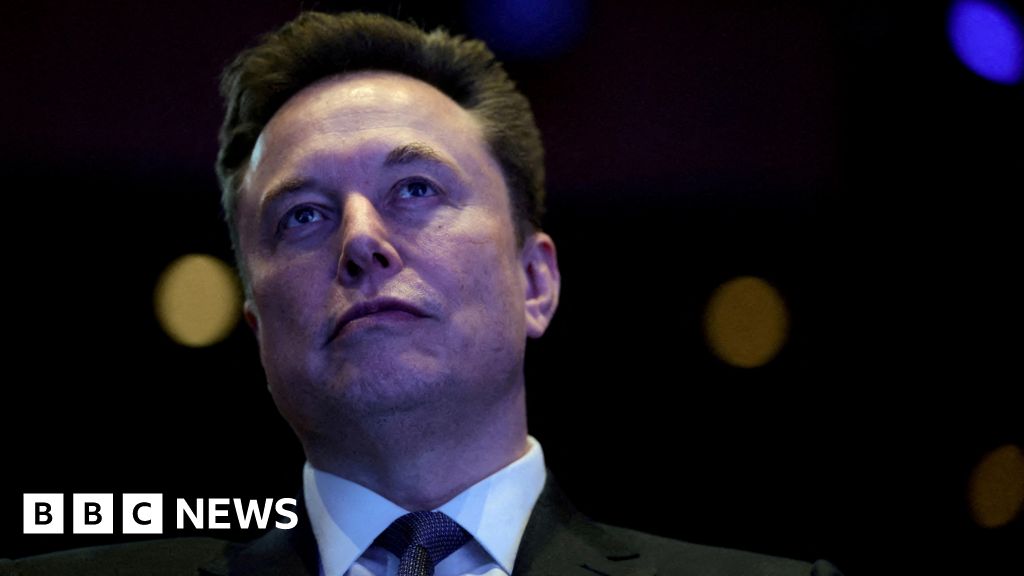
SpaceX Boss Musk Plans to Launch 1 Million Satellites, Boosting Space Infrastructure

In a bold move that signals the next frontier of technological advancement, a leading tech conglomerate has announced plans to establish a network of “orbital data centres” to serve the expanding demands of artificial intelligence. This initiative aims to harness the strategic potential of space-based infrastructure, marking a significant shift in how nations and corporations envisage data management, security, and technological sovereignty. As the world grapples with the rapid growth of AI, this plan raises fundamental questions about geopolitical influence, control over critical infrastructure, and the future of international cooperation.

The concept of orbital data centres is not merely a technological novelty; it represents a new layer in the complex web of global power dynamics. Experts suggest that such infrastructure could drastically reduce latency, enhance cybersecurity measures, and provide a more resilient backbone for AI applications worldwide. However, it also introduces unprecedented challenges for international stability. Analysts from institutions such as the International Telecommunications Union warn that the placement and regulation of orbital facilities could lead to conflicts over space sovereignty or create new battlegrounds for cyberwarfare. The endeavor effectively transforms space from a domain governed largely by national treaties into a contested arena where economic and strategic interests collide.

Historically, the development of space has been profoundly shaped by global treaties and mutual understanding, such as the 1967 Outer Space Treaty. Yet, many experts believe that new technological realities necessitate a reevaluation of these agreements. Countries like the United States, China, and Russia, with their extensive space programs, are carefully observing these developments for clues about future dominance. In this context, the initiative could exacerbate existing tensions, especially if the orbital data centres are seen as strategic assets with military as well as commercial potential. The possibility of space becoming a new battleground for influence and control is a scenario highlighted by numerous geopolitical analysts, emphasizing that decisions made today will echo through the corridors of global power for decades to come.

Influential voices in the international community warn that the drive toward orbital infrastructure coincides with a broader shift toward digital sovereignty and strategic independence. Global institutions such as the United Nations have begun discussions on establishing frameworks for space resource management, but progress remains tentative amidst competing national interests. As historians and geopolitical scholars note, today’s technological innovations often accelerate pre-existing conflicts rather than resolve them. The creation of orbital data centres, therefore, is not just about advancing AI but about how humanity chooses to govern its ascent into a new realm of possibility—one that could redefine the very fabric of international relations.

Ultimately, this development underscores a stark truth: the future of the digital age will no longer be confined solely to terrestrial borders. As nations scramble to stake their claims in space, humanity stands at a crossroads—faced with the opportunity to forge a new era of cooperation or to slip ever closer to an era of renewed conflict and division. The unfolding story of the orbital data centres will undoubtedly be inscribed in the history books, a testament to both human ingenuity and the enduring challenges of global governance in an era of rapid technological transformation. The weight of this moment lingers—a reminder that the decisions made today will shape our collective destiny, echoing through the vast darkness of space and into the corridors of history.”

One Million Ukrainian Homes Left in Darkness After Russian Attacks

Ukraine Under Siege: Russia’s Escalating Assaults and the Shifting Diplomatic Landscape

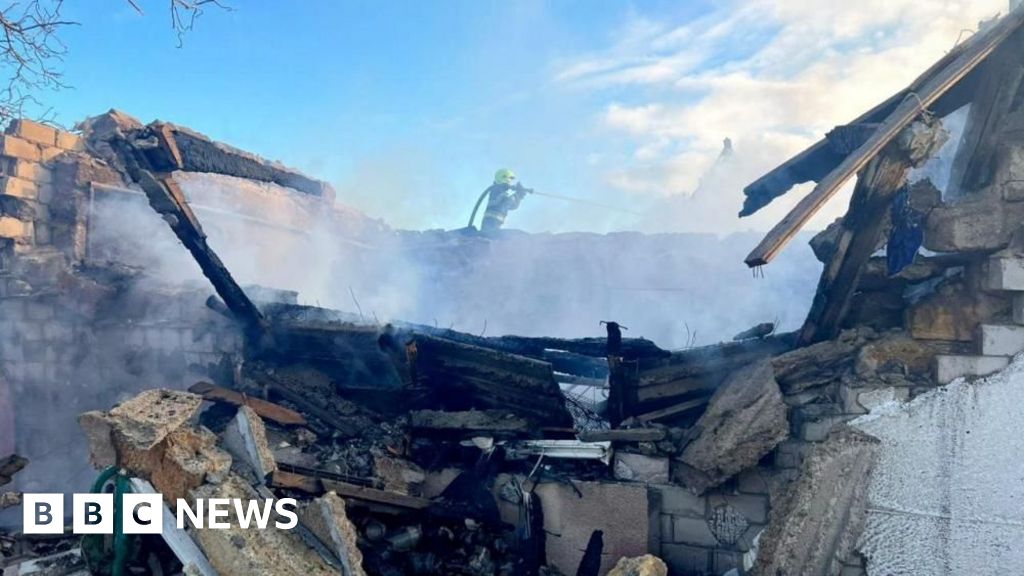
Amidst a relentless barrage of Russian missile and drone strikes, Ukraine faces an increasingly severe crisis that threatens to plunge the nation into further chaos and hardship. The Kyiv government reports that over more than a million households are now plunged into darkness as Moscow’s forces intensify attacks on critical energy and industrial infrastructure. This surge of aggression occurs just as winter sets in—a period historically linked with heightened suffering for civilians caught in the crossfire of this protracted conflict. The strikes, which Kyiv attributes to Russia, involved over 450 drones and 30 missiles in a single night, demonstrating Moscow’s intent to dismantle Ukraine’s ability to sustain itself. The regional damage is widespread, with Dnipropetrovsk, Kirovohrad, Mykolaiv, Odesa, and Chernihiv bearing the brunt of the assault.

While Russia has long targeted Ukraine’s energy grid, recent months have seen an unmistakable escalation as Moscow employs hypersonic Kinzhal missiles capable of changing course mid-flight, complicating Ukrainian defenses. The International Atomic Energy Agency (IAEA) reported that Ukraine’s Zaporizhzhia nuclear power plant, located within Russian-occupied territory, temporarily lost all offsite power—highlighting the war’s destabilizing impact on nuclear safety. The specter of nuclear catastrophe lurks behind these military operations, underscoring the high stakes for global security. Meanwhile, Russia reports casualties of its own, with regional governor Roman Busargin confirming two deaths from a drone strike on a residential building in Saratov, a reminder that the conflict continues to spill into Russian territory itself, igniting fears of an expanded front.

Diplomatic Efforts and the Fragile Road to Peace

Despite ongoing violence, diplomatic activity is intensifying in Europe and the United States. Steve Witkoff, Washington’s envoy leading efforts to mediate peace, plans to meet with Ukrainian President Volodymyr Zelensky and European officials in Berlin. The goal is to forge a new peace accord before Christmas—a deadline that reflects both the urgency and the impatience of Western capitals eager to bring an end to this destructive war. The upcoming Berlin talks are expected to include senior European leaders such as French President Emmanuel Macron and German Chancellor Friedrich Merz, signaling a united front within the Euroworld despite recent stirrings of discord.

However, persistent obstacles loom large. Kyiv remains resolute on refusing to surrender territory in the Donbas, asserting that Moscow’s ambitions to fully occupy eastern Ukraine must be halted. The U.S. proposes a contentious plan—an eventual withdrawal of Ukrainian forces from contested regions, which Kyiv’s leadership cautiously questions, fearing it could open pathways for Russian expansion. President Zelensky has publicly expressed skepticism, warning, “What will restrain [Russia] from advancing? Or from infiltrating disguised as civilians?” Such doubts highlight the deep divide on how to secure enduring peace without sacrificing Ukraine’s sovereignty.

Financial and Geopolitical Repercussions on a Global Stage

Economic warfare continues to ramp up alongside military and political struggles. The European Union has frozen approximately £185 billion in Russian assets, aiming to channel these funds into Ukraine’s reconstruction and military efforts—an act condemned by Moscow as theft, with Russia threatening legal retaliation. As Kyiv faces a financial shortfall of nearly €135.7 billion over the next two years, the EU’s financial support becomes vital. Yet, the question persists whether these measures will be enough to deter Russia’s strategic aims or merely serve as symbolic gestures in a conflict where victory remains elusive.

Meanwhile, the debate over Ukraine’s membership in the EU has gained momentum. The latest peace plan underscores Ukraine’s desire to accelerate accession, possibly as soon as January 2027, a move supported by Brussels but fraught with challenges. Despite Ukraine’s application to join the EU in 2022, the path remains years long, with geopolitical analysts warning that swift integration could heighten tensions with Russia and provoke further escalation. The ongoing diplomatic dance reflects an international landscape in flux—one where history’s pen is poised to write the next chapter, with nations waiting and watching as the fragile hopes for peace hang in the balance. The struggle continues, and the world stands on the brink of a new era—one that history will judge through the lens of resilience, strategy, and unresolved conflicts still echoing across the continent.

Half a million flee as deadly Cambodia-Thailand border clashes escalate—urgent need for stability

The ThailandCambodia border dispute has spiraled into deadly conflict once again, with the fiercest clashes since a brief ceasefire in July. Over 500,000 civilians have been displaced, seeking refuge in evacuation centers amid ongoing hostilities that have claimed at least 20 lives and injured nearly 200 people. This escalation, confirmed by Cambodia’s defense ministry, involves the use of heavy weaponry, including airstrikes and artillery, with each side accusing the other of provocations and violations of international agreements. The region, long plagued by unresolved territorial disputes, now faces the prospect of a wider crisis that alarmed analysts and international observers alike.

Despite efforts by US President Donald Trump and regional organizations, such as ASEAN, which brokered a ceasefire just six weeks ago, hostilities persist. The thick fog of mistrust hangs heavily over the fragile peace process, especially after Thailand suspended the ceasefire last month following accusations that Cambodia had laid a landmine, an allegation denied by Phnom Penh. Political upheaval in Thailand further complicates diplomatic efforts; Prime Minister Anutin Charnvirakul announced on social media that he is “returning power to the people,” with a reported plan to dissolve Parliament and call for snap elections. Analysts warn that this move may be aimed at bolstering nationalist sentiments, possibly hardening Thailand’s stance on the border confrontations, thus making diplomatic resolution more elusive.

While international voices, including Pope Leo XIV, lament the humanitarian toll, regional and global powers remain cautious. According to historians and security analysts, the renewed clashes reflect a deeper layer of regional instability and the failure of longstanding diplomatic efforts. The collapse of the ceasefire and the resurgence of violence showcase how fragile peace remains in Southeast Asia’s geopolitical landscape. For developing nations embroiled in border disputes, such conflicts threaten not only territorial integrity but also societal cohesion, economic stability, and regional security. The international community’s role is crucial, but many have begun to question whether external mediation can truly succeed when entrenched nationalistic narratives and internal political unrest dominate the narrative.

As civilians endure the brutality of artillery exchanges and their communities are torn apart, history observes a pivotal chapter unfolding in real time. This conflict symbolizes how stubborn territorial disputes continue to shape the geopolitical sphere, with consequences reaching beyond Southeast Asia. The outcome remains uncertain, with the specter of wider regional escalation looming. As the world watches with alarm, the people of Thailand and Cambodia are caught in the crossfire of a struggle not only for land but for sovereignty and identity—an ongoing story where the threads of diplomacy, nationalism, and history are intertwined in a dangerous weave, destined to leave an indelible mark on the pages of history.

UK Youth Rejecting Waste: 168 Million Christmas Lights and Fast Tech Bottling Up Environmental Damage

Environmental Concerns and Geopolitical Implications of the Wasteful Christmas Season

As London citizens bid farewell to another festive season, recent findings by the non-profit group Material Focus reveal a troubling trend that extends beyond individual consumer habits. An estimated 168 million light-up Christmas items and “fast-tech” gifts have been discarded across the UK just in the past year. This staggering figure, extrapolated from survey data, underscores a significant waste problem that:not only strains environmental resources but also highlights a global issue of reckless consumerism in the face of climate crises and international waste management challenges.

The report indicates that Brits spent approximately £1.7 billion on holiday lighting, including 39 million sets of fairy lights, alongside millions of garlands, wreaths, snow globes, and animated figures. While these items symbolize the holiday spirit for many, their disposability raises questions about the long-term impacts on the environment. The problem is compounded by the way these items are powered—often non-recyclable batteries that, once improperly disposed of, can cause dangerous fires in bins and waste centers. The incident rate of battery-related fires has surged by **71%** over the past year, emphasizing how poor disposal practices can escalate into serious safety hazards and environmental damage.

This pattern of irresponsibility has broader **geopolitical impact**—particularly in regions where waste management infrastructure is inadequate or poorly enforced. International organizations like the United Nations warn that electronic waste is the fastest-growing waste stream globally. A separate study estimates that **1.1 billion** electrical items and **450 million** batteries are irresponsibly discarded each year worldwide, often ending up in developing nations where environmental standards are woefully lax. These practices not only threaten public health but also propagate a cycle of environmental degradation, contributing to climate change and destabilizing social structures. As global citizens, policymakers and governments must confront the environmental fallout of consumer culture and address the international flow of electronic waste.

Prominent analysts, such as environmental historian Dr. Jane Williams, argue that the disposable culture fostered during festive seasons is symptomatic of a broader societal tendency toward overconsumption. She emphasizes that *“unless nations implement strict recycling regulations and promote durable, repairable products, the mounting waste will continue to have devastating global consequences.”* The UK’s efforts to promote responsible disposal—via campaigns urging proper recycling of electricals and batteries—are a phase in a larger international uphill battle against waste proliferation. The call for local accountability echoes at the global level, where international treaties and agreements must evolve to combat the rising tide of **e-waste** and prevent environmental crises that threaten to destabilize both economies and societies.

As the world stands at this crossroads, with humanity grappling with both the tangible and intangible scars of consumer excess, history reminds us of the urgent need for systemic change. Decisions made now—regarding waste management, international cooperation, and individual responsibility—will echo for generations. The dark shadow of a planet burdened by discarded light-ups and fast tech becomes a stark symbol of how fleeting traditions can have lasting, irreversible consequences. The unfolding story of environmental neglect, driven by the consumerist urges of today’s holiday season, leaves us with a haunting question: will we choose to break free from the cycle of waste and forge a sustainable path, or will history remember this as the moment when recklessness tipped the scales beyond repair?

Nearly a million youth remain out of work or school, new stats reveal

The Rising Challenge of Youth Disconnection in Society

Recent statistics from the Office for National Statistics (ONS) reveal that nearly one in eight young people aged 16-24 in the UK—approximately 946,000 individuals—are classified as Neet: not in education, employment, or training. This figure, though marginally lower than previous quarters, remains alarmingly high, especially considering the cyclical trends that have persisted over the past decade. Historically, the Neet population surged to over a million during the aftermath of the 2008 financial crisis, emphasizing how economic downturns exacerbate social divide, impairing the fabric of families, communities, and social mobility.

This persistent demographic fracture disproportionately impacts communities across socio-economic spectra, yet it aligns strongly with moral and societal concerns. The majority—over 580,000—are classified as economically inactive, largely due to rising long-term sickness and mental health conditions. Cultural shifts, such as the increased awareness and diagnoses of mental health issues among youth—evidenced by nearly 20% of Neet individuals experiencing mental health challenges—highlight a pressing need to address the human toll of societal neglect. Social commentators warn that neglecting the root causes of youth disconnection risks perpetuating cycles of poverty, crime, and family instability, thereby threatening social cohesion and the future of generations.

Societal Impact: How Disconnection Disrupts Families and Communities

The ripple effects of youth unemployment and disengagement reach far beyond individual hardship, influencing family stability and community well-being. Families suffer when young members are deprived of meaningful opportunities to build independent lives. As sociologist Dr. Caroline Jackson notes, “Young people without access to stable employment or education often face fractured family dynamics, reduced self-esteem, and increased dependence on social services.” This phenomenon compounds social tensions, especially in communities already vulnerable to deprivation and disenfranchisement. Schools and local institutions are bearing the brunt of an increasing number of youth facing mental health crises, which hampers their ability to engage with learning and development, creating a cycle that becomes progressively difficult to break.

Efforts like the government’s recent “Youth Guarantee” scheme aim to mitigate these issues by providing guaranteed access to education, training, or paid work. However, critics argue that without addressing the underlying social and psychological barriers—such as mental health challenges and long-term social exclusion—such policies may fall short. Education experts warn that neglected youth are at risk of falling into a socio-economic abyss, eroding community strength and societal resilience.While initiatives like the Spear Programme are making strides in coaching young people, gathering empirical evidence suggests that more systemic approaches—including mental health support and targeted community engagement—are essential to reversing this trend.

Pathways to Societal Renewal and Hope

Addressing youth disconnection requires a multipronged strategy that combines economic opportunity with moral and social responsibility. The government’s plans for a “Youth Guarantee” and linked measures—such as mandatory work placements for long-term benefit claimants—represent steps toward fostering accountability and opportunity. Yet, social commentators emphasize that employers must embrace a more inclusive vision that values motivated, less-qualified young people, recognizing that potential often resides beyond academic credentials alone. The insights of sociologist Anthony Giddens remind us that “a society’s strength hinges on its ability to nurture hope and resilience among its youth—those who are destined to be the architects of its future.”

Ultimately, society faces a reflection: will we continue to observe the silent suffering of millions of young people trapped in a cycle of inactivity, or will we rally to forge pathways that empower them? The stories of Nathan and others like him evoke a future where hope is more than a word—it’s a collective mission. As communities, families, and institutions confront the challenges ahead, their resilience may yet seed a transformation—one that rekindles the promise of opportunity and restores the moral fabric of society for generations to come.

Ripley’s Unveiled as Winning Bidder for $12 Million Golden Toilet, Sparking Cultural Buzz

In an age where the boundary between art and spectacle blurs with every passing day, the story of Maurizio Cattelan’s America—a fully functional 18-karat gold toilet—epitomizes the tempestuous intersection of culture, commerce, and identity. Valued at over $12 million and shrouded in the mystique of theft, the work is more than a provocative homage to luxury; it is a mirror held up to our society’s obsession with material excess and superficial spectacle. Once installed in the Guggenheim, this opulent bidet—an ostentatious symbol of wealth—evoked both admiration and disdain, revealing how culture now often reflects the complexities and contradictions of the human condition.

Art critics and cultural philosophers interpret Cattelan’s creation as a cultural statement that challenges the sacredness of artistic and societal institutions. As T.S. Eliot noted, genuine culture acts as a memory and prophecy; it roots us in history while illuminating potential futures. The gold toilet, with its conspicuous luxury, compels society to confront the paradox of beauty and vanity, emblematic of a civilization increasingly preoccupied with the superficial. The theft from Blenheim Palace in 2019—an audacious act—only accentuates the dangerous allure of cultural symbols that question authority and value, echoing historical parallels of revolutionary upheaval and cultural critique.

  • In this context, the auction of the second version of the golden toilet—sold at Sotheby’s with a starting bid pegged to its actual gold weight—embodies the commodification of art, transforming cultural critique into a transaction.
  • The unveiling of the second piece, revealing its connection to a broader series crafted by Cattelan, invites us to reconsider the role of art as both a mirror to society and a marketplace commodity.
  • The involvement of Ripley’s Believe It or Not!, a cultural fixture known for celebrating oddities, underscores how modern spectacle often revels in blurring the boundaries between high art, entertainment, and societal commentary.

This saga, punctuated with theft, auction, and celebrity fascination, reflects a deeper truth: culture remains the vital fabric of societal identity—an inheritance and a prophecy intertwined. Philosophers like G.K. Chesterton argued that tradition, when understood rightly, is the living reflection of human continuity, not mere relics. Today’s cultural landscape, obsessed with novelty and spectacle, risks losing sight of this continuity, reducing art to fleeting trends. Yet, beneath the veneer of gold and controversy, there persists an enduring dialogue about human nature, morality, and the values that define us all. Culture, therefore, acts as both a collective memory informing who we are and a prophetic voice beckoning us toward who we might become.

As we stand amidst layers of history and innovation, the crescendo of human creativity remains a testament to our eternal quest for meaning and transcendence. Culture, in its highest form, is neither merely the past nor the present—it is the silent poetry of the human soul, whispering of both memory and prophecy, guiding us through the corridors of time with its deceptive shimmer yet unfading light. And in this eternal dialogue, may we recognize in every work—be it gold-plated or humble—the indelible imprint of what it means to be truly alive.

Philippines on High Alert: Over 1 Million Evacuated as Typhoon Fung-wong Approaches

Philippines Faces Devastating Typhoon Fung-wong Amid Climate Crisis

The Philippines, a nation frequently battered by natural disasters, is bracing once again for the destructive impact of Typhoon Fung-wong, a super-typhoon expected to make landfall on its east coast. As the storm approaches, the archipelago has already experienced widespread flooding, with over 1 million evacuations and at least two confirmed fatalities. The situation underscores the persistent threat posed by increasingly severe weather events—an alarming trend scientists attribute directly to the ongoing climate crisis. With winds reaching sustained speeds of 185 km/h and gusts soaring up to 230 km/h, the typhoon’s arrival is anticipated to bring catastrophic rains and storm surges that threaten lives, infrastructure, and economic stability across the nation.

The global impact of such extreme weather patterns can no longer be ignored. According to international climate analysts, rising ocean temperatures—driven by human emissions—fuel stronger, more unpredictable cyclones. The Philippines, situated on the Pacific “Ring of Fire” and prone to such storms, has become a living laboratory observing the tangible consequences of climate change. Historians and environmental experts warn that unless decisive action is taken internationally, these super-typhoons could become the new norm rather than the exception. This storm, hitting amidst a year already marked by an unprecedented number of severe storms, exemplifies how current geopolitical policies and environmental neglect are leaving vulnerable societies exposed to the wrath of nature.

The decision-making of regional governments and international institutions is critical in shaping outcomes for affected populations. Philippine authorities, under warnings from scientists and civil defense officials, have preemptively evacuated over 1.2 million residents, closing schools and businesses. Military and rescue teams, however, face immense challenges amid dangerous conditions, with rescue operations hampered by rising floodwaters and storm surges. Obeying evacuation orders and investing in disaster preparedness remains essential—not only for immediate safety, but also as a testament to the geopolitical importance of resilient infrastructure in disaster-prone nations. Analysts argue that the Philippines’ repeated suffering is a stark reminder that climate justice must be a global priority, emphasizing how inaction by wealthier nations exacerbates the plight of developing regions. It is a moral and strategic failure to ignore the growing climate threat, which now demands a unified international response to prevent further tragedies.

As the storm’s eye approaches Aurora and neighboring provinces, the narrative of climate vulnerability continues to unfold with urgency. News footage shows streets transformed into torrents, communities stranded and countless lives in peril. International institutions like the United Nations have issued warnings linking these extreme weather events to climate change, but tangible action remains elusive. With each passing storm, history records a stark lesson: failure to address the root causes of climate instability will only deepen global disparities and human suffering. The Philippines, a nation resilient in spirit but strained beyond measure, stands at the frontlines of a crisis that transcends borders and defies easy solutions. As families brace for the worst, the question lingers—how many more must suffer before decisive, transformative action is finally taken? The answer, still unwritten, weighs heavily on the world’s conscience as history marches toward an uncertain, storm-ravaged future.

Ofgem Reveals Two Million Customers Could Claim £240 Million from Unclaimed Accounts

Recent data from Ofgem, the UK’s energy regulator, exposes a troubling trend amid the ongoing economic turbulence: over 1.9 million energy accounts have been closed within just five years, leaving behind an astonishing £240 million in unclaimed credit balances. While many individuals might overlook small refunds, the cumulative figure underscores a deeper systemic issue—families and consumers are increasingly unable to recover funds left in limbo after switching providers or moving residences. This phenomenon reflects the broader consequences of deregulation and market instability, leaving the average British household vulnerable as the nation faces an uncertain winter.

The core concern is not solely financial negligence but an urgent warning about the fragile state of the UK’s energy industry amid rising costs and geopolitical strategic realignments. Despite wholesale energy prices falling by 2% over the summer, the regulator has opted to raise the price cap by £35, pushing the typical dual-fuel bill to around £1,755 annually for households paying by direct debit. This decision, though justified under current economic pressures, sparks debate among analysts who argue that such measures disproportionately burden ordinary citizens, especially as energy debt piles—reaching a record £4.4 billion as of June—continue to deepen, exposing the nation’s vulnerable social fabric.

To mitigate this crisis, Ofgem announced plans to alleviate debt for nearly 200,000 low-income households, offering debt relief potentially exceeding £1,200 per account—an effort heavily financed by modestly increasing the average household bill in the coming years. Critics, however, warn that such measures are merely a temporary salve, unable to reverse the underlying issues of energy insecurity and economic disparity. According to international organizations and global analysts, these conditions exemplify how energy policies are increasingly intertwined with geopolitical struggles. As energy markets fluctuate amid ongoing conflicts and strategic realignments—particularly in regions like Russia and the Middle East—the UK’s situation reflects a broader pattern: nations are caught in a struggle for resource dominance, which directly impacts societal stability and international influence.

Historians and geopolitical analysts highlight that the UK’s current crisis isn’t isolated but part of a larger narrative of energy politics dictating global power. As supply chains are disrupted and nations jostle for control over critical resources, the decisions made in London will resonate not just domestically but across the international stage. In this age of strategic competition, energy debt and affordability become symbols of national resilience—or weakness. Today, Britain faces a crossroads where economic hardship is woven into the fabric of global power dynamics—an unfolding chapter that will be studied by future generations, perhaps as a pivotal moment in the shifting balance of international influence.

The weight of history presses heavily upon this moment, reminding us that the choices governments make now—how they balance economic stability, energy security, and social welfare—will shape the geopolitical landscape for decades to come. As the debate over the UK’s energy policies intensifies and the shadow of geopolitical conflicts lengthens, one truth remains clear: the ongoing struggle for resources is rewriting the rules of global power, leaving ordinary citizens caught amid a storm where the lines between national interests and societal well-being blur in the unfolding narrative of history.

Social Media Auto Publish Powered By : XYZScripts.com