Matox News

Truth Over Trends, always!

Gina Rinehart’s Hancock Prospecting pays rival family hundreds of millions in royalties—big win, some setbacks

Global Significance of Western Australian Mining Court Ruling: A Turning Point in Resource Rights

In a landmark decision that reverberates well beyond the borders of Australia, the recent judgment handed down by the Western Australian Supreme Court signals a profound shift in the enforcement of resource rights and contractual sovereignty. The ruling concerns the contentious Hope Downs iron ore project, a cornerstone of Western Australia’s mineral wealth, which has long been the subject of fierce legal battles between Gina Rinehart’s Hancock Prospecting and Wright Prospecting. By affirming that Hancock Prospecting must share its royalties with Wright Prospecting and dismissing claims to ownership of certain mining assets, the court has set a notable precedent in international resource law that impacts how resource-rich nations exercise sovereignty over their assets.

Geopolitical Impact of Resource Ownership Disputes

This case exemplifies the broader geopolitical stakes involved in resource rights, where the control of mineral wealth influences national security, economic leverage, and even regional stability. Historically, Western Australia and similar resource hubs have thrived through private-sector investments and legal frameworks that delineate rights clearly. Yet, rival factions within big business—often intertwined with political interests—seek to overturn these frameworks, which can unsettle foundations of sovereignty and investor confidence. International organizations, such as the International Monetary Fund and World Bank, track these legal uncertainties closely, recognizing their potential to ripple through global markets, especially as resource scarcity becomes an urgent issue.

Analysts argue that this ruling reinforces a pattern: legal clarity and firm contractual enforcement are essential for attracting foreign investment and maintaining the stability vital for economic growth. The decision effectively consolidates Hancock Prospecting’s rightful ownership of key mineral tenements, thereby shielding the project from future ambiguities. This development signals to international investors that even in complex legal disputes, the rule of law prevails, thus bolstering confidence in Australian resource governance. Conversely, these decisions also serve as a reminder to potential claimants that superficial disputes are unlikely to undermine established legal rights, reaffirming the importance of clear property rights in resource-rich nations.

How These Legal Outcomes Affect Societies and Nations

While on the surface, the case primarily revolves around lucrative royalties, the implications reach into how societies perceive justice and economic sovereignty. Gina Rinehart’s expansive influence, coupled with her company’s vast resource empire, underscores the role of private magnates in shaping a nation’s resource landscape. The court’s rejection of claims by John Hancock and others highlights a trend: national and corporate interests are increasingly intertwined, each vying to secure their share of the pie. Such legal battles often influence public perceptions about the fairness of resource distribution — a matter of national pride and economic security.

Importantly, the decision also affects local communities and employment, as stable ownership and predictable royalties sustain long-term development projects. The hope, as analysts suggest, is that this ruling will reinforce a climate of trust in Australia’s legal system, promoting swift resolution of future disputes and encouraging continued foreign investment. Nevertheless, critics warn that the growing concentration of resource ownership might marginalize smaller firms and local communities, a debate that exemplifies the ongoing struggle for equitable resource participation.

The Continued Unfolding of Resource Politics

As the dust settles on this high-stakes legal battle, the broader narrative of resource sovereignty remains unresolved. International observers and historians recognize that such cases directly influence the geopolitical chessboard. The United States and China, for instance, are watching closely, knowing that access to raw materials like iron ore, rare earths, and other strategic minerals will shape their economic and military capabilities in the decades to come. World power dynamics hinge not only on military might but also on control of vital supply chains.

In a world where resource scarcity and climate challenges threaten to reshape global partnerships, legal decisions like this serve as more than domestic victories—they are writing new chapters in the story of national sovereignty and geopolitical strategy. Western Australia’s courts have demonstrated that even amidst complex, long-standing disputes, the rule of law can serve as a stabilizing force. Yet, history warns: such victories are fleeting in the relentless tide of global resource competition — the true contest is only beginning, and the world is watching as the next chapter emerges from the fertile mines of the Australian outback, where the future of resource dominance is still being forged by the hand of justice.


Cuba’s power grid fails, leaving millions in the dark and highlighting urgent needs ahead

Amid growing economic discontent, Cuba faces an acute energy crisis intensified by a prolonged U.S. blockade on oil shipments. For decades, the island has struggled with economic hardships, but recent developments have thrust the fuel shortage into the international spotlight. The blockade, which prohibits the sale of oil and related goods to Cuba, has significantly limited the island’s access to vital energy supplies, thus crippling its capacity to sustain both industry and everyday life. Analysts warn that this ongoing embargo not only hampers Cuba’s domestic stability but also exemplifies the enduring effectiveness of U.S. economic leverage in the Caribbean region.

The geopolitical impact of this crisis extends beyond Cuba’s borders, demonstrating how economic sanctions serve as powerful tools in the broader U.S. strategy to influence regional politics. According to geopolitical experts and international organizations like the United Nations, the blockade’s consequences ripple across neighboring nations, affecting trade routes, regional security, and diplomatic posturing. Historically, commentators such as Dr. James Roberts of the International Institute of Geopolitical Studies argue that such measures underscore a continued effort by the U.S. to curtail Cuba’s alliances with adversarial states, notably Venezuela and Russia, thereby maintaining regional dominance. The energy shortages risk destabilizing Cuban society further, as essential services—healthcare, transportation, and food supply—suffer under the weight of fuel scarcity.

Meanwhile, the international community remains divided in its response. While some nations scrutinize the U.S. embargo, arguing it violates principles of sovereignty and economic development, others uphold it as a necessary measure to pressure Havana into political reform. The European Union and various Latin American countries have called for a reassessment of the sanctions, emphasizing the humanitarian toll and the need for constructive engagement. However, critics contend that these measures serve to entrench authoritarian practices and prolong Cuba’s economic stagnation. The United States, under the current administration, pledges to maintain the blockade, asserting that only through continued pressure will Cuba be compelled to undertake reforms. This stance, viewed by many analysts as a strategic move, ensures that the geopolitical chessboard remains tightly controlled by Washington’s interests.

As history unfolds, the situation in Cuba exemplifies a broader struggle: how global powers wield economic tools to shape the destiny of nations. The ongoing crisis underscores a fundamental question—whose interests are served when the economic lifelines of countries are severed? With each passing day, the weight of history presses down, and the choices made by leaders echo in the future of the Caribbean and beyond. In this volatile arena, the delicate balance of power and influence continues to shift, leaving observers and participants alike wondering—how long can the flames of conflict and sanctions burn before the entire regional fabric is forever altered?

Energy bills to drop by £117 for millions across Britain starting April


UK Energy Price Shifts and Geopolitical Ramifications

UK Energy Price Caps and Their Geopolitical Significance

As Great Britain adjusts its domestic energy policies amidst ongoing global upheaval, the recent modifications to its energy price cap mark a significant moment with broader geopolitical impact. Starting from April, Ofgem will implement a 7% reduction in the quarterly energy price cap, bringing the average maximum bill down to £1,641 from £1,758—delivering tangible relief to millions. Yet, this move is not merely a matter of domestic affordability but also a reflection of the international stakes at play. Analysts highlight that despite the fall, household costs remain about a third higher than pre-Russia’s invasion of Ukraine, which continues to echo across global markets with inflation, conflict, and resource control scenarios fueling volatility. The UK’s energy crisis is intertwined with the global narrative of supply chain disruptions and geopolitical contestation, especially as energy independence becomes a focal point for nations reevaluating reliance on foreign imports.

The government’s strategy to shift green energy costs into taxation and erase certain subsidies underscores a pragmatic, purpose-driven approach. While these adjustments provide short-term savings—like the promised £150 cut—the deeper consequences are underestimated by many. How nations choose to balance fiscal constraints against the push for renewable transition will shape the future of energy security. Some critics argue that current measures only scratch the surface, leaving vulnerable populations exposed to persistent hardships, while others see this as a strategic recalibration amidst mounting international pressures to defend national sovereignty and economic stability. The recent changes also serve as a clear illustration of a broader shift: energy policy has arguably become a new frontier of geopolitical influence, where nations align or compete over energy resources, infrastructure, and technological supremacy.

Furthermore, this domestic pivot signals a wider contest for control over future energy supplies. International organizations and oversight bodies like OPEC and the European Union are living through a seismic transitional phase—balancing support for green initiatives with the urgent need to stabilize markets. As historian and energy analyst Dr. James Baker notes, “The transition to homegrown, secure energy sources isn’t just about environmental commitments; it’s about asserting geopolitical sovereignty.” This perspective emphasizes how the decisions of individual nations—like the UK’s handling of energy inflation—serve as microcosms of larger global power struggles, where energy policy becomes a form of national defense and diplomatic leverage.

In this complex chess game of resource control, the message is clear: as Britain seeks to mitigate the immediate pain of rising bills, it is also charting a path toward a more resilient, self-reliant energy future—one that will inevitably influence global alliances and rivalries. The ongoing international debate over whether to prioritize green transition or economic stability hinges on these critical choices, ultimately shaping the narrative of the 21st century. Here, in the shifting sands of policy and diplomacy, the true weight of history is still unfolding—with each decision resonating across countries, ideologies, and societies, leaving the world to grapple with the consequences of its collective pursuit of energy security.

Millions hit with travel bans as fierce winter storm grips Northeast

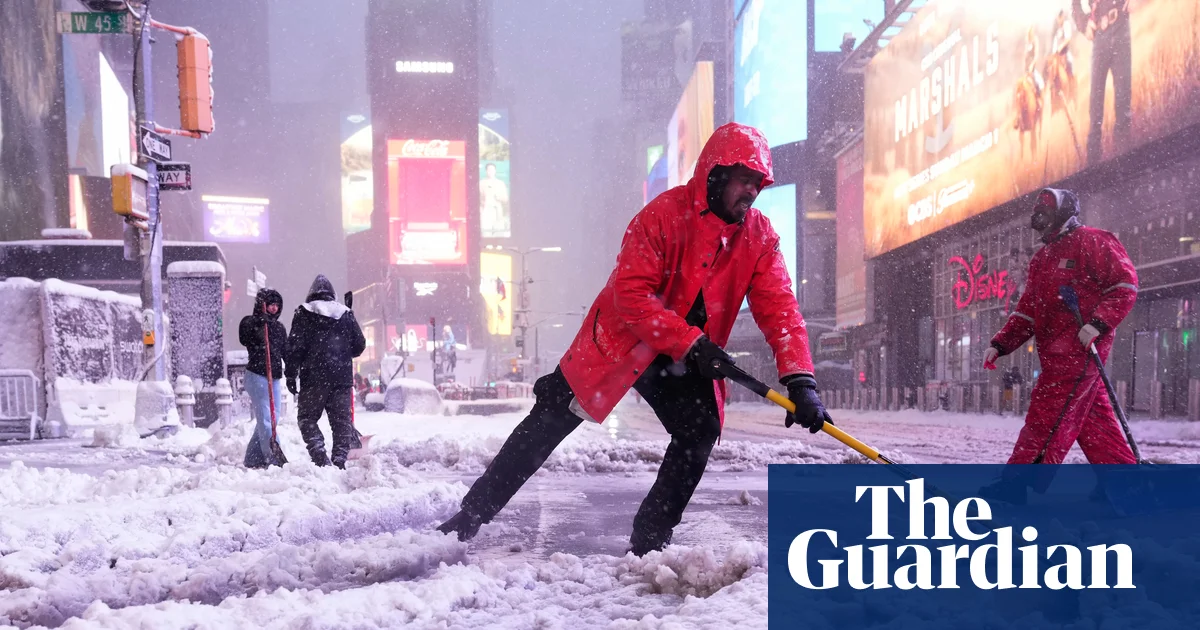
As North America grappled with a record-breaking winter storm, the recent blizzard that swept through the North-eastern United States exemplifies the growing intensity and unpredictability of climate phenomena. Heavy snowfall exceeding 2 feet in several cities, with gusts over 30mph, has paralyzed transportation networks from New York City to Boston. Emergency declarations in multiple states and the suspension of flights and public transit underscore the storm’s immediate impact on society. Yet, beyond the immediate chaos, this weather event raises pressing questions about how global instability, driven by climate change, is influencing geopolitical stability and societal resilience.

While the storm’s physical toll is evident—power outages affecting nearly 700,000 along the east coast and widespread shutdowns—its geopolitical implications are more subtle but no less significant. In response to the crisis, local governments mobilized extensive emergency efforts, from expanding shelter capacities to deploying snow removal crews. However, these responses also expose underlying vulnerabilities, especially in major urban centers that serve as economic hubs. The combined effect of worsening weather patterns and ongoing urbanization in vulnerable regions exacerbates social inequalities and strains national infrastructure. Analysts warn that such natural disasters, if persistent, could destabilize regional economies and trigger migration crises, forcing governments worldwide to reconsider their climate resilience strategies.

The international reaction remains muted but attentive, with some experts and organizations warning that climate-related disturbances could usher in a new era of geopolitical volatility. According to the International Panel on Climate Change (IPCC), the increasing frequency of extreme weather events correlates strongly with rising global temperatures caused by unchecked emissions. Meanwhile, thought leaders among historians and geopolitical analysts highlight that nations most affected by climate stress are often those with fragile political structures or limited resources for disaster mitigation—risking destabilization and conflict. For instance, the U.S. storm comes amid mounting tension in other regions, such as Ukrainian and Taiwanese flashpoints, where climate stress compounds existing geopolitical disputes.

US Justice Department drops Millions of Epstein files, exposing the truth behind a dark chapter

The United States Justice Department has recently publicly dismissed allegations concerning former President Donald Trump, highlighting the political undercurrents that continue to shape American domestic and international landscapes. In a statement, officials emphasized that many of the documents containing *untrue and sensationalist claims* against Trump, submitted to the FBI just prior to the pivotal 2020 election, are fundamentally baseless. “To be clear,” the DOJ declared, “the claims are unfounded and false, and if they have a shred of credibility, they certainly would have been weaponized against President Trump already.” This ongoing narrative underscores the deep political fissures within the US and reveals how internal conflicts influence diplomatic decisions, often with ramifications beyond its borders.

Analysts interpreting this development suggest that domestic political factions have capitalized on the chaos surrounding Trump’s post-presidential investigations to influence global geopolitics. Some experts warn that these internal power struggles have the potential to undermine the coherence of American foreign policy, especially as the nation faces increasing pressure from rising competitors like China and Russia. Historically, by weaponizing legal processes, powerful factions within Washington have sought to weaken political adversaries, exporting this internal strife onto the international stage. International organizations such as the United Nations have repeatedly called for stability, yet the ongoing political chaos in the US threatens to create a vacuum in leadership and global influence.

Furthermore, how decisions made within the US legal and political machinery impact other nations cannot be underestimated. Countries aligned with the US often find their interests swayed or compromised by the shifting priorities and internal unrest in Washington. As the Biden administration navigates these crises, allies and adversaries alike observe with keen interest, questioning whether the US can sustain its role as a global leader amid the turbulence. International historians and geopolitical analysts warn that such internal turmoil risks emboldening rivals, who see opportunities to test American resolve and expand their influence. The narrative of justice, legality, and political neutrality is now intertwined with the larger story of national stability and whether the US can uphold its commitments in a fractured political landscape.

As this saga unfolds, the weight of history presses heavily upon the shoulders of those who shape the future. From the corridors of power in Washington to the chancelleries of Beijing, Moscow, and beyond, the relentless tide of political upheaval continues to redefine the contours of international diplomacy. The question remains: will the internal discord forge a new epoch of decline, or will resilience and reform restore the stability necessary for global leadership? Only time will tell, but one thing is clear: the course of history, once again, hangs in the balance—as the world watches, awaiting the next chapter in this unfolding drama.

German Farm Dumps Millions of Potatoes After Record-Breaking Harvest—Chips Anyone?

Global Effort Marks a Pivotal Moment in Food Security: The “Great Potato Rescue”

In an era defined by geopolitical tensions and food security concerns, the international community has launched an unprecedented initiative dubbed the “Great Potato Rescue”. This operation aims to prevent a burgeoning surplus of potatoes from going to waste, emphasizing the rising importance of agricultural resilience and resource management in an uncertain global landscape. Developed in response to recent supply chain disruptions and climate volatility, the effort underscores a broader shift in how nations prioritize their food sovereignty and economic stability.

While the immediate goal centers around preserving a key staple crop, the broader implications extend into the fabric of international relations and economic stability. The initiative involves a coordinated effort among European nations, North American allies, and Asian partners, each contributing resources and expertise to safeguard a crucial food source. According to analysts from the World Food Programme, this operation is more than just a food rescue; it is a strategic move that reflects the geopolitical significance of controlling agricultural yields in a world where supply lines are increasingly fragile. Failures or successes in such efforts will influence global food prices, stability, and diplomatic relations, with ripple effects extending well beyond the farm fields.

The Context: From Climate Challenges to Geopolitical Tensions

The “Great Potato Rescue” arrives amidst a backdrop of intensifying climate challenges, which have already strained cultivation zones across Europe and North America. Unseasonal weather, droughts, and flooding have compromised harvests, prompting policymakers and farmers to seek innovative solutions. However, critics warn that such measures must be coupled with long-term climate policies rather than solely short-term fixes. Meanwhile, global political conflicts—ranging from trade disputes to territorial tensions—further complicate the food security landscape. Some experts, including renowned historian Dr. Michael Hastings, caution that global efforts to secure essential resources like potatoes could inadvertently escalate geopolitical competitions, especially if access becomes a bargaining chip in diplomatic negotiations.

The Strategic Significance of Potatoes

The potato, often regarded as a humble staple, now sits at the center of a high-stakes international security game. As food analysts highlight, such staple crops are critical in maintaining societal stability, particularly in regions vulnerable to famine and social unrest. Countries with dominant agricultural sectors, such as Russia and the United States, are actively engaged in safeguarding their food supplies, recognizing that control over staple crops translates directly into geopolitical influence. This rescue effort underscores a fundamental truth in contemporary geopolitics: access to reliable food sources is as vital as control of strategic military assets.

Global Implications and Future Outlook

  • In the short term, the “Great Potato Rescue” offers a blueprint for how nations can collaboratively address surplus issues while strengthening food security policies.
  • In the long term, it signals a shift toward more proactive resource management and international cooperation—elements essential to navigating a rapidly changing geopolitical landscape.
  • Failure to manage such crises effectively could strengthen nationalist rhetoric and disrupt global supply chains further, risking a return to resource competition reminiscent of past conflicts.

As history unfolds, the world watches what might seem a simple agricultural effort—a symbol of resilience in challenging times. Yet beneath the surface, it epitomizes the delicate dance of international power, resource control, and societal stability. With each spud saved from the bin, a new chapter in global history is written—an enduring reminder that in the ever-shifting landscape of geopolitics, even the humble potato can become a weapon, a symbol, or a savior.

Winter storm hits America: millions left in the cold amid outages and chaos

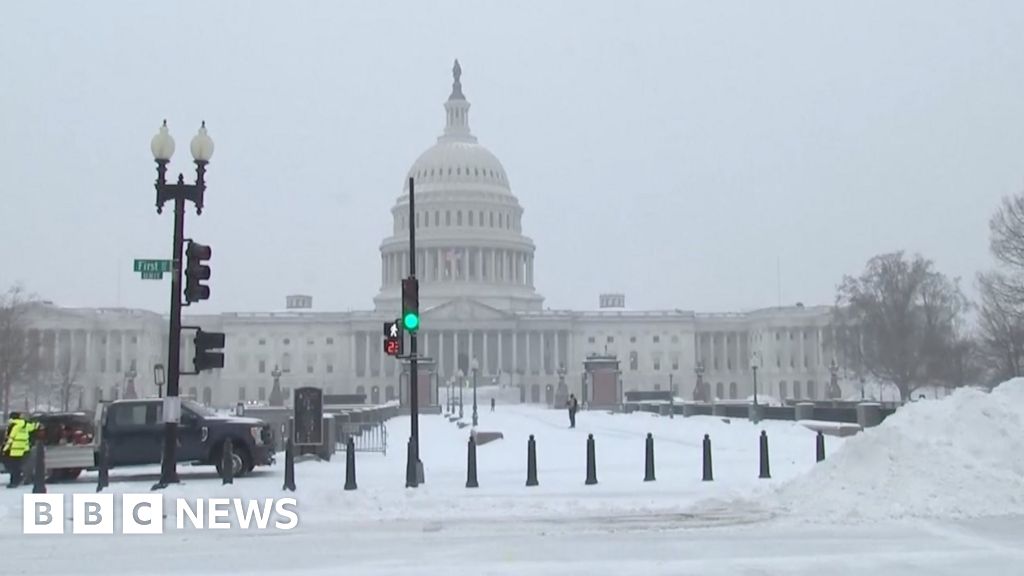
In recent days, The United States has experienced an unprecedented winter storm, characterized by severe snowfalls and dangerously low temperatures that have crippled large swaths of the country. The National Weather Service issued urgent warnings about wind chills plunging below -20°C in numerous urban centers, turning once bustling metropolises into frosty battlegrounds of survival. President Donald Trump responded decisively by declaring a series of federal emergency disaster declarations spanning nearly a dozen states, including South Carolina, Virginia, and Kentucky.

This meteorological crisis is notable not just for its immediate humanitarian toll but also for its broader geopolitical ramifications. As extreme weather events like this winter storm become increasingly frequent and severe, they underscore the pressing need for nations to re-evaluate their preparedness and resilience strategies. Major international organizations, such as the World Meteorological Organization, have repeatedly warned that climate variability poses a formidable threat to security, economies, and societal stability worldwide. While the U.S. swiftly mobilizes internal resources, the incident exemplifies a reality where climate change acts as a force multiplier for geopolitical instability, influencing diplomacy and international relations.

Furthermore, the decision by U.S. authorities to declare emergencies in multiple states highlights a broader pattern of how nations respond to internal crises with implications that extend beyond borders. These measures serve as a reminder for allies and adversaries alike of the importance of resilience in the face of natural disasters—yet they also raise questions about the long-term impact of environmental disruptions. Historically, analysts have pointed out that countries unable to adapt swiftly to climate-induced catastrophes risk becoming more vulnerable to geopolitical shocks. In a world where chaos often begets opportunism, the challenge remains: how do nations secure their sovereignty amid a rapidly changing climate?

The international community, including major powers and emerging nations, is watching with keen interest as the United States navigates this crisis. While the immediate concern lies in rescuing stranded communities and restoring basic services, the larger geopolitical dialogue shifts towards resilience—a debate that intertwines environmental policy, economic stability, and national security. Historical analysts warn that failure to address these environmental threats could result in a new chapter of instability—one where climate change acts as a catalyst for conflict, displacement, and resource wars. As the cold grips the nation, the world must reflect on the lessons etched into the icy face of adversity: the decisions made today set the stage for the future balance of power.

As history watches silently from the pages yet to be written, the cold truth remains: in an era of unpredictable and escalating natural disasters, the line between environmental catastrophe and geopolitical crisis has grown dangerously thin. The icy winds sweeping across the United States serve as a stark reminder—nature’s fury respects no borders, and the decisions taken in one nation ripple across the fabric of international stability. The question remains—not if, but when—and how, will the world unite to confront the unyielding forces of change that threaten to reshape the geopolitical landscape forever.

Travel chaos deepens in India as hundreds of flights are grounded—disrupting millions' plans
Travel chaos deepens in India as hundreds of flights are grounded—disrupting millions’ plans

The recent turmoil within India’s aviation sector underscores the profound internal challenges facing one of the world’s fastest-growing economies. The shutdown of IndiGo, the nation’s largest airline, has triggered widespread travel disruptions at a critical time—India’s peak travel season—highlighting systemic vulnerabilities rooted in recent regulatory reforms. As thousands of passengers remain stranded amid a backdrop of domestic chaos, India finds itself at a crossroads where domestic policy decisions could ripple across geopolitical lines.

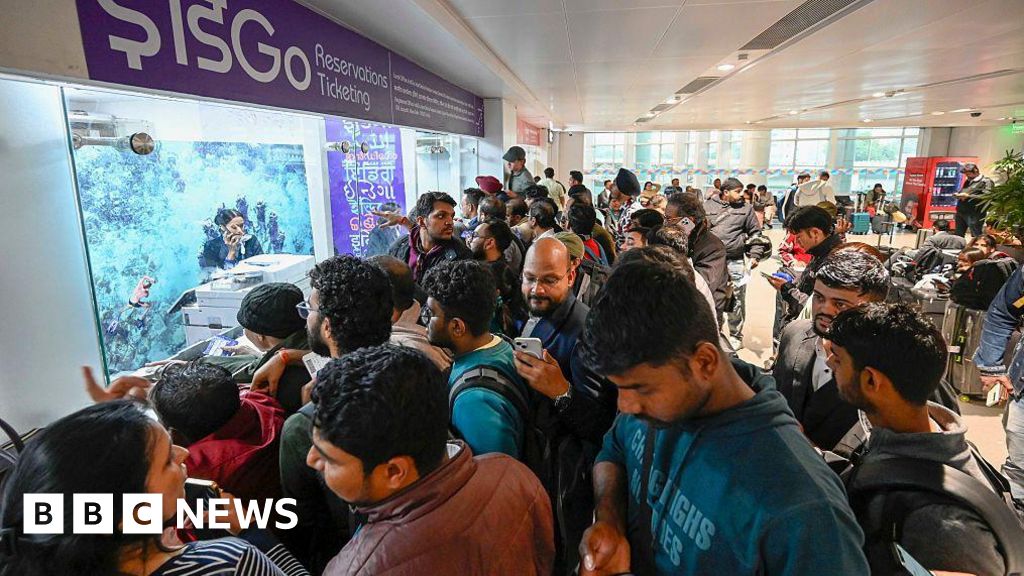
Over the past week, IndiGo canceled hundreds of flights, leaving major airports in Delhi and Mumbai overwhelmed with unprepared travelers. The airline’s leadership indicated that complete operational recovery might not occur until 10 February, citing increased rest rules and night-duty restrictions as key factors. The new regulations, intended to improve pilot safety, have instead exposed critical planning gaps, which the Indian aviation regulator bluntly attributed to “misjudgment and planning gaps.” The regulator, alongside the government, has demanded detailed restructuring plans from IndiGo, emphasizing the urgency of aligning safety with operational efficiency—an effort to appease both safety advocates and economic stakeholders.

This crisis comes amid acute domestic unrest over the impact of recent policy shifts, which have faced sharp criticism from pilot associations, safety experts, and even international observers. The Airline Pilots Association of India warns that any easing of duty regulations risks “gravely” compromising safety, emphasizing that the balance between flexible regulation and public security remains precarious. At the same time, the government’s visible displeasure reveals an attempt to assert control amidst *public outrage* and operational breakdowns. These developments, analysts argue, threaten to undermine India’s global reputation as a reliable air travel hub, with potential consequences for foreign investment, tourism, and diplomatic relations.

On the geopolitical front, India’s internal strife in its aviation sector signals a broader narrative. As India asserts itself on the world stage through ambitious economic initiatives, such as the Make in India campaign and regional infrastructure projects, domestic instability may serve as a cautionary tale. Historically, rapid economic growth combined with regulatory missteps can serve as vulnerabilities exploited by rivals or destabilized by external shocks—be it regional conflicts or global economic downturns. The international community, including institutions like the International Civil Aviation Organization, closely monitors such crises, understanding that internal challenges in a rising power can influence geopolitical stability.

As passengers voice their frustration—the Singaporean High Commissioner even lamenting lost personal milestones—the incident leaves a stark reminder: the decisions made today in policymaking and crisis management will reverberate across the region and beyond for decades to come. The unfolding story in India is more than an aviation crisis; it is a reflection of a nation striving to balance rapid growth with the complexities of governance, safety, and international reputation. The weight of history presses down as the world watches, knowing full well that in these turbulent times, a single misstep can threaten to rewrite the trajectory of a nation’s rise—leaving future generations to grapple with the consequences of decisions shrouded in the fog of uncertainty.

Millions of UK workers set for pay boost as Reeves announces higher minimum wage — Budget 2025

In the latest move reflecting domestic economic policy intertwined with global labor trends, the United Kingdom has announced a significant increase in minimum wages, aiming to bolster the living standards of its low-paid workers. The country’s leadership under Prime Minister Rishi Sunak has committed to raising the national living wage from £12.21 to £12.71 per hour for over-21s starting April, an increase of 4.1%. This escalation is designed to lift approximately 2.4 million workers, pushing their annual earnings up by around £900—an effort to counteract stubbornly high inflation and resolve the ongoing cost-of-living crisis. At the same time, the government is narrowing the gap for younger workers by increasing rates for 18- to 20-year-olds by 8.5%, signifying a preference for wage equality that continues to shape the nation’s economic landscape.

International and economic analysts observe this development as a reflection of a broader global shift toward protecting worker rights, yet caution that such measures carry complex geopolitical repercussions. Critics argue that steep wage increases, particularly for youth, could hinder employment opportunities by discouraging employers from hiring entry-level staff, especially amidst a backdrop of rising national insurance and economic uncertainties. According to the Resolution Foundation, youth unemployment has surged to 14.5%, up from 13.7% a year ago, illustrating the delicate balance between social welfare and economic vitality. Empirical data suggest that artificially inflating wages without concurrent productivity growth risks hampering economic competitiveness—a concern echoed by business leaders who report struggles in hiring due to increased labor costs.

This policy debate, however, extends beyond UK borders and touches on international labor standards. European countries, with their own history of wage regulation, brace for potential shifts in investment and migration patterns should wage policies influence business decisions. Meanwhile, the International Labour Organization and various global economic think tanks warn that inconsistent wage policies across nations could exacerbate trade imbalances and disrupt global supply chains. The UK’s push to elevate wages is, in part, a reflection of how rising populist sentiments and economic nationalism are reshaping traditional international relations, increasingly framing labor rights as elements of national sovereignty and economic resilience.

Historian and geopolitical analyst Dr. Emily Carter emphasizes that these internal economic choices are also part of a larger narrative—one where nations are reasserting control over their economic destinies amid a shifting international order. As China and the United States grapple with their own wage and inflation issues, smaller nations like the UK are making bold moves that could ripple through the global geopolitical landscape. The decision to safeguard jobs and raise wages can be viewed as an attempt to secure social stability, but it also leaves out the broader question: will such measures ignite a race to the top—or to the bottom in global labor competitiveness?

As history continues to unfold in the coming months, the UK’s wage policies serve as a stark reminder of how domestic economic reforms are intertwined with international trends. The world watches as nations balance between protecting their citizens and maintaining economic strength in an era marked by upheaval and uncertainty. Decisions taken today are likely to set precedents for future global interactions—where the tug-of-war between social justice, economic stability, and geopolitical influence remains as fierce and unpredictable as ever. The stage is set for a new chapter in history—one written not only through policies and politics but through the lives and futures of millions caught in the crossfire of a rapidly changing world order.

Trump Admin’s Attempt to Cut SNAP Benefits Blocked, Protecting Millions

U.S. Food Aid at Crossroads Amid Government Shutdown

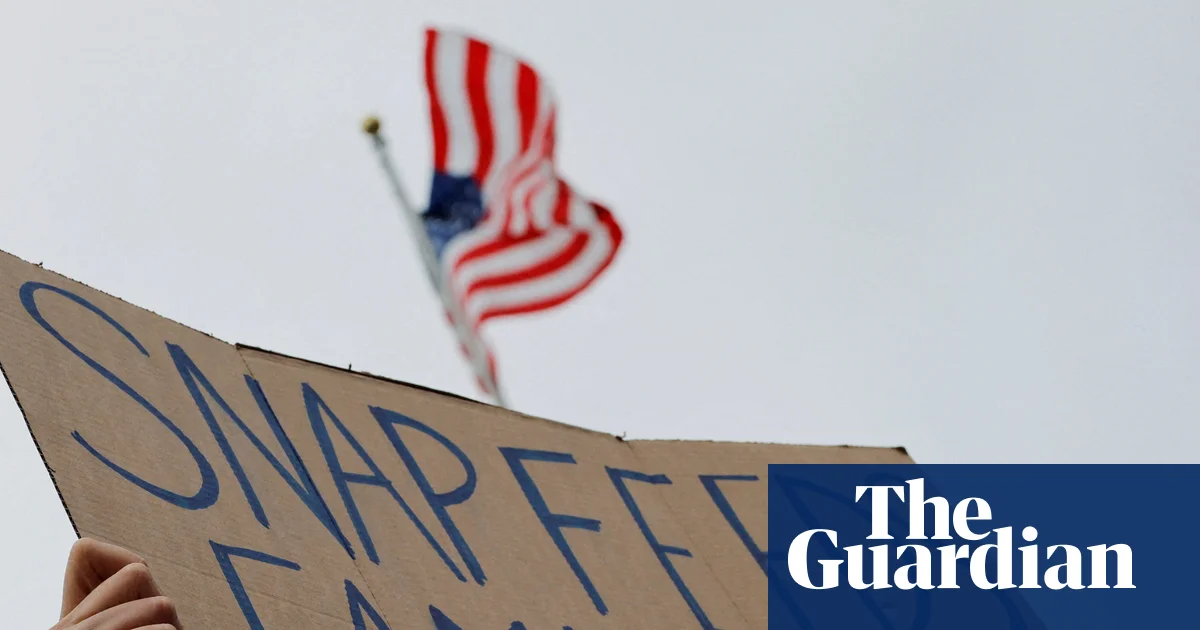
In a striking display of judicial activism, federal judges across the United States recently issued rulings that threaten to uphold the continuation of food assistance programs amidst a prolonged government shutdown. The latest decisions, one in Rhode Island and another in Massachusetts, have ordered the Trump administration to utilize authority and contingency funds to ensure the uninterrupted flow of Supplemental Nutrition Assistance Program (SNAP) benefits — a move that could reshape the executive’s ability to control ancillary social safety nets during political impasses. These rulings underscore a pivotal human story—millions of low-income Americans caught in the political crossfire—yet they also illuminate a broader conflict over federal power and the rule of law that reverberates well beyond the borders of the U.S..

Judicial Intervention Versus Executive Authority

  • Legal actions initiated by Democratic attorneys general from 22 states and the District of Columbia, along with civil rights groups, challenged the administration’s plan to suspend SNAP benefits, highlighting that existing funds—specifically, $5.25 billion in contingency reserves—could sustain the program.
  • The courts, citing ample available funds and the unlawful suspension of benefits, barred the USDA from halting SNAP payments, defying the executive’s assertions that legislative approval was required to continue expenditures during the shutdown.
  • This judicial pushback exposes a fissure in the separation of powers; the judiciary has stepped into a supervisory role, interpreting the legality of budget management—a move that could set a precedential tone for future governmental crises.

Analysts assert that these judicial rulings reflect a growing skepticism towards executive overreach, especially in the face of a contentious shutdown that has exposed the limits of unrestrained presidential discretion. Historians warn that this interplay between courts and the executive could either become a constitutional safeguard or spawn prolonged legal gridlock, with consequences for social stability and international credibility.

Global and Geopolitical Implications of US Internal Crisis

The world watches as the U.S. grapples with its internal governance, a country still perceived as an economic and political beacon. The disruption of social safety nets such as SNAP, which aids nearly 42 million Americans, portends more than domestic hardship. Such instability risks undermining the international perception of American reliability at a critical juncture when global powers—like China, Russia, and emerging regional alliances—are vying for influence.

This crisis demonstrates how domestic political decisions ripple outward, affecting diplomatic leverage and economic stability. The International Monetary Fund and World Bank analysts warn that prolonged internal discord weakens the U.S.’s moral authority and its capacity to shape global policy. Meanwhile, strategic competitors may leverage U.S. disarray to promote alternative models of governance, emphasizing authoritarian efficiency over American constitutional traditions.

How Nations and Societies React and Adapt

States and local communities across the U.S. have responded with remarkable resilience, deploying their own resources to mitigate the crisis. Governors from California, Virginia, and other states have declared emergencies, deploying state funds and National Guard units to support food banks and vulnerable populations. These measures highlight a decentralized response that, while commendable, also underscores the federal government’s limitations in crisis management when facing political deadlock.

The ongoing crisis underscores an emerging trend: the fragmentation of national unity and the rise of state-level resilience. Yet, as the debate rages on about whether the government should tap into reserved funds—reserves that are rightly meant for *natural disasters*—the fundamental question remains: Who holds the power to safeguard the most vulnerable during times of crisis—an overburdened federal government or resilient states asserting their sovereignty?

As history unfolds in these turbulent days, the path forward remains uncertain. The judges’ rulings have altered the trajectory, but the underlying clash between programmatic authority and executive discretion is far from resolved. The fate of millions depends on decisions yet to be made — decisions that will echo through future generations and define whether the principles of law or the chaos of partisanship reign supreme.

The weight of history bears down heavily, and as the nation stands at this crossroads, the world holds its breath—watching how the **United States** will reconcile its laws with its leadership, and whether the bedrock principles of justice and constitutional order will prevail in the era ahead.

Social Media Auto Publish Powered By : XYZScripts.com