
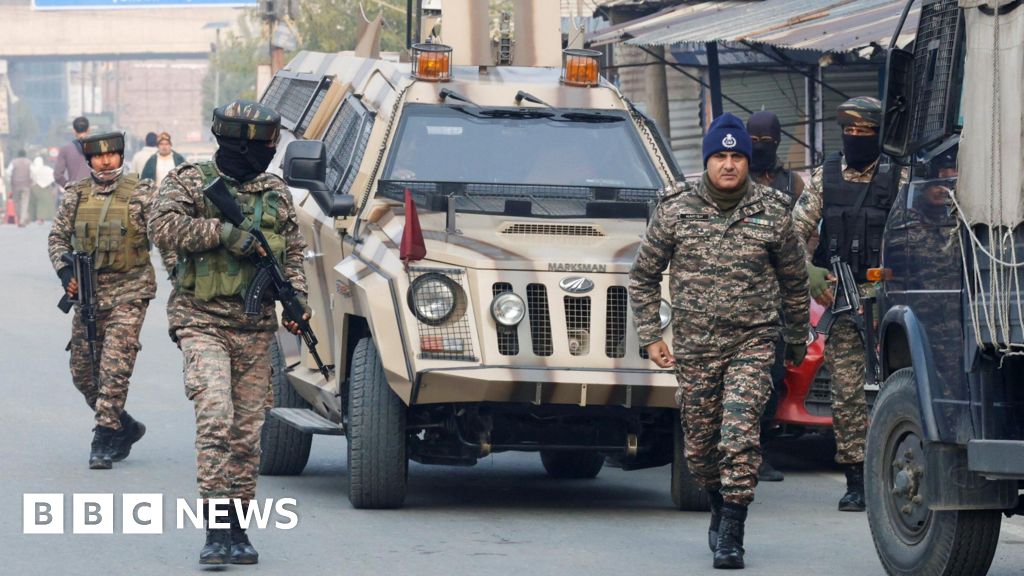

Tragedy at Nowgam Police Station Sparks Broader Concerns in Indian-Administered Kashmir
The recent explosive accident at the Nowgam police station in Indian-administered Kashmir has sent shockwaves through a region already steeped in complex, often violent, geopolitical tensions. Official reports confirm that nine lives were lost and 32 others injured after a stockpile of confiscated explosives detonated during handling. Authorities insist this was a tragic accident, not a terrorist act—yet the incident underscores how fragile peace remains in this highly contested territory. The region, long a flashpoint between India and local independence aspirations, often bears the brunt of violence, and this latest mishap adds yet another layer to the ongoing chaos that analysts warn could escalate if not carefully managed.
The explosion’s timing closely follows a recent deadly terror incident in Delhi, where a car blast claimed multiple lives. Such events highlight a disturbing pattern: a region where clandestine conflicts, terrorism, and political unrest intermingle with tragic regularity. The Indian government, under the scrutiny of international organizations like the United Nations and global watchdogs, continues to grapple with balancing security and civil liberties. Experts like Indian historian Dr. Ranjit Verma emphasize that these incidents—whether accidents or acts of violence—are deeply interconnected with the unresolved tensions over the region’s future and sovereignty. Governments and analysts must acknowledge that the more unstable the status quo, the greater the risk of this volatile situation spilling into broader regional conflicts.
The geopolitical impact of these incidents extends beyond Kashmir’s borders, resonating with neighboring countries and global powers. China, with its own interests and territorial claims concerning India and neighboring Pakistan, watches these developments with concern. Meanwhile, Pakistan continues to accuse Delhi of escalating military presence and oppressive policies in Kashmir—factors that significantly contribute to regional instability. The incident at Nowgam serves as a stark reminder of the dangerous heat generated by unresolved territorial disputes, nuclear-armed nations, and extremist factions vying for influence. The international community, especially organizations like the United Nations, faces mounting pressure to facilitate dialogue, but historical skepticism remains. Past failures to broker lasting peace reveal how deeply entrenched these conflicts are and how quickly accidents can spiral into broader crises.
As the dust settles on the Nowgam explosion, the larger narrative of history continues to unfold—one driven by decisions that ripple across nations and societies. The handling of this tragedy will be a crucial test for Indian authorities and international mediators alike. The stakes are high; an escalation in violence could threaten regional stability and undermine decades of diplomatic efforts aimed at peace. As analysts warn, “if miscalculations persist, it could open a new chapter of relentless cycle of violence and mistrust.” In the shadows of this tragedy, the future of Kashmir hangs in the balance, a stark reflection of unresolved conflicts that remain painfully unresolved, yet continue to define the geopolitical landscape of South Asia. The pages of history are turning, and the world watches, knowing full well that in this silent yet deadly arena, the next blow could find echoes far beyond these mountains — forever shifting the course of nations.





