
Global Implications of Religious Leadership and Geopolitical Shifts
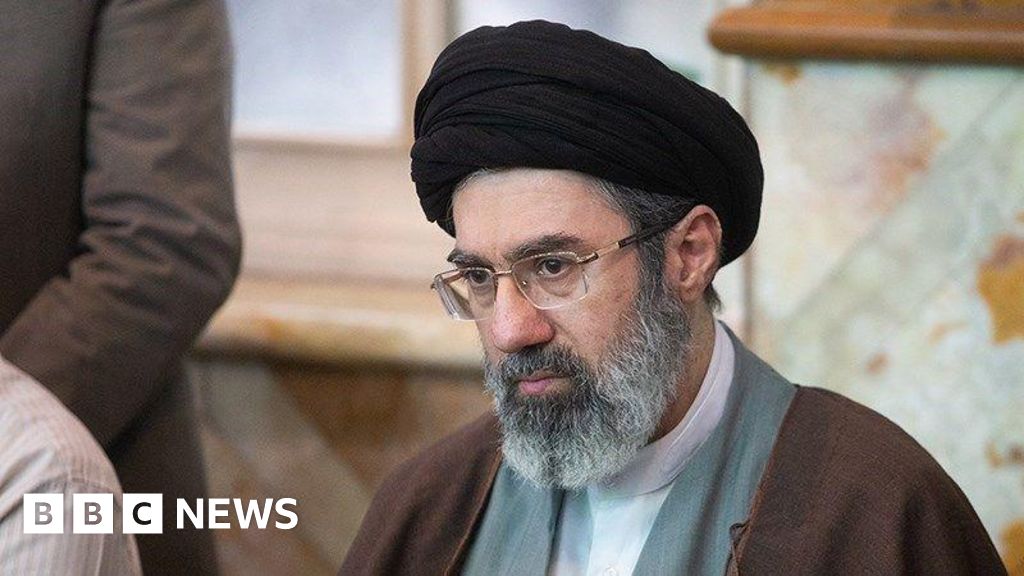
In one of the most striking examples of individual agency intersecting with international geopolitics, the story of Mojtaba—a devout figure who traveled to Qom in 1999—represents more than a personal spiritual journey. The city, recognized worldwide as a pivotal centre of Shia theology, continues to serve as a significant hub for religious authority in the Middle East. His decision, markedly unconventional given the cultural norms surrounding clerical progression, underscores emerging shifts within the religious and geopolitical landscape of the region. Unlike most of his contemporaries, Mojtaba did not don clerical attire until he was 30, raising questions about generational change and the evolving role of religious scholars within their societies and beyond.
This individual’s choice to pursue religious education later in life coincides with broader international trends—marked by regional tension, shifting alliances, and the ongoing struggle for influence in a volatile geopolitical climate. As analysts observe, this more mature approach to seminary study suggests a strategic recalibration of religious authority, positioning scholars to influence not only religious circles but also societal and political discourse. Such shifts inevitably impact how nations like Iran project power, both internally and externally, especially as religious figures gain—or lose—political legitimacy amidst upheaval and reform efforts.
The international community, particularly Western powers and regional adversaries, watch these developments intently. The rise of figures like Mojtaba, who embody both tradition and modernity, could recalibrate the influence of religious institutions in geopolitics—possibly affecting Iran’s diplomatic strategies, regional stability, and cellular networks of influence across the Middle East. Meanwhile, Tehran continues to navigate turbulent waters, balancing hardline factions with reformist voices, a dynamic that historians and policymakers scrutinize for signals of transformation or impending conflict.
According to experts from the International Crisis Group and renowned scholars of Middle Eastern history, the decisions made within religious spheres often cascade into broader political consequences. As the world teeters on the edge of potential conflict zones, understanding how individual trajectories such as Mojtaba’s influence society becomes essential. The evolution of religious authority—shaped by personal choices and societal shifts—has the power to foment peace or ignite friction across borders, especially as nations grapple with radical ideologies, economic sanctions, and diplomatic negotiations.
In the grand tapestry of history, stories like Mojtaba’s serve as a reminder that the path of a single individual can ripple outward, shaping eras of change. As geopolitical tensions simmer and alliances shift, the significance of religious leadership in turbulence and transformation remains ever-present. With each decision, each change of attire, and each step toward theological enlightenment, the world collectively inches toward an uncertain future—where the weight of history presses down, and the next chapter waits to be written in the shadows of modern tumult. The unfolding struggle for influence, both spiritual and political, continues to define our era, leaving nations and societies to grapple with the profound consequences of their choices—an ongoing saga as old as time itself, yet as fresh as the dawn of tomorrow.