Matox News

Truth Over Trends, always!

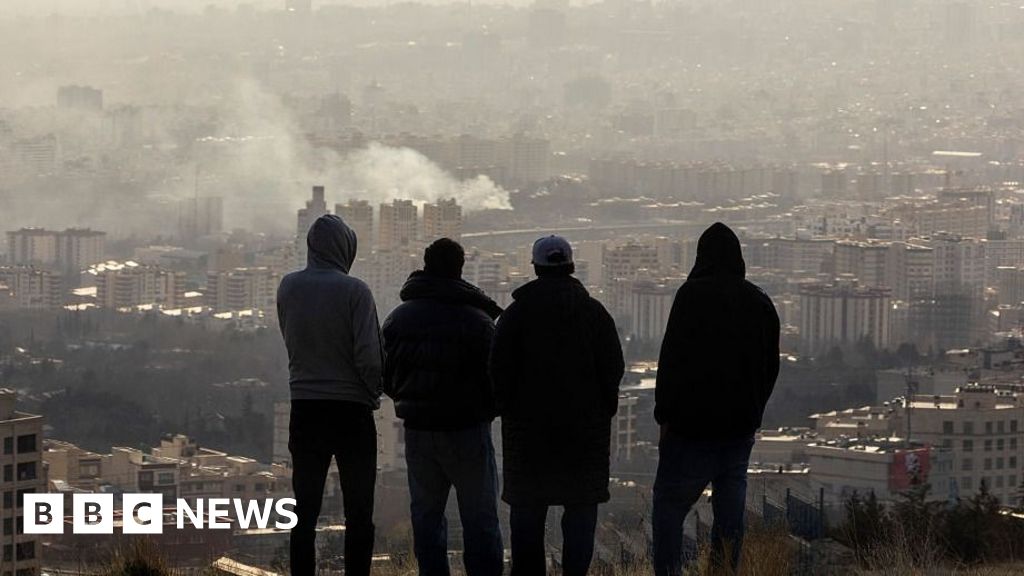
Third Day of US-Israel War with Iran: Key Moments Unfold

U.S., Israel, and Iran Engage in Alliance-Shaking Conflict as Regional Tensions Escalate

The ongoing war between the United States and Israel against Iran has rapidly escalated into a full-blown regional crisis, marking a dangerous turning point in the Middle East’s volatile landscape. As the third day of hostilities unfolds, scenes of destruction and chaos dominate the streets of Iran, while neighboring nations grapple with the far-reaching implications of this dangerous conflict. Global analysts warn that this cycle of violence not only destabilizes the region but also threatens the fragile balance of power that sustains international security. The intense exchange of drone and air strikes illustrates how swiftly the conflict has expanded beyond initial targets, with the potential to ignite broader regional or even global confrontations.

Today’s hostilities saw the United States orchestrate strikes within Iran, with devastating scenes on the streets revealing the severity of the military escalation. The strikes, according to Pentagon officials, targeted Iranian military facilities aimed at degrading Tehran’s capacity to support proxy groups like Hezbollah and other militant organizations. Most international observers agree that this marked a critical shift in US strategy—moving from containment to direct confrontation—further undermining hopes for diplomatic resolution. Meanwhile, Israel expanded its military campaign by launching strikes into Lebanon, targeting alleged Hezbollah positions. These preemptive actions are true to the longstanding Israeli doctrine of preemptive defense, but they risk igniting a broader conflict that could threaten regional stability for years to come.

  • Three US fighter jets tragically crashed in Kuwait, with initial reports attributing the accidents to apparent friendly fire—a grim reminder of the fog of war amid chaos.
  • In Cyprus, a British RAF base was struck by an Iranian drone, forcing an emergency evacuation and raising alarms over the spread of the conflict beyond the immediate Middle Eastern theater.

International organizations and military analysts are sounding alarms over the geopolitical impact of these developments. Harvard historian Dr. Robert Matthews warns that the conflict’s escalation could catalyze a new Cold War, with major powers realigning and recalibrating alliances. The delicate balance of deterrence maintained since the Cold War era is now in jeopardy, with the risk of all-out regional warfare increasing by the hour. Furthermore, the involvement of multiple nations, including the United Kingdom, Kuwait, and Cyprus, illustrates how the conflict threatens to drag in global actors, intensifying the risk of escalation that could spiral out of control.

The international community’s response remains cautiously divided. While some call for immediate de-escalation and renewed diplomacy, others appear resigned to the notion that the forces unleashed today will shape global geopolitics for decades. As nations mobilize their military assets and intelligence agencies scramble to interpret the unpredictable developments, the world stands on a precipice. History will remember this moment—not as a standalone skirmish, but as an inflection point whose aftermath will redefine power structures, alliances, and the very fabric of international order.

Ultimately, the relentless violence of today underscores a sobering truth: the decisions made in these critical hours will echo through history, determining whether this is a moment of resurgence for peace or the dawn of a new, darker epoch of conflict. As the dust of destruction settles on the streets of Iran, the question remains—how many more will fall before the storm subsides, or if it ever will? The pages of history are yet to be written, but their weight is undeniable: humanity teeters on the edge of a new chapter, one that could reshape the world in ways yet unseen.
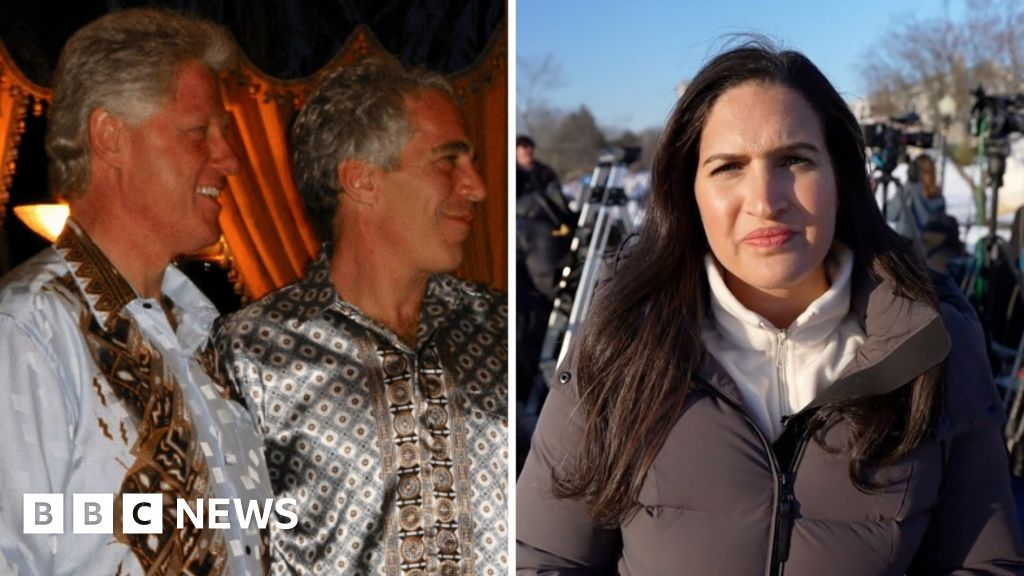
Watch the defining moments from Bill Clinton's deposition
Watch the defining moments from Bill Clinton’s deposition

Bill Clinton’s Testimony Sparks International Debate Amid Election and Power Struggles

The recent deposition of Bill Clinton before the House Oversight Committee has thrust the American political landscape into a tumultuous spotlight, shedding light on the entrenched power and secrecy that often characterize Western democracy’s elite. Despite Clinton’s vigorous denial of any knowledge regarding Jeffrey Epstein’s criminal activities, the implications of this hearing reach far beyond U.S. borders, resonating with international concerns over accountability and transparency among powerful leaders.

This high-profile event also coincided with the deposition of Hillary Clinton, signaling a potential turning point in the ongoing scrutiny facing the political class. The proceedings, amplified by calls from Republicans for the transcripts’ release and Democrats suggesting the need for former President Donald Trump to participate, underscore a deepening partisan divide—not only in America but as a precedent that could influence political accountability globally. As analysts from international watchdogs observe, such spectacles often serve as reflections of the fragile balance between justice and political self-preservation, affecting national stability and societal trust in institutions.

Global Impact: A Question of Power, Justice, and Societal Integrity

From a geopolitical perspective, the Clinton hearings carry weight well beyond the borders of the United States. Countries around the world watch anxiously, aware that political scandals involving the highest echelons of power can catalyze broader demands for transparency and rule of law. According to international legal scholars, these revelations test the resilience of democratic norms and may influence how emerging nations shape their own governance structures. Key institutions such as the United Nations and regional bodies will likely interpret this crisis as a warning sign: even the most powerful can be vulnerable to oversight, but how societies respond can determine their future stability.

Voting populations across various nations increasingly demand accountability, wielding social media and grassroots movements to challenge elites and push for reforms. The Epstein scandal, intertwined with accusations of elitism and unchecked influence, fuels societal debates about how power is derived, maintained, and challenged. As historians and geopolitical analysts warn, failure to confront these issues risks perpetuating cycles of corruption and disillusionment, which could inspire populist upheavals or authoritarian backlashes in vulnerable regions.

The Unfolding Narrative: History in the Making

As the revelations from Clinton’s deposition unfold, history continues to be written in real time. The intersection of personal scandal with national policy underscores a profound truth: the decisions made today about accountability, transparency, and justice will shape the fabric of global society for generations. Decisions taken in the corridors of power—whether to conceal or confront—will echo across continents, influencing societal trust and the legitimacy of institutions in ways that are yet to fully unravel.

In a world eager for stability amid chaos, the weight of history presses heavily on political figures. The stories forged within these testimonies forge a new chapter—one marked by the struggle for truth in a universe where power often seeks to obscure itself. The coming days will reveal whether justice can transcend politics or whether the shadows of past transgressions will continue to loom over the future of democracy. As history’s tide carries us forward, the fate of societies hangs in the balance, awaiting the steps of those who hold the keys to revelation and reform.

Rising Stars Shine in Thrilling Youth Sports Championship: Unforgettable Moments on the Field!

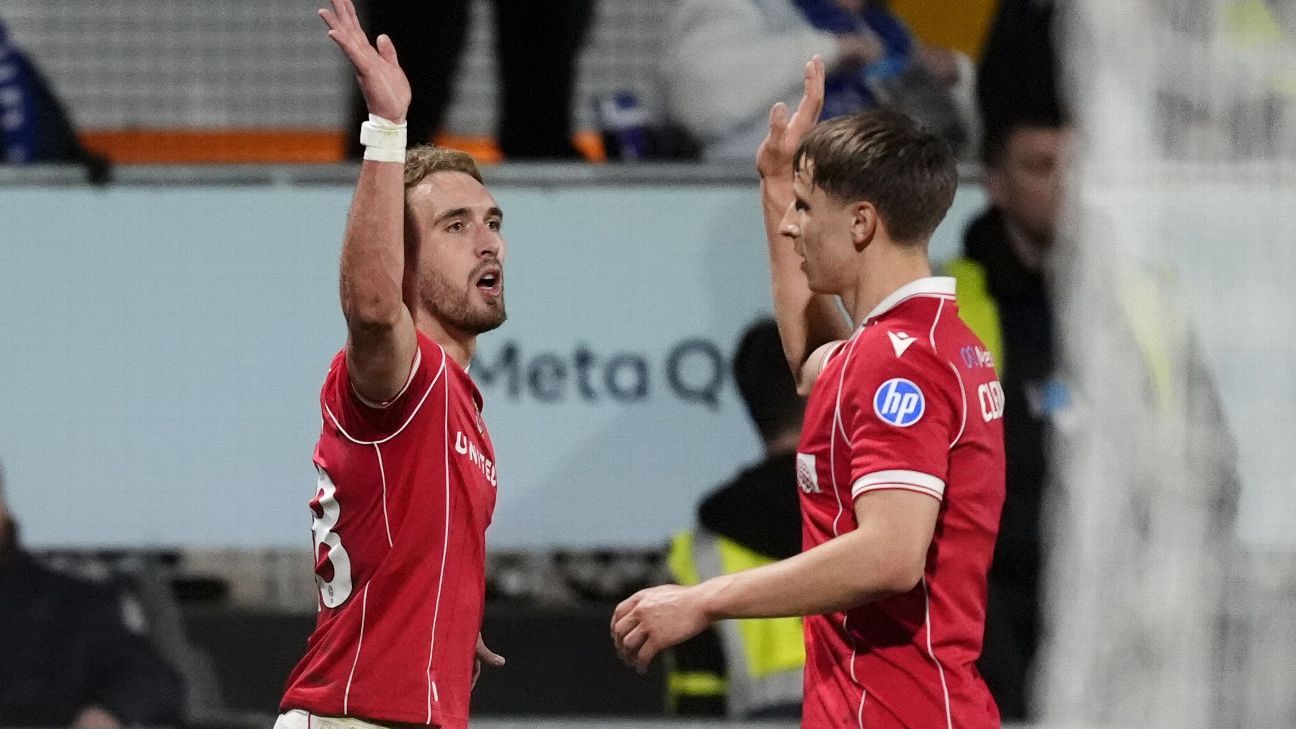
Wrexham Triumphs Despite Sickness Bug: A Story of Resilience

The atmosphere surrounding the game between Wrexham and Portsmouth was charged with anticipation, as fans were eager to witness how the teams would perform under pressure. Yet, in the days leading up to the match, Wrexham faced an unforeseen hurdle. Manager Phil Parkinson disclosed that a sickness bug had temporarily swept through his squad, presenting a unique challenge for the players as they prepared for this crucial encounter.

Yet, despite the adversity, Wrexham demonstrated unparalleled determination in their 2-1 victory over Portsmouth. In a display of grit and skill, goals from Paul Mullin and Ollie Palmer paved the way for their hard-fought win. Mullin, whose contribution to the match was crucial, found the back of the net early on, igniting hopes for a resounding victory. The resilient Wrexham squad dug deep, showcasing the spirit of their club, which has long been a hallmark of their identity.

As the match progressed, the tension mounted. Even after Portsmouth leveled the score, Wrexham maintained composure, with manager Phil Parkinson praising the team’s focus during the challenging moments. “The players showed tremendous character, especially with the sickness affecting our lineup,” he stated. This quote highlights not only Parkinson’s recognition of his players but also his belief in their collective strength.

  • Wrexham overcame a sickness bug before the match.
  • Paul Mullin and Ollie Palmer were the key scorers.
  • Phil Parkinson emphasized the team’s resilience in his post-match comments.
  • The match showcased a unified front from Wrexham against adversity.

Ultimately, this victory extends far beyond the scoreboard. It exemplifies how sports can inspire unity and perseverance, fostering a sense of community among fans and players alike. With each match, narratives of hardship and triumph intertwine, highlighting the undeniable power of teamwork and shared goals. In a world that often feels divided, the story of Wrexham serves as a reminder that together, anything is possible.

Source link

Challenge Your Understanding of the Pioneers and Moments That Built America

In the heart of every civilization, culture emerges as both memory and prophecy—an ongoing dialogue between the past and the future. As we observe the American Revolution, a pivotal moment in history, we recognize that its significance extends far beyond mere political upheaval. It embodies a foundational myth, a cultural template that continues to shape identity, tradition, and societal values. The commemoration of figures like George Washington not only honors a historical figure but also affirms a collective sense of purpose rooted in the ideals of liberty, sovereignty, and moral clarity. These ideals, so central to the American experience, serve as a testament to the human yearning for order amid chaos, echoing the philosophical assertions of thinkers like T.S. Eliot, who suggested that history, much like poetry, is a narrative of continuous renewal intertwined with tradition.

Historical parallels remind us that moments of upheaval—whether the American Revolution or the upheavals of the 20th century—are often rooted in a collective desire to forge a new cultural identity. As Alexis de Tocqueville observed, American society demonstrates a unique capacity to balance individualism with a shared civic purpose. This intentional cultivation of a national character—through education, literature, and cultural remembrance—is what sustains societal cohesion. The celebration of revolutionary ideals, expressed through art and historiography, underscores the importance of heritage as both a shield and a compass. It is through these cultural artifacts that a society not only preserves its memory but also envisions its future, ensuring that the spirit of freedom and independence remains a living truth.

In this way, culture becomes a sacred space where tradition and modernity meet. The enduring relevance of works that commemorate the American Revolution—be it biographies of George Washington or presidential monuments—serves as a reminder that values are not static but dynamic forces. They guide societies through tumult, echoing the insights of G.K. Chesterton, who championed the idea that “tradition means giving votes to the past” in shaping moral and social stability. As youth today navigate a shifting cultural landscape, understanding history through the lens of profound narrative helps anchor them in a heritage that is both inherited and continually reborn. Here, the past whispers into the future, urging us to preserve the fruits of our ancestors’ sacrifices while daring to dream of new horizons.

Ultimately, culture is the poetic fabric woven from memory and prophecy—an undying testament to humanity’s quest for meaning. Like Ortega y Gasset envisioned, it embodies the human condition: a persistent struggle to craft purpose out of chaos. As we contemplate the story of the American Revolution, let us remember that it is not merely a chapter in history but a living mural, poised upon the horizon, forever beckoning us to write the next verse. In the symphony of human society, culture remains both our memory—a sacred relic—and our prophecy—the bright promise of what we are yet to become. It is this rhythm, this eternal dance, that keeps the spirit of a nation alive, vibrant, and truly free.

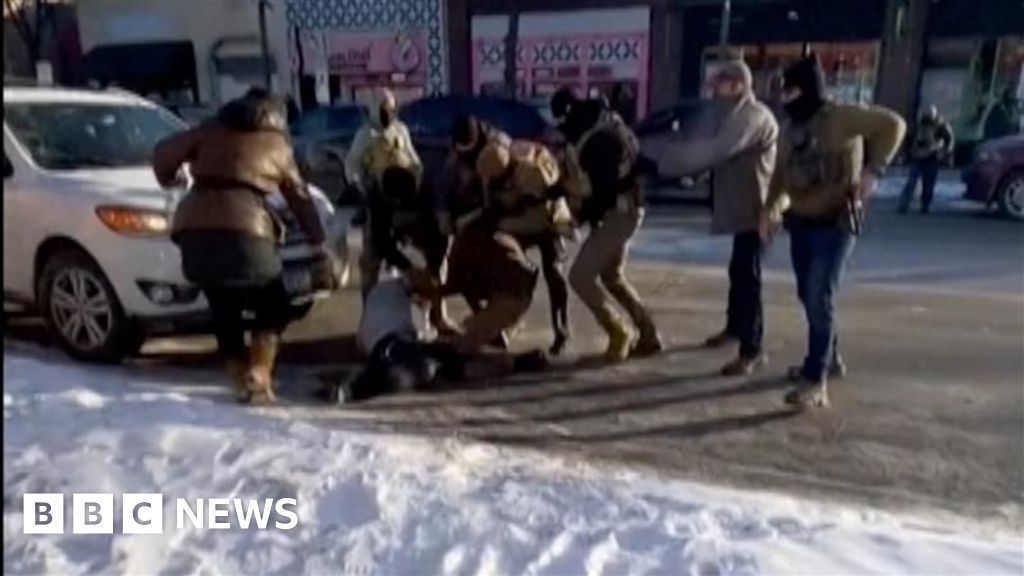
Footage reveals key moments in Minneapolis deadly shooting

In a development that underscores ongoing tensions within the United States regarding immigration enforcement and law enforcement accountability, a tragic incident unfolded in Minneapolis involving federal immigration officers. Bystander footage has surfaced, capturing tense moments leading up to the fatal shooting of 37-year-old Alex Pretti. The recordings, shot from multiple perspectives, reveal a chaotic confrontation that has ignited controversy and intensified debates over federal authority and civil liberties in the nation’s heartland.

As details emerge, conflicting narratives from federal officials and state authorities have further muddled the incident’s circumstances. Homeland Security Secretary Kristi Noem claimed that agents fired “defensive shots” after Pretti allegedly “reacted violently,” presenting an account aligned with justified self-defense. Conversely, Governor Tim Walz dismissed the federal explanation as “nonsense” and “lies,” emphasizing a need for transparency and accountability. This internal dispute exemplifies the broader divide within American governance, where federal and state authorities seem increasingly at odds over immigration enforcement tactics and the use of lethal force.

The incident’s timing adds to its significance, occurring less than three weeks after the tragic killing of Renee Good, an American citizen shot by an immigration agent in similar circumstances. Such events have sparked nationwide outrage and raised questions about the overreach of immigration authorities operating under policy shifts favoring aggressive enforcement. Many analysts see these events as a reflection of a broader geopolitical and domestic struggle — one that tests the limits of federal power, the rule of law, and the safety of American citizens. International observers and rights watchdogs warn that unchecked force and lack of transparency threaten the social fabric of the nation, fueling suspicion and unrest across communities.

  • Key event: The deadly confrontation, captured on video, sparks nationwide debate on immigration and law enforcement conduct.
  • International impact: Foreign allies and adversaries scrutinize the U.S. for its internal stability, affecting diplomatic relations.
  • Potential consequences: Policymakers face mounting pressure to implement reforms that balance enforcement while safeguarding civil liberties, yet fears persist of increased militarization and societal division.

This incident highlights how decisions made in the corridors of power resonate profoundly. The policy environment has shifted towards a more assertive stance on immigration, with the federal government emphasizing national security over individual rights. These measures, while backed by some as necessary for national sovereignty, legal advocates warn threaten the very foundations of civil liberties. Who bears the weight of justice in such conflicts — the individual or the state? This question now haunts America’s conscience.

As the story continues to unfold—shrouded in conflicting accounts, political theatrics, and the relentless march of history—one thing remains clear: the choices made here will echo far beyond the streets of Minneapolis. They will shape the future of public trust, law enforcement policies, and America’s role on the world stage. The echoes of this tragedy serve as a stark reminder that in a world fraught with conflict and uncertainty, the line between order and chaos is often razor-thin, and the weight of history presses heavily upon the present.

Powerful Moments: Youthful Musicians Leading the Charge for Change — A Photo Gallery

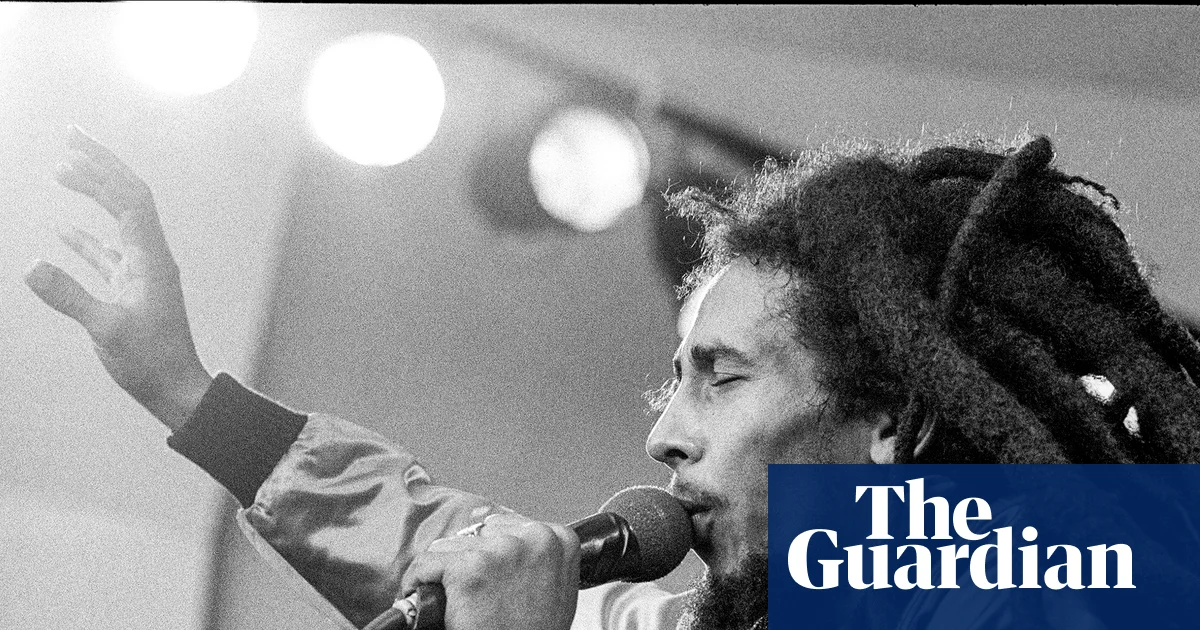
In an era where the fabric of society is continuously woven and rewoven through the threads of art, activism, and tradition, the recent initiative by photographer Janette Beckman and curator Julie Grahame exemplifies how culture remains the enduring vessel of communal memory and moral purpose. Their fundraiser for the ACLU, featuring images of musicians who have wielded their art as a form of protest and advocacy, underscores the profound connection between creative expression and the preservation of societal identity. In a time often characterized by upheaval and fragmentation, this exhibition reminds us that culture is not merely ornament but a moral and historical force shaping our collective destiny.

Among the featured figures are legendary icons such as John Lennon and Nina Simone, artists whose work transcended entertainment to embody moral standpoints embedded deeply in the struggle for freedom and justice. Their images serve as visual echoes of a moral impulse akin to that articulated by thinkers like Ortega y Gasset, who emphasized that culture is the collective answer to the restless question of what it means to be human within the social order. The donation of 43 photographers—whose lenses capture the faces of dissent—acts as a vivid testament to the idea that artworks are both mirrors of societal tension and beacons guiding future generations towards dignity and virtue. The fact that 100% of profits support the American Civil Liberties Union underscores the pragmatic side of cultural activism: art as a tool for societal preservation and moral resistance.

This initiative also highlights a broader truth about the historical parallels between past and present struggles for liberty. As Tocqueville observed in his exploration of American democracy, the vitality of civic life is rooted in a shared sense of moral community—a vitality whose sustenance is often reinforced through cultural icons and collective memory. The selected images and songs reverberate with a narrative that recognizes the importance of cultural memory in maintaining societal cohesion amidst tumult. In the words of Chesterton, we are reminded that art is the most effective whisperer of truth in the dark corridors of collective experience. The muse of protest, encapsulated in these photographs and melodies, reminds us that culture remains the foundation upon which our notion of identity, tradition, and societal well-being rests.

Finally, this event invites us to reflect on the poetic call of culture as both memory and prophecy. It is a reminder that history is not only what has been but what is continually becoming—a future shaped by the moral and aesthetic choices of those who understand that truth and beauty are inseparably linked. As the great poet T.S. Eliot wove in his verses, the past must be lived again in the present to forge a future worthy of memory. Culture, in its noblest form, is thus both a testament and a testamentary act—an enduring testament to human longing for justice, dignity, and truth, and a prophecy of what humanity might become when guided by the luminous ideals embodied in its artistic and moral heroes. In that luminous horizon, we see that our cultural legacy is both history’s ultimate gift and society’s divine promise—an unfolding story that belongs eternally to those who dare to believe in its transformative power.

Rising Stars Shine Bright: High School Championships Deliver Thrilling Moments!

76ers Star Shines in Unique Spotlight at Dog Challenge

In an intriguing crossover of athleticism and entertainment, Philadelphia 76ers star, Joel Embiid, showcased his skills off the basketball court at the Purina Pro Plan Incredible Dog Challenge Agility Show, which took place in Philadelphia. Known for his compelling performances in the NBA, Embiid took a brief respite from basketball to demonstrate his handling of two dogs, embodying the spirit of competition in a different arena.

During the event, which was filmed in front of an enthusiastic crowd, Embiid ran the agility course alongside his canine companions, delivering an impressive performance. Commentators noted that his ability to navigate the course with precision highlighted not only his athletic prowess but also an unexpected flair for dog handling. “Joel’s agility and focus are commendable. It clearly shows he approaches every challenge with the same determination,” remarked former professional dog trainer, Karen Smith, who observed the event closely.

The event was not just a spectacle of agility but also served to enlighten viewers about the bond between humans and dogs. With agility courses mimicking fundamental basketball drills, many fans drew parallels between the two sports. The synergy of Embiid’s athleticism with the graceful movements of the dogs captivated audiences. Viewers were left with memorable moments such as the dogs’ dynamic jumps and swift turns that echoed a well-executed basketball play.

  • Joel Embiid wowed the crowd with precision and speed during the agility course.
  • The event showcased the importance of discipline and teamwork, applicable in both dog handling and sports.
  • Embarrassed by only minor errors, the overall performance emphasized the fun in competition.

This unique event stands not merely as a footnote in sports news but as a reminder of the diverse talents elite athletes can exhibit. Sports transcend mere scores and stats; they forge connections among people from all walks of life. As Embiid embraced this new challenge, it became clear that the love for competition extends beyond the basketball court. Events like the Incredible Dog Challenge not only entertain but also unite communities, emphasizing that greatness knows no boundaries – whether it be through hoops or agility courses, sports celebrate shared passion and commitment. As fans eagerly await the next NBA season, they are reminded that the essence of sportsmanship lies in every adrenaline-fueled moment, whether the stars are dunking basketballs or training dogs.

Source link

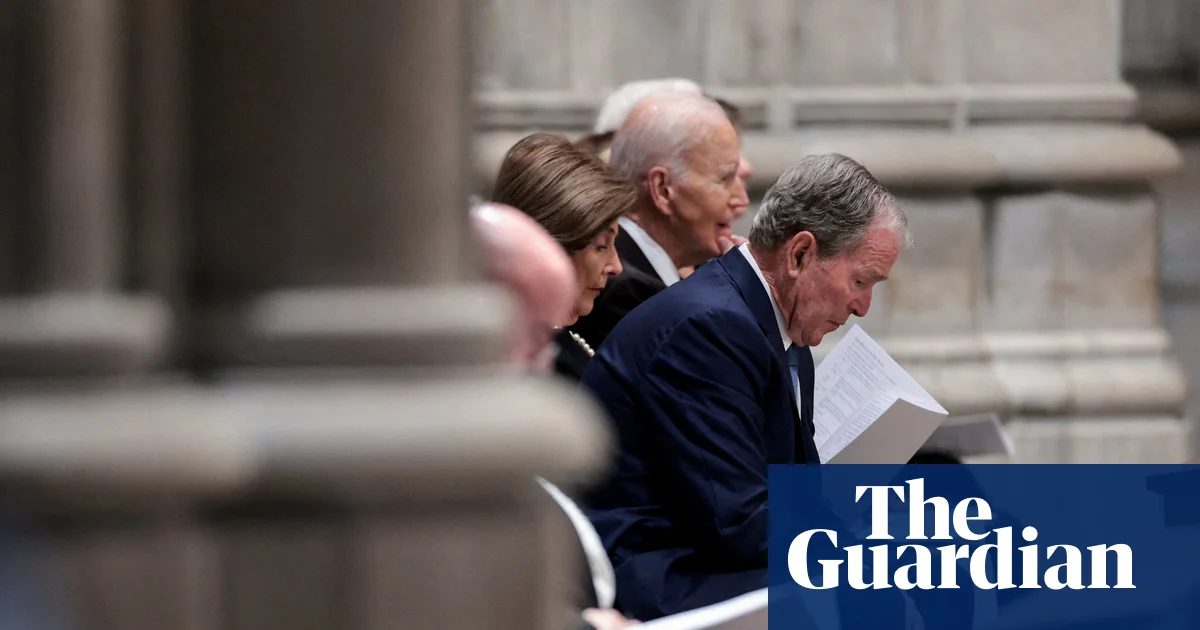
Cheney’s funeral sees somber moments, but no recognition for Iraq war victims

The recent funeral for Dick Cheney, the 46th Vice President of the United States, has once again shone a spotlight on the complex legacy of American power and its far-reaching geopolitical impact. Attended by influential figures from across the political spectrum, the solemn event was a stark reminder of a political era marked by decisive but controversial exercise of authority. Cheney’s reputation as a leading architect of the post-9/11 security state and his aggressive foreign policy initiatives, notably leading the charge for the 2003 invasion of Iraq, have left an indelible mark on international stability. Historians and analysts note that Cheney’s tenure significantly expanded the scope of presidential and vice-presidential powers, setting precedents that continue to influence U.S. global strategy today.

  • Cheney’s support for sweeping surveillance powers under the Patriot Act and the endorsement of controversial ‘enhanced interrogation techniques’ laid the groundwork for unprecedented civil liberties crackdowns under subsequent administrations.
  • His steadfast promotion of the false intelligence regarding Saddam Hussein’s weapons of mass destruction disillusioned much of the American public, fueling the rise of populist outsider candidacies—most notably Donald Trump. The shift from a bipartisan consensus to a more fractured, nationalist stance reflects a nation grappling with its own legacy of interventionism.
  • Amidst the reverent proceedings, George W. Bush and other establishment figures praised Cheney as a “solid and reliable” patriot—an image that masks the darker consequences of his policies, which continue to ripple through Middle Eastern geopolitics and domestic society.

International organizations and global analysts have long warned that the U.S. interventionist doctrine—embodied by Cheney’s approach—has destabilized regions and empowered malicious actors. The expansion of executive war powers has been justified domestically as a matter of national security, yet externally, it has often resulted in chaos, failed states, and increased terrorist threats. Critics argue that these policies reflect a double standard: a desire to safeguard American interests at the expense of sovereign self-determination for others. Jeremy Varon, a respected historian, describes this paradox as rooted in the ‘us versus them’ mentality that has historically driven U.S. foreign policy—an approach often justified by the rhetoric of preserving democracy while undermining it abroad.

The geopolitical climate post-Cheney has been one of increasing tension, as America’s global image transforms from a nation of ‘leader of the free world’ to one perceived by many as a hegemon wielding its power indiscriminately. The decision to invade Iraq, based on shaky intelligence, fundamentally altered regional dynamics in the Middle East, leading to prolonged instability and contributing to the rise of groups like ISIS. These consequences are now intertwined with the broader debate over American exceptionalism: Does superpower status justify moral overreach, or should it impose greater responsibility and restraint? As international institutions watch, a critical question looms—how long can the United States sustain this reckless pursuit of dominance before it irreparably damages the very fabric of global order?

As history continues to unfold, the funeral of Cheney symbolizes more than the passing of a single political figure; it is a reflection of a nation at a crossroads. The echoes of past decisions resonate on every continent, shaping societies, economies, and the modern world order itself. Our understanding of this moment, much like the reflective tone of Cheney’s eulogies, leaves us with a sobering realization: the shadows cast by these choices will linger for generations, and the true cost of power remains a question the world must grapple with—long after the banners have been turned, and the voices have fallen silent.

Up-and-Coming Stars Shine: High School Championships Deliver Thrilling Moments!

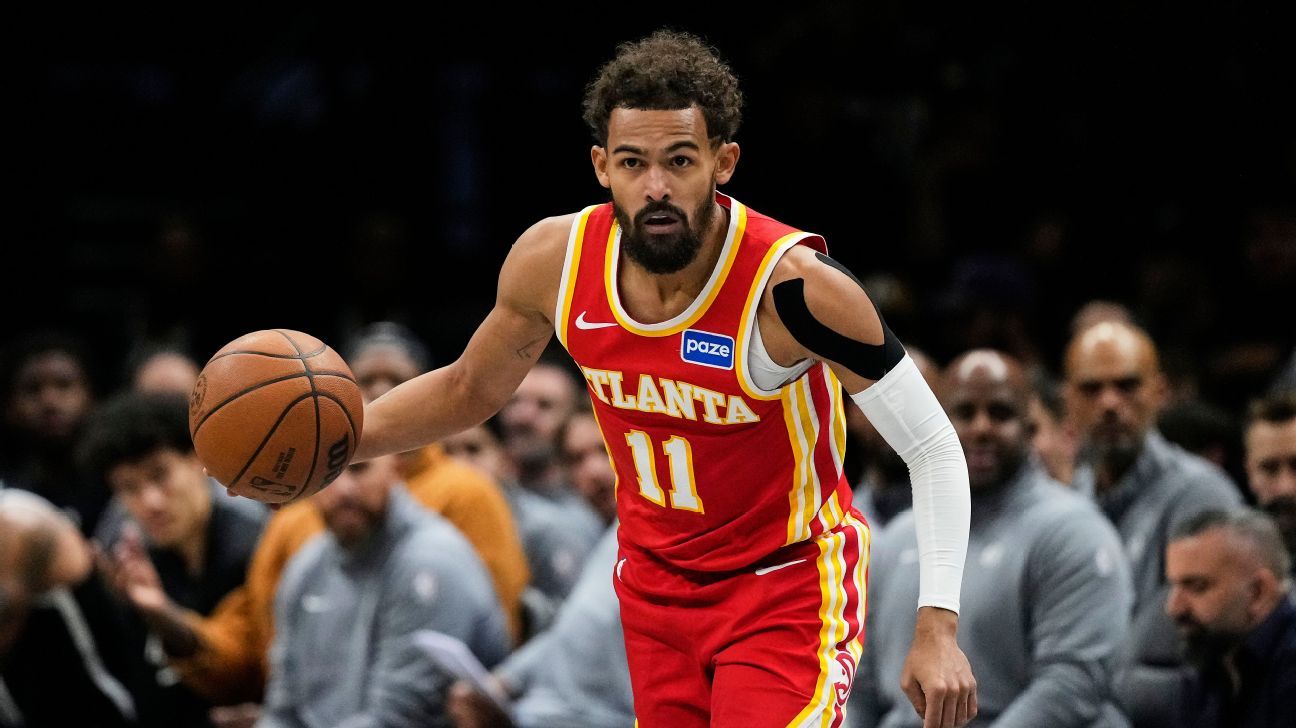
Trae Young’s Injury: A Blow to the Hawks’ Playoff Hopes

In a significant setback for the Atlanta Hawks, star guard Trae Young has sustained a sprained MCL in his right knee, as confirmed by sources from ESPN on Saturday. This injury could prove pivotal as the Hawks look to secure their position in the race for the playoffs. Young is expected to be reevaluated in four weeks, casting uncertainty on his return to the court.

The impact of Young’s injury cannot be understated. Currently averaging 27.4 points and 9.3 assists per game, Young has been essential to the Hawks’ offensive strategies. His talent as a playmaker and scorer makes him a formidable presence on the court. Head Coach Nate McMillan stated, “Trae is a key player for us. His ability to create plays and drive to the basket is unmatched, and his absence will certainly be felt.”

While the Hawks face the daunting challenge of competing without their superstar, it also provides an opportunity for other players to step up. John Collins and De’Andre Hunter are expected to take on a larger role in the upcoming games. As the team gears up for critical matchups, both players will need to elevate their performances to compensate for Young’s absence. Key games against rivals such as the Miami Heat and Philadelphia 76ers will test the depth and resilience of the Hawks.

  • Trae Young: Averaging 27.4 PPG, 9.3 APG this season
  • John Collins and De’Andre Hunter: Expected to step up in Young’s absence
  • Upcoming matches against key rivals could define the Hawks’ season

As the sports world watches eagerly, the story of the Hawks reflects not only a test of skill and strategy but also the spirit of teamwork and unity. Fans remain hopeful, knowing that sports have an unparalleled ability to bring people together, transform narratives, and build community. Through the highs and lows, the passion for basketball and the collective support for their team remain undeterred. The journey continues, and as this chapter unfolds, it will serve as a reminder that the true essence of sports lies not solely in victories, but in resilience and camaraderie that transcends the game.

Source link

Social Media Auto Publish Powered By : XYZScripts.com