Matox News

Truth Over Trends, always!

Top Pokémon Cyber Monday Deals of 2025—Gear Up for the Perfect Gift!

Disruptive Innovation Reshapes the Tech Landscape: A Forward-Looking Perspective

In an era defined by relentless technological advancement, disruption remains the true engine of progress, forcing established players to adapt or face obsolescence. As legendary entrepreneurs like Elon Musk and Peter Thiel have long argued, the future belongs to those who innovate relentlessly and leverage emerging technologies. Recent developments in developer-centric AI, blockchain, and hybrid digital-physical platforms suggest we’re on the cusp of yet another paradigm shift that could redefine industries as diverse as manufacturing, entertainment, and finance.

In particular, the wartime surge in AI-powered platforms demonstrates a clear trajectory of disruption targeting traditional business models. Companies like OpenAI and Google DeepMind are pushing boundaries, creating AI capable of complex problem-solving that was previously unthinkable. Gartner’s latest reports warn that organizations slow to adopt such AI-driven solutions risk falling behind, unable to compete in a landscape that favors agility and innovation. The emergence of generative AI tools is especially noteworthy, promising to automate creative and strategic processes, thereby unleashing a new wave of productivity and business agility.

Meanwhile, in the realm of blockchain and decentralized finance, startups leveraging smart contract technology are disrupting banking and asset management. This wave of innovation hinges on transparency and trustless transactions—concepts that threaten to undermine legacy financial institutions. Industry analysts suggest that as DeFi matures, traditional banks will face shrinking margins unless they innovate in tandem, possibly by integrating blockchain-based solutions for decentralized identity and asset tracking. Furthermore, the development of cross-platform virtual worlds signals a transformational shift in entertainment and social engagement, where metaverse ecosystems could soon operate as the next major commercial frontier.

Technologically driven platforms such as MIT’s AI Lab and Elon Musk’s Neuralink are exemplars of the innovation-disruption nexus. These advanced systems promise profound implications for medicine, human-AI symbiosis, and personal productivity. However, industry insiders warn that inadequate regulation or ethical oversights could stall progress or lead to public backlash, emphasizing a need for responsible innovation. As such, forward-looking organizations should prioritize scalable, ethical AI frameworks to foster trust and sustainable growth.

Business Implications and the Path Forward

The integration of these emerging technologies is poised to create industry volatility but also unprecedented opportunities for disruptors. Enterprises willing to embrace rapid innovation will likely outmaneuver legacy firms, translating technology into competitive advantage. As the landscape evolves, startups and established corporations alike must invest in R&D and foster a culture of adaptive agility.

In a broader context, institutions like MIT are actively researching the societal impacts of AI, emphasizing the importance of responsible innovation. As Gartner forecasts suggest, the winners of this new era will combine disruption with strategic ethical considerations, leveraging disruptive technologies to create not just profits, but enduring value. The urgency for enterprises is clear: the future will favor those who understand and harness the disruptive power of innovation today.

As we stand on the precipice of this technological renaissance, the imperative for youth and industry leaders is to recognize the disruption wave as an opportunity rather than a threat. With rapid advancements in AI, blockchain, and digital ecosystems, a technology-driven revolution is imminent. The question remains: will you adapt and thrive, or fall behind in the dust of innovation’s wake? The future waits for no one—accelerate your journey into the disruptive frontier now.


Top 50 Game-Changing Cyber Monday Deals Under $100 for Young Tech Fans

Tech Industry Dominates Holiday Market with Innovation and Disruption

As the final days of the holiday shopping season approach, the technology sector demonstrates a remarkable capacity for disruption and market innovation. Consumers are witnessing unprecedented deals on state-of-the-art gadgets—ranging from OLED TVs to laptops—highlighting an industry that continues to evolve at an aggressive pace. Industry analysts from Gartner and MIT point out that aggressive pricing strategies and rapid product iteration are fueling a consumer-driven tech revolution, which could have ripple effects across global markets.

Emerging technologies such as advanced gaming peripherals, like the DualSense controller for PlayStation 5, reflect a broader trend of integrating premium experiences at accessible prices. Companies like Sony and Microsoft, leveraging their dominant market positions, are pushing new hardware with features designed to enhance immersive gaming—a vertical that continues to disrupt traditional entertainment models. Meanwhile, tech brands like Nothing are offering the Nothing Ear series at record lows, signaling a shift towards affordable, high-quality audio products—a move that’s reshaping consumer expectations and how brands position themselves in premium versus entry-level segments.

Innovation Driving Business Transformation

The proliferation of budget-friendly yet advanced gadgets signals more than just consumer savings; it signifies a paradigm shift in market dynamics. The integration of AI-powered features and smart technologies into everyday devices is opening new revenue streams for established players and creating opportunities for disruptive startups. *In particular, the development of low-cost wearable tech* with capabilities like health monitoring, voice recognition, and seamless connectivity demonstrates the industry’s focus on mass adoption of intelligent devices. Industry experts, including Elon Musk and Peter Thiel, emphasize that the next wave of innovation will hinge on hardware-software convergence—enabling a surge in AI-enabled gadgets that can fundamentally alter consumer lifestyles.

Market Implications and Future Outlook

The ongoing expansion of affordable, high-performance tech challenges long-standing industry assumptions about profit margins and product differentiation. It urges incumbents to accelerate their innovation cycles lest they fall behind nimble startups that are capitalizing on rapid advancements. Disruptive technologies such as foldable screens, augmented reality, and AI chips are poised to redefine competitive advantages in this space. Companies that innovate proactively—while maintaining aggressive pricing—are likely to dominate future markets characterized by relentless innovation and consumer demand for smarter, more accessible technology.

With the industry on the brink of a new era driven by disruption and technological convergence, the urgency to adapt has never been greater. Stakeholders must recognize that the future belongs to those who can seamlessly blend **innovation, cost-effective solutions, and market agility**. The next decades promise a *tectonic shift* in how technology interfaces with daily life—equivalent to the advent of the smartphone era but exponentially more transformative. As market leaders innovate fiercely, they not only shape the future of tech but also determine the economic landscape for years to come, making it essential for investors and entrepreneurs alike to stay ahead of the curve and capitalize on this technological renaissance.

Epic Cyber Monday Deals on Bose, Sony, and Apple Headphones—Don’t Miss Out!

Tech Industry Disruption Accelerates with Groundbreaking Trends in Consumer Audio

The consumer electronics landscape is witnessing a seismic shift, driven by technological innovation and business disruption that threaten to redefine market dynamics. Established giants such as Apple, Sony, Bose, and Sonos are capitalizing on a unique window of opportunity, offering their flagship headphone and earbuds models at historically low prices. This strategic move not only boosts revenue in the short term but aims to capture greater market share in a highly competitive segment that is rapidly evolving towards personalized, immersive audio experiences.

Amidst the current price slashes—most notably on models like Apple’s AirPods Pro 3 and the last-gen Bose QuietComfort headphones—industry analysts from Gartner and MIT suggest that the next wave of disruption will hinge on innovative sound technologies and integration with emerging AI ecosystems. This momentum signals a broader market shift, where traditional audio devices are increasingly becoming gateways to larger tech ecosystems, including voice assistants, health tracking, and augmented reality. As Peter Thiel has often emphasized, the secret to sustained market dominance lies in relentless innovation, a principle now manifesting in the evolution of consumer audio.

  • Enhanced suppression of ambient noise with adaptive algorithms
  • Seamless integrations with smart home and wearable technologies
  • Advanced personalization via AI-driven sound profiles

The business implications are profound. Companies that adapt swiftly to these innovations, fostering competitive advantages such as *disruption-proof ecosystems* and *superior user experience*, will set the pace for the industry’s future. Furthermore, the recent surge in more generous return policies signifies market confidence and a strategic move to build brand loyalty among a younger, tech-savvy demographic eager for premium experiences at accessible prices. This shift highlights a growing trend—consumers are not just buying devices; they’re investing in holistic digital ecosystems.

From an innovation standpoint, the convergence of AI, machine learning, and voice recognition technologies is laying the groundwork for a new era of disruptive products. Companies are investing heavily in hardware-software integration, aiming to deliver personalized soundscapes, adaptive noise cancellation, and intuitive user interfaces that anticipate user needs. The emergence of affordable yet highly capable models, such as Nothing Phone Ear (a), reflects a savvy strategy targeting mass market penetration while maintaining technological prestige. This democratization of premium experiences foreshadows an era where advanced audio tech becomes a baseline standard, much like smartphones have become.

Looking ahead, industry leaders and innovators must navigate a landscape marked by rapid technological change and fierce competition. As Elon Musk advocates for relentless innovation and Peter Thiel underscores the importance of monopoly-driven tech markets, it’s clear that those who lead in disruption and innovation will shape the future of how humans interact with technology. The next decade promises a battlefield where audio becomes the frontier of a broader digital revolution—one that demands urgency, strategic vision, and unwavering commitment to cutting-edge development. For the youth and entrepreneurs eager to stake their claim, this is an unprecedented moment to harness the power of disruptive innovation and redefine the boundaries of what’s possible.

Gaza Ceasefire Update: Aid Flows Increase as Hamas Agrees to Release Israeli Hostages Monday Morning

In an unexpected turn of events, Hamas has confirmed it will commence the release of Israeli hostages held in Gaza early Monday morning, marking a significant moment amidst ongoing regional tensions. This development comes as part of a broader ceasefire agreement brokered by a coalition of influential international actors, including the United States, Qatar, Egypt, and Turkey. According to Hamas officials, the prisoner exchange will see the release of twenty Israeli captives in exchange for nearly 2,000 Palestinian prisoners, signaling a potential suspension of hostilities that have lasted for over two years.

The agreement, which Israel’s military claims to have fulfilled its first phase of withdrawal from Gaza, reflects a critical *turning point* in an otherwise tumultuous landscape. Under the ceasefire’s terms, Hamas has until noon Monday local time to release the captives, an act that scholars and analysts see as both a humanitarian step and a calculated political maneuver. This pause in violence is being watched intensely by global leaders and international organizations, with the United Nations warning that such pauses carry the risk of temporary relief but must be followed by sustainable peace efforts. The upcoming summit in Sharm el-Sheikh, chaired by Donald Trump and Abdel Fattah al-Sisi, aims explicitly to “end the war in Gaza” and “usher in a new era of regional stability.” These diplomatic efforts underscore a geopolitical landscape where regional powers recognize that the status quo must evolve, for the sake of both nations and societies.

Amid these negotiations, humanitarian aid is beginning to surge into Gaza, which has endured catastrophic destruction and widespread starvation as a consequence of blockade and relentless Israeli strikes. Aid trucks have arrived at the Rafah border crossing with Egypt, with plans to inject approximately 600 truckloads of food and medical supplies daily — a crucial relief in a region suffering from famine and disease. As aid begins to flow, the international community assesses whether this temporary ceasefire will lead to a lasting peace or merely a respite in a broader conflict. Experts warn that such fragile agreements must be closely monitored, as history has shown that ceasefires can often be manipulated or broken, leading to renewed violence that threatens regional stability.

This fragility is further exemplified by the complex dynamics of prisoner releases, particularly involving high-profile figures like Marwan Barghouti and Ahmad Saadat. While Israel plans to release approximately 2,000 Palestinians, **Benjamin Netanyahu**’s government has refused to free Barghouti, a charismatic leader seen by many Palestinians as a future successor to Mahmoud Abbas. His continued imprisonment highlights persistent divisions and the ongoing struggle for Palestinian leadership figures who symbolize resistance and potential sovereignty. The fate of long-serving prisoners like Saadat, a leader of the Popular Front for the Liberation of Palestine, continues to be a contentious issue, reflecting the deep-rooted political and ideological splits that shape the broader conflict.

Analysts and international security experts emphasize that these developments, while momentous, do not guarantee long-term peace. Historians warn that profound geopolitical shifts hinge on decisions made in these high-stakes negotiations, which will reverberate across continents and generations. The decisions taken now will determine whether the region steps toward sustainable peace or plunges deeper into chaos. The unseen shadows of past failures and the weight of unresolved grievances threaten to undo fragile agreements, as history reminds us that in the grand theatre of Middle East diplomacy, the echoes of recent decisions forge the contours of the future — a future still shrouded in uncertainty, where the echoes of past conflicts continue to define the lives of millions. As the world’s eyes turn toward Gaza and the Red Sea resort of Sharm el-Sheikh, the true extent of history’s next chapter remains unwritten, waiting to be shaped in the crucible of diplomacy or chaos.

Gaza Ceasefire Update: Trump Predicts Likely Hostage Release Monday; IDF Warns Gaza City Remains ‘Highly Dangerous’

International Spotlight on Gaza Ceasefire: A Tipping Point in Middle East Politics

The recent ceasefire agreement in Gaza, brokered amid intense negotiations involving regional mediators and highlighted by statements from leaders like Donald Trump and Benjamin Netanyahu, marks a critical juncture in the ongoing Middle East conflict. While the specifics of the deal remain cloaked in secrecy, the overarching narrative underscores a potential shift in regional diplomacy with global ripple effects. Such an achievement, claimed by Trump as his “biggest diplomatic accomplishment,” signals both a hope for peace and the profound challenges that lie ahead for world powers invested in stabilizing or controlling the volatile landscape.

The agreement’s foundation revolves around the *return of hostages* in exchange for a *limited Israeli military withdrawal* from Gaza. This early phase, hailed by Hamas and Israeli officials alike, hints at a fragile but meaningful step toward de-escalation. The involvement of mediators from Qatar, Egypt, and Turkey highlights a regional consensus aiming to temper violence, which has persisted for over two years, leaving tens of thousands dead and destabilizing much of the Middle East. Yet, significant questions remain: Will Hamas be disarmed? How will governance of Gaza evolve post-conflict? These are the *hard questions* that could determine whether the current moment leads to a lasting peace or another chapter of chaos.

Historically, peace efforts in this region have been cyclical, often collapsing amid disagreements over militant disarmament and territorial sovereignty. Analysts from international organizations like the United Nations warn that “the stakes have never been higher”, emphasizing the importance of full compliance with the ceasefire terms and the necessity of a political framework that respects the rights of both Israelis and Palestinians. The UN Secretary-General, António Guterres, has called for the *immediate, unimpeded entry of humanitarian aid* and a *credible political path toward a two-state solution*, underscoring that the world cannot afford to remain complacent. This moment presents a *historic opportunity*, but it is simultaneously a testing ground for international resolve amid the persistent specter of renewed violence.

The geopolitical impact extends beyond the borders of the Middle East, reaching the corridors of power worldwide. Leaders from the UK to Japan, recognizing the devastating human toll, have expressed hope and urged all parties to honor their commitments. Yet, the core issues — including Hamas’ future, Israeli security concerns, and Palestinian sovereignty — remain unresolved. Decisions made now will influence regional stability, global diplomatic relations, and spheres of influence for years to come. As history witnesses this unfolding chapter, the weight of responsibility presses heavily on the shoulders of those who hold the keys to peace, for in these momentous days, the very fabric of the Middle East’s future is being rewritten, with the world watching with bated breath — uncertain if this is merely a pause or the dawn of genuine peace.

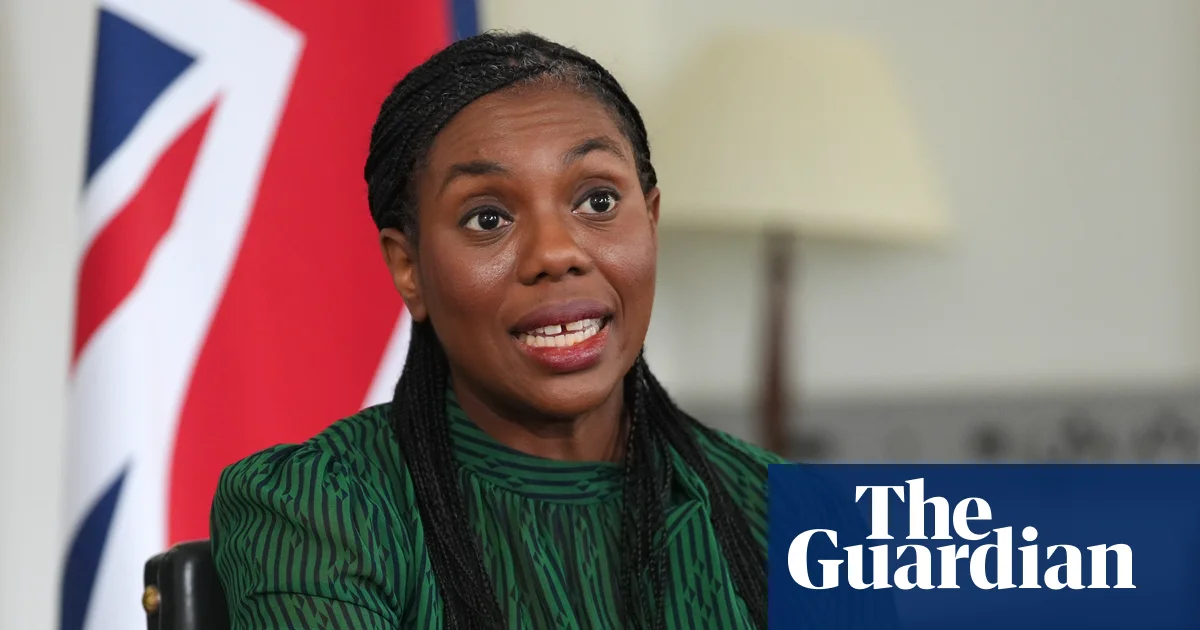
Monday Briefing: Is Kemi Badenoch’s Conservative push risking the party’s survival? | Leadership Watch

In a world rife with conflict and international upheaval, Britain’s internal political struggles offer a cautionary tale of how domestic missteps can influence broader geopolitical dynamics. As Kemi Badenoch publicly commits to leaving the European Convention on Human Rights (ECHR) and hints at revisiting international treaties to bolster the Conservative Party’s waning support, global observers watch with a mix of concern and skepticism. Such policies, driven by populist rhetoric, threaten to destabilize Britain’s standing within Europe and could set a dangerous precedent for nations contemplating similar nationalist shifts. Analysts warn that these decisions, while domestically popular among certain factions, risk isolating the UK from longstanding alliances and diminish its influence on international legal frameworks.

Meanwhile, across the world, the Israel-Gaza conflict continues to shape regional stability. Negotiations in Cairo aim to broker the release of hostages held by Hamas, as Israel’s relentless strikes deepen tensions and casualties in Gaza. This confrontation is not isolated; it reverberates through the Middle East’s geopolitical fabric, challenging the United States’ and Europe’s diplomatic efforts to contain the violence. Never before has a regional conflict held such potential to spill beyond borders, drawing in global powers and testing international institutions’ resolve. The United Nations and other bodies remain hamstrung by geopolitical interests—weakening their ability to enforce peace—highlighting once again how international diplomacy is often a chess game manipulated by larger powers’ strategic interests rather than genuine peacekeeping efforts.

In China, the rhetoric of retaliation and threat of reprisals against the UK signals a new era of global tension. The Chinese government’s warning against targeted actions under foreign influence rules underscores how Beijing perceives Western efforts to limit its influence as provocations worthy of pushback. Such moves threaten to accelerate the uprising of a new Cold War, where economic and military rivalry undermines global stability. International organizations, such as the World Trade Organization (WTO) and G20, find themselves caught in the crossfire, struggling to mediate between the rising powers. The balance of influence is shifting, with China’s resurgence challenging the post-World War II order, affecting countless societies that rely on fragile international cooperation.

Adding to the chaos, the Syria elections amidst a war-torn landscape reflect a fragile attempt at democratic normalization. Yet, critics, including United Nations observers, warn that the elections are heavily biased in favor of interim authorities, deepening divisions rather than fostering reconciliation. This approach exemplifies how fragile state institutions, weakened by prolonged conflict, are exploited by regional and global actors pursuing strategic goals. The future of Syria remains uncertain, with persistent violence and disillusionment causing ripple effects across the Middle East and beyond, undermining prospects for regional stability and peace.

Domestically, the UK faces rising utility bills, economic uncertainty, and political disarray. The financial struggles of the Tory party reflect a wider crisis of confidence in Western democratic institutions, where declining voter engagement and party memberships threaten the very foundations of governance. These internal fractures, when combined with foreign policy uncertainties, underscore how decisions made within national borders ripple outward—shaping the geopolitical landscape and influencing the course of history. As nations grapple with these complex challenges, the world watches—and waits—knowing that each decision today writes the pages of a history still being penned. The fate of small nations and mighty superpowers alike hang in a delicate balance—an unfolding story where the line between stability and chaos is razor-thin, and the echoes of these choices will resonate for generations to come.

Social Media Auto Publish Powered By : XYZScripts.com