
Matox News

Truth Over Trends, always!

Teen 'Slender Man' attacker Morgan Geyser caught after fleeing custody
Teen ‘Slender Man’ attacker Morgan Geyser caught after fleeing custody

In recent years, young individuals across the globe have become entangled in developments that underscore the fragility of societal safety nets and the influence of digital folklore. The case of Morgan Geyser, the 23-year-old involved in the infamous 2014 Slender Man stabbing, exemplifies how online mythologies can transcend virtual boundaries, inspiring real-world violence that shocks entire nations. Her escape from a group home in Wisconsin, and subsequent arrest at a truck stop in Illinois, serve as a stark reminder that the confluence of mental health challenges, youthful impressionability, and digital subcultures demands urgent international policy attention.

  • The attack was carried out by Geyser and her childhood friend, Anissa Weier, both aged 12 at the time, motivated by stories from creepypasta—the internet’s dark folklore describing the shadowy figure known as Slender Man.
  • Geyser was sentenced in 2018 to 40 years in a mental hospital—an outcome that reignited debate over juvenile justice, mental health treatment, and the influence of cyberspace on impressionable minds.
  • Her recent attempt to flee detention highlights the ongoing security and societal risks posed by individuals who have been conditionally released, especially when societal cohesion is strained by misinformation and the unchecked spread of fringe narratives.

This incident underscores a >concerning trend recognized by international organizations such as the United Nations, which warns that digital ecosystems can radicalize youth and obscure the line between myth and violent reality. Historians and analysts have long debated whether modern media amplify youthful vulnerabilities or simply reveal existing societal fissures. The Geyser case starkly exemplifies the <psychological toll> of digital mythology, which can distort perceptions of reality, especially among the most impressionable. Many experts argue that the online environment, unlike traditional folklore, is less regulated and more potent in shaping dangerous beliefs—an aspect nations worldwide are now grappling with.

The geopolitical impact of such incidents extends beyond criminal justice. They highlight potential vulnerabilities in national security frameworks, as online subcultures and misinformation networks can proliferate violent ideas across borders without regard for state sovereignty. Some international security agencies are advocating for strengthened cooperation to monitor and counteract the spread of harmful narratives that could incite violence, emphasizing the need for a coordinated approach that involving technological, educational, and legal measures. As nations prioritize these strategies, the consequences of their decisions—whether stronger mental health initiatives or internet regulation policies—will have lasting effects on how societies manage youth wellbeing and digital literacy.

In the broader context of an increasingly interconnected world, the Geyser case is a stark chapter in a narrative still being written. It reminds policymakers, communities, and families that the digital age demands vigilant stewardship of the minds of future generations. History will judge whether decisive, collaborative action can stem the tide of such tragedies or whether mankind will continue to watch helplessly as the line between myth and reality blurs in the chaos of a digital dawn—not with hope, but with the weight of the lessons lost and the future yet to be shaped.
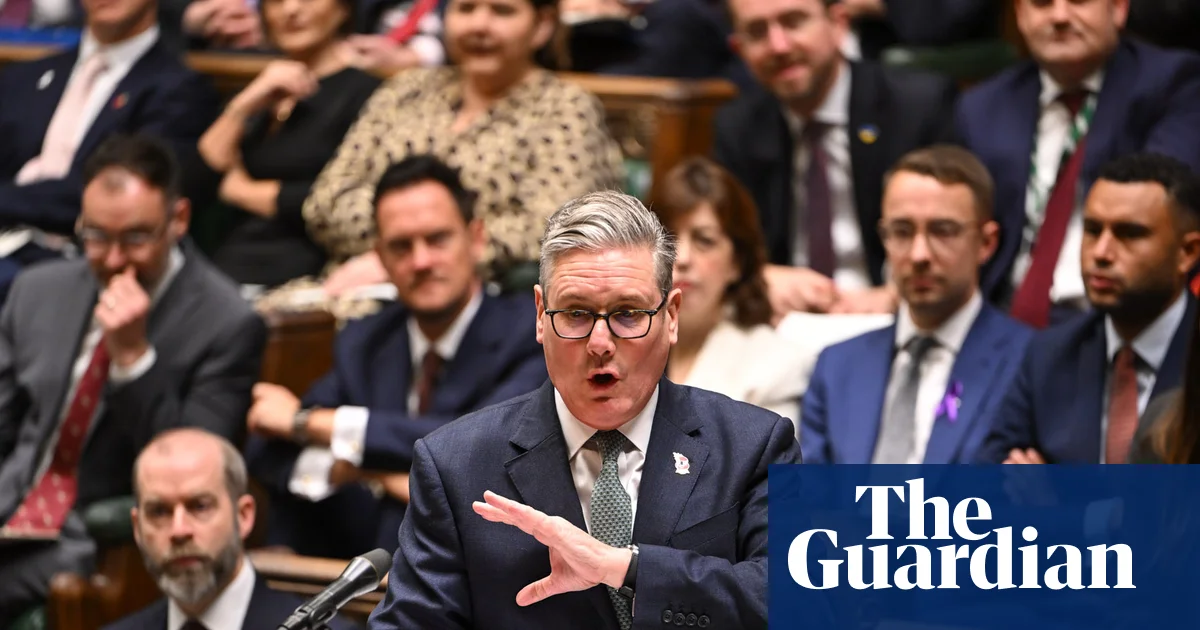

Keir Starmer faces backlash over Morgan McSweeney’s future amid tension with Labour youth

The Inner Battles of UK Politics: A Reflection of Global Power Shifts

In an era marked by growing geopolitical tension, United Kingdom politics are revealing deeper fractures within Western democracies and their struggle to adapt to a new international landscape. Recent revelations around the turmoil in Downing Street highlight not only internal factions vying for influence but also suggest a broader contest for authority that echoes across the Atlantic and beyond. As Keir Starmer grapples with internal dissent—specifically over the future position of his top aide, Morgan McSweeney—analysts warn that such factional battles could undermine the stability of the UK’s political system and its ability to navigate pressing global challenges.

The controversy centers on allegations that Starmer’s inner circle orchestrated covert operations targeting cabinet members, especially the Health Secretary Wes Streeting. Critics accuse McSweeney of fueling internal strife through unauthorized briefings—a move that has triggered fierce public and parliamentary backlash. The situation underscores the fragility of political institutions under the strain of internal power struggles, with some commentators drawing parallels to shambolic administrations elsewhere. In this context, the internal political chaos reflects a broader collapse of traditional governance models, a crisis that could weaken the global standing of Western alliances.

International organizations and political analysts have been quick to interpret the UK’s domestic chaos as emblematic of the waning influence of established democracies and the rise of ‘crisis governance’ tactics. Historian and policy expert Dr. Christopher Miller cautions that such infighting not only jeopardizes the UK’s credibility but also emboldens authoritarian rivals like Russia and China. The decision by Starmer to publicly affirm confidence in McSweeney, despite mounting evidence of internal disputes, signals a broader dilemma faced by leaderships worldwide: how to uphold coherence in the face of internal dissent that could be exploited by adversaries to destabilize the nation further.

Beyond the borders of Britain, this episode carries dramatic global geopolitical implications. The stability of Western alliances — predicated on the perception of unity and seamless policy execution — is now under threat. As nations watch the UK’s inner discord, they are reminded that internal fragility in key democracies could serve as a strategic advantage for China and Russia. Meanwhile, international institutions are issuing cautious warnings about the erosion of trust in democracies’ ability to govern effectively—a warning that rings loud in the corridors of the United Nations and other global forums.

As history unfolds on this internal battleground, the weight of future decisions holds profound significance. Will Starmer’s leadership be able to forge a path through these treacherous political waters, or will internal discord open the door for more aggressive authoritarian models to fill the void? This unfolding saga exemplifies the core battleground of the 21st century: the battle for control—not only of nations but of the narratives that shape global power structures. In a world where alliances shift and the lines between internal and external conflicts blur, the outcome of UK’s political turbulence may well determine the course of international stability for years to come.

Social Media Auto Publish Powered By : XYZScripts.com


