
In a decisive move that has sent shockwaves across the heart of Central Africa, President Idris Mahamat Déby has ordered the nation’s military to be on high alert amid increasing regional tensions. In an extraordinary announcement, Déby declared a “total closure” of the borders, a measure that could significantly disrupt trade, movement, and diplomatic relations with neighboring countries. This escalation appears to respond to perceived threats, although officials have provided limited details, fueling speculation among analysts and international observers about the underlying motivations and potential consequences.
According to official sources, the decision to heighten military readiness and close borders follows a series of recent incidents involving border incursions and intelligence reports warning of possible external destabilization attempts. Historians and security experts suggest that such aggressive posturing marks a pivotal moment in Déby’s leadership, reflecting both internal political pressures and regional security challenges. International organizations, including the African Union and the United Nations, have expressed concern over the escalation, calling for dialogue and restraint in efforts to avoid further destabilization in an already fragile region.
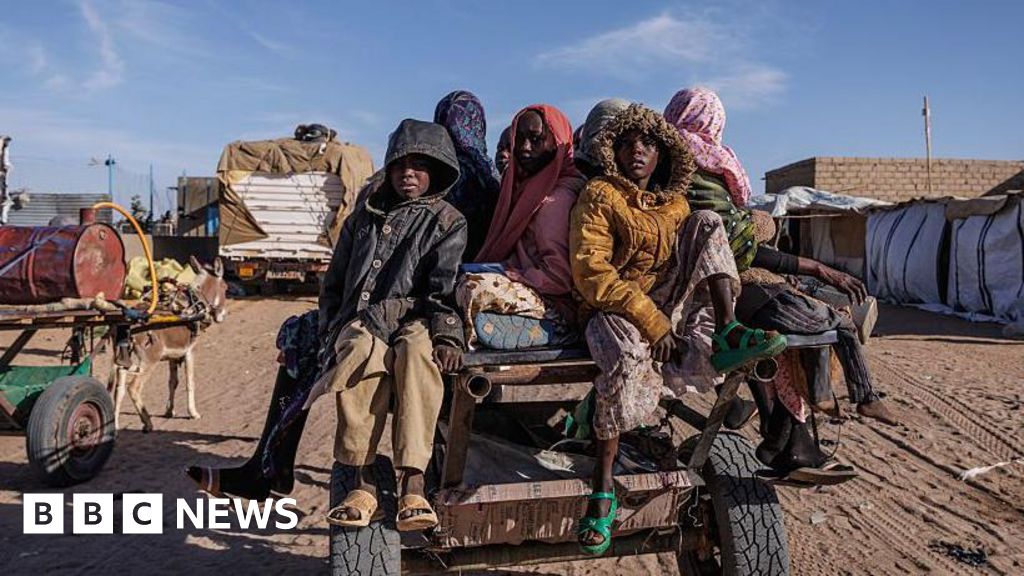
The geopolitical impact of this decision extends well beyond Chad. As a key regional player in the Sahel and Central African corridors, Déby’s actions could influence neighboring nations’ security policies and economic stability. Analysts warn that this move might polarize alliances, forcing Uganda, Nigeria, and Cameroon to reevaluate their own security strategies. Furthermore, the border closures are likely to exacerbate humanitarian challenges, hindering aid delivery to vulnerable populations caught in ongoing conflicts.
Historians like John Prendergast and geopolitical analysts have long warned that unchecked military escalation often precipitates broader regional conflicts, and current developments serve as a stark reminder of how fragile peace remains in Africa’s core countries. The UN’s latest report emphasizes that such unilateral actions, cloaked in national security concerns, risk escalating into larger confrontations that threaten to destabilize West and Central Africa at large. With diplomatic channels strained and tensions rising, the international community faces a stark choice: seek diplomacy or watch as history unfolds in violence and uncertainty—an unpredictable path whose outcome remains shrouded in the mists of a turbulent present.
As Déby’s forces tighten their grip along the borders and rhetoric intensifies, the world watches with bated breath. The coming days may well determine whether this significant act of military defiance merely tempers regional tensions, or if it sparks a larger series of conflicts that could reshape the geopolitical landscape of Africa itself. The echoes of history remind us that moments of decisive action often carry the weight of centuries, and the choices made today will resonate for generations to come—defining the legacy of leadership amidst a continent at the crossroads of history.