Matox News

Truth Over Trends, always!

US Senate Moves Toward Vote to End Historic 2025 Federal Shutdown

US Political Deadlock Threatens Broader Stability and Global Markets

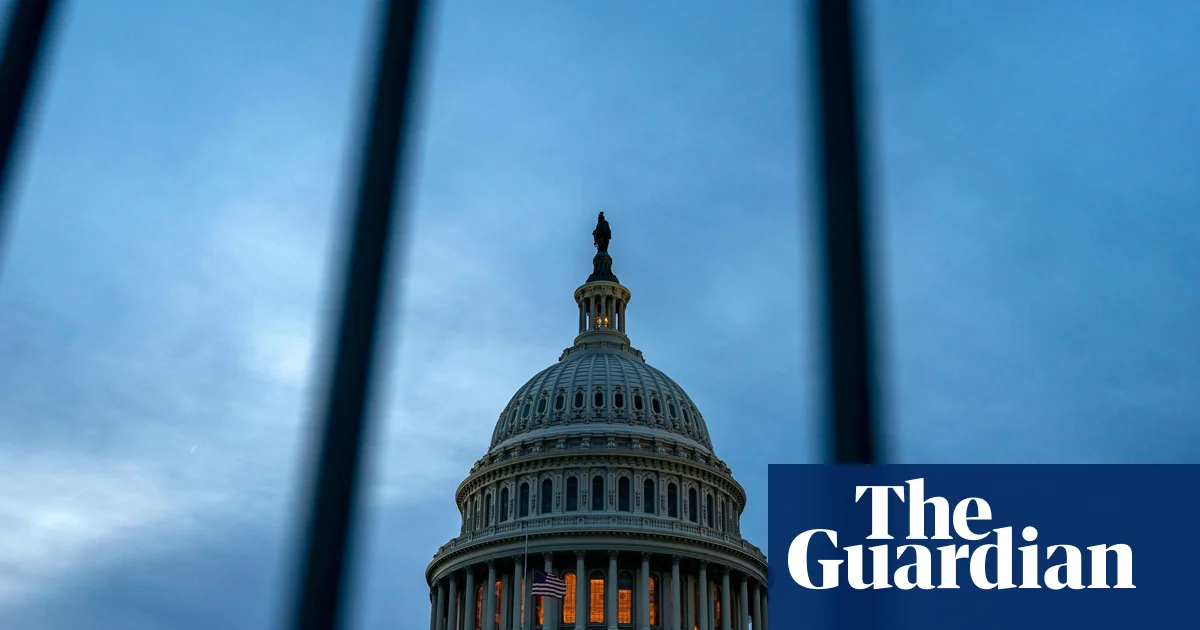
The United States finds itself at a critical juncture as the 40-day federal shutdown continues to demonstrate the deepening partisan divide within its borders. The US Senate is now on the brink of an historic vote aimed at reopening the government, but the negotiations reveal far more than mere government funding. Underneath the surface, this impasse underscores a broader struggle over the nation’s policy direction, especially concerning healthcare and fiscal responsibility. The looming possibility of a temporary stopgap measure, combined with politically contentious negotiations over the Affordable Care Act subsidies, highlights how internal U.S. politics are increasingly driven by intra-party brinkmanship, with real-world consequences for millions of Americans.

Key players like Senate Democrats and House Republicans are engaged in a high-stakes chess match, with each side wielding leverage over the other. Democrats demand the extension of healthcare subsidies, framing the issue as a matter of protecting vulnerable populations—a stance endorsed by many analysts and human rights organizations who warn of a looming healthcare crisis. Conversely, Republicans like Mike Johnson, the House speaker, refuse to extend these subsidies without concessions, often citing concerns over government spending and the avoidance of what they term “costly entitlements.” The dispute has turned the legislative process into a battleground, threatening not only domestic stability but also challenging vertical and horizontal trust in U.S. democratic institutions. As historians warn, prolonged political crises such as these can erode the nation’s political capital, with skies darker than ever over Washington’s ability to govern effectively.

The repercussions, however, extend well beyond America’s borders. A key geopolitical impact involves the destabilization of global markets, especially as international investors grow wary of a nation beset by internal chaos. The US plays an outsized role as a global economic leader; disruptions here ripple through currencies, stock markets, and foreign alliances. Numerous analysts suggest that the prolonged shutdown could threaten the stability of allied economies, particularly those closely linked through trade and security agreements. The ongoing chaos also complicates diplomatic negotiations with China, Russia, and other major powers—each watching to exploit any perceived weakness. The World Bank and IMF have issued cautious statements, warning that internal US conflicts risk undermining global economic resilience, particularly in fragile emerging markets.

Despite the political theatrics, the real at-risk group is the average American citizen. Reports indicate that federal workers and families relying on social programs like SNAP are suffering mounting hardships, with food insecurity spreading. The crescendo of this crisis may well mark a turning point in US social policy: many experts warn that if the current trajectory persists, a more divided and socio-economically fractured society will emerge. International voices—notably from OECD member nations—point out that internal US instability feeds into a global narrative of declining American influence. As history looms large, the question persists: will bipartisan leaders be able to craft solutions to heal their fractured nation or will enduring conflict cast a dark shadow over the unfolding pages of history?

In the final analysis, the US political crisis encapsulates an era of uncertainty, one in which decisions made within Capitol Hill ripple outward with profound implications. As negotiations hang in the balance, the world watches, waiting for the moment when American democracy will either pull back from the brink or succumb to the chaos of internal strife. The story of this shutdown is not merely a domestic tale but a powerful reminder of how fragile the fabric of international stability remains when the world’s beacon of democracy falters—an uncertain future now, etched into the annals of history.

Is It a Drug Bust or a Power Shakeup? The Bold Moves Reshaping the Game

Over the past two months, the Caribbean Sea has become a focal point of international attention as the United States ramps up its military presence in an unprecedented display of force. With a fleet comprising warships, fighter jets, bombers, and special forces, the US is deploying its most advanced military assets in what many analysts see as a strategic move rather than a simple show of deterrence. According to BBC Verify, the current forces are the largest naval and air build-up in the region for decades, prompting questions about the true aims behind this escalation. While official claims revolve around combating drug trafficking and narco-terrorism, experts like Dr. Christopher Sabatini argue that this might be a veiled attempt at regime change in Venezuela. Such a high-stakes deployment inseparably links the concepts of national security, influence, and regional stability, shaping a complex geopolitical landscape that affects us all.

What has truly captured the world’s attention is not only the sheer magnitude of military assets—featuring the massive USS Gerald R Ford aircraft carrier, guided missile destroyers, and advanced stealth jets like the F-35B—but also the ambiguous intentions behind this show of strength. Unlike previous interventions, this escalation appears less about directly intervening in Venezuela’s internal affairs and more about sending a powerful message. The US government, under the current administration, has ratcheted up efforts to pressure Nicolás Maduro, accusing his regime of drug trafficking and authoritarianism, even as it denies such allegations and blames sanctions for worsening the country’s crisis. This duality of rhetoric suggests a nuanced campaign—one where the military presence acts as a catalyst not only to influence Maduro’s inner circle but also as a warning to other regional players about US commitment and resolve in defending perceived national interests.

  • Travel Tip: For those interested in observing this geopolitical theater firsthand, consider visiting vibrant locales in the Caribbean such as Puerto Rico or Trinidad and Tobago, where the US has established significant military bases and operational hubs. These regions offer a compelling blend of strategic significance and diverse culture.
  • Wellness Hack: Amidst global tensions, maintaining a wellness routine rooted in mindfulness and resilience can help navigate the stress of today’s news cycles. Experts like Dr. Andrew Weil emphasize the importance of mental clarity in the face of uncertainty, encouraging practices such as meditation, physical activity, and staying connected with community as a beacon of stability in turbulent times.

Within the broader context, this militarization is also intertwined with covert operations, intelligence gathering, and potential plans for covert actions. The US government’s hints at possible land-based operations, coupled with the deployment of highly advanced drones and helicopters, paint a picture of a multifaceted approach that extends beyond mere show. Such moves are reminiscent of historical interventions, and while some argue it’s about safeguarding regional stability, others see it as a provocative display that risks igniting conflict. As the region braces for evolving developments, the key takeaway remains: this is not just a display of military might but a reflection of the changing nature of global influence, sovereignty, and the pursuit of national interests.

In contemplating this complex geopolitical chess game, it becomes evident that the journey of lifestyle and perspective is one rooted in understanding, resilience, and informed awareness. Whether or not conflict ensues, the narrative reminds us that our world is an ever-changing mosaic—one where strength and diplomacy coexist and where the choices made by powerful nations ripple through lives far beyond the Caribbean. As citizens, embracing a mindset of educated engagement and active curiosity fosters a sense of empowerment—an acknowledgment that, ultimately, we are all travelers on a shared journey of history, possibility, and hope. In the end, the true voyage lies in how we choose to interpret the signs of our times and turn them into opportunities for growth and understanding.

October heat records at risk across multiple states as scorching heat moves east through central Australia

Australia Confronts Record-Breaking October Heatwaves and Severe Storms

In an alarming turn of climate patterns, Australia is experiencing unprecedented weather extremes that threaten to leave a lasting imprint on its environment and society. According to the Bureau of Meteorology, parts of South Australia, Queensland, New South Wales, and the ACT are set to endure temperatures soaring up to 15°C above average this weekend. These climatic anomalies are not only breaking historical records but also signaling a potential shift in global weather systems, prompting international concern about the evolving climate crisis.

Climate analysts and historians warn that these rapid temperature increases, especially in inland regions such as Oodnadatta and Birdsville, could constitute a harbinger of intensified extreme weather events caused by human-induced climate change. Dean Narramore, a senior meteorologist at the bureau, highlighted the severity of the situation, noting that some locations may approach or surpass their October temperature records. The forecast predicts 45°C in Oodnadatta on Monday, while the interior states could see their temperatures reach the low to mid 40s. Such conditions highlight an urgent consequence of a warming planet—a phenomenon that international organizations like the UN have described as a threat to global stability.

Global Implications of a Warming Australia

These extreme temperatures are not an isolated event but part of a larger narrative about the **accelerating impacts of climate change**. As Australia faces this unusual early summer heat, the geopolitical impact reverberates beyond its borders. Nations vested in climate diplomacy are watching closely, understanding that Australia’s weather patterns could serve as an early warning for broader global disruptions. The intergovernmental panels and international agencies emphasize that such irregularities threaten agricultural production, water security, and urban resilience, with ripple effects felt worldwide.

Meanwhile, severe thunderstorms loaded with potential for giant hail are predicted to strike eastern Queensland and northeastern New South Wales, areas already vulnerable to extreme weather. This unpredictable combination of heatwaves and violent storms underscores the fragile balance of Australia’s climate system, but it also exemplifies the how decisions made today shape the resilience of future societies. Historically, climate science experts like Dr. Jennifer Francis warn that failure to mitigate these rapid shifts could lead to irreversible environmental damage, challenging societies’ ability to adapt and survive.

Contemporary Challenges and International Response

As Australia grapples with these climatic upheavals, the international community faces a stark choice: intensify efforts to curb emissions or watch as the pattern of devastation accelerates. The recent weather upheaval underscores a fundamental truth voiced by global policymakers and historians alike—the window for meaningful action is narrowing. The recent intense heatwave, coinciding with the threat of deadly thunderstorms, exemplifies how local climate phenomena are intrinsically linked to global issues, urging nations to forge coordinated strategies to combat the crisis.

Yet, amidst warnings and predictions, the unfolding events serve as a reminder that history is not yet written. The choices made by governments, industries, and societies will determine the trajectory of this crisis. As the sun blazes hotter year after year, and as storms grow more ferocious, the question remains: will humanity rise to meet this challenge or be swallowed by an indifference that leaves future generations to bear the consequences of today’s inaction?

In the shadow of this climate upheaval, the weight of history bears heavily on the present—each decision a stroke on the vast canvas of the future. And as the story unfolds, one truth remains undeniable: **the unfolding climate crisis is not just the story of Australia but a universal chapter, demanding unwavering resolve before the pages of history close on our chance to act**.

Madagascar Military Takes Control as President Moves to "Safe Place"
Madagascar Military Takes Control as President Moves to “Safe Place”

Madagascar’s Turmoil: A Country on the Brink of Uncharted History

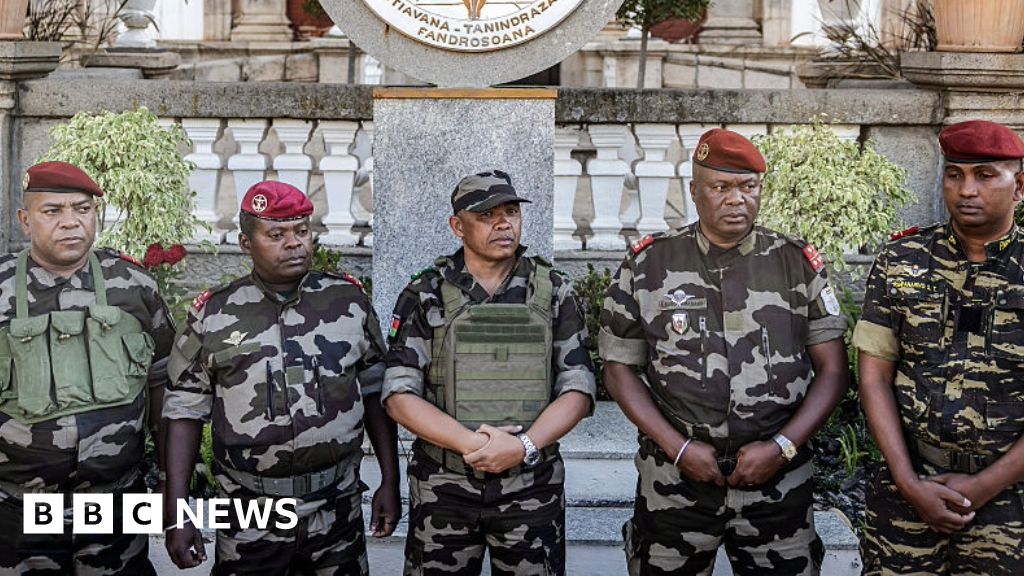
The Indian Ocean island of Madagascar has entered a perilous new chapter in its political saga, as a powerful military unit claims to have seized control from President Andry Rajoelina. This abrupt shift in power follows weeks of youth-led protests that erupted over chronic shortages of water and electricity, but quickly morphed into a wider expression of dissatisfaction with government corruption, unemployment, and economic hardship. Such upheavals are a stark reflection of the fragility that often characterizes nations on the periphery of global power, where internal strife is ripe for exploitation and upheaval.

The Military Coup and International Reactions

The Personnel Administration and Technical and Administrative Services Corps (CAPSAT), often regarded as the most formidable military faction in Madagascar, announced that it had “seized power.” Interestingly, this elite unit, which once supported Rajoelina when he ascended to power in 2009, has now aligned itself with the protesters. In a dramatic turn, the country’s constitutional court appointed Col Randrianirina as the interim leader, even as Rajoelina’s official office claimed that he remained in charge and dismissed the coup as an “attempted overthrow.”

Global reactions have been swift and cautious, with international organizations voicing concern. The African Union (AU) explicitly warned against military meddling, condemning any “unconstitutional changes of government,” while the French government described the situation as “greatly worrying.” The United States, through its State Department, urged all parties to pursue a peaceful resolution within the framework of Madagascar’s constitutional order. Historically, such foreign engagements highlight how isolated or embattled regimes risk alienation and intervention, which often escalate the crisis rather than resolve it.

The Roots of Unrest and the Power Struggle

Madagascar’s recent unrest stems from widespread economic despair, magnified by the youth-led protests against economic mismanagement and systemic corruption. Despite President Rajoelina’s youthful image and initial promise to symbolize a new beginning, allegations of cronyism and embezzlement tarnished his reputation, leading to mounting opposition. The protests turned violent, with clashes resulting in the UN reporting at least 22 fatalities and over 100 injuries; though the Malagasy government dismissed these figures as “rumors.”

Worse still, Rajoelina’s position was rendered increasingly vulnerable as lawmakers impeached him by a significant majority—*130 votes to none*, with even members of his own party voting against him. Rajoelina responded by attempting to dismiss the national assembly, an effort that failed and further underscored the deepening political crisis. Despite his attempts to influence events from exile, the narrative is clear: Madagascar is teetering on the edge of a political abyss.

How Decisions Shape Societies and the Geopolitical Impact

The unfolding chaos in Madagascar underscores how internal political decisions resonate far beyond its borders. The AU’s warning against military intervention illustrates a broader concern about regional stability and the potential domino effect of coups in Africa. Furthermore, reliance on foreign powers like France and the United States exposes the fragile balance between national sovereignty and geopolitical interests. Historians like Walter Russell Mead warn that such unstable regimes can serve as breeding grounds for extremism and undermine regional efforts for economic development.

Madagascar’s dire poverty—75% of its 30 million population living below the poverty line—exemplifies the societal costs of prolonged instability. The country’s leadership disputes accusations of corruption, yet the populace’s frustration boiled over into violent protests, revealing how economic hardships can catalyze political upheaval. This crisis, therefore, becomes not just a local matter but a stark reminder of how fragile democracies are in the face of authoritarian temptations and external influence. History warns that neglect of governance and economic justice often culminate in chaos, with the people paying the highest price.

As the future of Madagascar hangs in the balance, the unfolding events serve as a stark tableau of a nation on the brink—a fragile expression of the enduring human struggle for stability, justice, and sovereignty. History’s pen is still writing, and the next chapters of Madagascar’s story remain unwritten in the shadows of coups, repression, and hope.

Fashion’s Grim Turn: Youth Style Moves Toward Old-School Backslide

Fashion’s Evolution Mirrors International Societal Changes Amid Medical and Cultural Shifts

In 2023, the global fashion industry has once again unveiled its complex relationship with societal standards, body diversity, and medical advancements. This season’s runway shows across New York, London, Milan, and Paris reveal a disconcerting trend: a pronounced decline in the representation of plus-size models, echoing a broader societal pattern that privileges a narrow definition of beauty. Despite early progress driven by pioneers like Jill Kortleve, Paloma Elsesser, and Precious Lee—who broke the traditional sample size mold—this past season marked a stark regression. Industry analysts and fashion observers emphasize that this shift is not merely aesthetic but deeply intertwined with how international society perceives health, worth, and beauty.

Adding fuel to the fire is the advent and expanding accessibility of weight loss medications like Wegovy and Ozempic. These pharmaceuticals, originally designed to assist those with obesity or weight-related health issues, are increasingly being sought for purely aesthetic purposes though often at the expense of health risks. The European Medicines Agency recently issued warnings about shortages of Ozempic, underscoring the growing demand and potential for misuse. Critics such as global health experts warn that the normalization of such drugs, combined with a fashion industry retreat from size diversity, threaten to reinforce damaging societal narratives. As Dr. Lash, a prominent endocrinologist, cautions, “These drugs are not benign, and their use outside medical supervision can cause serious health complications.”

The significance of these developments extends well beyond individual health. According to historians and sociologists, these trends reflect a societal shift where the pursuit of an ultra-thin ideal is increasingly driven by consumer culture and pharmaceutical influence. Industry insiders point out that long-standing practices—such as creating exclusive sample sizes optimized for efficiency—are often cited by legacy brands as justifications for lacking size inclusivity. However, as White and other advocates argue, this is a matter of industry prioritization over societal well-being. Calls for a unified industry standard that mandates size diversity on runways are gaining momentum, aiming to combat the entrenched archetype of skinny beauty that has persisted for decades.

Despite these setbacks, a handful of smaller brands and emerging designers continue to push for change. Labels like Esther Manas, Di Petsa, and some collections by Christian Siriano exhibit a compelling commitment to celebrating all body types. This resistance symbolizes a broader cultural struggle—whether the fashion industry will embrace a definition of beauty that is inclusive, rather than exclusive. As the debate rages, critics warn that these decisions impact societal attitudes—shaping how future generations perceive self-worth, health, and diversity. The industry’s reluctance to fully integrate size inclusivity risks perpetuating a cycle where societal standards are dictated by narrow aesthetics and pharmaceutical solutions.

Ultimately, the narrative of body image and medical intervention is a portrait of a society at a crossroads. As social media platforms amplify conversations about health, beauty, and authenticity, and as international regulators grapple with medication shortages and misuse, history’s verdict remains unwritten. Will the global fashion industry and society at large choose authentic diversity and health over fleeting trends and pharmaceutical shortcuts? The unfolding story suggests we are entering a defining chapter—one where the choices made today will echo through future generations, shaping the very fabric of cultural identity and societal standards. The weight of history hangs heavily in the balance, whispering that the path forward must be carved with both conscience and courage.

Social Media Auto Publish Powered By : XYZScripts.com