Matox News

Truth Over Trends, always!

SpaceX Eyes $60B Deal to Acquire Cursor, Signals Big Tech Moves

SpaceX and Cursor Collab Signals a New Era in AI Innovation and Industry Disruption

The alliance between SpaceX and Cursor marks a monumental shift in the landscape of artificial intelligence development, with significant implications for both technological progress and competitive advantage. This strategic partnership aims to combine Cursor’s cutting-edge knowledge work AI, renowned for its precision and efficiency among expert software engineers, with SpaceX’s formidable computational backbone—specifically its Colossus supercomputer, equipped with a million H100 equivalents. Such a synergy is set to revolutionize the creation of highly optimized AI models, positioning the collaboration at the forefront of innovation.

According to industry experts, including analysts at Gartner and MIT technology researchers, the use of vast computational resources—particularly H100 GPU clusters—will drastically accelerate the training of advanced AI models, pushing the boundaries of what is currently feasible. The partnership underscores a trend toward disruptive innovation—harnessing industry-scale supercomputing power for rapid deployment of AI that can dominate knowledge-based tasks, from coding to problem-solving. This level of integration exemplifies a new paradigm where the convergence of space-grade computing and AI expertise could set a blueprint for future tech dominance, compelling rivals to evaluate their own resource strategies.

Business Strategy and Industry Impact

The collaboration’s financial architecture is equally noteworthy. Cursor has granted SpaceX the right to acquire the AI firm later this year for $60 billion, or alternatively, SpaceX can choose to pay $10 billion for their collaborative developments. This dual pathway underscores an aggressive confidence in the commercial viability of the joint development efforts, signaling a strategic gamble that could reshape the AI market by consolidating innovation within a single tech giant. Such moves are reminiscent of divergence strategies seen in Elon Musk’s other ventures, with a focus on dominance and rapid scaling.

  • Innovation: Deployment of millions of GPU cores for AI training, radically reducing development timelines.
  • Disruption: Challenging traditional cloud-based AI models by leveraging space-grade supercomputing infrastructure.
  • Business implications: Potential market consolidation, setting new valuation benchmarks for AI startups, and redefining enterprise AI usage.

As the AI arms race intensifies, industry insiders warn that this partnership could accelerate global shifts toward autonomous systems, intelligent coding assistants, and knowledge synthesis tools, supplanting many conventional software development paradigms. Given SpaceX’s track record of pushing technological frontiers—think Starship and Falcon programs—its foray into AI via Cursor elevates the urgency for competitors to innovate or face obsolescence. The partnership not only exemplifies how industry titans are deploying unprecedented resources but also foreshadows a future where AI becomes fundamentally intertwined with space-grade hardware.

Future Outlook: The Next Phase of Tech Disruption

With the collaboration underway, the industry must brace for a phase of rapid displacement and evolution. As Gartner analysts predict, the integration of supercomputing with knowledge work AI will unlock capabilities previously considered science fiction—transforming sectors like software development, scientific research, and even complex decision-making systems. The critical question for industry leaders remains: who will adapt quickly enough in this new landscape? The clock is ticking, and in the race for technological supremacy, those who leverage innovation and massive computational resources now will dictate the future’s winners and losers.

In conclusion, the SpaceX-Cursor partnership exemplifies a pivotal turning point in tech history—disrupting existing industry norms while setting a blistering pace for future breakthroughs. As this alliance advances, it will be imperative for stakeholders to stay vigilant, innovate relentlessly, and harness the potential of this disruptive wave before it reshapes the entire technological ecosystem.

Screenmaxxing: How Hollywood’s Bold Moves are Redefining the Big Screen Experience for a New Generation | Film Industry

In the age of relentless technological innovation, what does the future hold for the cinematic experience? Disney’s recent announcement of InfinityVision exemplifies a broader trend of “screenmaxxing”—an industry obsession with augmenting picture size, sound quality, and visual fidelity, all aimed at enticing audiences away from the comfort of their homes. As theaters carve out new niches with premium large-format (PLF) screens—be it Dolby, RPX, or the latest HDR by Barco—their strategy hinges on safeguarding cultural space from the encroachment of streaming services and the allure of personalized, at-home entertainment. This underscores a fundamental truth: for many, film remains a vital expression of community, tradition, and shared identity, which cannot be fully replicated by the pixelated glare of a television or the darkened solitude of a screen.

The phenomenon of elevating the viewing experience is not merely about spectacle; it is deeply intertwined with notions of cultural continuity. Historically, cinema has served as a mirror and a molder of collective memory, echoing the insights of thinkers like Ortega y Gasset and Tocqueville who recognized that society’s soul is captured in its institutions and shared stories. In modern cinemas, the expansion of formats—from VistaVision to Imax—embodies a desire to preserve the scale and grandeur that breathes life into myth and legend. Meanwhile, the push by theaters to invest in increasingly advanced projection systems, such as HDR by Barco or the resurrected VistaVision, reflects an understanding that visual grandeur is symbolic of societal aspiration and cultural resilience. These formats evoke not only a sense of wonder but reaffirm our cultural identities—reminding us that the cinema is a temple of shared dreams, an allegorical temple where our collective memory is sacred and our cultural future is imagined.

Yet, with this surge for technological supremacy comes concern: are theaters merely chasing the latest shiny object, risking a dilution of the true cultural mission? As critic G.K. Chesterton argued, the peril of modern innovation lies in turning cultural artifacts into commodities—an assembly line of spectacle that flattens the depth and meaning of our stories. The proliferation of formats, such as the debate over Imax versus alternative PLFs, reveals a market driven by consumer perceptions of superiority—perceptions that are often constructed more by branding than by substance. True cultural significance, after all, resides in story—not in pixels. The challenge for the industry is to transcend mere “screenmaxxing” and focus on fostering an environment where cinema can serve as a vessel for enduring values, stories, and shared national or cultural identity.

As we watch this visual arms race unfold, it becomes evident that **the cinematic experience is a living archive of human memory and a prophetic glimpse into our collective future**. Just as T.S. Eliot reflected that “the past inherits the future,” so too does our cultural participation in cinema serve as a testament to who we are and what we aspire to become. The true power of the big screen lies not in its size or brightness but in its capacity to forge connections—between generations, communities, and ideals. In the flickering glow of projected images, we are reminded that culture is both a remembrance and a prophecy, a shared story that endures across time, guiding us into the unknown with the promise that, somehow, as long as we tell our stories, we remain unbroken.

OpenAI vets launch low-key $100M fund, making stealthy moves in the tech game

Innovation Disruption as Zero Shot VC Launches with Deep OpenAI Ties

In a move that signals a significant shift in the AI investment landscape, Zero Shot, a new venture capital fund deeply rooted in the AI powerhouse OpenAI, has announced its first close on a targeted hundred million dollar fund. The fund, formed by a team of former OpenAI insiders—each with a track record of pioneering AI innovations—aims to capitalize on disruptive AI-driven startups that align with their forward-looking vision. Already committed to writing their initial checks, Zero Shot is positioning itself at the forefront of the next wave of AI breakthroughs that could redefine industries from robotics to enterprise software.

The founding partners, including Evan Morikawa, Andrew Mayne, and Shawn Jain, bring unparalleled expertise from OpenAI’s most transformative years—the rise of ChatGPT and DALL·E. This powerhouse trio is complemented by veteran VC Kelly Kovacs and Brett Rounsaville, who have backgrounds spanning from Twitter to Disney. Their combined experience, combined with close relationships within AI research communities, provides a unique vantage point—one that the group claims is superior to many mainstream VC firms in identifying truly innovative startups. Their first investments, such as Foundry Robotics, exemplify a focus on AI-enhanced industrial automation, a sector ripe for disruption, especially as factory robotics incorporate AI at an unprecedented scale.

The Implications for Industry and Market Dynamics

The venture’s targeted approach signifies a clear shift in market priorities, with a pronounced emphasis on practical AI applications that address pressing industrial and technological gaps. By selectively investing in sectors like robotics and AI deployment, Zero Shot is effectively disrupting traditional VC models, favoring startups with tangible, real-world applications over speculative ventures. This focused strategy could accelerate innovation cycles, drive down R&D costs, and push industries toward adopting AI-powered solutions faster than ever before. Such a move underscores a broader trend of specialization and strategic investment—synthesizing knowledge from AI research and venture execution to maximize the impact of new technologies on the economy.

Analysts from Gartner and MIT’s Media Lab suggest this trend toward AI-centric VC funds accelerates industry consolidation and democratizes access to cutting-edge technology across sectors in ways previously unthinkable. Experts like Elon Musk and Peter Thiel warn of the potential for AI to be weaponized or misused if left unchecked—placing an increased onus on investors like Zero Shot to ensure ethical deployment. Their skepticism about popular but less promising AI trends—such as most ‘vibe coding’ platforms or ‘digital twin’ startups—signals a mature, discerning approach that could sharply influence market trajectories. If their predictions hold, we may see a wave of startups that prioritize principled, research-backed AI innovations, rather than chasing fleeting trends.

Future Outlook: Innovation’s Urgency

Looking ahead, the establishment of funds like Zero Shot underscores a critical moment in AI and tech evolution—a time when disruption is not just expected but imperative. The strategic focus on emerging robotics, AI deployment, and logical reasoning models reveals an emerging consensus: the next decade belongs to those who can seamlessly integrate advanced AI into real-world applications at scale. As many traditional companies and venture firms lag behind in adapting to AI’s transformative potential, the pressure to innovate accelerates exponentially. Stakeholders must stay agile, lest they fall behind the rapid pace of progress driven by visionaries wielding deep expertise and strategic capital. The challenge—and opportunity—lay in harnessing this disruptive wave before it reshapes the entire technological earth, leaving those unprepared behind in a dust cloud of obsolescence.

How a TV Show Captivates the Heart: Bluey’s Composer Reveals the Secret to Music That Truly Moves You

In an era where the rapid proliferation of digital media often reduces culture to fleeting entertainment, the recent release of Bluey’s new album, “Up Here”, serves as a compelling reminder of the enduring significance of cultural artifacts as vessels of identity and tradition. Art, whether it manifests in music, literature, or visual expression, fundamentally shapes societal consciousness—an echo from the past propelling us into the future. The integration of a chamber orchestra into the show’s musical fabric exemplifies the elevation of children’s media from mere amusement to an art form that reveres beauty, craftsmanship, and emotional depth. It invokes a parallel throughout history: the Renaissance’s fusion of education and aesthetic excellence, the Romantic era’s emphasis on emotion and individual expression, — all echoing the conviction that culture is a moral and spiritual foundation, not merely a distraction or entertainment.

The cultural resonance of Bluey extends far beyond Australian borders, with over a billion streams globally, framing the show’s music as a cultural milestone. The success of its theme song and soundtrack, which debuted at number one on the ARIA charts and topped Billboard’s US children’s charts, underscores a broader societal truth: the power of cultural expression to forge international bonds and shape the moral fabric of society. When Tocqueville observed American democracy’s vibrancy, he attributed part of its strength to its cultural expressions—literature, music, and civic rituals—elements that foster a shared identity. Bluey’s music, especially the stirring rendition of “Sleepytime,” acts as a universal touchstone, evoking sentiments of love, security, and independence rooted in familial bonds—values that are essential in maintaining societal cohesion.

Composers like Joff Bush tap into these timeless themes through techniques such as seeding, where musical motifs from Gustav Holst’s Jupiter from The Planets subtly reinforce the show’s central messages. As philosopher Chesterton might suggest, this blending of music and narrative captures the “joy of the familiar”—a vital element in cultivating a cultural identity that honors tradition while embracing growth. The emotional impact of Bluey’s music demonstrates that art, when rooted in cultural memory, becomes an act of moral education, guiding both children and adults through the complex landscape of human development.

More than a simple children’s show, Bluey’s cultural success exemplifies how media, when crafted with care and artistic vision, sustains the moral and aesthetic values vital to society. As Ortega y Gasset famously pointed out, society, much like a work of art, is built upon a “living memory” and the shared stories that define a people’s soul. The show’s joyful yet emotionally profound music reminds us that culture is both the memory of humanity’s highest aspirations and the prophecy of what humanity can become. In this sense, culture becomes an unbroken chain—a continuous dialogue between our past and future—invoking the idea that in embracing tradition with passion and innovation, we shape a society that is resilient, hopeful, and true to its noblest ideals. As we listen to Bluey’s melodies, we are reminded that the symphony of human experience is eternal—an ode to both memory and prophecy, ever echoing through the corridors of time.

Austria moves to ban social media for kids, echoing global push to protect youth online

In an unprecedented move that signals a shift towards stricter youth regulation, several European nations are contemplating the implementation of an under-14 ban on certain activities, marking a significant evolution in social policy. Following the trajectories of France and Spain, countries across the continent are debating legislation aimed at restricting access to specific digital platforms, social interactions, and potentially harmful content for children below this age threshold. These decisions are not made in isolation but are part of a broader pattern driven by rising concerns over digital safety, mental health, and societal stability.

Analysts from prominent institutions warn that such policies could have profound geopolitical impacts. Governments are increasingly aware that limiting access for the youngest citizens could influence cultural norms, impact technological innovation, and shape the international image of European society. Global organizations like the European Union are closely monitoring these developments, weighing the implications for privacy, human rights, and economic growth. Critics argue that these measures risk infringing on individual freedoms while potentially leading to unintended consequences, such as black markets for content or increased generational divides. Nonetheless, the trend underscores a decisive response to an evolving threat landscape — one where safeguarding societal values takes precedence over technological openness.

Historians and political analysts emphasize that these legislative moves could serve as a *turning point* in how nations approach youth welfare in the digital age. France, for instance, has proposed a bill that aims to drastically limit access to social media platforms for children under 14, citing concerns over mental health deterioration and exposure to online predators. Similarly, Spain‘s recent legislative discussions center around stricter controls and parental oversight. The European Commission has expressed cautious support, recognizing both the potential benefits and the risks involved. These measures are being framed as part of a broader strategy to protect societal cohesion and moral development in a rapidly changing world.

The international community watches with bated breath as these policies unfold, aware that the ripples could extend well beyond Europe’s borders. Opponents caution that such bans could set precedents encouraging authoritarian tendencies and suppression of individual rights, especially in an era where digital literacy is essential for future competitiveness. Meanwhile, advocates champion the legislation as a necessary step to stem the tide of harmful content and the destabilizing influence of unregulated digital spaces. As nations grapple with the societal costs of technological integration, the grim reality remains that history’s pen is once again poised to write a new chapter, one where the boundaries of childhood, liberty, and social responsibility are being rewritten.

As the dust settles on this evolving debate, the world stands at a pivotal crossroads. The decisions made today will undoubtedly influence generations to come, shaping the contours of international relations, social norms, and individual freedoms. The weight of history echoes loudly — capturing a society in the midst of transformation, where the struggle to balance protection with liberty unfolds amidst a backdrop of shifting geopolitical currents. In this tense moment, the sands of time seem to pause, holding the collective breath of history, as humanity edges closer to a future yet to be fully realized.

Fire-damaged nursery moves 10 miles away, challenging local community dynamics

On Monday, Theale reopens its doors to 76 children, marking an initial step toward restoring normalcy in a community that has faced significant disruption. This reopening, coupled with the upcoming deployment of temporary buildings in Thatcham, underscores a broader challenge faced by local schools and their surrounding communities in adapting to recent pressures—be it population shifts, infrastructure constraints, or societal upheavals. As communities rally to support their youth, one cannot overlook the layers of social tension and systemic issues that influence educational stability and community cohesion.

The demographic shifts impacting these towns are clear. The increasing influx of families seeking housing options, often driven by economic changes or the desire for proximity to employment centers, has strained existing school capacities. Sociologists such as Dr. Emily Hartman point out that these demographic changes influence not only school enrollment numbers but also the fabric of families and communities. When schools must rapidly expand or adapt, it often means temporary measures—like the upcoming portable classrooms—that can inadvertently impact the quality of education and community morale. These challenges underscore a broader societal tension: balancing growth with the need for stability and ensuring children’s right to a consistent learning environment.

At the heart of these issues are questions of societal equity and community resilience. As local authorities prioritize rapid infrastructural responses, they highlight the importance of investing in long-term solutions—expanding permanent facilities and fostering community programs that strengthen social bonds. According to historian Dr. Robert Jenkins, such developments are pivotal in shaping societal cohesion; when educational institutions adapt proactively, they serve as anchors of stability amid societal upheaval. Conversely, inadequate responses risk deepening social stratification, especially if marginalized communities face disproportionate challenges in access and quality of education. Families, in particular, bear the weight of these shifting circumstances, often grappling with uncertainties about their children’s futures in rapidly changing environments.

This situation calls for a holistic approach—one that not only addresses physical infrastructure but also emphasizes social and emotional support systems within schools. Community leaders and educators need to work collaboratively, recognizing that the health of a society can often be measured by the strength of its youngest members’ foundational experiences. This means investing in mental health services, mentorship programs, and inclusive curricula that respect diverse backgrounds while fostering a sense of shared purpose and resilience. As history and social commentary suggest, societies that prioritize human capital development during times of change are better positioned to build enduring strength and unity.

In contemplating the challenges ahead, the story of Theale and Thatcham is emblematic of a society at a crossroads—one where rapid change can either fracture communities or serve as a catalyst for renewal. Behind every makeshift classroom and every overwhelmed corridor lies the hope of future generations who can thrive if supported by committed communities and thoughtful policies. Society’s ongoing task is to transform these pressing issues into opportunities—redefining the future not through neglect or short-term fixes, but through a shared vision of resilience, growth, and hope that endures beyond the immediate crises. In the quiet courage of parents, teachers, and community leaders, there remains a quiet promise—to nurture the light of tomorrow, even amid the shadows of today’s social challenges.

NASA's Artemis Moon Rocket Moves Back to Pad, Eyes April Launch
NASA’s Artemis Moon Rocket Moves Back to Pad, Eyes April Launch

The United States and its space agency, NASA, appear poised to make a decisive leap in their enduring quest to return humans to the Moon. Following rigorous data reviews, NASA managers have approved a critical second rollout for the Artemis program’s next phase, which involves comprehensive checks at the launch pad. These inspections are essential to ensure mission readiness and safety, underscoring the meticulous approach taken by Washington in its strategic pursuit of lunar exploration.
With successful completion of these tests, Artemis II will mark a historic milestone as the first crewed mission within the Artemis series. This mission signifies more than just a technological achievement; it symbolizes a renewed U.S. commitment to space dominance and innovation. The mission, which is expected to pave the way for subsequent lunar expeditions, will set critical operational precedents for human spaceflight and international collaboration as nations worldwide observe these developments with keen interest.

Analyzing broader geopolitical impact, the Artemis program signals an assertive posture by the United States in the new era of global space competition. As China and Russia accelerate their own lunar ambitions, America’s investments underscore a desire to maintain technological superiority and strategic influence in space—an arena increasingly viewed through the prism of national security. International analysts warn that these developments could redefine global power dynamics, transforming space from a realm of exploration into a new domain of geopolitical contestation. How the U.S. advances here could influence alliances and rivalries that stretch across continents and threaten to spark a new Cold War in the final frontier.

External observers, including prominent historians and officials from international organizations, emphasize that decisions made today resonate deeply within the fabric of global geopolitics. The Artemis program is not just about moon landings; it is a statement of technological leadership and ideological supremacy. Countries like China view space as critical to their national destiny, aiming to challenge U.S. dominance and secure their own place in history. Meanwhile, NASA and its partners push forward, driven by a vision that echoes the Cold War-era space race, yet now seasoned with the stakes of economic interests, technological sovereignty, and national prestige.

As history’s pages turn, the upcoming missions could herald a new epoch in human civilization. The successful deployment of Artemis II, followed by Artemis III—targeted for 2027—may well serve as the fulcrum upon which the future of space power is balanced. The lunar landings planned for Artemis IV in 2028 will demonstrate whether humanity can transcend terrestrial conflicts to unite beneath a common goal of exploration and progress. For now, the world watches, uncertain yet compelled by the gravity of these endeavors, knowing well that the decisions and actions taken today will shape the narrative of international relations for generations to come. The cosmos beckons, but so do the profound possibilities—and perils—of a future forged in the unyielding crucible of human ambition.

How Has Cyber Warfare Shaped Iran’s Power Moves?

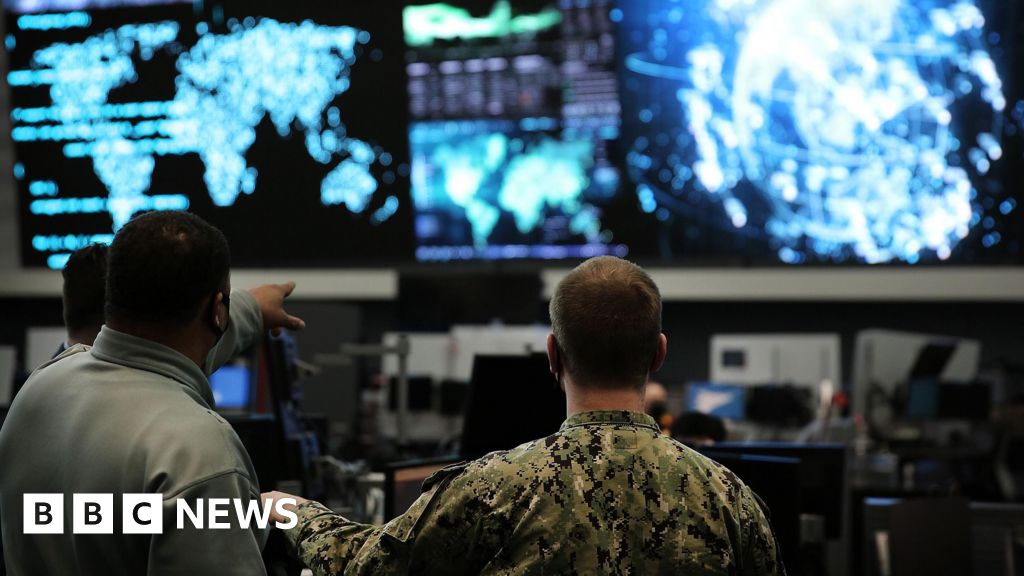
In recent weeks, militaries worldwide have maintained a high level of secrecy regarding their cyber operations. However, a significant shift has occurred as the United States subtly revealed its role in a complex web of digital espionage and offensive cyber campaigns. While official statements remain cautious, intelligence analysts and international observers interpret these signals as a notable departure from previous policies of deniability, suggesting that Washington is now openly acknowledging its advanced cyber capabilities.

This development has considerable geopolitical impact. Historically, cyber warfare was viewed as a covert tool—an avenue for clandestine influence without the risk of conventional escalation. Now, under the apparent light of acknowledgment, the US seems to be asserting a dominant digital offensive stance. This shift demonstrates a strategic move to establish cyber supremacy as a core component of national security, effectively expanding the battlefield beyond traditional territory. The move has alarmed rivals and allies alike, prompting a re-evaluation of security protocols and response strategies across the globe. International organizations such as NATO and the United Nations are now grappling with the implications of this publicly hinted cyber warfare engagement, pointing to a new era where digital capabilities become central to international power plays.

Analysts warn that the blurred line between cyber deterrence and active engagement raises profound questions about future conflicts. According to former intelligence officials and cybersecurity experts, the US’s belated acknowledgment hints at a broader motive: to deter adversaries by signaling its readiness to retaliate in digital domains. This move could herald a new era of cyber diplomacy or, conversely, escalate tensions that risk spiraling into global cyber conflicts. The US Department of Defense has emphasized that cyber operations are now an integral part of national defense, aligning with the strategic doctrines that see digital domains as equally vital as land, sea, and air. As noted by leading international security think tanks, this approach could fundamentally alter how nations engage with one another, shifting the focus toward preemptive digital strikes and espionage.

Though the extent of US involvement remains classified, the message is clear: the era of cyber ambiguity is ending. As history continues to unfold, the global community faces a crucial choice—embrace this new digital arms race or seek to establish norms and safeguards that can prevent unchecked escalation. The stakes are high, and the future of international stability hangs in the balance, illuminated by the flickering glow of digital warfare—a battleground where the echoes of power and influence are inscribed in binary, shaping the course of history long to come.

Palestinians slam Israeli moves, claim de facto annexation underway

Regional Powers Condemn Moves Toward Palestinian Territorial Displacement

In a unified stance that underscores the escalating tensions in the Middle East, the foreign ministers of Egypt, Jordan, the United Arab Emirates, Indonesia, Pakistan, Turkey, Saudi Arabia, and Qatar have issued a stark warning regarding recent political developments. They described the latest announcement as “accelerating attempts at its illegal annexation and the displacement of the Palestinian people”. This joint declaration signals a volatile shift in regional diplomacy, with profound geopolitical repercussions that could reshape the stability of an already fragile landscape.

The collective response from these influential nations highlights a shared concern about the potential breach of international norms and the violation of Palestinian sovereignty. The phrase “illegal annexation” is not used lightly in diplomatic discourse, but signifies a deep-rooted apprehension over ongoing activities perceived to threaten the viability of a two-state solution—a principle endorsed by numerous international bodies, including the United Nations. Analysts suggest that such moves not only jeopardize peace prospects but also fuel grievances among Palestinians, fostering instability that can spill over into broader regional conflicts.

Historically, the Middle East’s volatile history has been shaped by external interventions and shifting alliances. Most recently, the reactions from these regional actors reaffirm their roles as both stakeholders and guardians of their national interests. Several experts, including Middle East historians and geopolitical analysts, emphasize that the united front displayed by these nations is a sign of an emerging consensus: that unchecked unilateral actions risk igniting larger conflicts that could draw in global powers. Organizations like the Council on Foreign Relations highlight that the decision-making process surrounding territorial disputes influences the socio-political fabric of the Palestinian population, with lasting effects on regional security.

The turning point here is clear. The international community continues to watch how these diplomatic narratives evolve into tangible policies. As tensions escalate, the geopolitical landscape of Eurasia and North Africa could face unpredictable consequences. The collective warning issued by these nations underscores a fundamental truth: that the decisions made in the coming days and weeks will not only decide the fate of Palestinian land but may also set the course for future regional diplomacy. In a world where history often hangs in the balance, the weight of these events underscores the importance of steadfast diplomacy—and the peril of neglect. The pages of history are turning, leaving the global community immersed in a saga whose outcome remains uncertain, yet undeniably entrenched in the struggle for sovereignty and justice.

Moto Watch Review: The Power Moves of Polar-Inspired Tech

Motorola’s CMF Watch 3 Pro: A New Challenger in the Competitive Wearables Space

The wearable technology sector continues to demonstrate remarkable innovation, with industry giants and startups alike pushing the boundaries of what consumer electronics can achieve. Recently, Motorola entered this fiercely competitive landscape with its latest offering, the CMF Watch 3 Pro. Billed as an affordable, stylish, Android-compatible smartwatch, it aims to challenge established players like Apple, Samsung, and Garmin. According to early reviews from tech analysts, the device showcases the disruptive potential of hardware integration paired with modern software, although it still has some notable limitations that could influence its market penetration.

One of the core advantages of the CMF Watch 3 Pro lies in its strategic cost positioning combined with solid functionality. It features parameters such as sleep tracking, heart rate monitoring, and stress measurement, with initial comparisons indicating close accuracy to premium models like the Oura Ring 4. Analysts, including Gartner and MIT’s Media Lab, note that major players in the wearables market are increasingly focusing on data integration and seamless user experience to disrupt traditional fitness devices. Motorola’s choice to incorporate a well-designed, yet affordable product underscores this trend—offering consumers a “good enough” device that does not compromise essential features, yet is accessible.

However, despite its innovative intent, the device’s hardware limitations could hinder its disruptive prospects. Especially glaring is the onboard GPS functionality. The device’s slow satellite connection and inconsistent performance outside diminish its appeal as a true fitness companion—particularly when reliable location tracking is a key market differentiator. The device’s processor, deliberately undisclosed by Motorola, appears to struggle with rapid satellite acquisition, a flaw that consumer reviews describe as frustrating, impacting the overall user experience. Such hardware inefficiencies—common in lower-tier wearables—highlight a critical business challenge: balancing cost constraints with performance demands in an industry that is rapidly evolving toward precision.

The experience of review analysts further underscores this disruptive tension. Despite the device’s attractive design and promising feature set, issues like overly sensitive screens and accidental activations threaten user satisfaction. This emphasizes an overarching industry trend: hardware refinement is crucial for establishing market dominance amidst fierce competition. Companies like Apple and Samsung continually push advancements in sensor sensitivity and UI design, setting high standards for emerging competitors. Motorola’s potential in this space hinges on addressing these hardware issues swiftly and innovating beyond mere feature inclusion—further reinforcing that disruption requires not only price competitiveness but also technological excellence.

Looking ahead, the wearables industry is poised for a significant shift driven by the convergence of AI, sensor technology, and 5G connectivity. Industry experts like Peter Thiel have predicted that next-generation devices will serve as the nexus of lifestyle, health, and AI-powered analytics, transforming how consumers interact with their personal data. Motorola’s move into this space signals the beginning of a new wave of disruptive innovation, where smaller players can challenge dominant incumbents by leveraging cost-effective yet capable hardware and sophisticated software integration. The market’s future will depend on how effectively manufacturers can resolve hardware shortcomings and harness emerging technologies to offer compelling, breakthrough features—turning these devices into indispensable health and productivity tools.

Stakeholders across the tech ecosystem must remain vigilant, as the race to dominate this space intensifies. With major innovations around the corner, it’s clear that the current state of wearable technology is just the beginning. With upcoming advancements in AI, sensor innovation, and connectivity, the industry is on the cusp of a transformation—where disruption will be measured not just in features, but in the quality and reliability of the user experience itself. For companies willing to innovate and iterate rapidly, the opportunity to redefine health, fitness, and lifestyle tracking has never been greater—and time is of the essence for stakeholders eager to secure market leadership in this fast-evolving technological frontier.

Social Media Auto Publish Powered By : XYZScripts.com