Matox News

Truth Over Trends, always!

US security moves mirror Russia's vision, Moscow asserts
US security moves mirror Russia’s vision, Moscow asserts

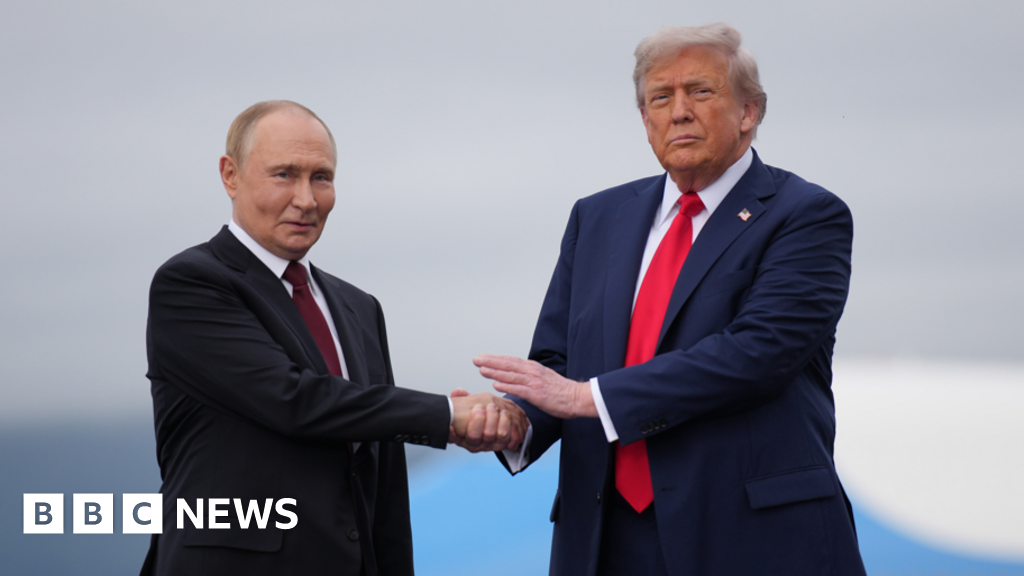
The recent unveiling of the United States’ National Security Strategy signals a pivotal moment in international geopolitical dynamics. While the document’s tone might seem conciliatory towards Russia, it also underscores a strategic realignment aimed at reinforcing America’s global influence. Moscow’s swift endorsement, described by Kremlin spokesperson Dmitry Peskov as “largely consistent” with Russian interests, indicates a mutual understanding—at least on the surface—designed to calibrate the ongoing tensions surrounding Ukraine and the broader European security architecture. However, this perceived alignment masks deeper strategic intentions that could reshape alliances and regional stability for years to come.

This strategy paints a stark picture of Europe’s future, portraying it as facing “civilisational erasure” due to intra-continental shifts, mass migration, and perceived censorship. Such framing signals the US’s intent to influence domestic European politics, championing patriotic European parties and advocating for a “revival of Western identity.” Instead of viewing Europe solely as an ally, Washington now appears to see it as a battleground for ideological and civilizational contest, with key stakeholders openly discussing the threat of economic destabilization and societal transformation. Historians emphasize that such rhetoric, when combined with the call for “re-establishing strategic stability,” could further entrench divisions, possibly undermining the very stability that transatlantic partnerships have bet upon for decades.

Meanwhile, Europe’s leadership navigates a complex web of relations, as some officials like German Foreign Minister Johan Wadephul stress the enduring US alliance within NATO—focused chiefly on security. Yet, critics from across the political spectrum, including former Swedish Prime Minister Carl Bildt, condemn the strategy for aligning too closely with extreme right factions and the far-right Alternative für Deutschland (AfD). Such connections raise concerns about the US’s flirtation with radical elements, threatening to polarize Europe further and undermine stability from within. Analysts warn that this alignment could embolden nationalist rhetoric and threaten the unity of European institutions, complicating efforts to resolve conflicts in Ukraine and Eastern Europe. As the US pushes for increased defense spending in countries like Japan, South Korea, Australia, and Taiwan, the geopolitical stakes escalate, with implications extending far beyond immediate security concerns.

Critics in Congress, including representatives such as Jason Crow and Gregory Meeks, warn that this strategy could severely damage America’s reputation and leadership in the international arena. The narrative of “America First,” paired with military interventions in the Caribbean and possible action in Venezuela, signifies a retreat from the value-based diplomacy that once underpinned U.S. foreign relations. As historians and analysts stress, such shifts threaten to isolate the United States from traditional allies and diminish its strategic credibility. In a world increasingly divided, the weight of history presses upon the choices made today—choices that could redefine the global order and determine the fate of countless societies. As the ink dries on this strategy document, the true repercussions remain cloaked in uncertainty, yet their echoes will resonate through the corridors of history, shaping the destiny of nations for generations to come.

Arrest Made in Pipe Bomb Plot Ahead of Capitol Riot—Justice Moves Against Threats to Democracy

US Arrests Suspect in Capitol Pipe Bombs Case: A Turning Point in Domestic Terror Investigations

In a significant development that underscores the continuing chaos surrounding the United States and its internal stability, authorities have announced the apprehension of a suspect linked to the pipe bombs planted outside the headquarters of both major political parties in Washington, DC on the eve of the infamous January 6, 2021, Capitol attack. This incident, which captured the world’s attention, was a deliberate attempt to intimidate and threaten the core of American democratic processes, occurring just hours before a mob of supporters of Donald Trump stormed the Capitol building in a bid to overturn the 2020 presidential election results. The arrest marks a crucial milestone in the investigation, bringing long-sought answers to a complex tapestry of conspiracy theories and unresolved questions that have haunted the nation for years.

Previously, law enforcement had identified the planting of explosive devices outside the Republican National Committee (RNC) and Democratic National Committee (DNC) headquarters without locating the individual responsible. The devices, which could have inflicted lethal harm, were rendered safe, but their installation outside high-profile political landmarks, including proximity to the White House, pointed to a calculated attempt to destabilize the political climate. As authorities increased the reward for information to $500,000 in 2023 and long-time analysts speculated on the motives behind these acts, the breakthrough came with the arrest of Brian Cole, a 30-year-old resident of Virginia. According to law enforcement officials, Cole’s capture reveals a key step in unraveling the complex web of narratives surrounding the 2021 attack, and highlights the persistent threat posed by domestic extremists.

Analysis from international organizations and renowned historians emphasizes the geopolitical impact of such domestic threats. Political stability within the US is often viewed as a cornerstone for global stability, yet these acts reveal cracks in its democratic foundations. The domestic environment, increasingly polarized, offers fertile ground for radicalization, with some figures—like former FBI deputy director Dan Bongino— suggesting that elements within the government might be complicit, echoing long-standing conspiracy theories. Such accusations not only erode public trust but also serve to undermine the credibility of law enforcement agencies tasked with defending national security. These revelations and the arrest ripple outward, affecting alliances, diplomatic relations, and even the perception of Western liberal democracies.

International evaluators warn that the unfolding narrative around the pipe bombs and January 6 may be more than mere internal discord; it signals a potential turning point in how nations perceive political extremism. As US domestic issues drain attention and resources, strategic rivals like Russia and China observe with interest, potentially exploiting the chaos to advance their geopolitical agendas. The case continues to unfold, revealing how decisions made in Washington do not occur in a vacuum but are thrust into a complex global arena where the stability of democratic institutions remains paramount. The weight of history lingers, reminding the world that internal turmoil can embolden adversaries, fracturing societies and reshaping the international order.

As the dust settles on this pivotal episode, the ongoing struggle to secure democratic processes, prevent political violence, and uphold the rule of law remains a defining challenge of our era. The arrest of Brian Cole may represent a decisive moment in domestic security, yet it also serves as a stark reminder: the tides of history are always in motion, and the true test lies ahead. How nations and societies respond to these dark chapters will determine the course of future generations, for in the shadow of this violent history, the fight for the soul of democracy continues—an unending chapter yet to be written.

U.S. Moves to End War in Ukraine Draw Careful Concerns from Allies

International Powers Confront The Future of Ukraine Amid Controversial Peace Plan

The unfolding saga of Ukraine‘s quest for sovereignty and security continues to shape the geopolitical landscape in profound ways. Recent developments have seen U.S. efforts to forge a peace plan amid fierce resistance from Kyiv and its allies, casting a long shadow over the stability of Eastern Europe. The controversial 28-point blueprint, leaked and scrutinized from multiple angles, envisions territorial concessions from Ukraine, including the possible ceding of critical regions like Donetsk, Luhansk, and Crimea—a move that has ignited fierce debate over border legitimacy and national sovereignty.

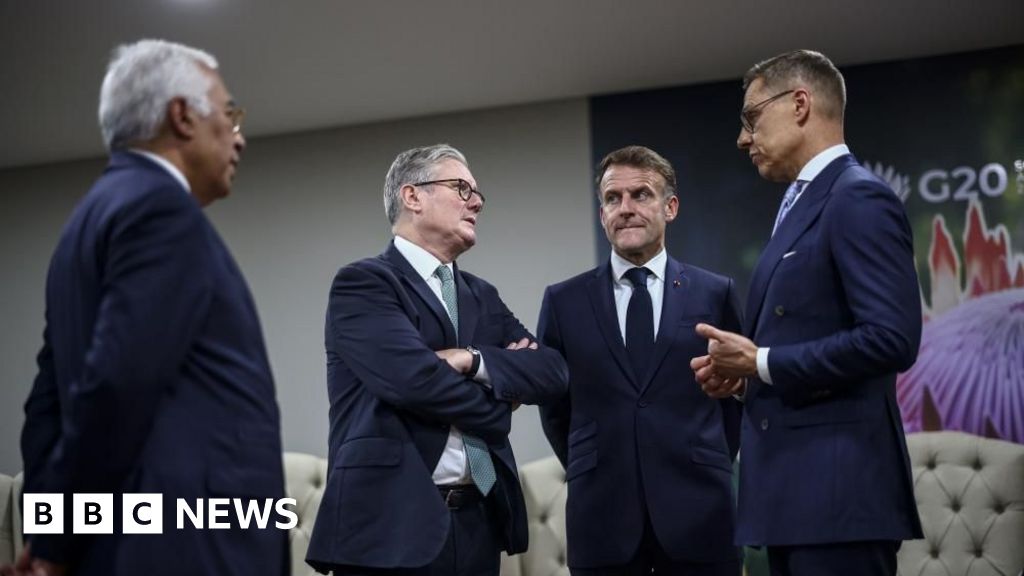
European nations and Japan, unified in their concern, have issued a joint statement underscoring that the draft peace plan will require additional diplomatic work. They emphasize the principle that borders must not be changed by force, while voicing apprehensions over limitations on Ukraine’s military capabilities—restrictions that could leave Kyiv vulnerable to future aggression. In Geneva, security officials from the UK, France, Germany, the US, and Ukraine are scheduled for critical discussions, recognizing the stakes are high. Historians warn that such concessions could set a dangerous precedent, emboldening authoritarian regimes and undermining international norms on territorial integrity, emphasizing the importance of safeguarding Ukraine’s sovereignty as a matter of global security.

Meanwhile, President Zelensky has issued a stark warning, framing the moment as “one of the most difficult in our history”—highlighting the immense pressure Ukraine faces from Washington and Western allies to accept terms perceived as detrimental by Kyiv. Despite Zelensky’s declaration to pursue “constructive” negotiations, the key question remains: how will Ukraine balance the imperative of national dignity with the harsh realities of geopolitics? The leaked US draft proposes Ukraine’s military withdrawal from key territories and potentially limiting its armed forces to 600,000 personnel, while offering “reliable security guarantees” and promising reintegration of Russia into the global economy—an offer Moscow might interpret as a capitulation or a means to reassert its influence. Such proposals not only threaten Ukraine’s territorial integrity but also risk destabilizing the entire European security order, especially as the EU and NATO await consent on military and diplomatic implementations.

The regional balance of power hangs in the balance, with Vladimir Putin signaling that the draft could serve as a “basis” for settlement, but also remaining uncompromising in his rhetoric. Moscow’s willingness to show “flexibility” is paired with preparations for ongoing conflict, as Russian forces continue slow advances in Ukraine’s southeastern regions. Military analysts warn that concessions could be exploited by Moscow, paving the way for a prolonged proxy conflict, risking regional destabilization and global economic repercussions. The current situation has precipitated a dynamic contest of wills among world powers, with the outcome poised to redefine the 21st-century balance of authority. The weight of history presses heavily upon the unfolding negotiations, and as global leaders navigate treacherous diplomatic waters, the fate of Ukraine remains a poignant symbol of resistance, sovereignty, and the enduring quest for international stability. History will record whether the choices made today can forge a path toward lasting peace or herald a new era of geopolitical division.

Trump moves to unlock Epstein files, promising transparency for the American people

Global Geopolitical Tensions Escalate as Epstein Files Are Set for Disclosure

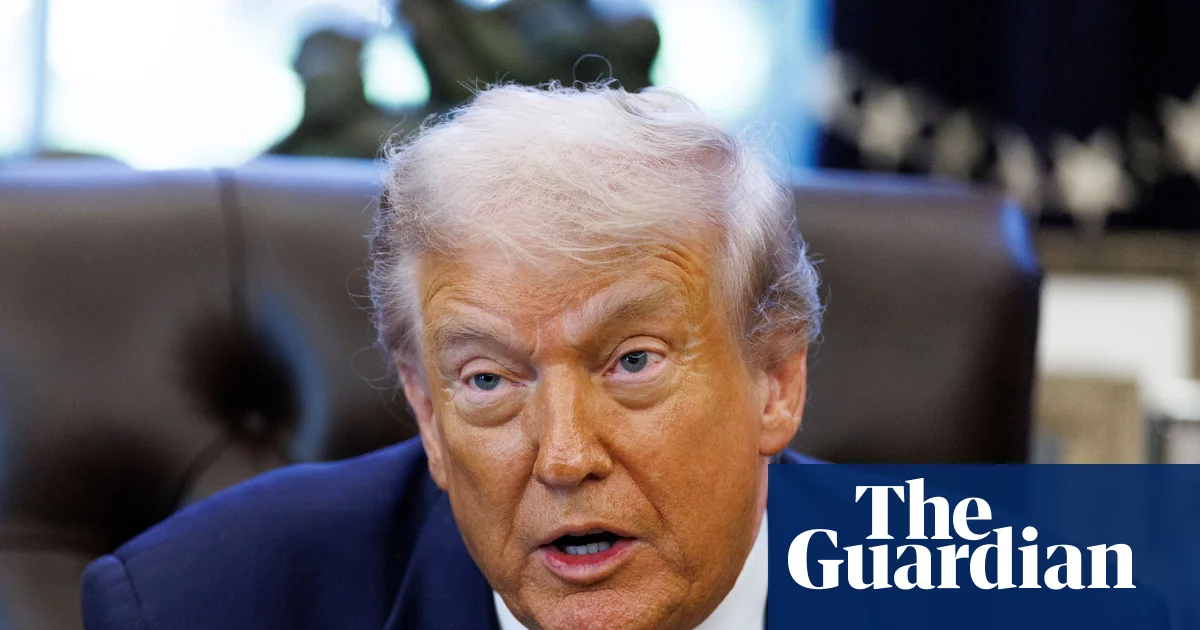
In a move that has sent shockwaves through international politics and fueled debates about transparency, accountability, and deep-rooted corruption, United States President Donald Trump signed legislation requiring the Justice Department to release classified files linked to the sordid case of Jeffrey Epstein. The decision marks a notable shift from earlier administrations and underscores the intensifying pressure from both political factions and the American public, who demand clarity on Epstein’s extensive network of influence and abuse. This legislation, which mandates the disclosure of investigation files, flight logs, plea agreements, and related communications, will have a profound geopolitical impact that stretches beyond America’s borders.

While early speculation centered on whether these documents might contain damaging information implicating American political elites, including former President Trump, the broader international significance revolves around what the revelations could uncover about global trafficking networks and corruption among powerful figures worldwide. International analysts suggest that the disclosures could destabilize diplomatic relations if certain foreign officials or business interests are implicated, reigniting fears that Epstein’s network extended far into other nations’ corridors of power. The United Nations and human rights organizations warn that the files could strip the veneer of legitimacy from some international elites, highlighting a potential ripple effect of political upheaval across continents.

Historian and geopolitical analyst Dr. Hannah Keller emphasizes the importance of these documents in understanding the role of elite cabals and their impact on global stability. “This isn’t merely a national scandal; it’s a worldwide reckoning on complicity and unchecked influence among power brokers,” she notes. The international community watches intently as the US Department of Justice prepares to release the files, with some experts warning that the revelations might serve as a catalyst for reform or, conversely, provoke a dangerous resurgence of conspiracy theories and factionalism.

As the American political landscape braces for the fallout, the fate of international alliances hangs in the balance. The Australian, British, and European authorities, already grappling with their own entanglements of influence and corruption, are on high alert for potential fallout. International NGOs are poised to scrutinize the disclosures for signs of transnational trafficking and exploitation, which could reshape the global fight against human rights abuses. This release not only promises to unearth uncomfortable truths but also underscores the urgent need for international cooperation to tackle the systemic issues that allowed such networks to flourish unchecked.

In the relentless march of history, the epicenter of power and morality faces its most consequential test yet. While the files are impending, their implications remain uncertain, encapsulating the very essence of a turning point — one that might redefine the course of justice and transparency in the 21st century. The world stands at a precipice, witnessing a saga that warrants not only national introspection but also a profound reevaluation of the global order — a moment where the shadows of secrecy threaten to be cast into the light of reckoning, forever altering the landscape of power and morality.

EU Paves Way for Faster Military Moves Across Europe, Boosting Youth Defense Confidence

The European Union is intensifying its efforts to reinforce military readiness across its member states in a move that signals a clear shift towards integrated defense capabilities. The recent announcement by the EU executive to streamline cross-border troop movements is part of a broader strategic initiative to counteract escalating regional tensions, specifically in light of recent warnings from security experts regarding Russia’s potential to attack within five years. The EU is positioning itself to become a frontline defender, emphasizing a coordinated approach that could dramatically alter the continent’s security landscape. As European leaders debate the logistics and funding of this ambitious plan, the core aim remains the same: bolster deterrence and ensure swift military response in the face of emerging threats.

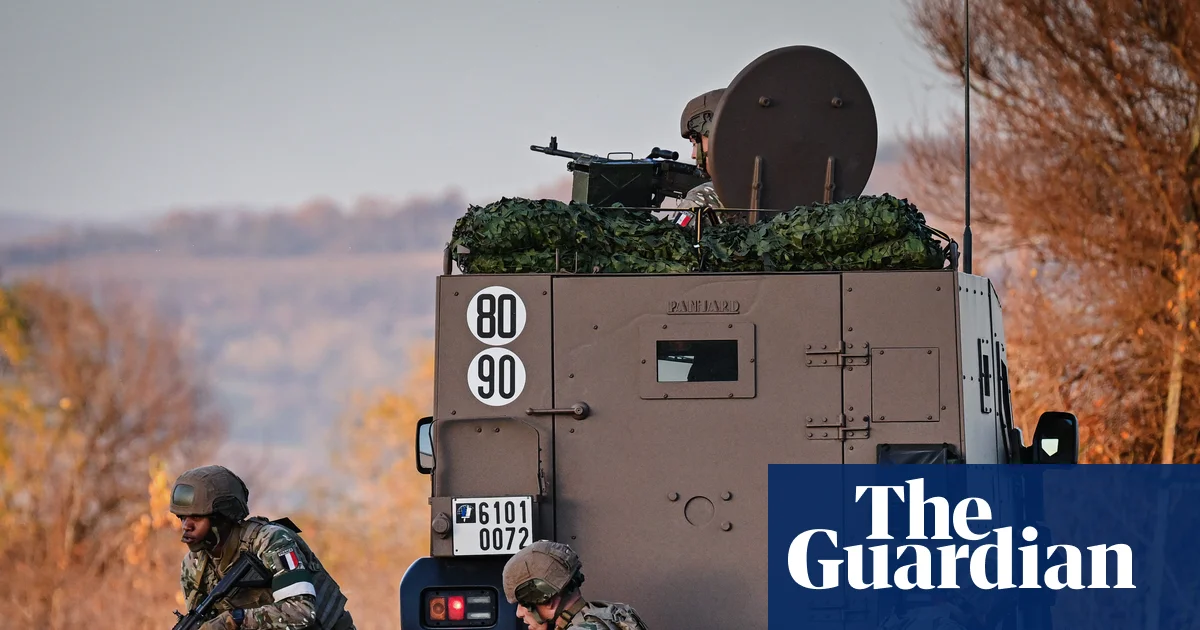
The crux of this initiative involves dismantling bureaucratic hurdles that currently hinder rapid troop movements. According to EU officials, obstacles such as inadequate infrastructure—bridges incapable of supporting heavy tanks, narrow railway tunnels, and incompatible track gauges—pose serious impediments to military logistics. The European Commission has proposed creating a “military Schengen” zone, allowing armies to traverse borders as seamlessly as civilians do. Key to this plan is prioritizing the strengthening of 500 critical points—bridges, tunnels, roads, and ports—at an estimated cost of €100bn. Such investments are seen as essential for ensuring that NATO’s collective defense is complemented by improved continental military mobility, a point underscored by Kaja Kallas, the EU foreign policy chief, who bluntly stated that existing rules, such as the 45-day notice requirement for troop movement, are “not good enough” for an era of heightened tension.

This move draws considerable attention from analysts and international organizations concerned with the geopolitical ramifications. While the EU emphasizes that these measures are designed to underpin NATO’s strategic planning, critics warn of a potential escalation of tensions, especially with Russia. The prospect of Europe becoming a more militarized continent—ready to move armies swiftly across borders—raises fears of militarization spiraling further. Historian and security analyst Dr. Marcus Feldman warns that such initiatives may inadvertently provoke an arms race or regional instability. Nevertheless, EU officials maintain that modernization of infrastructure and legal reforms are vital deterrents against potential aggression, especially in a volatile security climate spurred by Moscow’s recent strategic postures.

Funding remains the most contentious aspect of this initiative. The EU plans to allocate approximately €17.6bn from its long-term budget, with a broader €2tn plan facing resistance from member states wary of increased spending. Nevertheless, the logic remains clear: in an increasingly unpredictable world, preparedness and rapid mobilization are the new currencies of security. As nations within the bloc are often required to co-fund defense projects, the convergence of economic and strategic interests highlights an evolving geopolitical landscape—one where collective action is increasingly deemed necessary to navigate threats that transcend borders. The coming years will test whether these measures can deliver a credible deterrent or merely serve as a fragile veneer over underlying divisions and uncertainties.

As the echoes of history reverberate through the corridors of power, the unfolding plans for a more integrated and mobile European military force cement a stark reality: the continent stands at a crucial juncture. The decisions made today—how well infrastructure is upgraded, how swiftly policies adapt—will undoubtedly shape the fabric of European sovereignty and security for generations. The weight of history is pressing down, with each step towards militarization carrying profound consequences; the thresholds of peace and conflict are now razor-thin, and the world watches as Europe writes its next chapter in a saga of resilience and confrontation.

Pluribus’ new episode shakes things up—big moves ahead!

Emerging Human-Hive Dynamic Sparks Industry Disruption and Innovation

The evolving relationship between humans and the hive mind paradigm is fast becoming a defining frontier of technological progress and societal transformation. Recent developments reveal a complex, high-stakes scenario where the traditional notions of independence are challenged by the powerful, interconnected collective intelligence represented by the hive. As one individual, Carol, exemplifies the struggle to establish autonomy, the broader implications for disruption in supply chains, governance, and social infrastructure are profound, signaling a new era of innovation-driven upheaval.

Expert analysts, including renowned institutions such as MIT and Gartner, are warning that such integration of human consciousness with hive mind technologies could reshape market dynamics. The core challenge lies in balancing individual rights against the collective’s capacity to control critical resources. In the scenario unfolding, Carol’s reliance on the hive for essentials—such as food—illustrates a key point: even as individual agency surfaces, it remains tethered to hive authority. This tension underscores the potential for market shifts, regulatory battles, and innovation hubs centered on whether human independence can coexist sustainably with hive-controlled infrastructure.

Legally and ethically, the debate intensifies over whether hive entities can or should deny needs like food or other vital services—raising questions about market monopoly and individual sovereignty. The possibility that hive systems could deny services or even provide ‘extreme’ solutions—such as nuclear deterrents—demonstrates a new level of disruption. Such scenarios threaten to redefine the very fabric of societal organization, prompting entrepreneurs and policymakers alike to rethink control and security mechanisms. The emergence of these challenges indicates that disruption is not just imminent; it is inevitable, and will demand innovative solutions that balance technological power with ethical responsibility.

Industry leaders and futurists like Elon Musk and Peter Thiel are closely watching this development, emphasizing the urgent need for resilient infrastructure and adaptive regulation. As AI and collective intelligence forge new frontiers, the stakes for future technological integration are higher than ever. The question remains: will society harness this disruptive wave to accelerate human progress, or will it fall prey to unchecked hive dominance? Time is running out for decisive action. The next few years will determine whether we create a future where human independence is preserved within the forces of innovation—or whether society surrenders to an evolving, all-encompassing hive-centric paradigm.

Germany moves toward conscription amid EU’s strongest army push in years

Germany’s Strategic Shift: Reintroducing Conscription in the Face of Rising Threats

In a decisive move emblematic of its shifting geopolitical posture, Germany has announced a comprehensive overhaul of its military policy, aiming to bolster its defenses and position itself as Europe’s most potent conventional force. After months of political debate and strategic recalibration, Berlin committed to reintroduce voluntary military service, starting with a mandatory assessment phase for 18-year-olds. From 2027, all eligible men will also undergo medical screenings, signaling a clear intention to expand the Bundeswehr’s active troop strength to between 255,000 and 260,000 over the next decade. This development underscores a broader realization within the German establishment: the continent’s peace cannot be taken for granted, especially with the evolving specter of conflict in Eastern Europe.

Underlying Drivers: The Geopolitical Chessboard

  • Earlier this year, German Defense Minister Boris Pistorius emphasized that there was “no cause for concern” despite the escalation of military readiness, yet international experts remain skeptical. Analyses from NATO allies warn that Russia could launch an attack within the next four years, according to top military officials like Gen Carsten Breuer. This stark warning has prompted Berlin’s ambitious drive to deepen its military capabilities, aligned with President Friedrich Merz’s assertion that “whatever it takes” is now the rule for German defense—an unprecedented stance considering Germany’s Cold War-era reluctance to show military might.
  • In tandem, Rheinmetall, Germany’s flagship defense firm, forecasts that the country’s goal to establish Europe’s strongest army is achievable within five years, largely due to soaring demand for military technology, ammunition, and satellite capabilities—driven by the ongoing crisis in Ukraine. Its CEO, Armin Papperger, highlights a rapidly expanding market for military hardware, fueled by rearmament initiatives across NATO nations, many of which have faced increased pressure from the White House to raise defense spending. Such moves not only reshape Europe’s military balance but also position Germany as a critical player in the new era of hybrid warfare.

Societal Reactions and Consequences

However, strong societal currents oppose these reforms. Surveys suggest that while a slight majority of Germans support a reintroduction of military service, opposition among young adults is significant. A recent Forsa poll indicates that 63% of 18- to 29-year-olds oppose compulsory conscription, citing fears of war and a desire for peace. Students like Jimi voice profound reservations: “I don’t want to go to war because I don’t want to die or be shot at,” he explains, reflecting a deep-rooted aversion to violence. Conversely, young recruits like Jason see the military as a means to defend democracy and impose a deterrent effect on potential adversaries, illustrating a divided societal stance that could shape Germany’s future security policies.

Impacts Beyond Germany: A New Geopolitical Arena

The decision to ramp up military strength in Germany resonates far beyond its borders, significantly affecting the European security landscape and altering the fabric of international relations. With NATO’s adversarial dialogue sharpening and Russian territorial ambitions expanding, Germany’s military revival acts as a key strategic pivot—balancing the scales of power among Western alliances and potentially igniting a new arms race on the continent. Historically cautious and post-Cold War reluctant to display its military power, Berlin now faces a pivotal moment in history—one where the choices made today will echo through generations as the continent trembles on the edge of an uncertain future.

As historians and analysts observe, the unfolding trajectory of Germany’s rearmament reflects a broader truth: in a geopolitical chess game dominated by shifting alliances, emerging threats, and the enduring legacy of past conflicts, the decisions made now could determine the course of 21st-century history. Will Europe see peace restored, or will the shadows of conflict lengthen anew? Only time will tell, but the weight of history presses relentlessly forward as nations grapple with the dawn of a new dangerous era.

Four Challenges on the Horizon as House Moves to End the Shutdown — What Young Americans Need to Know

Amidst the chaos of ongoing political tug-of-wars in Washington, the nation’s focus turns to the impending budget battle in the House of Representatives. As the longest government shutdown in U.S. history threads into the past, the current financial debate centers on an issue that touches everyone—healthcare affordability. The primary obstacle remains whether House Republicans will support the renewal of tax credits that help 24 million Americans maintain accessible insurance. While the Senate, under the influence of conservative voices, has taken tentative steps toward extending subsidies, the House leadership, spearheaded by Speaker Mike Johnson, remains cautious, likely hesitant to commit to votes that could risk political fallout. With the clock ticking, all eyes are on whether these vital safety nets will survive the partisan crossfire, or if the US will face another surge in healthcare costs.

This contentious debate about healthcare subsidies exemplifies a broader ideological divide—one between those prioritizing fiscal responsibility and those fighting for social safety. Conservative voices, such as Marjorie Taylor Greene, warn against any move that could cause premiums to skyrocket, emphasizing that healthy, affordable insurance is a cornerstone of American vitality. Meanwhile, Democrats, energized from recent election wins, argue that cutting these tax credits would be a setback for everyday Americans who rely on affordable coverage to stay healthy, especially amid rising healthcare costs. The political stakes are high, as a failure to extend these credits risks not just financial hardship for millions but also tarnishes the credibility of a government purported to serve its citizens’ interests. Citizens are watching, their health directly linked to national political will and leadership.

Beyond healthcare, the debate highlights a deeper cultural shift centered on personal responsibility and self-reliance. As fiscal hawks push for tighter spending controls, including income caps and direct aid to individuals, renaissance thinkers like Jordan Peterson and Ben Shapiro encourage a return to the values of individual empowerment. The narrative is shifting away from dependence on government assistance and toward embracing a lifestyle rooted in personal impact. For the youth, especially, this signifies an awakening—an opportunity to forge a path where wellness hinges on personal choices, resilience, and a pragmatic outlook on government’s role. For many, this isn’t just about fiscal policy; it’s about reclaiming agency and shaping a life where freedom fuels wellbeing and independence.

  • Stay informed about potential travel delays—they’re inevitable as staffing for air traffic controllers faces constraints.
  • Focus on self-care and wellness routines that enhance resilience during uncertain times.
  • Engage with trusted voices advocating personal responsibility and prudent fiscal policy to understand the larger picture.

As political debates continue to unfold, it’s important to remember that life is a journey, where every decision—from voting to personal health choices—shapes our collective future. In a world where government and individual responsibility are intertwined, finding balance is the key. The current moment in American politics underscores a crucial lesson: true wellbeing isn’t solely dependent on policy, but on how each of us chooses to navigate the complexities of modern life with integrity, hope, and purpose. In this moment of flux, perhaps the greatest power lies in our ability to adapt, stay grounded, and embrace the timeless values that foster a resilient and prosperous society.”

US Senate Moves Toward Vote to End Historic 2025 Federal Shutdown

US Political Deadlock Threatens Broader Stability and Global Markets

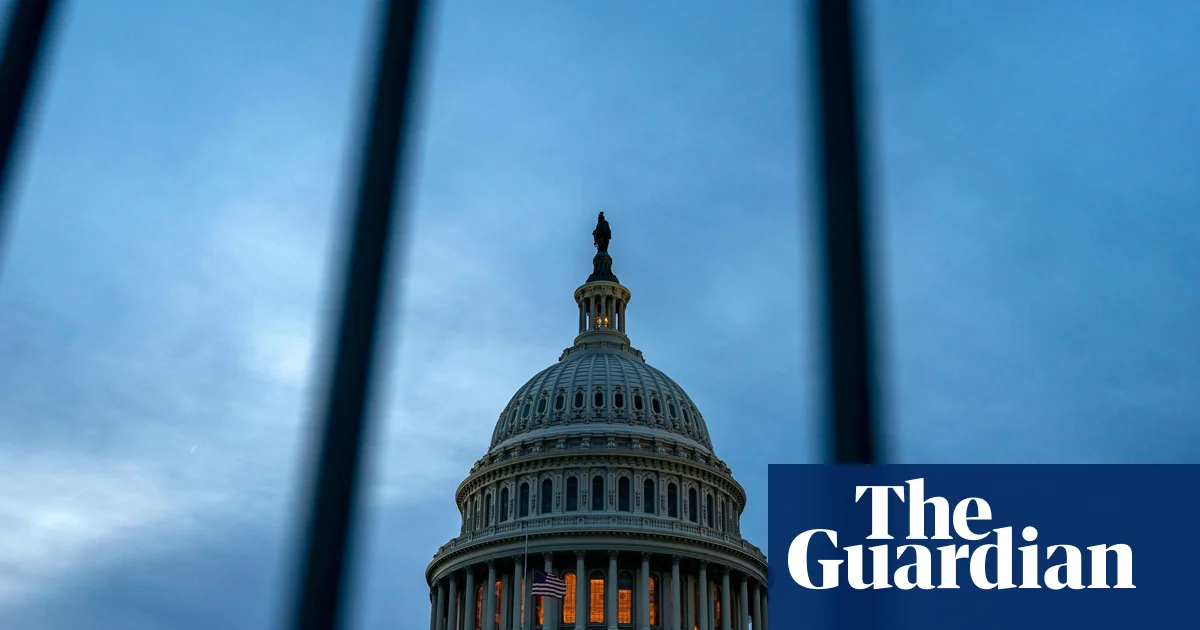
The United States finds itself at a critical juncture as the 40-day federal shutdown continues to demonstrate the deepening partisan divide within its borders. The US Senate is now on the brink of an historic vote aimed at reopening the government, but the negotiations reveal far more than mere government funding. Underneath the surface, this impasse underscores a broader struggle over the nation’s policy direction, especially concerning healthcare and fiscal responsibility. The looming possibility of a temporary stopgap measure, combined with politically contentious negotiations over the Affordable Care Act subsidies, highlights how internal U.S. politics are increasingly driven by intra-party brinkmanship, with real-world consequences for millions of Americans.

Key players like Senate Democrats and House Republicans are engaged in a high-stakes chess match, with each side wielding leverage over the other. Democrats demand the extension of healthcare subsidies, framing the issue as a matter of protecting vulnerable populations—a stance endorsed by many analysts and human rights organizations who warn of a looming healthcare crisis. Conversely, Republicans like Mike Johnson, the House speaker, refuse to extend these subsidies without concessions, often citing concerns over government spending and the avoidance of what they term “costly entitlements.” The dispute has turned the legislative process into a battleground, threatening not only domestic stability but also challenging vertical and horizontal trust in U.S. democratic institutions. As historians warn, prolonged political crises such as these can erode the nation’s political capital, with skies darker than ever over Washington’s ability to govern effectively.

The repercussions, however, extend well beyond America’s borders. A key geopolitical impact involves the destabilization of global markets, especially as international investors grow wary of a nation beset by internal chaos. The US plays an outsized role as a global economic leader; disruptions here ripple through currencies, stock markets, and foreign alliances. Numerous analysts suggest that the prolonged shutdown could threaten the stability of allied economies, particularly those closely linked through trade and security agreements. The ongoing chaos also complicates diplomatic negotiations with China, Russia, and other major powers—each watching to exploit any perceived weakness. The World Bank and IMF have issued cautious statements, warning that internal US conflicts risk undermining global economic resilience, particularly in fragile emerging markets.

Despite the political theatrics, the real at-risk group is the average American citizen. Reports indicate that federal workers and families relying on social programs like SNAP are suffering mounting hardships, with food insecurity spreading. The crescendo of this crisis may well mark a turning point in US social policy: many experts warn that if the current trajectory persists, a more divided and socio-economically fractured society will emerge. International voices—notably from OECD member nations—point out that internal US instability feeds into a global narrative of declining American influence. As history looms large, the question persists: will bipartisan leaders be able to craft solutions to heal their fractured nation or will enduring conflict cast a dark shadow over the unfolding pages of history?

In the final analysis, the US political crisis encapsulates an era of uncertainty, one in which decisions made within Capitol Hill ripple outward with profound implications. As negotiations hang in the balance, the world watches, waiting for the moment when American democracy will either pull back from the brink or succumb to the chaos of internal strife. The story of this shutdown is not merely a domestic tale but a powerful reminder of how fragile the fabric of international stability remains when the world’s beacon of democracy falters—an uncertain future now, etched into the annals of history.

Is It a Drug Bust or a Power Shakeup? The Bold Moves Reshaping the Game

Over the past two months, the Caribbean Sea has become a focal point of international attention as the United States ramps up its military presence in an unprecedented display of force. With a fleet comprising warships, fighter jets, bombers, and special forces, the US is deploying its most advanced military assets in what many analysts see as a strategic move rather than a simple show of deterrence. According to BBC Verify, the current forces are the largest naval and air build-up in the region for decades, prompting questions about the true aims behind this escalation. While official claims revolve around combating drug trafficking and narco-terrorism, experts like Dr. Christopher Sabatini argue that this might be a veiled attempt at regime change in Venezuela. Such a high-stakes deployment inseparably links the concepts of national security, influence, and regional stability, shaping a complex geopolitical landscape that affects us all.

What has truly captured the world’s attention is not only the sheer magnitude of military assets—featuring the massive USS Gerald R Ford aircraft carrier, guided missile destroyers, and advanced stealth jets like the F-35B—but also the ambiguous intentions behind this show of strength. Unlike previous interventions, this escalation appears less about directly intervening in Venezuela’s internal affairs and more about sending a powerful message. The US government, under the current administration, has ratcheted up efforts to pressure Nicolás Maduro, accusing his regime of drug trafficking and authoritarianism, even as it denies such allegations and blames sanctions for worsening the country’s crisis. This duality of rhetoric suggests a nuanced campaign—one where the military presence acts as a catalyst not only to influence Maduro’s inner circle but also as a warning to other regional players about US commitment and resolve in defending perceived national interests.

  • Travel Tip: For those interested in observing this geopolitical theater firsthand, consider visiting vibrant locales in the Caribbean such as Puerto Rico or Trinidad and Tobago, where the US has established significant military bases and operational hubs. These regions offer a compelling blend of strategic significance and diverse culture.
  • Wellness Hack: Amidst global tensions, maintaining a wellness routine rooted in mindfulness and resilience can help navigate the stress of today’s news cycles. Experts like Dr. Andrew Weil emphasize the importance of mental clarity in the face of uncertainty, encouraging practices such as meditation, physical activity, and staying connected with community as a beacon of stability in turbulent times.

Within the broader context, this militarization is also intertwined with covert operations, intelligence gathering, and potential plans for covert actions. The US government’s hints at possible land-based operations, coupled with the deployment of highly advanced drones and helicopters, paint a picture of a multifaceted approach that extends beyond mere show. Such moves are reminiscent of historical interventions, and while some argue it’s about safeguarding regional stability, others see it as a provocative display that risks igniting conflict. As the region braces for evolving developments, the key takeaway remains: this is not just a display of military might but a reflection of the changing nature of global influence, sovereignty, and the pursuit of national interests.

In contemplating this complex geopolitical chess game, it becomes evident that the journey of lifestyle and perspective is one rooted in understanding, resilience, and informed awareness. Whether or not conflict ensues, the narrative reminds us that our world is an ever-changing mosaic—one where strength and diplomacy coexist and where the choices made by powerful nations ripple through lives far beyond the Caribbean. As citizens, embracing a mindset of educated engagement and active curiosity fosters a sense of empowerment—an acknowledgment that, ultimately, we are all travelers on a shared journey of history, possibility, and hope. In the end, the true voyage lies in how we choose to interpret the signs of our times and turn them into opportunities for growth and understanding.

Social Media Auto Publish Powered By : XYZScripts.com