Matox News

Truth Over Trends, always!

Exclusive Elf Movie Costume Goes for £239,000 at Auction, Setting New Record for Cultural Icon Status

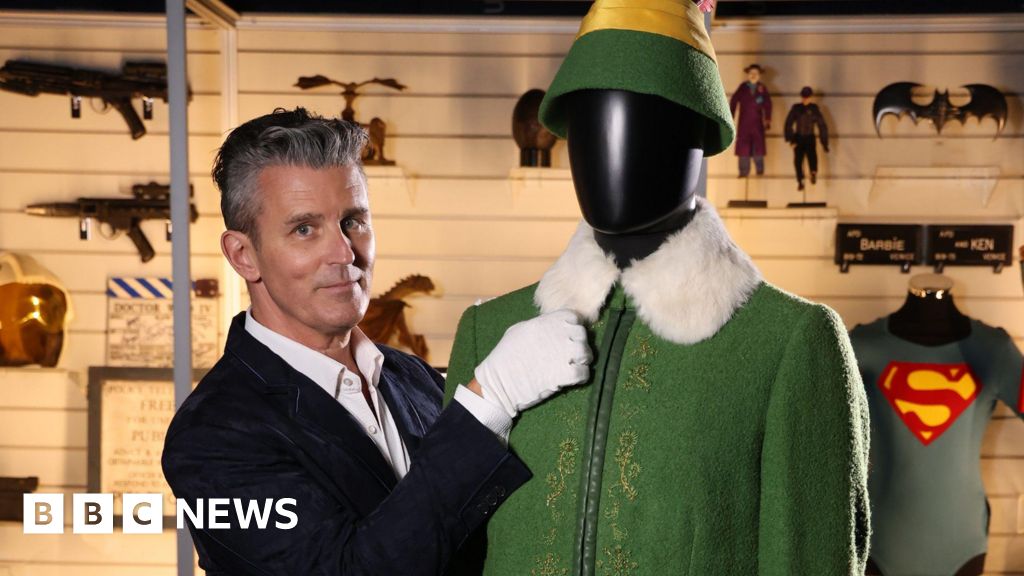
In the realm of pop culture, memorabilia do not merely serve as relics of entertainment but stand as tangible symbols of collective memory. Recently, an unprecedented auction in London has brought to light the enduring power of cinematic artifacts. A costume worn by Will Ferrell in the 2003 comedy Elf fetched over £239,000, underscoring the profound cultural valuation placed upon physical tokens of entertainment. This green and yellow ensemble, worn during a humorous scene in which Ferrell’s character presses every button in a New York lift, exemplifies how modern mythology is curated through attire, dialogue, and iconic moments. Provenance, as noted by the auction house, links this piece directly to the film’s producer, Jon Berg, amplifying its desirability and reminding us that history’s greatest stories are often preserved not only in scripts but in fabric and costume.

This phenomenon challenges us to consider the role of cultural artifacts in shaping national identity and societal continuity. A matching fedora from Indiana Jones and the Temple of Doom sold for an astonishing £327,600, while original weapons from Star Wars characters like Boba Fett are expected to fetch between £350,000 and £700,000. Beyond their monetary value, these objects serve as touchstones of myth and heroism; they embody stories that inspire generations, embodying a shared sense of heroism, adventure, and nostalgia. Such artifacts remind us that culture—whether through literature, film, or art—is fundamental in molding societal self-awareness and preserving our ideals across the tumultuous tides of history. Philosopher Ortega y Gasset might argue that these relics are manifest the consciousness of the collective, anchoring us in the narrative of who we are and what we aspire to be.

Moreover, the surge in valuation of these items reflects a broader cultural truth: that in an era of fleeting attention and digital surfeits, tangible connection to the past becomes vital for maintaining a sense of tradition. The artifacts from these films and series are more than mere collectibles—they are embodiments of values, stories, and moralities that have shaped our social fabric. As Chesterton once remarked, the true culture is the persistent effort to keep alive the memory of what is worth keeping alive. These relics stand as testament that our history is not only recorded in books but etched into the fabric, props, and artifacts of our popular legends. They serve as symbols of continuity amidst rapid change, anchoring future generations to the roots of their cultural identity.

In this way, the journey of these artifacts parallels the rhythm of human history. They are both memory and prophecy, whispering what was and hinting at what will be. Whether it is the humorous innocence of Buddy the Elf or the adventurous spirit of Indiana Jones, such objects remind us that true culture is layered—an intricate tapestry woven through time with threads of memory and hope. As T.S. Eliot suggested, culture is “not a sum of facts but the image of a possible human destiny.” In the celebration and preservation of these relics, we find the silent promise that our stories endure, whispering endlessly through the corridors of time, guiding us with the light of tradition into the dawn of tomorrow.
Sony Developing ‘Labubu’ Toy Movie: A Promising Beginning for a New Franchise

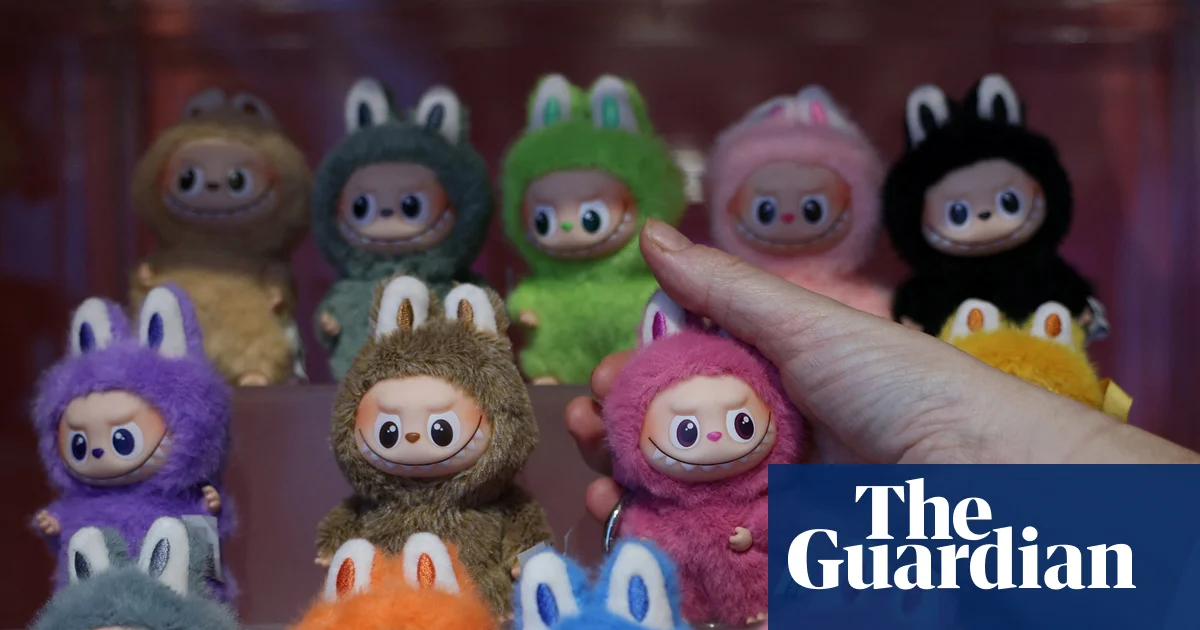
In an era defined by rapid technological advancement and cultural shifts, the story of Labubu—the viral plush toy turned potential cinematic franchise—illustrates a profound truth about our society’s evolving relationship with culture, commodification, and identity. Historically, culture has served as the bedrock of society’s self-understanding, a mirror reflecting collective memories and a compass guiding future aspirations. Today, however, the lines between art, commerce, and social identity blur more than ever, with the entertainment industry reshaping itself into a producer of brands and icons that seep into the very fabric of youth culture. Labubu—initially conceived as a whimsical monster figurine inspired by European fairy tales—evolved into a societal phenomenon rooted in social media, celebrity endorsement, and a desire for unique forms of personal expression. This mirrors the cultural shifts outlined by Ortega y Gasset, who argued that culture is not merely a relic of the past but a living, breathing consciousness that must adapt to new social realities.

What makes this phenomenon so compelling is not just the toy’s evolution into an object of high fashion or celebrity allure but the underlying mechanism of cultural reinforcement. The plush doll’s rise underscores the importance of tradition and memory in shaping society’s identity, even as that identity becomes increasingly commercialized. As Chesterton once observed, “The modern world is full of idols—idols which are scared — but most of all the idol of the consumer’s taste,” pointing to how modern culture often elevates superficial novelty over enduring values. Labubu, with its roots in Nordic fairy tales, symbolizes a form of ancient mythic storytelling dressed in the garb of contemporary branding, transforming from a simple collectible into a social currency—an emblem of belonging and status for a new generation of followers. Its appeal is emblematic of society’s innate quest for meaning in the ephemeral, permanence in the transient.

Furthermore, the commercial transformation of toys into film franchises exemplifies an inversion of the traditional artistic process. Historically, films inspired toys; now, we witness the reverse, where merchandise driven franchises become the roots from which cinematic stories grow. The blockbuster success of Barbie at the global box office—grossing over $1 billion in 2023—heralded a new chapter in Hollywood, one where toy brands like Mattel are pitching multiple ideas for cinematic universes rooted in their iconic products. Such developments demonstrate how the boundaries between cultural production and commercialism are eroding, leading to a cultural landscape where the personal and the branded merge seamlessly. It’s not merely entertainment; it’s a new mythology, a collective dream forged in the crucible of consumer desire. As Tocqueville warned, liberty and identity flourish when rooted in tradition—but when brands become the new symbols of belonging, we risk losing sight of the deeper currents that give culture its meaning.

In this landscape, the relevance of culture as a vessel of societal memory and prophetic vision becomes even more vital. The rise of Labubu and similar phenomena serve as poignant reminders that culture is both the repository of our shared stories and the blueprint of our future aspirations. As poets like T.S. Eliot suggested, tradition is no mere dead weight but a guiding force; it is both memory and prophecy—a dialogue between what we carry and what we seek to become. Consequently, in the age of rapid commodification, to understand and cherish culture is to recognize its power to forge identities rooted in history yet stretching toward eternity. It is through this sacred tension—between memory and prophecy—that humanity’s enduring story continues, whispering the promise that beneath the shifting sands of popular trends, the true soul of society remains bound to its roots, awaiting renewal in the fertile soil of collective memory.

From Fistful of Dollars to Rambo: Celebrating Renato Casaro’s Legendary Movie Posters — A Visual Tribute

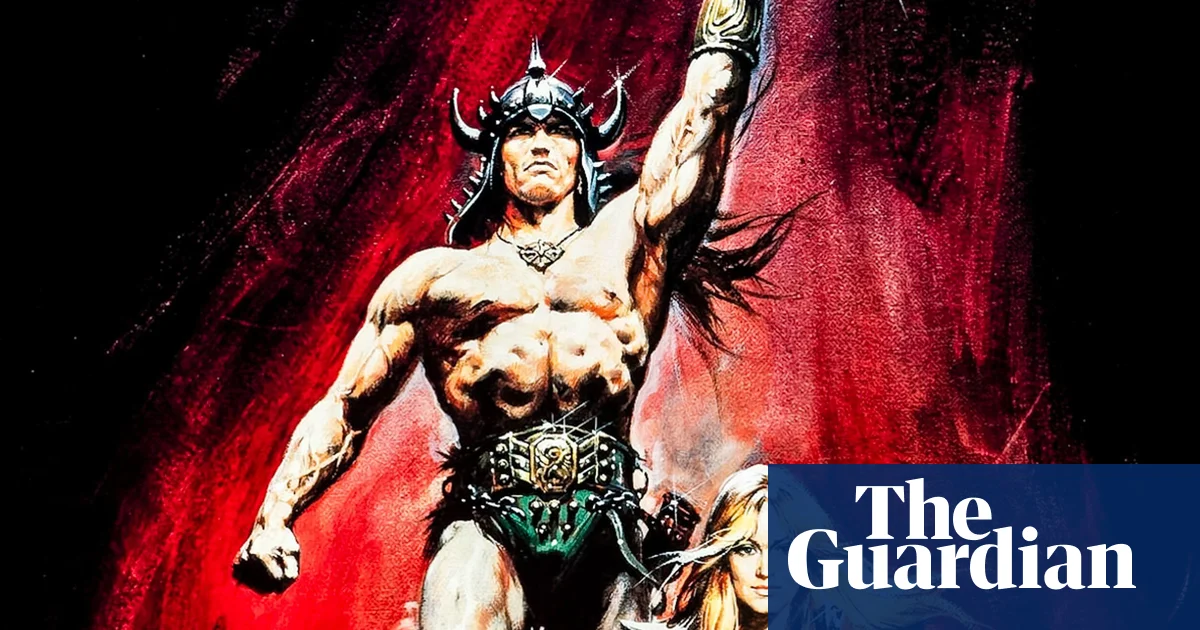
In the contemporary landscape of visual culture, few names resonate with the weight of Renato Casaro. His passing at age 89 marks the end of an era where artistry in film promotion was handcrafted, imbued with a soul that digital transformations have often threatened to erase. Casaro’s work represented more than mere promotional material; it was a testament to the enduring power of image-making rooted in tradition, craftsmanship, and the cultural dialogue between cinema and society. By elevating the heroic stature of icons such as Arnold Schwarzenegger and Sylvester Stallone, Casaro lent a mythic aura to modern heroes—echoes of classical heroism reimagined for the heroic age of postwar America and the cultural manifestations of strength, valor, and resilience.

This tradition of handcrafted poster art, a symbol of cultural memory and societal aspiration, encapsulates what Ortega y Gasset might have viewed as the way in which art manifests the collective spirit. As studios transitioned to digital tools in 1998, the tactile and visceral qualities of Casaro’s work began to fade, yet his influence remains a vital marker of cultural heritage. It is not merely about aesthetics but about the role of art in shaping identity and societal values. When Casaro returned to craft posters for Quentin Tarantino’s Once Upon a Time in Hollywood, it signaled a conscious return to that romantic, heroic mythmaking—a refusal to surrender entirely to digital repetition and superficiality.

Throughout history, critics like Chesterton have championed the idea that culture is a battleground for meaning; it is where tradition confronts innovation, where memory solidifies into societal identity. The cultural critic Christopher Lasch argued that in an age of relentless progress, it is the memory of the past that anchors societal coherence. Casaro’s posters, vibrant with heroism, did precisely that—they connected audiences to a shared mythos, imbuing cinematic images with a symbolic purity that transcends the fleeting nature of trends. As Tocqueville warned, the preservation of cultural identity is vital in a democratic society—where uniformity often threatens the uniqueness of tradition. Casaro’s work exemplified the human desire for heroism rooted in tradition, a rallying cry for a society that seeks meaning through its cultural icons.

In the end, the significance of figures like Casaro extends beyond their craft; they serve as custodians of a collective memory and prophecy. Their creations, like the finest poetry or philosophy, remind us that culture is both a reflection of what we are and a vision of what we might become. The tapestry of human history, woven with images and stories, calls us to consider that our deepest identity lies not just in the present but in the echoes of the past and the possibilities of the future—a future illuminated by the enduring light of cultural memory, shining brightly like a hero’s silhouette against a great, timeless horizon.

Social Media Auto Publish Powered By : XYZScripts.com



