Matox News

Truth Over Trends, always!

15-Year-Old Pleads Guilty to 12-Year-Old Leo Ross’s Murder in Birmingham

The recent case involving the murder of Leo Ross, a 12-year-old boy from Birmingham, underscores a disturbing trend of rising youth violence that is transcending national borders and challenging the fabric of societies worldwide. On a quiet day in Shire Country Park, Hall Green, a 14-year-old, now 15, engaged in a random attack that would result in Leo’s tragic death. This senseless act, characterized by a stabbing and subsequent deception by the perpetrator, has shocked communities, ignited debates about juvenile justice, and highlighted the urgent need for international cooperation to combat youthful violence. As the investigation reveals the attacker’s prior violent behavior, the case becomes an ominous signal of the vulnerabilities that nations across the globe face in safeguarding their young populations from falling into cycles of violence.

Legal authorities confirmed that the offender had no prior connection with Leo, emphasizing the randomness of the attack—a pattern that resonates with larger global concerns about the increasing brutality of youth crime. The teenager’s guilty pleas on multiple charges—including causing grievous bodily harm with intent and possessing a bladed article—brought some relief to a grieving family and the wider community, but it also exposed the depth of societal failures. West Midlands police revealed disturbing details: the attacker’s actions included throwing the murder weapon into a nearby river after the crime, and previously hunting down women in local parks. These revelations have prompted international organizations such as INTERPOL to call for better youth intervention programs and stricter firearm and weapon control, especially as similar incidents have risen in different countries, evidencing a pattern that demands a collective response.

From a geopolitical perspective, this tragic event illuminates the fragile state of social cohesion in many nations. Countries grappling with rising youth violence often find themselves at a crossroads—torn between liberal approaches that emphasize rehabilitation and stricter security measures advocating for harsher punishments. Analysts warn that the decision to focus on juvenile justice reforms or increased law enforcement can significantly shape national trajectories. The case also underscores a broader challenge for international institutions, which are urged by scholars like Dr. Abigail Turner and UNSC officials to foster cross-border cooperation on youth crime prevention. The ripple effects of such tragedies threaten to undermine social stability and the rule of law—core pillars that support peaceful and prosperous societies.

Amidst the shadows cast by individual tragedies, a somber reflection on **how nations defend their future generations** emerges as an urgent call to action. With the echoes of Leo’s innocent life symbolizing the potential lost to violent unrest, the international community stands at a critical juncture. The unfolding aftermath of the Birmingham incident reveals the undeniable truth: decisions made today—and the collective resolve to prevent such heartache—will define the legacy left behind. As the world watches how countries respond to these dark chapters, the haunting question persists: Will justice prevail and guide a new path forward, or will society continue to grapple with these tragedies, powerless against a tide of youth violence that threatens to reshape their histories forever?
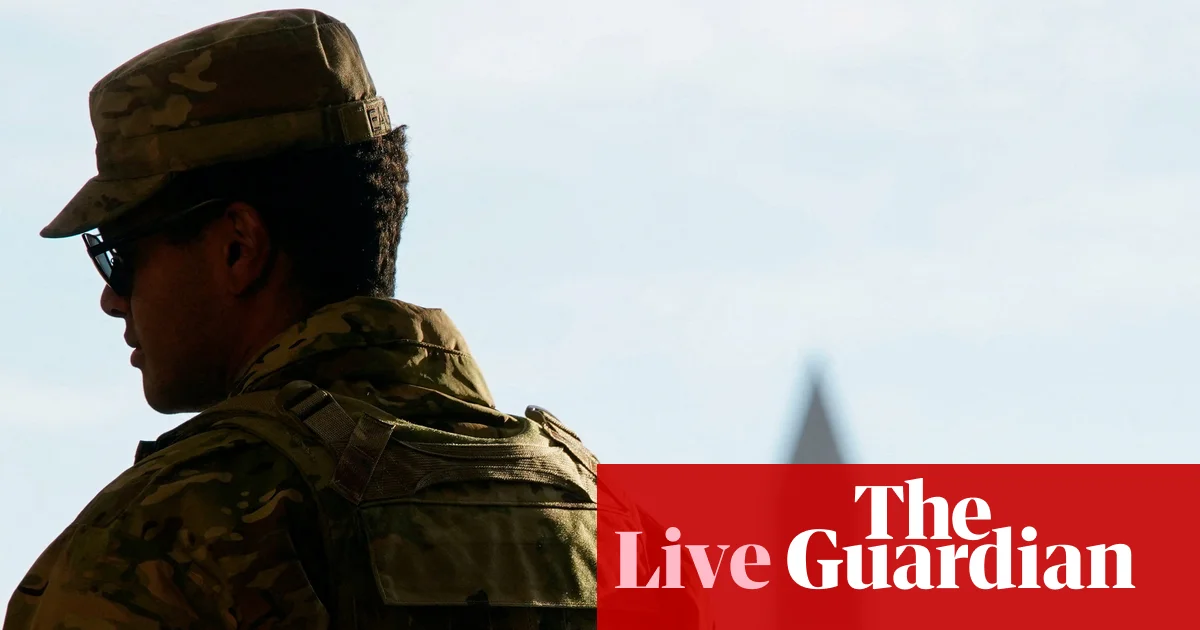
Australia pledges $95M military aid to Ukraine amid rising tensions; suspect faces murder charge in northern NSW

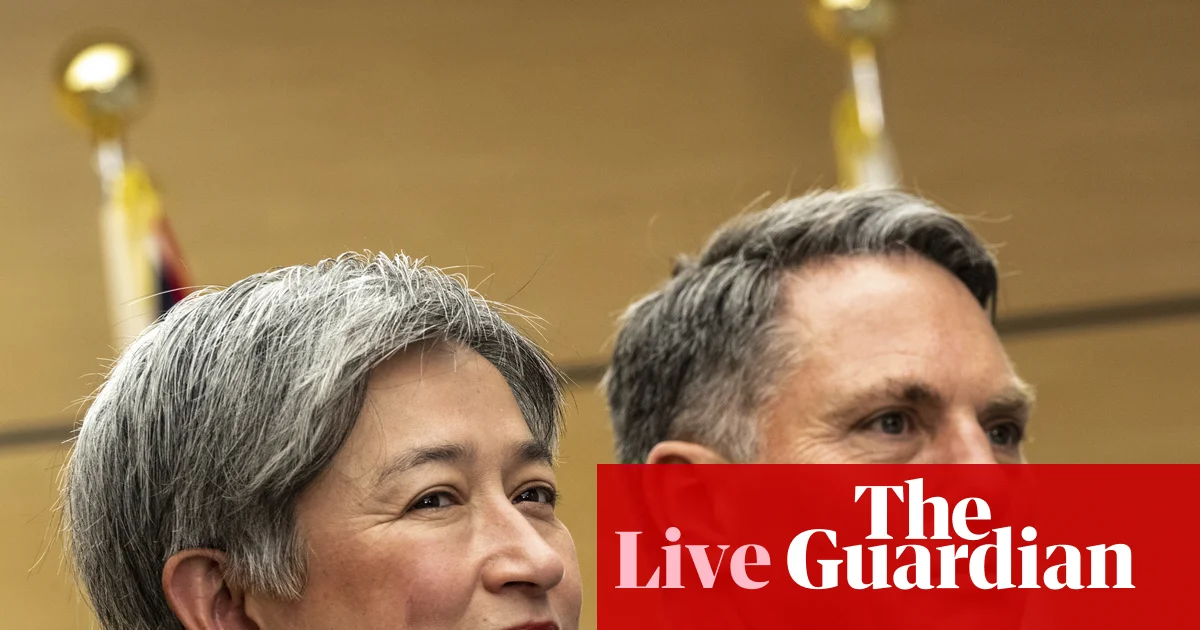
In a decisive move that underscores the mounting international tensions amid an ongoing conflict in Ukraine, the Australian government has pledged an additional $95 million in military support for Kyiv, bolstering its commitment to counter Russia’s aggression. Announced by Defence Minister Richard Marles and Foreign Minister Penny Wong, this latest aid package raises Australia’s total support since the conflict’s onset to over $1.7 billion. This reinforcement is not isolated; it aligns with NATO-led initiatives such as the Prioritised Ukraine Requirements List (PURL), aimed at delivering critical military equipment including radars, munitions, and the final deployment of 49 Abrams tanks to bolster Ukraine’s defenses.

As Australia exhibits unwavering backing for Ukraine’s sovereignty, the global repercussions of such commitments ripple across geopolitics. The decision to intensify sanctions against Moscow’s shadow fleet of oil tankers signals a broader effort by allied nations to choke Russia’s circumventing tactics—highlighted by the targeted measures on vessels supporting Moscow’s illicit energy trade. These diplomatic and military maneuvers, analyzed by international observers, reinforce the trajectory of multilateral efforts to uphold international law against Moscow’s provocations. Experts from institutions like the Council on Foreign Relations warn that these actions could set a precedent that complicates future diplomatic negotiations, potentially intensifying the geopolitical divide.

Simultaneously, domestic issues dominate the political landscape. In Australia, economic policy debates confront the reality of slow growth and persistent inflation, with Treasurer Jim Chalmers dismissing claims that the economy might be at its “speed limit.” The recent national accounts, showing just 2.1% annual growth, are being interpreted optimistically, with Chalmers emphasizing that private sector recovery and productivity gains signal a promising outlook. However, the buildup of inflationary pressures has sparked speculation of impending interest rate hikes by the Reserve Bank of Australia, risking a delicate balancing act for policymakers intent on maintaining economic momentum without igniting runaway inflation.

Meanwhile, issues underlying the nation’s internal security and resource management have gained prominence. The Australian Bureau of Statistics announced it would begin accounting for illegal cigarette sales—a covert economy that has seen a 29% drop in legal tobacco sales, an anomaly revealing deeper challenges. Experts warn that the surge in black market tobacco trade not only skews economic data but also facilitates criminal activity, exemplifying how organized gangs may exploit economic shifts. The government’s efforts to estimate illicit sales through innovative methods like wastewater detection aim to bring these shadow activities into the official economic framework, a move that could reshape how Australia measures its growth and stability.

From the battlefield of eastern Europe to the halls of domestic policy, Australia’s decisions reflect a nation grappling with international responsibilities and internal vulnerabilities. The support for Ukraine demonstrates an active role on the global stage, defending what many see as the values of sovereignty and democracy. At the same time, the challenges at home—economic slowdowns, inflation, and illicit trade—serve as a stark reminder that the weight of history is not only shaped by international conflict but also by the resilience and resolve of societies to confront their own crises. As policymakers navigate these intersecting currents, one thing remains clear: the unfolding story of national and international sovereignty continues to be written, and the next chapter may determine the balance of power for generations to come.

National Guard shooting suspect to face murder charges amid Trump's aggressive immigration crackdown
National Guard shooting suspect to face murder charges amid Trump’s aggressive immigration crackdown

The recent surge of violence and political upheaval surrounding Washington, D.C. has ignited a firestorm with far-reaching geopolitical impacts that ripple across the international landscape. The escalation of violence—marked notably by the deadly shooting of National Guard members during a targeted attack close to the White House—has cast a shadow over what was once regarded as a symbolic safe zone. The attack, suspected to have been conducted by an Afghan national, underscores the complex challenge faced by U.S. authorities, who are now grappling with the security implications of foreign nationals involved in domestic violence. The incident further fuels Donald Trump‘s narrative that America’s borders and national security are compromised, prompting calls for stringent immigration policies.

The international community watches keenly as Trump vows to “permanently pause migration from all third-world countries,” signaling a potential shift away from America’s longstanding commitment to being a haven for immigrants. His promise, announced in a late-night social media post, aims to “end all federal benefits and subsidies to non-citizens” and remove those deemed “not a net asset” to the country. Yet, these aggressive rhetoric and policy proposals defy the legal and societal realities within the United States, where previous bans faced judicial hurdles and legislative resistance. Global analysts and human rights organizations caution that such measures could destabilize international efforts to support refugees and undermine America’s moral standing.

The incident has become a clear turning point, marking heightened tensions between the Biden administration’s policies and the growing nationalist wave, with many fearing increased institutional crackdowns and deepening societal divisions. As the Trump-era policies of mass deportations and immigration restrictions take a renewed shape, international voices—especially within Europe and Canada—warning that America risks retreating into isolationism and xenophobia. Renowned historians such as Professor Laura Sanchez argue that these developments threaten to turn the clock back on decades of inclusive policies, risking economic consequences due to the significant contributions of foreign-born workers, who fuel roughly 31 million American jobs.

This crisis also amplifies the debate about how internal decisions affect societal cohesion and international perceptions. The attack’s suspected perpetrator, linked to Biden’s post-2021 Afghan evacuation program, exemplifies the unintended consequences of rapid resettlements. As Trump calls for reexamining the status of Afghanistan nationals and intensifying immigration enforcement, international observers wonder whether the US is steering itself toward a more insular, security-focused approach—one that risks alienating traditional allies and destabilizing regional geopolitics. Historians warn that such internal rifts, if unaddressed, could lead to long-term societal fragmentation, with echoes that may reshape international relations for generations.

As the dust settles, the weight of history presses down—highlighting a moment where America’s founding ideals clash with burgeoning fears and nationalistic impulses. The choices made by its leaders in this perilous era could either forge a path toward renewed unity or fracture the social fabric beyond repair. The story of this chapter is still being written, but one thing remains certain: the unfolding narrative will influence the world’s outlook on democracy, security, and human rights for decades to come.

15-Year-Old Facing Christmas Behind Bars After Sydney Teen Murder

Teen Violence in Sydney: A Microcosm of Societal and Geopolitical Shifts

The recent tragic incident in Sydney, where a 17-year-old boy lost his life after a stabbing near a local high school, underscores a disturbing rise in youth violence affecting even the most peaceful societies. The suspect, a 15-year-old, was accused of the brutal murder, an act that has sent shockwaves through the Australian community and raises pressing questions about social instability, youth crime, and the broader societal influences fueling this violence.

Analysts and international observers have pointed to a global trend where societal discontent, economic disparities, and cultural shifts contribute to increased violence among youth. Historian Dr. James Thornton notes that such incidents often reflect underlying fractures within a nation, exacerbated by declining social cohesion and economic uncertainties. This tragic event took place in broad daylight, close to several schools and within view of the community—highlighting how fragile societal order can be, especially when morals and law enforcement are strained by the complexities of modern urban life.

The geopolitical impact of localized violence, however, extends beyond Australia’s borders. It acts as a stark reminder that internal societal stability influences a nation’s reputation on the global stage, especially as China and Russia continue to challenge Western democratic values and institutions. In a time where Australia aligns increasingly with U.S. interests, incidents like these threaten national cohesion and national security by fueling societal divisions. Moreover, international organizations such as the United Nations have long warned that domestic instability distracts nations from engaging effectively in global geopolitics, exacerbating regional tensions and allowing authoritarian influences to gain ground.

The response from Australian authorities underscores the seriousness with which such violence is treated. The young suspect was remanded in custody, with forensic evidence—including a DNA swab—being collected to establish further details. This case, due to return to court in January, highlights the ongoing challenge of juvenile justice and law enforcement’s efforts to combat youth violence in an increasingly volatile social climate.

Critical voices from across the political spectrum insist that resolving these issues requires addressing root causes—namely, inequality, cultural dislocation, and lack of opportunities for youth. Prime Minister Anthony Albanese has expressed condolences to the victim’s family while emphasizing the need for community resilience and policy reform. But the clash between social well-being and rising violence reveals deeper fractures within<typeof "Western" societies, which now confront the ongoing repercussions of rapid globalization, identity shifts, and internal divisions.

As the world watches, the event in Sydney becomes more than a localized tragedy—it serves as a bleeding symbol of how internal societal struggles can have far-reaching consequences. When youth are pushed to the brink, societies risk losing their future, and the weight of history continues to unfold, reminding all nations that peace is fragile and must be fiercely guarded against the tides of chaos and discord.

Inquest Confirms German Backpacker Simone Strobel Murder, Identity of Attacker Still Unknown

Unresolved Mysteries: The Continuing Saga of Simone Strobel’s Death

The recent ruling by New South Wales coroner Teresa O’Sullivan marks a significant, if still incomplete, chapter in the pursuit of justice for German backpacker Simone Strobel. Her death in 2005, long shrouded in uncertainty, has remained one of Australia’s most perplexing unresolved cases. The coroner’s findings, delivered after a comprehensive inquest that spanned nearly two decades, confirm that Strobel was murdered, yet crucial questions about who committed the act still hang in the balance. This development underscores how internationally significant criminal investigations often grapple with legal and procedural impediments that hinder resolution, especially when new evidence eludes authorities through mismatched DNA samples.

The investigation initially faced hurdles rooted in legislative changes. Notably, legislative reforms introduced in 2009 restrict coroners from issuing formal findings that directly implicate suspects in an offense, a change that the current coroner acknowledged restricts the scope of her conclusions. Despite an earlier inquest in 2007 hinting at a “very strong suspicion” of involvement by Strobel’s traveling companions, the latest inquiry dismissed these suspicions as unsupported by current evidence. Instead, the coroner accepted that her manner of death was as a homicide, but without identifying the perpetrator, highlighting the complex legal landscape that often complicates international cases where witnesses and evidence are elusive or ambiguous.

The tragic circumstances surrounding Strobel’s death illustrate the profound impact that international travel and youthful exploration can have—yet they also reveal how such freedom can sometimes turn tragic in the face of unresolved crimes. Her body was discovered concealed beneath palm fronds near a sports ground less than 100 meters from where she was last seen. Despite multiple investigations, police failed to identify her killer, a failure compounded by limited forensic matches—only now prompting the NSW police’s unsolved homicide team to revisit DNA evidence in hopes of breakthroughs. The case’s persistence underscores how vital international cooperation and forensic advancements are in solving cross-border crimes, and it raises questions about how many other cases languish due to jurisdictional gaps and resource constraints.

International organizations and experts have weighed in on the ongoing challenge. Dr. Erik Jensen, a renowned geopolitical analyst, emphasizes that cases like Strobel’s are emblematic of a larger pattern—where local justice systems intersect with global mobility. Many nations, he notes, are now contending with the “transnational ripple effects” of such unresolved crimes, which can threaten regional stability and societal trust. The question remains: how many unaccounted murders go unresolved because of legal limitations or insufficient evidence? As the world witnesses the emergence of new forensic techniques and combined international efforts, it becomes clear that justice in such cases is not merely about individual resolution but about affirming the rule of law in a fluid, interconnected world.

In a striking conclusion, the trail of Simone Strobel’s mysterious death continues to cast a long shadow over international justice efforts, revealing the enduring human and geopolitical cost of unresolved crimes. As authorities prepare to revisit DNA evidence and explore emerging investigative avenues, history holds its breath. Will this latest chapter mark a turning point in delivering justice—*or* will Simone’s story remain a haunting reminder of how some truths are delayed, and some stories remain unfinished, in the relentless march of history?

Prosecutors Question Manslaughter Charge Possibility if Greg Lynn Recalls High Country Murder Conviction — Victoria

International Focus Turns to Australian Judicial Controversy: The Greg Lynn Case and Its Global Significance

In what might seem like a local criminal case at first glance, Australia’s judicial proceedings involving Greg Lynn have unexpectedly garnered international attention, underscoring the profound geopolitical impact of judicial integrity and legal processes in the digital age. The Victorian court of appeal has recently intervened to clarify whether Lynn, convicted of murdering grandmother Carol Clay, should face a re-trial with the possibility of facing manslaughter charges instead of murder. This development not only raises questions about the fairness of the legal process but also spells out a broader narrative of how justice systems demonstrate societal values and international credibility in problems that transcend borders.

At the heart of this controversy is the careful scrutiny of prosecutorial conduct and trial fairness, with judges demanding clarity from the Office of Public Prosecutions (OPP). As Australia’s judiciary debates whether Lynn’s conviction was the result of procedural missteps, analysts and international observers recognize that such legal battles echo in the corridors of power across the U.S., Europe, and Asia. Indeed, the case has highlighted concerns regarding the integrity of criminal justice, especially where the prosecution’s tactics and the potential for wrongful convictions threaten to undermine public trust. The involvement of Australia’s appellate judiciary—comprising Justices Karin Emerton, Phillip Priest, and Peter Kidd—further reflects how legal processes are under close international scrutiny when they involve the potential for a retrial, appeals, and the reinterpretation of evidence.

According to respected legal analysts and historians, such judicial reviews serve as a testament to the principle that justice must be both robust and transparent, particularly when the case has images of violence and misconduct—elements that evoke fears of state overreach. The case has also become emblematic of broader debates on legal accountability, with critics warning that failure to ensure fair trials could damage Australia’s international reputation, especially within commonwealth and allied nations. Furthermore, the decision whether to alter charges from murder to manslaughter could set a legal precedent influencing criminal statutes worldwide, especially as nations grapple with how best to balance justice with societal safety.

As the case unfolds, the United Nations and international human rights organizations watch intently, emphasizing that the outcomes of such criminal proceedings are more than national matters—they reflect a nation’s adherence to just legal standards and respect for human rights. Historians note that judicial independence during politically or socially charged cases often defines a nation’s moral compass on the global stage. The final judgments and their implications may reverberate for generations—reminding the world that in the quest for justice, decisions made in courtrooms can ripple across borders, shaping international relations and societal perceptions of fairness and rule of law.

In the shadow of these proceedings, history continues its silent watch. The weight of past injustices and contemporary decisions hangs heavy in the air, as the Australian judiciary, like many before it, navigates the treacherous waters of truth, justice, and international consequence. As the court awaits its ruling, one thing remains clear: the narrative of justice and accountability in the 21st century is still being written—an enduring story where every verdict could tilt the delicate balance of global perceptions, and where the weight of history urges caution amid the unfolding human drama.

’Kill crew’ reportedly threatened Sydney woman with photos before her murder, police reveal

In a stark reminder that organized crime continues to specialize in brutality and international connectivity, Australia has witnessed a violent and high-profile incident involving a local crime syndicate. According to police investigations, a gruesome murder in suburban Sydney has not only shocked the nation but also raised significant questions about the reach and influence of transnational criminal groups. Three men, who police allege were “guns for hire,” have been charged with the execution-style killing of 45-year-old Thi Kim Tran, found murdered in a burnt-out SUV. This case exemplifies how local criminal enterprises may serve as nodes in the larger web of global illicit networks, impacting national security and societal stability.

The events leading to Tran’s death illuminate a much broader phenomenon: the intertwining of organized crime and international drug trafficking, with some analysts suggesting this incident signals an alarming escalation in criminal violence fueled by potent drug markets. Police allege that the killers, aged 20 to 32, operated as mercenaries, purchasing “kill kits” and procuring clothing to disguise their operations — an indication of a highly organized and well-funded syndicate. Furthermore, investigators have traced these men to connections with criminal groups based in Victoria, involved in theft and drug distribution. The remarkable aspect of this case lies in the suspected high-level ordering—whether from inside Australia or abroad—highlighting an ongoing struggle for sovereignty in the face of transnational criminal influence. The international ramifications are undeniable: such evidence points to illegal operations that could be linked to global drug cartels, with potential repercussions for law enforcement cooperation across borders.

Experts and international organizations, including INTERPOL, warn that this type of violence underscores how criminal organisations are increasingly adopting sophisticated methods that threaten both domestic order and international security. The Australian case has echoes of patterns observed in other parts of the world, where the convergence of organized crime and political or economic interests creates a complex web of influence. The incident also underscores the importance of robust border controls and international data-sharing agreements, as nations grapple with the ways in which illicit activities can seep across borders in the digital age. The case has prompted calls from analysts for increased cooperation and resource allocation to confront these transnational threats, which, if unchecked, could destabilize entire regions.

As the weight of this unfolding story bears down, history reminds us that such violence and crime are not isolated but symptomatic of broader geopolitical shifts. The rise of well-armed, well-funded criminal factions challenges the very fabric of national sovereignty, where cities like Sydney serve as battlegrounds for a clandestine war that refuses to be contained. The arrest of the alleged killers and the ongoing investigation reveal only a fraction of a larger puzzle: a struggle for control over resources, influence, and territory on a scale that transcends borders. In the shadow of this dark episode looms the question: how long before these acts of violence spill into international corridors, threatening peace and security on a broader canvas? History yet again beckons us to watch closely, for in these dark narratives lie the seeds of future upheaval—an enduring reminder that the fight against transnational crime is a pivotal chapter in the ongoing saga of global stability.

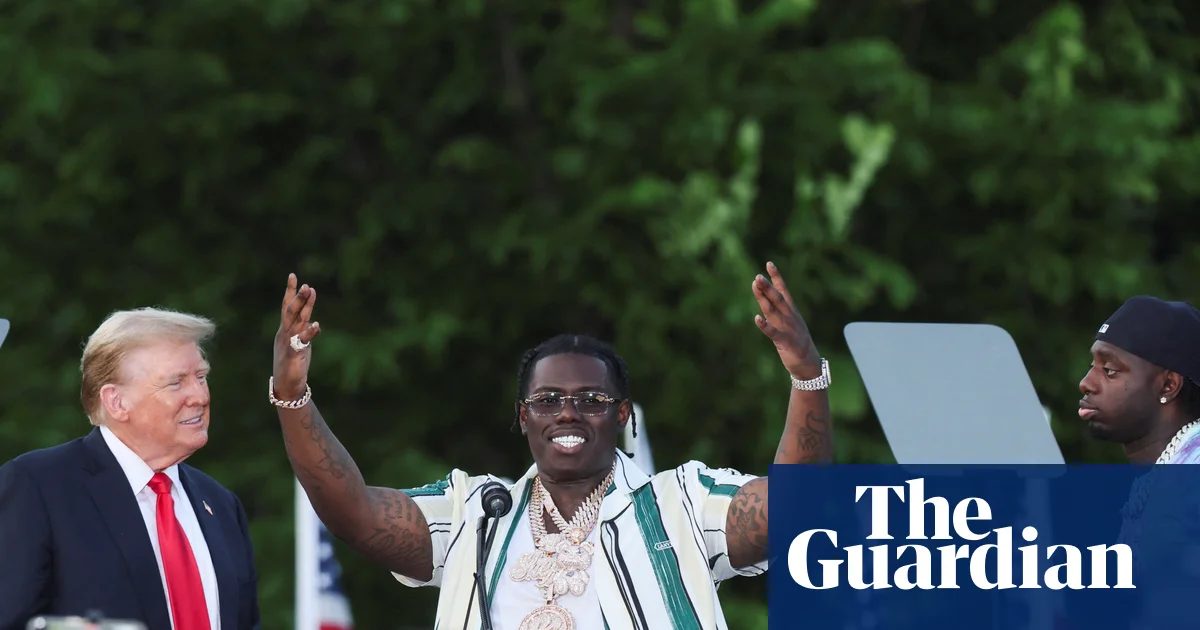
Hip-Hop Artist Who Campaigned with Trump Sentenced to Five Years for Attempted Murder

In an era where culture is often reduced to mere entertainment or fleeting trends, the recent legal downfall of Brooklyn rapper Sheff G reminds us that beneath the beats and viral videos lies a profound reflection of societal currents—a mirror to the values and challenges shaping our communities. Once celebrated as a rising star with millions of streams and YouTube views, Michael Williams—the man behind the stage name—demonstrated how the identity of modern youth can be both a source of pride and, tragically, a vessel for destructive pursuits. His plea deal and subsequent imprisonment underscore a vital truth: culture, when corrupted by violence and gang allegiances, becomes an obstacle to genuine progress rather than a catalyst for it.

Throughout history, cultural figures have wielded influence not just as entertainers but as symbols of broader societal struggles. The movement of jazz, the rebellious spirit of rock ‘n’ roll, or the poetic defiance of Gunnar Björling or T.S. Eliot all attest to the power of art to elevate or question the fabric of society. Yet, when that influence is exploited to glamorize criminality—such as Sheff G’s role in allegedly fueling gang violence—it becomes a distortion of this cultural legacy. Prosecutors have detailed how the rapper used his earnings not to uplift his community but to fund a cycle of fear and violence in Brooklyn’s streets. The indictment of more than thirty gang members, including alleged acts of attempted murder and drug trafficking, is a sobering reminder that culture without moral direction risks descending into chaos, promising nothing but its own eventual collapse.

This tragic convergence of art, violence, and shame echoes American philosopher Alexis de Tocqueville’s warning about the fragile nature of democratic societies: a culture that allows the degradation of moral fabric weakens the foundations of civil order. The fact that figures like Sleepy Hallow—another rapper who appeared alongside Sheff G during a political rally—also received punishment for conspiracy points to a broader societal challenge. It is not simply about individual culpability but about the systemic failure to harness creative energy in a manner that fosters tradition, respect, and societal cohesion. As Chesterton observed, “The true soldier fights not because he hates what is in front of him, but because he loves what is behind him”—a reminder that culture rooted in heredity and shared values must serve as the bulwark of society against nihilism.

The politicization of cultural icons, particularly in the context of President Trump’s rallies and campaigns, illustrates how deep-seated is the desire for authentic symbols that embody strength and tradition in a fractured society. Yet, the infiltration of violence and criminality into these representations diminishes their potential as patriotic or unifying forces. The critical task lies in reclaiming the cultural narrative—affirming that culture is both memory and prophecy, an ongoing dialogue between the past and the future. As T.S. Eliot posited, “The past (must) be altered by the future,” but it cannot be erased. Culture’s true power resides in its capacity to ground us in memory while inspiring us to forge a nobler destiny, one rooted in virtue rather than vice.

In reflecting upon these events, we are reminded that society’s true strength lies in the shared heritage of tradition and the moral compass it provides. Culture is never mere spectacle; it is the memory of human striving, a prophecy of where we are headed. To preserve this sacred continuity, we must guard against the corrosive influences that threaten to turn our creative energies into chaos. The story of Sheff G and his companions is more than a cautionary tale—it’s a call to recognize that when culture is rooted in virtue, it becomes an enduring beacon for generations to come, transforming fleeting fame into a testament of enduring human worth. And in this light, our collective future is a poetic unfolding—an eternal work in progress, written by the choices of those who cherish their roots and dream beyond the horizon.

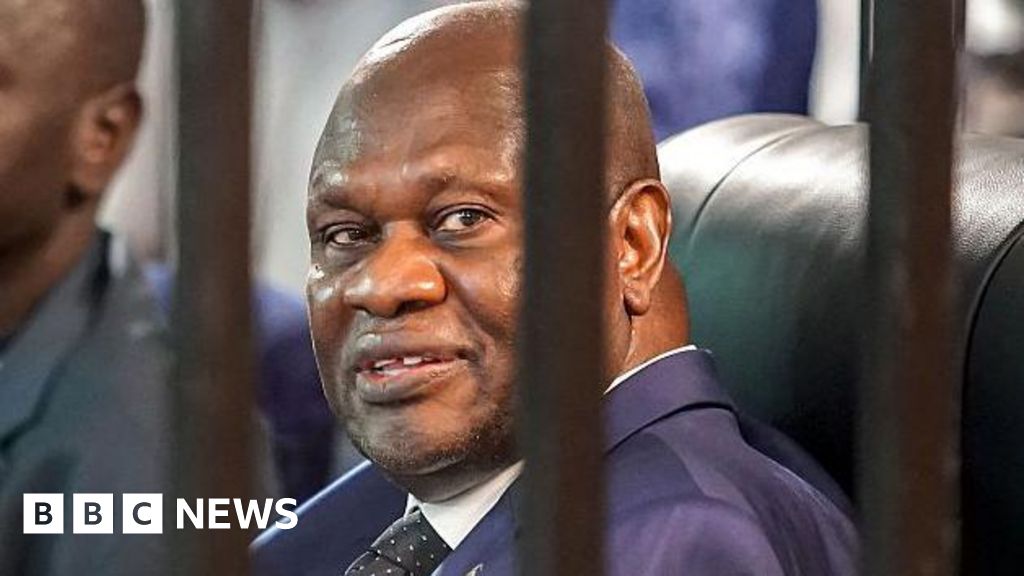
South Sudan Court Dismisses Riek Machar’s Attempt to Block Murder and Treason Trial

The recent decision of a special court in South Sudan to assert its jurisdiction over Vice-President Riek Machar underscores a critical crossroads in the fragile nation’s post-conflict recovery. The court’s dismissal of Machar’s objections—regarding immunity, constitutionality, and jurisdiction—sets a significant legal precedent that could reshape the country’s political landscape. By asserting its authority to prosecute high-ranking officials for serious crimes such as murder, treason, and crimes against humanity, the court signals a firm stance against impunity, even amid the turbulent aftermath of Africa’s newest independent state. This decision, while a step toward justice, has been met with considerable caution from international observers, who warn that it could either bolster accountability or ignite renewed unrest.

  • The charges against Machar originate from an attack in March that resulted in the deaths of 250 soldiers and a high-ranking general, linked to militia forces associated with the Vice-President. These allegations, dismissed by Machar as a political “witch-hunt,” have escalated fears of another outbreak of civil conflict, threatening to undo years of fragile peace efforts initiated by the 2018 Peace Agreement.

Since his house arrest, Machar’s case has become emblematic of the ongoing struggle to cement rule of law in a nation still haunted by the scars of civil war. His legal team’s argument that a hybrid court under the African Union should handle such charges, in line with the 2018 peace accord, reflects wider debates over justice and sovereignty in the region. The court’s ruling—affirming its authority under the 2011 Transitional Constitution—demonstrates a bold assertion of national judicial independence. However, it also raises questions about how justice is balanced against political stability, with critics warning that unpredictable legal proceedings could deepen divisions or trigger cycles of violence.

The geopolitical impact of this legal move extends well beyond South Sudan. Regional stability hinges on how leaders, notably President Salva Kiir, manage these tensions. The African Union and the United Nations have called for calm, fearing that arrests of top officials might derail an already fragile peace process. Analysts in international think tanks emphasize that how South Sudan enforces justice—especially against figures like Machar, a key opposition leader—will influence regional alliances and the future of South Sudanese sovereignty. For countries surrounding South Sudan, any return to conflict could destabilize neighboring economies and complicate efforts to combat terrorism and arms trafficking across the Horn of Africa.

With global powers watching closely, the case offers a sobering reminder of how decisions made in courtrooms can ripple into the wider geopolitical fabric, affecting international peace efforts and the stability of the African continent. As historians and political analysts debate whether this legal move marks a turning point or a potential flashpoint, the weight of history continues to hang over South Sudan’s young democratic experiment. The unfolding of this legal saga will inevitably test whether justice can be truly delivered in a land scarred by conflict—an enduring chapter in a story still being written by history itself.

Social Media Auto Publish Powered By : XYZScripts.com