Matox News

Truth Over Trends, always!

Ukraine Museum Opens in Berlin Air-Raid Bunker, Showcasing Resilience and Heritage

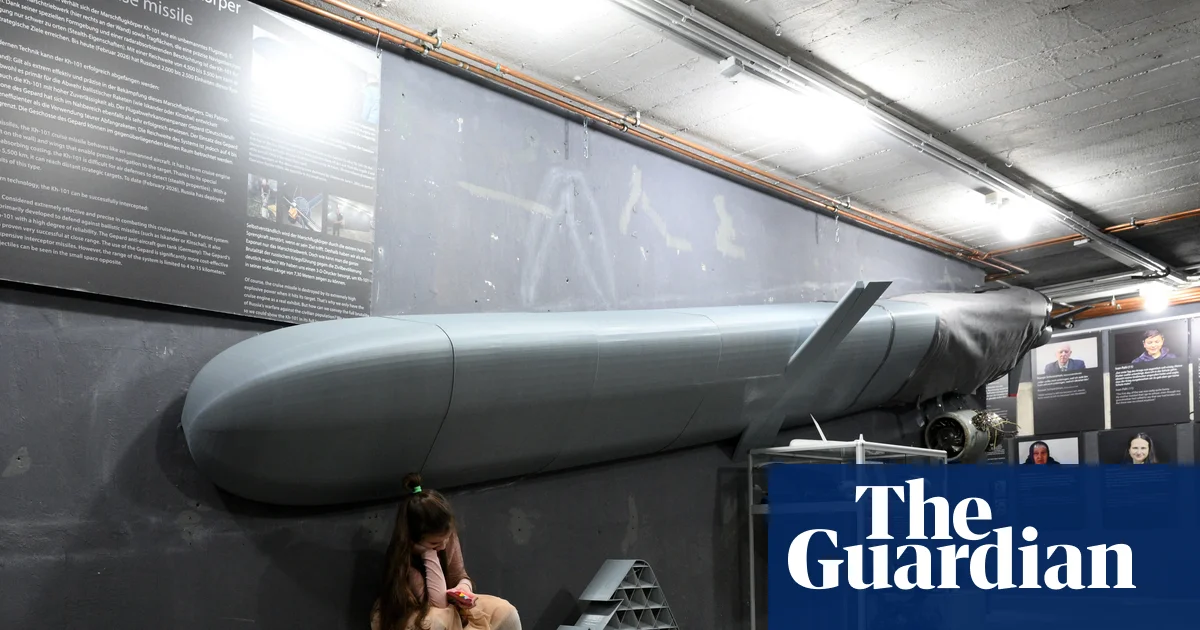
As Russia’s ongoing invasion of Ukraine enters its fourth year, the geopolitical landscape in Europe remains sharply divided over the appropriate response. The newly inaugurated Ukraine Museum in Berlin serves as a stark reminder of the conflict’s brutal reality, exposing visitors to the physical remnants and harrowing stories from the battlefield. Curated from war remnants and built in collaboration with Ukrainian frontline troops and historical institutions, the museum aims to combat growing fatigue and apathy among Western populations. It underscores an essential warning to the West: ignoring this war risks destabilizing the entire security architecture of the continent.

This museum’s presence in Berlin symbolically signifies Germany’s pivotal role as a major supporter of Kyiv, providing substantial military aid and shelter for millions of Ukrainian refugees. Yet, this support is not without controversy. Domestic political divisions threaten to weaken the unified front necessary to counter Putin’s expansionist ambitions. Critics argue that wavering in commitments—whether through resistance to increased arming or skepticism over continued aid—embolden Russia’s narrative of Western disinterest or weakness. According to analysts from the European Council on Foreign Relations, such factions are playing into Putin’s strategic aims to destabilize Western cohesion, emphasizing that European unity remains fragile and crucial for Ukraine’s survival and the broader confrontation with authoritarian expansion.

International observers, including historians and military strategists, emphasize that support for Ukraine goes far beyond humanitarian concern—it is a defining element of geopolitical stability in the 21st century. The war’s brutal reality, vividly exposed by the museum’s displays—such as a missile reconstructed via 3D printing and wreckage of a Russian T-72 tank—serves as a stark reminder that the stakes are existential for Ukraine and the West alike. The museum also draws attention to the dehumanizing propaganda—images of aid worker Oleg Salnyk, killed after the deliberate targeting of his ambulance by a Russian drone, are intended to forge a visceral understanding of the war’s toll. Such visceral representations seek to awaken Western audiences to the fact that timid complacency could lead to far greater catastrophe.

In response to the conflict, Germany and other Western nations face difficult questions: How long can they sustain military and economic support without internal discord? As Hanna Maliar, a former Ukrainian deputy defense minister, warns, “My advice to Germany is whatever you do, don’t get rid of your bunkers.” The metaphor resonates—without resilient defenses, the risk of destabilization extends beyond Ukraine into Euro-Atlantic security. Meanwhile, the Ukrainian resistance, exemplified through stories of aid workers targeted in front-line attacks, continues to symbolize the tenacity of a nation fighting to preserve sovereignty amidst a concerted effort by Russia to erode Ukrainian identity and independence. As history unfolds in real time, the question remains: will the powerful Western alliance recognize that the cost of indifference may be the very fabric of freedom itself?

Hidden Underground Railroad Passage Discovered in New York Museum

The Merchant’s House Museum in New York City has long been celebrated as an architectural and cultural landmark, preserving 19th-century life in Manhattan. However, recent archaeological discoveries have unveiled a profound layer of historical significance, shedding light on its secret role as a refuge for escaped slaves during a tumultuous period in American history. Hidden beneath the floorboards of a nondescript hallway, investigators found a clandestine space—a small, enclosed cellar with a ladder leading to the street—used as an escape route for those fleeing bondage before and during the civil war. This remarkable find underscores the fact that America’s fight against slavery was not only fought in legislative halls but also in clandestine networks woven into the fabric of towns and cities like Manhattan.

This discovery offers critical insight into the operational depths of the Underground Railroad, a clandestine network of abolitionists who risked everything to ensure the safety of runaway slaves seeking freedom. The house’s hidden compartment, likely installed by Joseph Brewster, the original builder, suggests active involvement by abolitionist-minded residents—an extraordinary assertion in a city where white abolitionism was, historically, a minority view. Experts like Michael Hiller, a preservation attorney and professor, have described this find as “a generational breakthrough,” emphasizing its importance for understanding the underground resistance movement. The space, roughly two feet by two feet with an emergency escape ladder, indicates a well-constructed hideout designed to shield and expedite escape for enslaved individuals during a period when the Fugitive Slave Act of 1850 empowered bounty hunters and law enforcement to capture those fleeing slavery, often with local complicity.

More than just an archaeological curiosity, this discovery redefines the geopolitical impact of Northern cities like New York. Historically, the city’s elite and law enforcement apparatus often wavered in their stance on abolitionism, exemplifying the deep societal divide of the era. The role of abolitionists and free black communities in the city becomes more tangible through such findings, highlighting how local actions contributed to the broader abolitionist movement that ultimately reshaped the international order. In a recent statement, Christopher Marte, a New York councilman, emphasized the significance of the house as “a crucial part of the city’s history,” reminding us that the fight against slavery was fought on the streets as much as in parliamentary halls. This narrative resonates today amid ongoing geopolitical shifts, as nations grapple with their own histories of oppression and resistance, asserting that the struggle for freedom is universal and ongoing.

As the future of the Merchant’s House faces threats from urban development—most notably, plans for an adjacent eight-storey building—advocates warn that losing this emblem risks erasing the physical trace of a critical chapter in American history. Historians underscore the importance of preserving such sites, deeming them essential to understanding not only the past, but the ideological battles shaping the present. In an age where geopolitical tensions often ignite around questions of sovereignty, civil rights, and historical memory, this discovery leaves us with a stark reminder: the currents of history continue to flow beneath our cities, their weight felt most when least expected. As the shadows of the past collide with the ambitions of the future, the question remains—all of us are part of this unfolding story—will we listen to the silent echoes within this historic house and stand vigilant against the forces seeking to erase it?

Controversy in Nigeria: Clash Over Benin Bronzes at West African Art Museum

Geopolitical Tensions Escalate as Nigeria’s New Museum of West African Art Becomes a Political Battleground

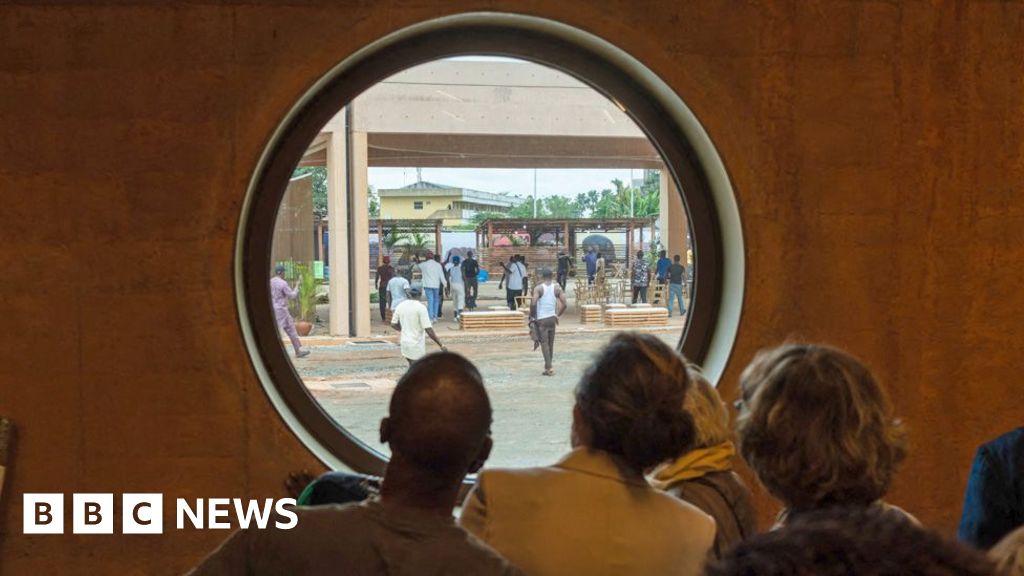
In a dramatic turn of events, Nigeria’s quest to establish a world-class cultural institution has been marred by intense local political rivalry and unresolved historical grievances. The Mowaa project, a sprawling six-hectare museum in Benin City, intended to showcase West Africa’s rich artistic heritage—including the prized Benin Bronzes—was set to inaugurate a new chapter in Nigeria’s cultural renaissance. Designed by renowned architect Sir David Adjaye, the museum aimed to rival global institutions and reassert regional pride. But the ambitious project faced immediate opposition, reflecting deeper conflicts rooted in history, power, and identity that continue to ripple across Nigeria’s socio-political landscape.

As Mowaa within moments of preparing for its grand opening, protesters stormed the campus demanding it be rebranded as the Benin Royal Museum and placed directly under traditional custodianship of the Oba of Benin. The row highlights a simmering debate about ownership and restitution of Africa’s most treasured artifacts—the Benin Bronzes—looted in 1897 during British colonial expeditions. While international museums such as the British Museum and the Berlin Humboldt Forum have tantalizingly returned some pieces, the core debate persists: Should these artifacts remain in Western institutions or be repatriated to Nigeria? The controversy is not merely about artifacts but touches on national identity, sovereignty, and historical justice. Historians and cultural analysts warn this dispute could further complicate ongoing efforts to restore Africa’s stolen cultural heritage.

Politics, Power, and Cultural Legacy in Nigeria

The political impetus behind the backlash stems from internal power struggles, with local elites vying for control over cultural symbols. The recent upheaval traces back to a conflict between the administration of Nigeria’s current governor—aligned with traditional authority figures—and former political allies. The protesters, many driven by historic loyalty to the Oba and regional rivalries, demanded that the museum be under royal authority, echoing the ancient prestige of the Benin Kingdom. Such tensions exemplify how cultural heritage has become a battleground for broader political authority, with historians noting that this rivalry mirrors Nigeria’s persistent struggles with governance, legacy, and decentralization.

Despite diplomatic efforts by President Bola Tinubu to quell the unrest and preserve Nigeria’s global image, the crisis reveals wider geopolitical implications. The focus on indigenous control over cultural patrimony ties into a larger narrative of decolonization and sovereignty that many African nations are eager to champion. Yet, Western museums remain cautious, citing concerns over the conservation and legal ownership of looted artifacts. The ongoing debate about who should hold the Benin Bronzes threatens to derail Nigeria’s diplomatic push for restitution and complicates international collaborations aimed at cultural repatriation, as highlighted by both regional officials and global institutions.

The Future of Africa’s Artistic Heritage and Identity

Amidst controversy, Nigerian artists and cultural leaders advocate for a new vision—one where contemporary African creativity stands at the heart of national identity. The museum’s broader mission now emphasizes fostering a creative ecosystem that includes film, music, fashion, and visual arts, transcending debates over relics and focusing on living, breathing culture. Prominent artist Yinka Shonibare’s thought-provoking installation, Monument to the Restitution of the Mind and Soul, featuring replicas of the bronzes in clay, symbolizes Africa’s spiritual connection and mourning for its lost treasures. His work underscores a vital theme: how nations can reconcile history with modern identity and reimagine their cultural narrative without losing touch with the past.

As Nigeria grapples with these issues, the Mowaa project symbolizes hope for a future where African voices shape their history and legacy. But the shadows of colonialism, political rivalry, and cultural custodianship loom large, reminding the world that this is not just about art—it is about the soul of a continent still fighting to define itself in the face of history’s forces.

In the unfolding story of Nigeria’s cultural renaissance, the weight of history hangs heavy. The battle for the Benin Bronzes* and the soul of Nigeria’s societal identity continues to evolve. Will this chapter mark a victory for sovereignty and cultural dignity, or will it be yet another lost opportunity amid political strife and international indecision? As history watches silently, the echoes of ancient brass and modern ambition forge an uncertain path forward—an enduring reminder that Africa’s story is still very much being written.

Youthful Heritage: Syria’s Ancient Statues Looted from National Museum

Ancient Artifacts Stolen from Syria’s National Museum: A Worrying Trend

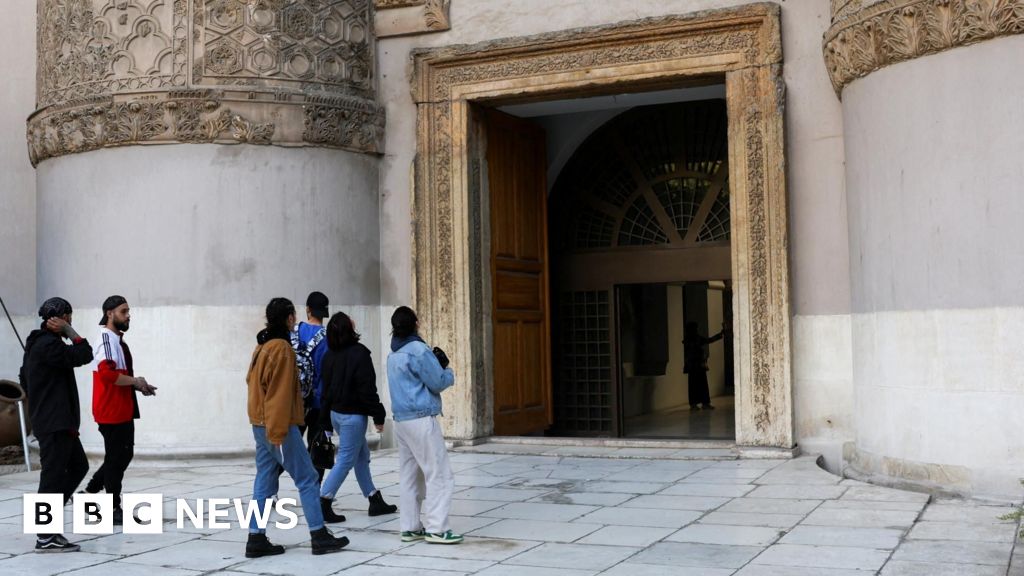
In a disturbing development reflecting the persistent chaos afflicting Syria, officials confirm the theft of several invaluable artefacts from the National Museum in Damascus. The theft was reportedly uncovered on Monday when security staff found one of the museum’s doors had been forcibly broken from the inside—an alarming breach that underscores vulnerabilities in Syria’s security apparatus. Among the missing items are six marble statues from the Roman era, including relics from the ancient city of Palmyra, a symbol of Syria’s rich cultural tapestry and historical importance. This incident signals a troubling erosion of Syria’s cultural integrity and raises concerns on how ongoing turmoil impacts heritage preservation.

Authorities have launched an investigation, with Syria’s Directorate-General for Antiquities and Museums vowing to strengthen protective measures. Yet, this event is not isolated; it mirrors a broader pattern of loss and destruction that the country has endured for over a decade. Since the outbreak of civil war in 2011, Syria’s historical institutions and archaeological sites have suffered extensive damage. Damage to UNESCO World Heritage sites like Palmyra—once a jewel of the ancient Middle East—was carried out by the Islamic State group, which deliberately destroyed temples claiming they were idolatrous. Such acts, condemned internationally as war crimes, serve as a stark reminder that cultural annihilation remains an active weapon in modern warfare.

The significance of these artefacts extends beyond their historical value; they are pieces of civilization that define national identity and serve as symbols of resilience for the Syrian people. Their loss exacerbates the geopolitical impact of the ongoing conflict. By damaging Syria’s cultural patrimony, these acts not only weaken the nation’s historical fabric but also undermine its international standing. Critics argue that the theft and destruction of artefacts are indicative of the broader geopolitical struggle — a fight for influence and control over the region’s resources, history, and identity. International organizations like UNESCO have repeatedly condemned such acts, emphasizing the importance of safeguarding cultural heritage as a form of resistance against barbarism. Experts warn that the loss of these artefacts diminishes the collective memory of mankind, creating a vacuum that fuels radicalization and anti-Western sentiment.

As Syria navigates a complex landscape of rebel factions, foreign influence, and internal upheaval, the question remains: how can international efforts effectively protect what remains of Syria’s battered cultural heritage? The recent theft is a stark reminder that history is fragile and that conflict’s true cost extends far beyond the battlefield. With each artefact stolen or destroyed, the world witnesses not just the loss of history, but also the erosion of national identity and cultural sovereignty. As the narrative of Syria’s future unfolds amidst international debate, the lingering question remains: will the preservation of history become a casualty of geopolitical ambition, or will it serve as a rallying cry for renewed international commitment to protect humanity’s shared legacy? The answer lies in the ongoing struggle to balance diplomacy, security, and cultural preservation — a battle that, ultimately, defines the true cost of conflicts that continue to shape our world’s history.

Unearthing History: A Captivating Haunted Tour Through the Met Museum

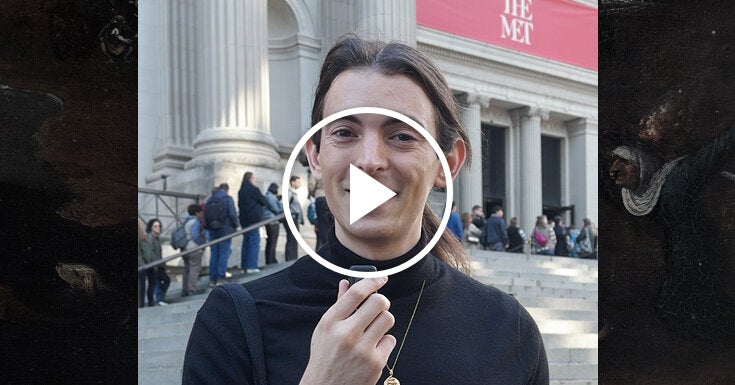
In a world increasingly shaped by fleeting trends and superficial diversions, the deep currents of cultural memory and tradition serve as our guiding constellations—reminding us that to understand ourselves, we must delve into the artifacts of our shared past. As Zachary Small and his team take us on a haunting tour through The Metropolitan Museum of Art—highlighting artworks that evoke fear, fascination, and the darker aspects of human nature—the significance of culture as both a reflection and a shaper of identity becomes unmistakable. It is through such visceral encounters with the artifacts of previous civilizations, with their sometimes grotesque or mysterious representations, that we come to see culture not merely as entertainment, but as the pulse of tradition and society.

Indeed, the artworks featured—including a decapitation platter and a sculpture rumored to depict a cannibal—serve as visceral reminders of the moral and spiritual dilemmas that have haunted humanity across epochs. As the philosopher Ortega y Gasset might suggest, culture is the possession of a society’s collective memory—an ongoing dialogue with its own history. These artifacts, perhaps unsettling to modern sensibilities, anchor us in a worldview where the boundaries of morality, the fears of the unknown, and the boundaries of human capability are laid bare. Such nightmarish visions challenge us to reflect on our current society’s fragile veneer, revealing beneath it a tapestry woven with both beauty and terror, remembrance and prophecy.

Furthermore, in the context of a society often criticized for its loss of roots, these artworks stand as milestones of traditional expression—reminders that culture is integral to the formation of societal identity. As Tocqueville observed, democracy’s greatest challenge lies in maintaining a shared sense of cultural continuity—when the collective memory of the past diminishes, the community itself risks disintegration. Here, the arts become a bulwark against cultural amnesia, preserving essential facets of our moral and aesthetic identity. They forge a link between the past and the future, anchoring new generations in their inherited values while warning of the consequences of neglect.

In the final analysis, culture is both memory and prophecy. It acts as a mirror reflecting the deepest fears and aspirations of humanity, from the grotesque to the sublime. As T.S. Eliot famously remarked, “The past is never dead; it’s not even past.” Our cultural artifacts, whether frightening or beautiful, serve as silent orator—guiding us through the corridors of history and into the unknown future. In these haunted treasures of the museum, we find a silent promise: that understanding our cultural roots grants us the strength to shape tomorrow, to transcend mere survival, and to forge a society rooted in the resilient memory of what we once were and what we might yet become. Culture, in the end, remains our human prophecy—a testament to the enduring soul of mankind.

Thursday’s Top Stories: Jailhouse Reads, Museum Mayhem, and a Surprise Bear Encounter | Life & Style

In a world driven by rapid change, lifestyle shifts are increasingly defining how the modern youth navigates their well-being, leisure, and self-expression. From the rise of wellness culture to the creative outlets offered by the digital age, the contemporary journey is about finding a personal rhythm amidst the chaos. Today’s young generation seeks authenticity, balance, and a sense of purpose—an evolution that reflects a collective desire to live intentionally and embrace new ways to enhance personal impact on their health and happiness.

One of the most compelling trends in recent years is the focus on mindfulness and holistic living. Wellness experts like Dr. Deepak Chopra and Jay Shetty emphasize the importance of integrating mental serenity with physical vitality, encouraging young people to prioritize *self-care* beyond superficial trends. This shift includes not only seeking out nature retreats and physical exercise but also fostering community and purpose through activities such as urban gardening or creative art. As cultural critic Claudia Hammond highlights, fostering *well-being* is no longer ancillary but central to the lifestyle of tomorrow’s leaders—those who engage in purposeful pursuits promoting resilience and mental clarity.

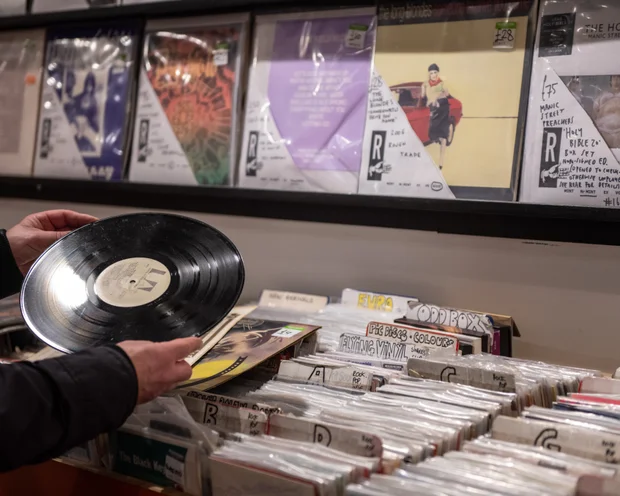
Beyond wellness, leisure has taken a new form. The digital arena has opened gateways to self-expression, whether through immersive art, indie music, or online activism. e.g., the resurgence of vinyl records or independent music festivals demonstrates a yearning to reconnect with tangible, authentic experiences. Travel, too, is evolving; local and eco-friendly adventures have become the browser’s choice for those seeking meaningful leisure, guided by a desire to reduce ecological footprints while exploring their immediate environment. Practical tips for embracing this lifestyle include

  • Prioritize nature-based activities such as hiking or outdoor yoga
  • Support local artisans and markets to foster community
  • Explore sustainable travel options like bike tours or eco-resorts

. These movement choices shape more than leisure—they define identity and contribute to a personal narrative rooted in responsibility and discovery.

The journey to a well-rounded existence is also about inspiring oneself and others. Contemporary culture resonates with the stories of individuals embracing transformation and resilience—think of authors like Yuval Noah Harari or Malala Yousafzai, whose narratives of perseverance motivate young minds to challenge the status quo. The importance of cultivating a positive mindset and a proactive approach to life cannot be overstated. It’s about recognizing that every small step—be it a morning meditation or a commitment to local sustainability efforts—contributes to a legacy of wellbeing and leadership. The journey is ongoing, but the destination is a life lived with intention, passion, and purpose.

In the end, lifestyle is not merely about change but about embracing a narrative of continuous growth. It is an evolution fueled by curiosity and driven by the belief that each individual has the power to shape a better future—starting with oneself. As the young embark on this quest, they are reminded that life’s twists and turns are part of the story, and the way forward lies in living authentically. Inspired by the voices of those who challenge and uplift us, the choice remains ours: to undertake this journey with enthusiasm and conviction, transforming everyday moments into milestones of personal impact.

Museum Heist: 2,000 Gold and Silver Coins Vanish in Bold Robbery

France, long revered as a custodian of world cultural treasures, has recently found itself embroiled in a series of audacious heists that threaten not just its museum collections but also its national reputation. The seizures—ranging from the theft of millions in gold coins at a regional museum to the brazen daylight theft of priceless jewelry at the Louvre—underscore a dangerous erosion of security protocols and raise questions about societal stability and state sovereignty in a country whose history is intertwined with art and enlightenment.

In the latest incident, approximately 2,000 gold and silver coins valued at around €90,000 (£78,000; $104,000) were stolen from the Musees de Langres, just hours after the shocking €88 million jewelry theft from the Louvre gallery. As experts and authorities struggle to respond, international analysts warn that such events could serve as a disturbing template for other criminal networks across Europe. The theft involved highly skilled perpetrators, who chose their targets with precision, indicating a level of expertise and planning that is increasingly characteristic of organized crime groups seeking to undermine the cultural foundations of sovereign nations.

Adding to the gravity, a preliminary report revealed that the Louvre itself failed to secure its most treasured artifacts. CCTV footage was found to be inadequate, with monitoring systems either outdated or pointing away from critical access points. French authorities, including Justice Minister Gérald Darmanin, have lamented that the security protocols had “failed,” painting a dire picture of how fragile even the most iconic symbols of national pride can be in the face of modern threats. This lapse not only tarnishes France’s image but also serves as a stark warning to other countries about the urgent need for robust security measures against the rising tide of cultural vandalism and theft.

Recognized experts such as art detective Arthur Brand suggest that the pattern of attacks could escalate, with “copycat” gangs potentially executing multiple “hits” across the continent, exploiting perceived weaknesses in national defenses. The international community is watching with concern as France grapples with these incidents, which highlight how strategic decisions—whether in homeland security, cyber defense, or intelligence sharing—directly affect society’s ability to preserve its cultural sovereignty. Such events have the power to fuel nationalist sentiments and reinforce the importance of safeguarding heritage as a core element of national identity and sovereignty.

As the world watches history in the making, the question remains: how will nations respond to this new era of cultural confrontation? Will they fortify their defenses or fall further into vulnerability? The weight of this unfolding story reminds us that in this ongoing battle for sovereignty, history’s pen continues to write with a fierce, indelible hand—one that may define the future of nations and societies for generations to come.

Social Media Auto Publish Powered By : XYZScripts.com