Matox News

Truth Over Trends, always!

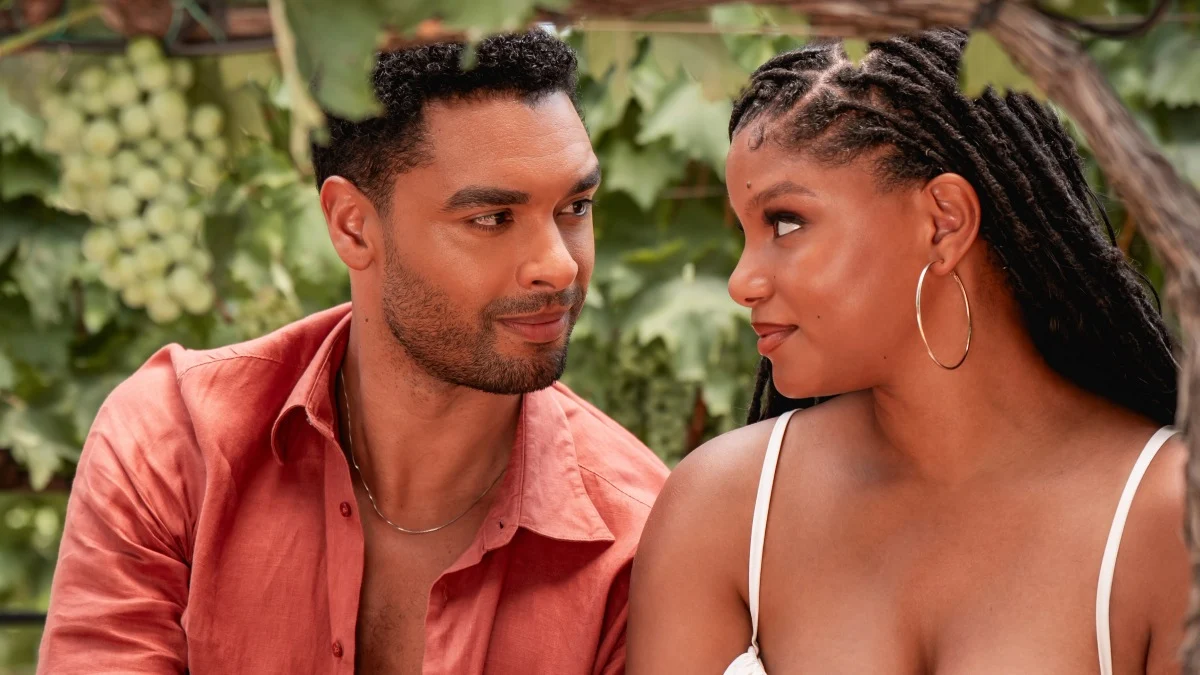
“You, Me & Tuscany”: Halle Bailey and Regé-Jean Page Bring Bright, Feel-Good Vibes to This Must-Watch Rom-Com for Young Trendsetters

As cherry blossom season blooms across the globe, a fascinating cultural shift is quietly taking root. While winter’s Heated Rivalry made us cozy and combattive from the comfort of our homes, this spring sees a new wave of inspiration: embracing classic romance amidst picturesque landscapes, especially in the evocative setting of Tuscany. The latest romantic comedy, You, Me & Tuscany, directed by Kat Coiro, taps into an age-old desire—fostering genuine human connections that transcend borders and societal expectations, all set against a sun-drenched Italian backdrop. This trend isn’t just about escapism; it’s a reflection of society’s longing for authenticity, emotional depth, and the celebration of cultural beauty.

Romance Reimagined: From Screen to Society

The cinematic influence of You, Me & Tuscany extends beyond mere entertainment. It symbolizes a cultural pivot towards valuing experiences that prioritize emotional vulnerability, scenic beauty, and local authenticity. The film’s narrative bears striking resemblance to the beloved 1995 rom-com While You Were Sleeping. Both movies revolve around a lonely young woman—Anna Bailey’s character—who dreams of a bigger life and finds herself entangled in a romantic quagmire involving rugged, yet charming Italian brothers. This juxtaposition of romantic idealism and cultural realism resonates deeply in today’s social climate, where virtual interactions are often replaced or supplemented by real-world connections and adventures. Influencers like Halle Bailey and Regé-Jean Page personify this shift, embodying the fresh, diverse faces of a rejuvenated romantic ideal that appeals to a younger, global demographic.

The Cultural and Social Impact

This renewed focus on romance and travel sparks a broader societal conversation. It underscores a collective desire to reconnect with authentic traditions—be it through culinary exploration, scenic adventures, or meaningful relationships. Trends such as

  • destination weddings in Italy
  • virtual wine tastings from vineyard tours
  • romantic weekend getaways inspired by cinematic portrayals

emerge as tangible expressions of this cultural revival. Influencers and sociologists alike highlight the significance of embracing local heritage and storytelling as pivotal components in shaping modern lifestyles. Hollywood’s portrayal of Italy as a romantic, culturally rich haven further fuels this movement—inviting audiences to envision their own stories unfolding beneath Tuscan sunsets.

The Future: More Than Just a Hollywood Dream?

While films like You, Me & Tuscany captivate with their charming cast and picturesque settings, the question remains: Are we witnessing the dawn of a true societal shift? Will the desire to find authentic love and adventure push more to adopt the romantic, experiential lifestyle that these stories celebrate? Or is this simply a fleeting trend—another way for culture to indulge in visual escapism? With social theorists raising questions about the long-term influence of such romantic narratives, one thing is clear: the next big question is whether this cinematic inspiration will translate into a broader movement that redefines how society values real-world connections over virtual ones, and adventure over routine. As younger generations seek purpose in meaningful relationships and cultural immersion, the future of this trend could very well be the next chapter in our collective story of love, life, and discovery.

Rising Stars Ignite the Field: This Week’s Must-Watch Matchups!

The Future of Fantasy Sports: 2026 Draft Predictions

The anticipation for the 2026 Sports Draft is building, and questions are arising about which players could prove to be underachievers in the coming seasons. Notably, renowned sports analyst Tristan H. Cockcroft has shared his predictions, igniting a debate among fans and fantasy league managers alike.

According to Cockcroft, several key players should be approached with caution. *While the hype surrounding these athletes is significant*, he argues that their potential for exceeding expectations is overstated. “Draft decisions should rely heavily on data and past performance,” he emphasized, noting the importance of analyzing trends in player efficiency and durability before making picks. His insights are particularly relevant in a year where every choice can make or break a fantasy team.

  • Underperformers to Watch: Players identified by Cockcroft as potential duds include mid-tier quarterbacks and some highly publicized rookie running backs.
  • Statistical Insights: Historical performance metrics indicate that many players drafted early in the previous seasons have underwhelmed, making this an essential factor to consider for the 2026 rosters.
  • Coaching Dynamics: Coaching changes and team dynamics are vital. As teams shuffle their rosters, the impact on individual player performance can dramatically shift.

As enthusiasts prepare for draft day, the weight of expert analysis cannot be underestimated. Not just numbers but also the energy of the season plays a significant role in determining outcomes. Commentators such as Johnathan Smith continue to highlight the unpredictable nature of sports—a factor that keeps fans on the edge of their seats. “Every season brings new surprises, and the potential for greatness lives in each player,” Smith noted.

Ultimately, sports transcend mere statistics and predictions. They create a unique tapestry that unites diverse communities, invigorating youth and inspiring them with the capability to dream. Beyond the draft board and player stats lies a collective spirit—an unyielding passion that transforms every game into a story worth telling. As the whistle blows and the 2026 season begins, let us embrace the moments that strengthen bonds, shaping not just players but future leaders.

Source link

Top 42 Must-Watch Netflix Shows You Can’t Miss in 2025

Disruption in Streaming: The Industry’s Next Chapter

As the digital entertainment landscape continues to evolve at breakneck speeds, streaming services stand at the forefront of a transformative era driven by relentless innovation and disruptive shifts. From the departure of industry giants like Henry Cavill in The Witcher to groundbreaking animation such as Arcane, companies are redefining how stories are told and consumed. This seismic shift signals a new phase where content is not only more diverse and daring but also deeply intertwined with technological advances, forcing legacy media players and new entrants to rethink their strategies.

Innovation and the Power of Disruption

In recent years, the industry has embraced collaborations between traditional media and cutting-edge tech, exemplified by Netflix’s bold experimentation with animation styles in Love, Death + Robots and the adoption of AI-driven content curation. Market analysts like Gartner emphasize that the integration of artificial intelligence, virtual reality, and immersive storytelling will be decisive in capturing the hyper-connected, youth-oriented consumer base. These ventures aim to disrupt the static binge model, shaking up audience engagement and monetization strategies while setting new standards for interactive and personalized experiences.

Business Implications and Industry Evolution

Major entertainment firms recognize that disruption demands agility and innovation. The strategic focus on original content, innovative storytelling formats, and international markets has become more critical than ever. For example, the resurgence of regional productions like *North of North*, and international hits such as Squid Game, showcase how breaking industry norms creates global cultural phenomena. Furthermore, platforms are increasingly investing in multi-genre and diverse storytelling—ranging from gritty crime thrillers like Black Doves to speculative sci-fi in Pantheon—to appeal broadly and lock in differentiated audiences.

Industry Outlook: A Race Toward the Future

The foundation laid by current digital innovations indicates that the future belongs to those who prioritize technological disruption and emerging consumer trends. Experts from MIT and industry leaders like Elon Musk have warned that the next era of entertainment will be defined by hyper-realistic virtual worlds, AI-generated content, and enhanced viewer immersion. In this landscape, traditional content pipelines must adapt rapidly, leveraging big data and AI to anticipate viewer preferences and deliver tailor-made experiences that transcend conventional paradigms. The advent of live-action AI-driven shows, coupled with interactive narratives exemplified by Black Mirror and Arcane, signals a future where content is no longer static but a fluid, participatory experience facing an urgent need for innovative business models to stay competitive.

In conclusion, the streaming industry is entering a phase of unprecedented disruption, where innovation, technological integration, and bold storytelling will determine the winners and losers of this new digital era. The question is not if but when traditional media giants will fully embrace or be displaced by these revolutionary trends. As the digital frontier expands, stakeholders must act swiftly—embracing innovation is no longer optional but essential for survival in the fiercely competitive, fast-changing future of entertainment.

Top 65 Must-Watch Movies on Disney+ This November—Don’t Miss Out!

Disruptive Innovation in Streaming: How New Content Powerhouses Are Reshaping the Entertainment Business

The entertainment industry is experiencing an era of unprecedented innovation, driven by the relentless expansion of streaming platforms challenging traditional distribution models. Disney+, with its expansive library of classics and contemporary hits, exemplifies the disruption sweeping through Hollywood. This launch has transformed content consumption, forcing studios and content creators to rethink business strategies in a fiercely competitive landscape. According to Gartner, streaming services will account for over 60% of global television entertainment by 2025, marking a significant industry shift away from traditional broadcasting and theatrical releases. The technology behind these platforms—ultra-fast data delivery, cloud computing, and advanced video compression—has enabled a new era of on-demand, high-quality entertainment, making complete content libraries accessible at the tap of a button.

What sets Disney+ apart in this revolution is not just its vast repertoire but its strategic focus on innovation—particularly in leveraging new formats like exclusive documentaries and cinematic reboots, which serve as both business tools and cultural touchstones. This approach exemplifies the power of disruption, where traditional studios are no longer the sole gatekeepers of valuable intellectual property. Instead, newer competitors are capitalizing on technological advancements to deliver targeted, personalized content, compelling a shift in consumer preferences. The release of critically acclaimed titles like Inside Out 2 or the documentary Summer of Soul demonstrates how storytelling with social relevance and high production value keeps audiences engaged and loyal. For businesses, this means adapting quickly to the digital-first economy—embracing innovation not just in tech but in content and audience engagement.

Industry insiders such as Peter Thiel have long recognized that disruption often comes from non-traditional sources. As major players face stagnation, startups and tech giants are stepping into the vacuum—pioneering artificial intelligence-driven content curation, immersive virtual reality experiences, and interactive media—that threaten to redefine entertainment’s future business models. Companies like Netflix and Amazon Prime are investing heavily in original productions that blend cutting-edge technology with storytelling mastery. Recently, the successful integration of features like interactive storytelling in series such as Black Mirror showcases how innovation can generate new revenue streams and customer loyalty. As Elon Musk emphasizes, “The future belongs to those who can combine technology and narrative seamlessly,” and that truth is now manifesting in the studios that dare to disrupt the status quo.

Looking ahead, the convergence of technological innovation and disruption compels industry stakeholders to move with a sense of urgency. The advent of in-browser augmented reality, 5G networks, and next-generation graphics rendering signals an imminent overhaul of entertainment norms. This evolution promises not only to enhance viewer immersion but also poses strategic challenges—those unable to adapt risk obsolescence or marginalization in what is rapidly becoming a digital-native entertainment universe. The next decade will likely see a dramatic shift where content is not just consumed but experienced, integrated, and personalized through emerging technologies that could, as some critics warn, threaten privacy and cultural diversity if not carefully managed. For youth consumers and savvy entrepreneurs alike, the message is clear: the pace of technological change demands bold innovation and relentless disruption—those who fail to anticipate these shifts will be left behind as the entertainment landscape rewires itself at a breakneck speed.

Top 50 Must-Watch Shows on HBO Max This November — Stay Ahead of the Curve

HBO Max’s Evolution Reflects Broader Disruption in Streaming & Original Content Innovation

In an era marked by rapid technological shifts and fierce industry disruption, HBO Max exemplifies the strategic resilience and pioneering spirit necessary to remain relevant. Once lauded as a premier streaming service, HBO Max is now navigating a transformative phase driven by content diversification, technological innovation, and the relentless pursuit of business disruption. Despite facing challenges to its former prestige—highlighted by waning subscriber growth and intense competition from newcomers like Netflix and Disney+—the platform continues to push boundaries by investing in groundbreaking series and embracing new content formats that could reshape how audiences consume stories.

The platform’s foray into original programming underscores a broader industry trend: the shift from traditional broadcasting models to a business landscape where innovation and disruption serve as core survival strategies. Critics point to HBO Max’s decisive move in developing genre-defining series such as The White Lotus, Industry, and Dune: Prophecy, which encapsulate its commitment to a disruptive business model—one that leverages premium content to secure a dedicated niche amidst a crowded market. These offerings not only reinforce HBO Max’s brand as a haven for premium storytelling but also exemplify how streaming services are innovating through content that challenges industry norms and expectations, a move echoed by forward-thinking institutions like MIT’s Media Lab and analysts from Gartner who emphasize the importance of agility in media business models.

Disruption Through Innovation: Moving Beyond Conventional Narratives

The platform’s recent slate reveals a strategic pivot toward technologically innovative storytelling—from integrated AR/VR experiences to sophisticated narrative structures tailor-made for a younger, tech-savvy audience. Series like Tokyo Vice, which merges investigative journalism with high-stakes crime drama, leverage cutting-edge visual effects and multi-platform storytelling to amplify viewer engagement. Simultaneously, HBO Max’s dark and surreal offerings, such as Rain Dogs and True Detective: Night Country, exemplify the industry’s move towards more immersive and complex genres, disrupting traditional TV formats and setting new storytelling standards.

  • Expansion into global markets: HBO Max’s first Spanish series, When No One Sees Us, indicates a strategic diversification aimed at capturing and disrupting regional markets.
  • Innovative sub-genre exploration: Shows like The Franchise, which satirizes superhero universes, exemplify an industry trend towards meta-commentary and genre-blending that appeals to younger audiences eager for fresh narratives.
  • Enhanced viewer engagement: Utilizing AI and data analytics, HBO Max is reportedly exploring personalized content delivery, targeting market segments with tailored storytelling—an urgent response to how audiences demand more interactive experiences.

Business Implication: Realigning Strategies for Future Dominance

The ongoing transformation at HBO Max underscores the imperative for disruption-oriented business strategies. As industry experts from Gartner warn, traditional media models are increasingly untenable in the face of digital-native competitors and changing consumer expectations. HBO Max’s investment in intellectual property that merges high-concept narratives with technological advancements signals a recognition that future success hinges on agile adaptation and innovative content differentiation. This approach resonates with futurists like Peter Thiel, who argue that privileged monopoly positions in emerging spaces—such as immersive streaming and interactive content—are critical for sustained growth.

Looking ahead, the challenge for HBO Max—and similar platforms—is to harness these innovations not merely as gimmicks but as transformative business levers. The platform must continuously iterate on content delivery mechanisms, embrace global diversification, and invest in emerging tech to outpace rivals. Its ongoing series, including the upcoming First Day on Earth and a renewed True Detective, are only signs of a larger wave: the dawn of a new epoch where disruption and innovation are the currency for dominance in the streaming economy. To succeed, HBO Max and industry leaders must act swiftly before their competitors—digital giants and tech disruptors—seize the future, leaving traditional models—and perhaps even HBO Max itself—rendered obsolete.

Social Media Auto Publish Powered By : XYZScripts.com