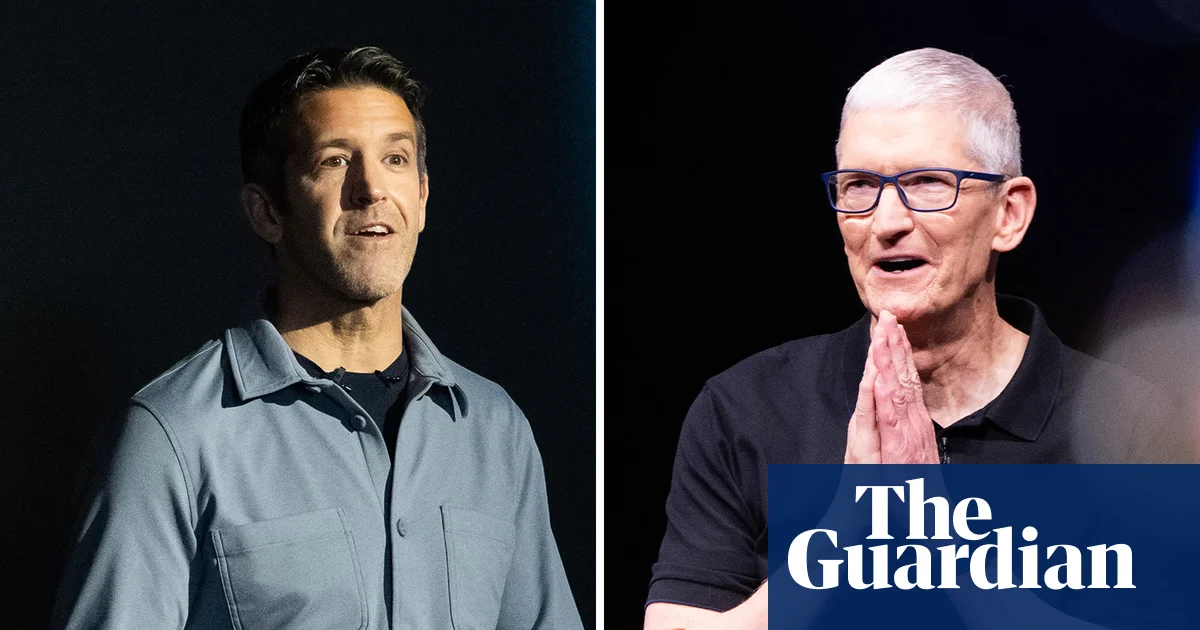

Apple, the multinational technology giant, has announced a significant leadership transition, marking a pivotal moment not only within the realm of consumer electronics but also in the broader geopolitical scene. After nearly 15 years of steering the company through unprecedented expansion, Tim Cook will step down as CEO, handing the reins to John Ternus. This transition coincides with a period of intensifying global competition in artificial intelligence and tech innovation, where corporate decisions resonate with national security interests and economic stability. The move appears poised to influence the company’s strategic direction amid rising scrutiny over its trajectory in AI integration and market positioning.
- Cook’s leadership saw Apple expand its market dominance, especially with record-breaking iPhone sales in China, signalling entrenched global dependencies.
- Ternus, known for engineering expertise, promises to uphold the company’s core values while navigating the uncertain landscape of AI development.
- Growing international and domestic tensions over tech sovereignty and competitive technology race shape the broader context for the announcement.
International organizations and analysts have keenly observed Apple’s shift as a reflection of the larger geopolitical dynamics at play. Some experts argue that the leadership change signals a strategic pivot as the tech sector grapples with AI supremacy and technological independence. In recent years, superpowers like the United States and the People’s Republic of China have been engaged in a high-stakes contest over control of AI and digital infrastructure, with corporations caught in the crossfire. According to technology historian Dr. Lisa Crawford, the new leadership at Apple might signal a cautious step toward more aggressive investment in emerging tech, possibly aligning corporate innovation with national interests. Such moves could reshape global supply chains and influence international cooperation, particularly in the face of mounting sanctions and tech war tensions.
This transition also carries profound implications for society and the global economic landscape. While Apple’s success under Cook bolstered prosperity, it also deepened dependencies in key markets, especially in East Asia. The decision to maintain a measured approach to AI integration—preferring third-party tools over full in-house solutions—may be a strategic response to fears of technological vulnerabilities or geopolitical vulnerabilities in the supply chain. Analysts warn that the next phase of technological rivalry could hasten a divide between Western and Eastern digital ecosystems, with global implications for cybersecurity and technological sovereignty.
As the world watches, the future of Apple seems intertwined with the broader narrative of international power struggles. The United States and other nations will scrutinize John Ternus’s leadership, assessing whether his technical expertise translates into a strategic foresight that can tackle the threats posed by global tech competition. Meanwhile, the real battle unfolds behind closed doors: between nations vying for dominance in the digital age, where the next few years could redefine the balance of power. As history continues to be written in these corridors of influence, one thing remains certain—every executive decision, every innovation, and every shift in leadership at companies like Apple shapes the unfolding fabric of our interconnected world, leaving future generations to grapple with the legacy of today’s choices.