
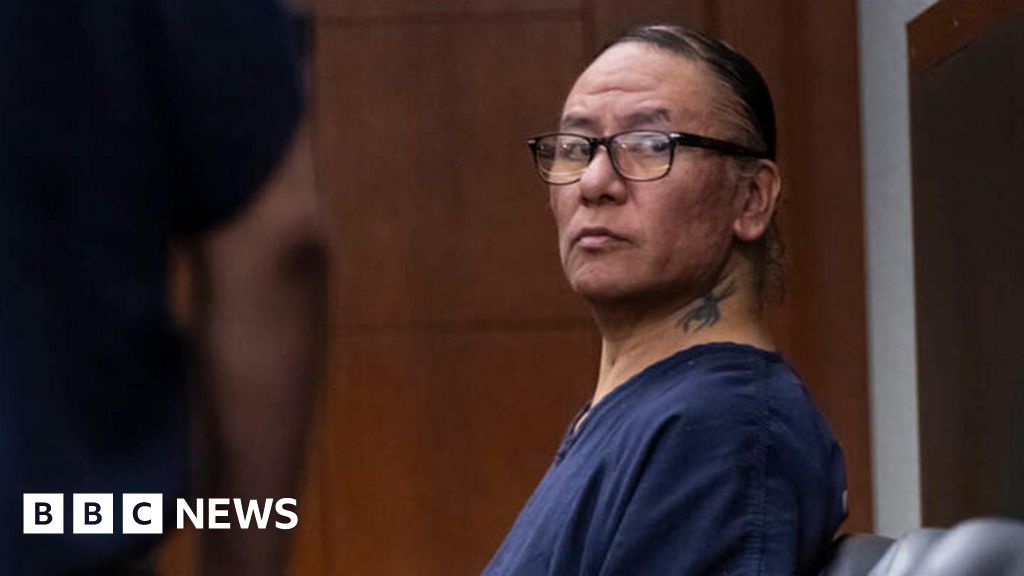

The recent revelations in the United States surrounding a 49-year-old spiritual figure accused of exploiting his position to prey on Indigenous women and girls have sent shockwaves through international communities and geopolitical observers alike. As the court proceedings laid bare the extensive abuse, critics and allies alike are now questioning the influence of spiritual and religious leaders across borders, highlighting the vulnerabilities of marginalized populations exploited under the guise of faith. This case underscores a larger, troubling pattern: the misuse of religious authority to manipulate societal hierarchies and silence accountability.
Leading analysts suggest that global religious networks and political institutions are inherently intertwined, often shielding abusive figures from scrutiny under the push for sovereignty, cultural preservation, or diplomatic leverage. The U.S. judicial case — which details decades of misconduct — exemplifies how spiritual leaders can manipulate legal and social structures, especially within historically oppressed communities. This specific case has ignited debates about the need for international oversight over religious institutions, as well as the importance of safeguarding the rights and dignity of vulnerable groups. The turning point here is not just a criminal indictment but a call to assess how influence is wielded and abused within wider geopolitically sensitive contexts.”
From a broader perspective, this controversy parallels ongoing issues in regions such as Eastern Europe, South Asia, and parts of Africa, where religious authority plays an integral role in daily life and political identity. The international community — including organizations like the United Nations and regional bodies — increasingly recognizes that unchecked religious authority can undermine national security, foment instability, and perpetuate systemic abuses. Historian and geopolitical analyst Dr. Laura Jensen notes that these cases serve as a stark reminder of the need for a balance between religious freedom and oversight to prevent the emergence of unchecked power bases within faith communities.
As the fallout from this case continues to unfold, its implications extend far beyond individual morality. The geopolitical impact hinges on how nations respond to such revelations — whether through robust legal reforms, increased oversight, or diplomatic pressure. The narrative of this scandal underscores the fragile tension between sovereignty, cultural identity, and human rights, revealing how nations must navigate their internal values while staying vigilant against abuses cloaked in the guise of spiritual guidance. In an era where religious influence can sway policies and societal norms, the world witnesses a pivotal moment — one where the quest for justice might redefine the boundaries of authority and accountability in the pursuit of a more equitable future.
As history continues to unfold, the weight of this revelation resonates beyond the courtroom, prompting introspection across borders. The stories of victims serve as a stark reminder that the struggle for justice is ongoing, and that the true measure of a society’s moral progress lies in its ability to confront such abuses openly. The global stage now watches as nations grapple with balancing faith, power, and human rights — knowing that whichever way this story ends, it will influence generations to come, shaping the course of history in the relentless pursuit of truth and justice.






