Matox News

Truth Over Trends, always!

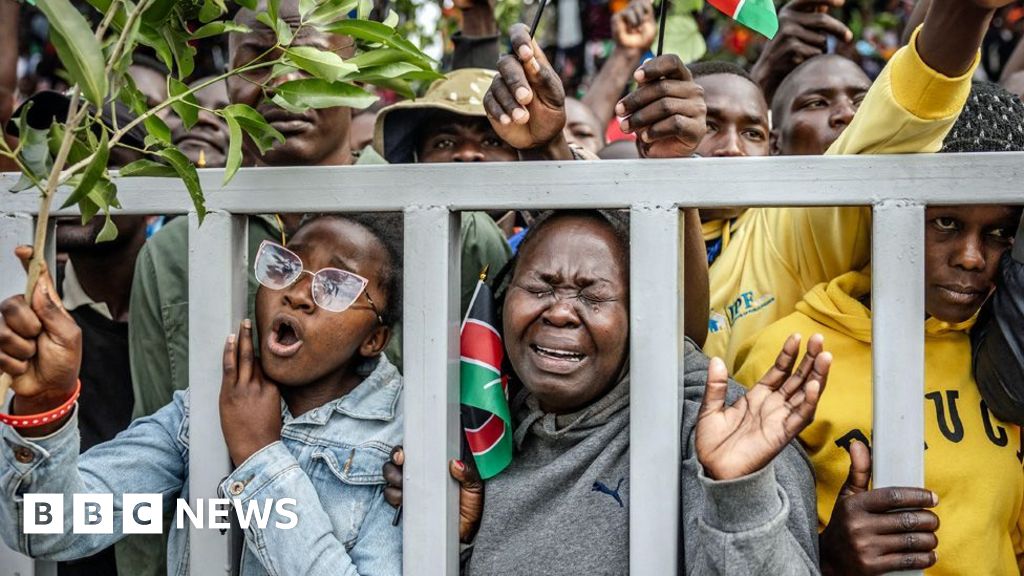
Kenyan Youths Raise Alarm: ‘We Are Orphans’ Amid National Tragedy

The passing of Kenyan opposition leader Raila Odinga has sent waves across the continent and beyond, highlighting the enduring influence of his political legacy in East Africa. Odinga, regarded as a symbol of resilience and democracy, drew massive crowds at his funeral in Kisumu, underscoring the deep-rooted support he cultivated over decades. His death at age 80 marks not only a personal loss but a significant juncture for Kenya’s political landscape and its position within the broader African Union. Former US President Barack Obama, echoing a sentiment shared by many, recognized Odinga as a “true champion of democracy,” a title that resonates with his hard-fought political career that spanned multiple electoral cycles, often marred by allegations of manipulation and violence.

Odinga’s political journey was characterized by his unwavering advocacy for self-governance and electoral transparency. Despite losing five presidential campaigns, he remained a potent force, embodying the aspirations of millions for democratic reform. The 2007 election crisis demonstrated his resolve, leading to a fragile but vital unity government aimed at curbing electoral violence. Analysts from respected international think tanks emphasize that Odinga’s legacy laid the groundwork for Kenya’s ongoing political reforms, even as intra-ethnic tensions persist. The geopolitical impact of his death extends beyond national borders—it underscores the fragile stability in a region frequently affected by political unrest, and the importance of regional diplomacy in fostering peace.

The death of Odinga coincides with a broader shift in African politics, where youthful populations and burgeoning economies demand greater representation and accountability. Historians such as Terence Ranger have noted that leaders like Odinga are vital in navigating post-colonial challenges, balancing traditional influences with the aspirations of new generations. The post-Odinga era presents a critical test for Kenya’s political institutions as they attempt to maintain peace and stability. The measures taken to prevent chaos during the funeral—warnings from Odinga’s family and the organization of orderly private burials—highlight the acute awareness of how fragile societal cohesion can be in times of leadership transition. The international community’s recent calls for calm stress the significance of regional stability—any upheaval risks destabilizing a vital economic hub and disrupting East African trade networks.

As history continues to unfold amidst these shadows of change, the legacy of Raila Odinga remains a powerful reminder of the thin line leaders walk between progress and chaos. His life encapsulates the ongoing story of African resilience—a continent where the struggle for justice persists amidst growing pains. While his body is laid to rest, the trajectory of Kenya’s democracy hangs in the balance. The desire for true reform, resilience, and regional stability fuels the hope that Odinga’s sacrifices will not be in vain. The echoes of his journey serve as both a warning and a source of inspiration—calling nations and societies to face the turbulent tide of history, aware that their actions today are the foundations upon which future generations will either build or unravel the complex tapestry of African nationalism and sovereignty.

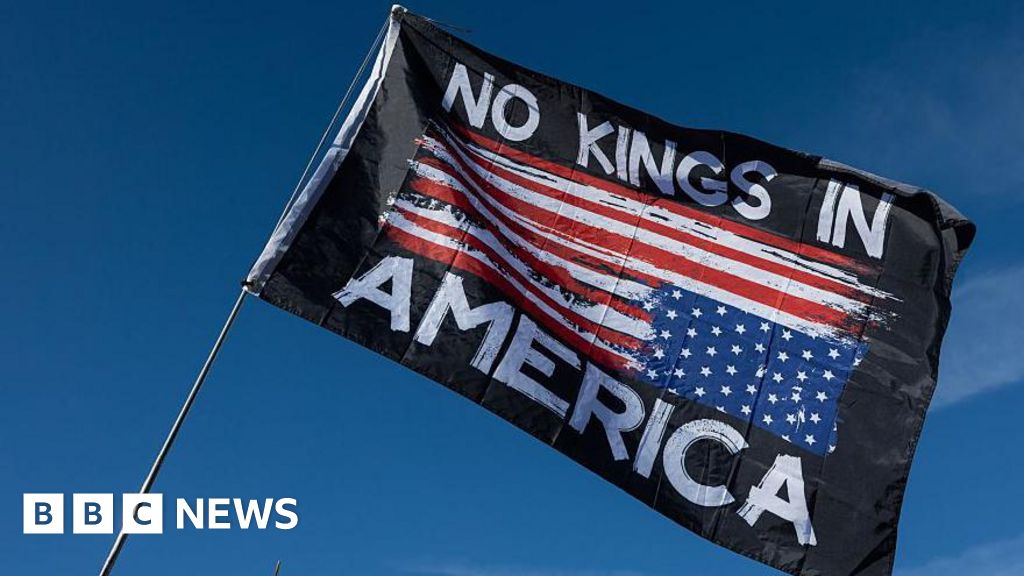
No Kings protests begin nationwide as National Guard stands ready

America witnesses a historic wave of mass protests, signaling a defining moment in its tumultuous political landscape. Organized under the banner of the “No Kings” movement, these demonstrations are set to mobilize over 2,500 locations across the country. With an estimated five million Americans having previously taken to the streets in June, the scale and fervor of these protests underscore a deep societal fracture—one that continues to resonate globally. The protests aim to challenge what organizers describe as President Donald Trump’s drift toward authoritarianism, asserting that “there are no kings in America,” and warning against escalating chaos, corruption, and cruelty.

International observers, including analysts from the United Nations and respected historians, recognize the significance of these events beyond the borders of the United States. European capitals like Berlin, Madrid, and Rome have seen solidarity rallies, reflecting how deeply discussions about democracy, sovereignty, and the limits of presidential power are echoing worldwide. The reaction from America’s internal political factions makes plain the stakes involved: while some Republican leaders call for the deployment of the National Guard in the name of security, Democrats condemn such measures as reminiscent of dictatorial regimes. This division speaks to a broader crisis of governance and legitimacy that has the potential to reshape America’s role on the global stage.

Within this historic context, President Trump’s own statements amplify the drama. In a pre-taped interview teased by Fox News, Trump dismissively remarked, “You know – they’re referring to me as a king. I’m not a king,”—a stark contradiction given the rhetoric of his opponents and the mobilization by reactionary voices within his camp. Meanwhile, Republican figures like Kansas Senator Roger Marshall and Texas Governor Greg Abbott frame the protests as threats linked to radical leftist factions like Antifa. Abbott’s decision to activate the National Guard has sparked fierce debate: critics argue it echoes authoritarian tactics, with Democrats, including Virginia’s Governor Glenn Youngkin, condemning the move as a suppression of peaceful dissent—a hallmark of despotic regimes. This confrontational stance raises pressing questions about the future trajectory of American civil liberties and governance.

As leaders, activists, and global observers watch with bated breath, the unfolding events in the United States could well mark a pivotal chapter in the course of national and international history. How nations respond to internal upheaval signals the state of their democratic health and resilience. The world remains attentive as this drama continues to unfold—a contest between authority and liberty that will ultimately define the legacy of a nation that once regarded itself as the beacon of freedom. Yet in the shadows of these turbulent protests, history quietly moves forward, its weight pressing down on the future, as the echoes of today’s confrontation threaten to shape the world’s future independence and sovereignty for generations to come.

Rising Stars Shine: Young Athletes Break Records at National Championships

Sporting Legends Unite: Five Games to Remember

This past weekend showcased a series of thrilling contests that brought together players and fans under the blazing lights of sportsmanship. From nail-biting finishes to standout performances, five games stood out, each telling a unique story filled with excitement, drive, and the profound unpredictability of athletic competition.

The Los Angeles Lakers faced off against the Golden State Warriors in a highly anticipated matchup that demonstrated the leadership of LeBron James. The Lakers climbed to victory, buoyed by a remarkable second-half surge fueled by James’ impeccable passing. Analysts noted that this win was largely attributed to the team’s strong bench performance, which stepped up at crucial times. Coach Frank Vogel remarked, “We knew we had to dig deep, especially after the halftime break,” highlighting the team’s resilience.

Meanwhile, the Pittsburgh Steelers battled the Baltimore Ravens in a clash of AFC North rivals. The game was a defensive showcase, as both teams fought tooth and nail. Key interceptions by the Steelers’ secondary turned the tide, with Minkah Fitzpatrick clinching the game with a last-minute pick-six. As commentator Tony Romo beautifully stated, “Defense wins championships, and today, it won the game.” The Steelers cemented their dominance in the division, showcasing a team spirit that is palpable in their locker room.

In the realm of soccer, Manchester United delivered an electrifying performance, overcoming Chelsea with a stunning last-minute goal from Marcus Rashford. The tension was palpable as the match appeared headed for a draw until. Rashford’s strike found the back of the net, sending fans into a frenzy. Coach Erik ten Hag proudly commented, “The team showed heart and determination when it mattered most.” This victory not only contributes to their points tally but also revives hopes for a championship run.

Ultimately, this weekend served as a powerful reminder that sports transcend mere competition; they unite communities, ignite passions, and reflect the human spirit’s resilience. Whether it was through the grit of the Lakers, the tenacity of the Steelers, or the jubilation of Manchester United, these athletes exemplified sports as a unifying force, bringing fans together in joy, heartbreak, and inspiration, regardless of the final score.

Source link

Former Bush Adviser Charged with Stockpiling Top Secret Files—Threatening National Security

In a revealing turn of events that underscores the fraught landscape of international security, India-born scholar and former US government adviser Ashley Tellis has been arrested on charges of unlawfully possessing and sharing top secret information. This arrest, occurring amidst rising tensions within global intelligence communities, signals a potential new phase in the ongoing contest for technological and military supremacy. The case is not merely a matter of individual misconduct but a reflection of broader geopolitical struggles that are shaping the future of international power balances.

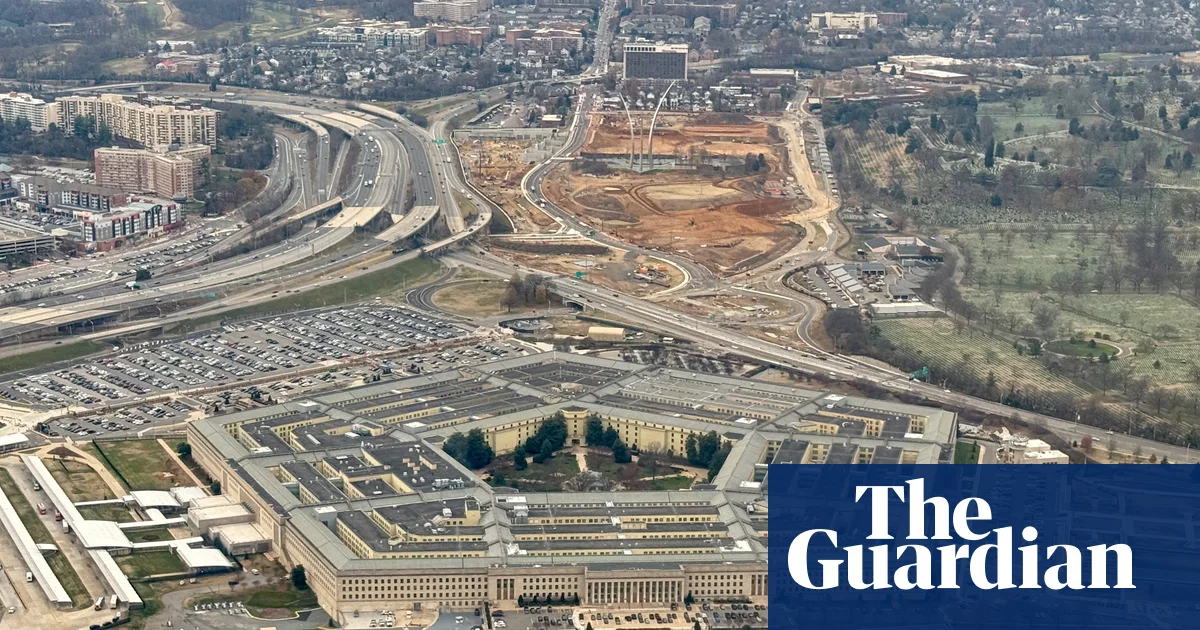
Tellis, a prominent figure who has played a significant role in negotiating the historic US-India nuclear deal, was found in possession of thousands of classified documents—including material related to U.S. military capabilities—raising alarm bells about the security of sensitive information. According to federal authorities, the FBI discovered these documents at his residence in Virginia, where he held a top-secret security clearance due to his past employment. Allegations orbiting his interactions with Chinese officials further complicate the narrative, suggesting a web of espionage that spans continents and threatens diplomatic stability. These developments come at a time when Western nations and China are engaged in a high-stakes race for technological dominance, especially in areas like artificial intelligence, military systems, and cybersecurity.

This incident sparks a broader debate among international analysts and historians about the authenticity and reliability of global alliances. According to experts at the Council on Foreign Relations, such breaches are not isolated but indicative of a new era where the transnational flow of information can destabilize long-standing diplomatic agreements. For nations like Russia and China, tension-filled espionage cases like Tellis’s serve as both warnings and opportunities—reminders that information is the most potent weapon in the modern geopolitical arsenal. Officials have promised stringent measures in prosecuting those who mishandle classified information, echoing the warnings issued by US intelligence agencies about the potential security risks involved.

The repercussions extend far beyond the United States and directly impact the global geopolitical fabric. The arrest sends a powerful message about accountability and the fragile trust between allied nations, underscoring that even high-profile intellectuals and policymakers are not immune to the relentless tides of espionage and cyber warfare. How this case will influence future intelligence-sharing agreements, especially between India and the US, remains uncertain. Yet, its significance is in how it underscores the perilous fragility of modern diplomacy where secrets are currency—more valuable than ever, but increasingly vulnerable. As international organizations and national governments recalibrate their security protocols amid these revelations, the shadow of espionage looms large over the corridors of power. The true weight of history in the making can be felt palpably, reminding the world that in this intricate game of shadows, the line between ally and adversary can shift with a single revelation.

Young Stars Shine Bright: Rising Talents Make Waves in National Championships

Dodgers’ Max Muncy Sets Franchise Record with Historic Playoff Homer

In a thrilling postseason matchup, the Los Angeles Dodgers once again showcased their dominance, with Max Muncy emerging as a standout performer. Muncy’s 14th career postseason home run not only propelled his team forward but solidified his legacy, breaking a tie with former Dodgers Justin Turner and Corey Seager for the most postseason home runs in franchise history.

As the Dodgers faced off against their fierce rivals, the atmosphere was electric, and Muncy’s monumental hit truly underlined the intensity of playoff baseball. The moment came in the crucial fifth inning, with the game tied and tension palpable. With a powerful swing, Muncy sent a pitch sailing into the stands, igniting the crowd and shifting the momentum decisively in favor of the Dodgers. This historic homer stands as a testament to Muncy’s resilience and skill, a narrative that any sports enthusiast can admire.

The significance of Muncy’s achievement cannot be overstated. In a post-game interview, he stated, “It’s an honor to be part of Dodgers history, especially with such great players. The goal is always to win, but records are nice too.” With this achievement, Muncy has positioned himself among the greats, illustrating the hard work and dedication that characterize the Dodgers’ success. Coach Dave Roberts praised Muncy by saying, “He often rises to the occasion when we need him most, and tonight was no exception.”

  • Max Muncy’s 14 postseason home runs now lead Dodgers franchise history.
  • The pivotal homer came during a tense fifth inning, breaking a tie.
  • Coach Dave Roberts commended Muncy’s clutch performance.

This celebration of achievement goes beyond mere statistics; it serves as a reminder of the unity sports bring, connecting fans and players alike. The excitement and camaraderie surrounding such moments reflect why sports are often dubbed the great unifier. As the Dodgers continue their pursuit of another championship, Muncy’s record will not only be a milestone for him but a source of inspiration for fans and future players, proving that the spirit of competition and the joy of the game resonate within us all.

Source link

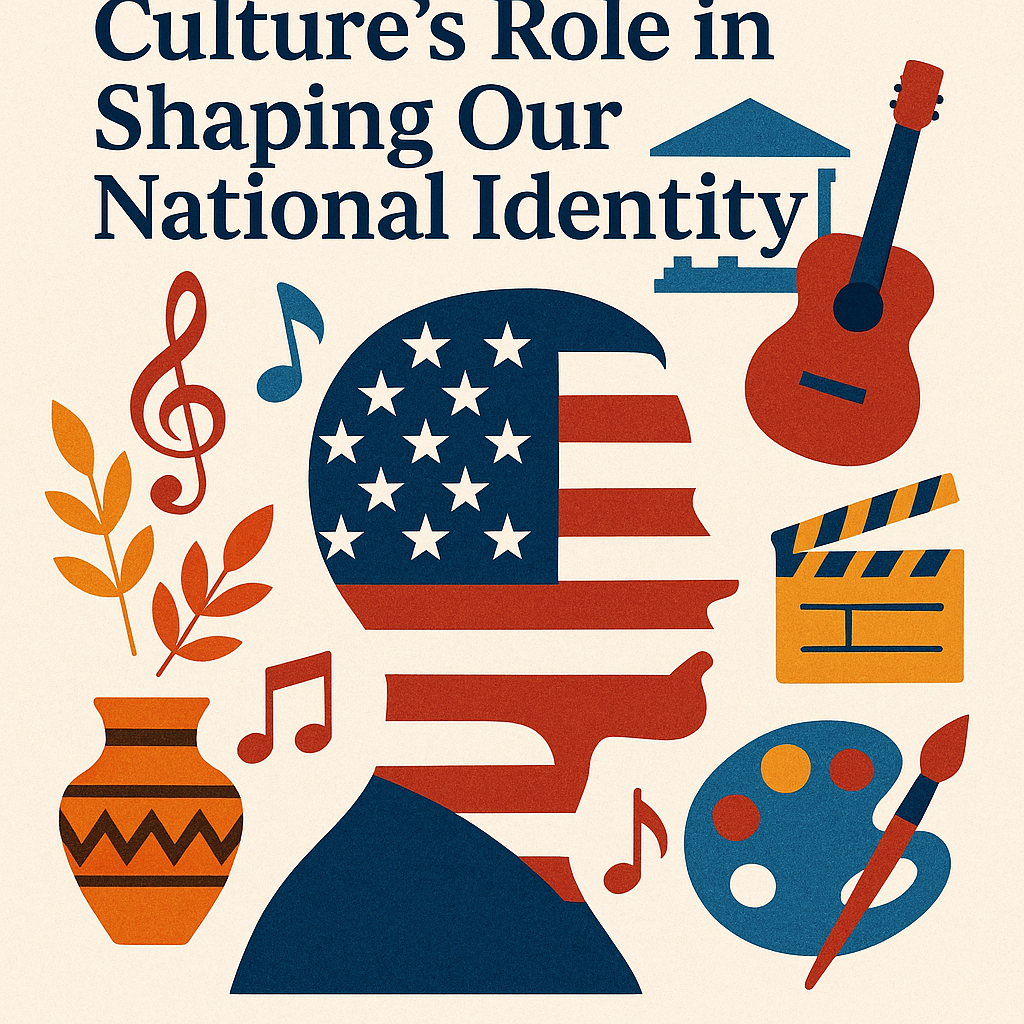
Culture’s Role in Shaping Our National Identity

At the core of a nation’s identity lies its culture — an intricate tapestry woven from history, traditions, language, and shared values. Critics often argue that in an increasingly globalized world, the preservation of cultural distinctiveness becomes a challenge, yet it remains the most powerful force shaping national character. Alexis de Tocqueville famously observed that culture provides the moral fabric that binds individuals to their collective destinies. Today, as nations face pressures from economic and cultural homogenization, it becomes essential to recognize how deeply rooted cultural narratives foster a sense of belonging and reinforce the social cohesion needed for a resilient nation.

Many contemporary analysts suggest that the identity crises faced by modern nations can be traced back to the erosion or neglect of cultural foundations. When policies prioritize economic growth over cultural preservation, societies risk losing their distinctiveness, leading to a dilution of their shared values. This concern has been passionately articulated by thinkers like Samuel P. Huntington, who argued that cultural identities are vital in shaping political stability and social harmony. A nation’s cultural narratives serve as a bridge connecting past, present, and future — fostering a collective memory that guides societal norms and expectations. When these narratives are deliberately marginalized, communities may experience fragmentation, weakening the social fabric that has historically held them together.

Furthermore, educational systems and media serve as battlegrounds for cultural transmission, playing a pivotal role in either strengthening or undermining national identity. Critics note that in many democracies, there is a tendency to soft-pedal the importance of shared cultural values to appease a globalized mindset that champions diversity at the expense of unity. However, as Roger Scruton emphasized, a vibrant national culture is essential for fostering patriotism and civic pride — qualities that underpin societal resilience in times of crisis. It is through the celebration of heritage, language, and traditions that young generations cultivate a deep-seated respect and understanding for their roots, ensuring that the spirit of the nation endures amid tides of change.

Ultimately, the weight of culture in shaping our national future resonates as an almost poetic truth: that in the silent depths of shared stories and customs lies the blueprint for survival and renewal. As history’s currents threaten to drown distinct identities in a sea of sameness, it falls upon each generation to carry the torch of cultural memory. For only then can a nation remain more than just a geopolitical entity — it becomes a living, breathing vessel of collective hope, resilience, and destiny. The future waits patiently in the shadows of history, whispering that a nation’s true strength is not merely in borders or armies, but in the enduring legacy of its cultural soul, beckoning us towards a horizon where identity is not lost but reborn anew in the flames of tradition and innovation alike.

Rising Stars Shine: Youth League Players Make Waves in National Championship!

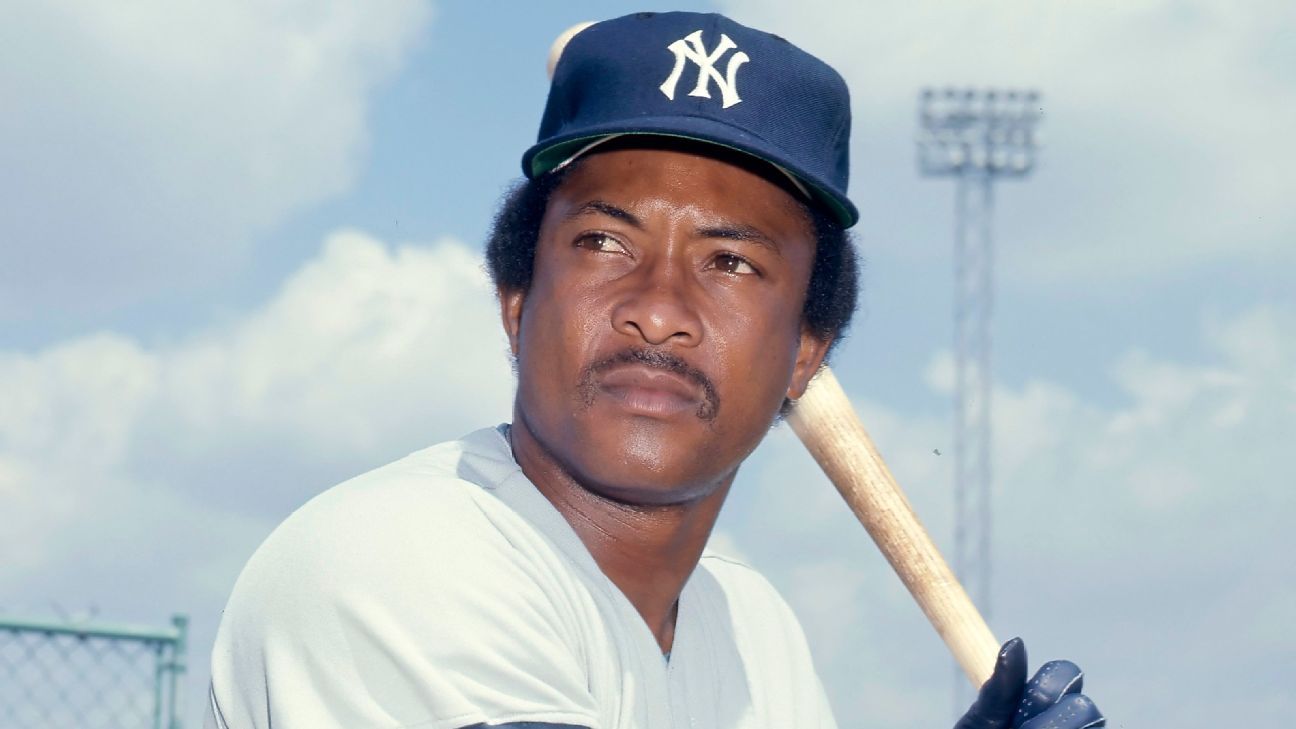
Baseball Mourns the Loss of Sandy Alomar Sr., an Iconic Player and Coach

The world of baseball is grieving the loss of Sandy Alomar Sr., an All-Star infielder whose contributions to the sport spanned both his impressive playing career and his impactful coaching days. Alomar, who passed away at the age of 81, made his mark on Major League Baseball during the 1960s and ’70s before transitioning to a respected coaching and managerial role in Puerto Rico. His legacy continues to inspire young athletes and coaches alike.

Alomar’s playing days highlighted his exceptional talent and resilience. With a keen ability to read pitchers and immaculate defensive skills, he earned an All-Star selection, showcasing his prowess on the diamond. After retiring as a player, he dedicated himself to nurturing the next generation of talent, coaching various teams both in the MLB and his home country. His coaching philosophy emphasized discipline and teamwork, reminding his players that success is gleaned not only from individual excellence but also from collective effort.

  • Career Highlights: All-Star infielder in the ’60s and ’70s.
  • Coaching Career: Managed teams in Puerto Rico, influencing numerous players.
  • Legacy: Celebrated for fostering young talent and promoting unity in the sport.

Commentators and former players have expressed deep respect and admiration for Alomar’s influence. “He was more than just a great player; he was a symbol of what it means to unite talent and dedication,” remarked renowned sports analyst Mike Greenberg. His impact is evident in the successes of many players who benefitted from his mentorship, including his own sons, who have made names for themselves in baseball.

As the baseball community reflects on the life and legacy of Sandy Alomar Sr., it is essential to recognize that his contributions go beyond statistics and accolades. They embody a spirit of unity, camaraderie, and the relentless pursuit of excellence. Sports often bring people together, fostering connections that transcend generations and cultures. Alomar’s journey in baseball serves as a powerful reminder that the love of the game can bridge divides, uniting us all in a celebration of talent, hard work, and shared passion.

Source link

Portland Nudists Stand Up Against National Guard Deployment Amid Tensions

The recent scenes in Portland serve as a vivid reminder of how internal protests, even of a quirky and unconventional nature, often have broader geopolitical implications. The city’s annual World Naked Bike Ride, long an emblem of local counterculture, took on a new meaning amid rising tensions surrounding the U.S. federal government’s aggressive response to civil unrest. As protesters adorned themselves in absurd costumes or stripped to the bare, their actions symbolized a resilient pursuit for civil liberties amid a climate of government overreach. The confrontation at the ICE facility highlights the deep internal divisions that are resonating beyond local borders—questions about sovereignty, the reach of federal authorities, and the limits of state and civic protests.

In the geopolitical context, these protests unfold during a period of intense scrutiny of the Trump administration’s use of federal force. Legal challenges and court rulings, like the recent temporary halt ordered by a federal judge on the deployment of federal troops, reflect an ongoing struggle between executive authority and judicial oversight. International observers and analysts note that U.S. domestic disputes under this administration have become a source of concern for allies and adversaries alike, signaling a potential weakening of American influence on the world stage. Historians underscore that internal instability, particularly in a nation regarded as a global superpower, compromises its ability to pursue diplomatic objectives or enforce commitments—setting dangerous precedents for international stability.

Moreover, global institutions such as the United Nations and NATO have watched with cautious interest. While ostensibly neutral, these organizations have issued vague statements calling for peace and respect for human rights, yet many analysts warn that the clash within America’s borders could embolden autocratic regimes elsewhere. Countries like Russia and China see the unrest as an opportunity to undermine U.S. credibility and to push their own narratives of stability and order. The decisions made within the labyrinth of American politics—whether court rulings against federal deployment or local protests challenging government authority—shape how other nations perceive the robustness of American governance and its commitment to democratic principles. As experts warn of a potential decline in U.S. global standing, the long-term consequences threaten to ripple outward, impacting international security frameworks and economic alliances.

History has long shown that moments of internal upheaval in major powers often serve as catalysts for geopolitical realignments. The unfolding events in Portland remind observers that, beneath the surface of a seemingly local protest, lies a much larger narrative about sovereignty, government accountability, and social resilience. As the world watches, these acts—ranging from civil disobedience to legal battles—are forging a new chapter in the ongoing saga of American history. The outcome remains uncertain, but what is clear is that the decisions made today—whether to uphold constitutional rights or deploy federal troops—will echo through generations, shaping the global order and the legacy of a nation still fighting to define itself amid the chaos of its own making.

Rising Stars Shine: Youth Athletes Set New Records at National Championship

Messi’s Leadership Shines in Inter Miami’s Dominating Win Over Atlanta United

In a stunning display of skill and leadership, Lionel Messi captained Inter Miami CF to a resounding 4-0 victory against Atlanta United FC on Saturday night at Chase Stadium. This impressive win not only showcased the Herons’ growing confidence in their pursuit of a playoff spot but also highlighted Messi’s commitment, as he momentarily stepped away from his international duties with the Argentina national team to support his club.

From the outset, Inter Miami established control of the match with relentless offensive pressure. Within the first ten minutes, Messi assisted on the opening goal, setting the tone for what would become a remarkable performance by the team. Other standout players included Robert Taylor, who netted two goals, and Josef Martinez, who added a header that solidified Miami’s lead.

  • Match Highlights:
  • Messi’s assist in the 5th minute led to a goal by Taylor.
  • Taylor’s second goal came just before halftime, putting the score at 2-0.
  • Martinez scored in the 68th minute, leading to the final tally.
  • Miami’s defense remained unyielding, securing a clean sheet.

Coach Gerardo “Tata” Martino acknowledged Messi’s impact post-match, stating, “When he’s on the field, not only does he elevate the game, but he elevates the entire team’s spirit.” This sentiment resonates strongly throughout the sports community as fans recognize that true leadership extends beyond mere statistics. Messi’s temporary return from the international stage illustrates his dedication to the game and his teammates, solidifying his status as a premier athlete in today’s sports arena.

While the scoreboard reflects a clear victory, the true essence of this game transcends the numbers. It fosters camaraderie among fans, ignites local pride, and unites communities around a common love for the sport. In times where divisions often take center stage, it is events like these that remind us of the power of sports to build bridges. As Inter Miami CF continues to strive for excellence, their journey exemplifies how passion, talent, and teamwork can resonate far beyond the field.

Source link

South Africa considers renaming iconic reserve amidst national debate

South Africa’s Cultural Identity and Geopolitical Implications: The Battle Over Names and History

In recent months, South Africa has become the epicenter of a fiery debate over its historical memory and national identity. The proposed renaming of Kruger National Park—arguably the country’s most iconic wildlife sanctuary—serves as a microcosm of a larger struggle that involves not only history and heritage but also economic stability and geopolitical positioning. A local legislative push, driven by the opposition Economic Freedom Fighters (EFF), seeks to erase the name of Paul Kruger, a 19th-century Afrikaner leader revered by certain segments of society, from one of the country’s most treasured landmarks. While some applaud the move as a necessary step toward decolonization and healing, critics warn it risks igniting socio-economic repercussions that could destabilize the nation’s fragile progress.

The name Kruger National Park has been a cornerstone of South Africa’s colonial and apartheid-era history since 1926. For Afrikaners, Kruger symbolizes resilience against British colonialism, a hero of their resistance and cultural legacy. Conversely, mainstream South African society increasingly views him as a symbol of racial exclusion and oppression, responsible for displacing Black communities from their land. This tension mirrors broader debates about how South Africa confronts its apartheid past: most of the country’s infrastructure, including city names and landmarks, has been renamed to reflect indigenous heritage and move away from colonial shadows. Yet, the question arises—does erasing these names genuinely foster unity, or does it risk rewriting history to the detriment of economic stability and international reputation?

International analysts and historians highlight the geopolitical impact of such decisions. According to institutions like UNESCO, a nation’s identity is intertwined with its cultural symbols; however, they also warn that hasty renaming processes—done without comprehensive consultation—can jeopardize tourism and foreign investment. Tourism, which accounts for nearly 9% of South Africa’s economy, relies heavily on the recognition and iconic status of sites like Kruger Park.)—as noted by economic experts—any delusions of erasing history must be carefully weighed against economic realities. Critics argue the proposed name change, though well-intentioned as an act of decolonization, could backfire. The tourism sector, already strained by internal socio-economic challenges—such as youth unemployment soaring above 50%—might suffer irreversible damage. Revenues from millions of international visitors contribute significantly to local livelihoods, and any erosion of the park’s brand risks turning the wilderness into a political battleground that alienates rather than unites.

Moreover, the controversy over the proposed renaming exposes deeper divides within South Africa’s society—what some regard as a necessary step toward indigenous sovereignty, others see as political opportunism. The AfriForum lobby group condemned the EFF’s initiative as “cheap politics,” warning it circumvents the legal processes set by the South African Geographical Names Council. This bureaucratic body is tasked with ensuring that name changes proceed according to law, involving extensive consultations and public participation. Conversely, President Cyril Ramaphosa’s administration, currently navigating its post-pandemic recovery, finds itself caught between honoring indigenous heritage and safeguarding economic interests. As international organizations watch closely, the unfolding debate underscores how internal decisions ripple beyond borders, influencing South Africa’s standing and strategic alliances. Historians such as Dr. Thabo Mbeki have emphasized that confronting history with clarity and responsibility is essential; however, reckless renaming risks overshadowing this intent.

As the nation stands on this precipice, the fight over the Kruger name symbolizes more than just a name; it symbolizes a choice between reconciliation and division, between economic stability and political symbolism. History continues to unfold beneath the weight of these decisions, reminding the world—and the people within—that the ripples of today’s choices will define South Africa’s legacy for generations. At this pivotal moment, the question remains: will the country forge a future where heritage and progress coexist, or will it slip into a cycle of ideological retribution with infeasible costs? This is more than a local debate—it marks a chapter in the ongoing story of nations grappling with their past amidst the pressures of global geopolitics.

Social Media Auto Publish Powered By : XYZScripts.com