
Society at a Crossroads: The Struggles and Hope of Society’s Most Vulnerable Youth
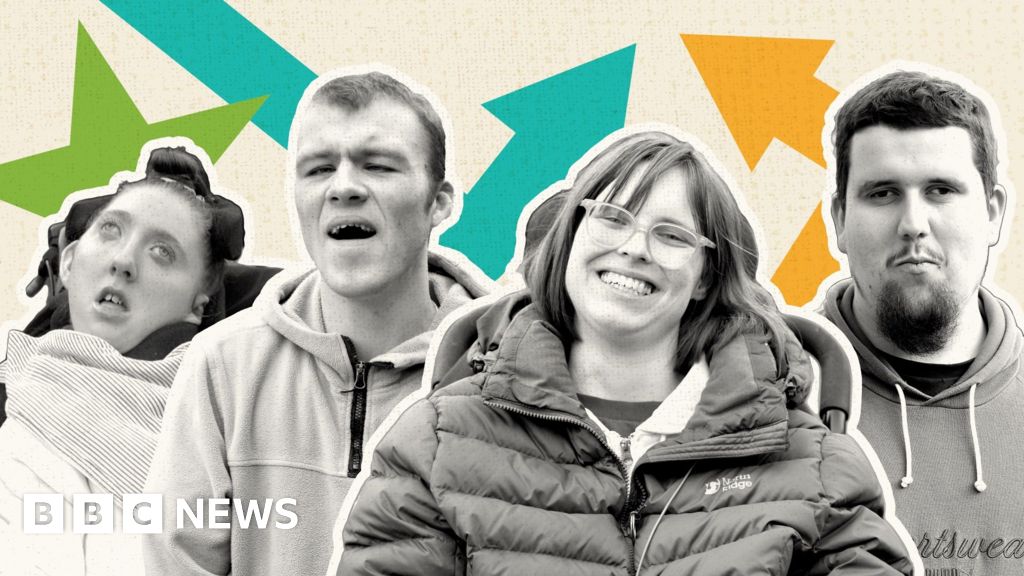
Across communities in Gloucestershire and Wales, the stories of young adults with complex needs reveal a society grappling with moral and economic challenges. As these individuals approach the transition from specialized education to independent living, the societal infrastructure supporting them often feels strained and uncertain. From the struggles faced by students like Kate, who aspires to improve accessibility in building design, to Billy, whose dreams of starting a reselling business highlight resilience despite systemic hurdles, each narrative underscores the profound impact social issues have on families, education, and communities.
Many of these students rely on local authority funding and support systems that are increasingly under pressure. As social care and educational budgets face reforms, their futures hang precariously in the balance. The postcode lottery of opportunity means that access to essential resources like therapy, supported living, or employment opportunities varies widely depending on location, further exacerbating social inequalities. Sociologists like Peter Saunders have long argued that such disparities threaten the moral fabric of society, revealing a failure to value every individual equally. For many families, this uncertainty translates into anxiety and a sense of abandonment, emphasizing the critical need for a societal shift in values—prioritizing human dignity over cost.
Transition events and initiatives, such as the upcoming college career planning, attempt to guide these young adults into the next chapters of their lives. Yet, the system’s limitations often mean that even when students are ready, they face insurmountable barriers. Chris, who is visually impaired, has shown remarkable growth through work placements, but his family highlights the persistent challenge of securing permanent employment or supported accommodation due to funding gaps. Likewise, Rhi’s return home to a specially adapted house after college illustrates the role of familial and community resilience, even as societal decisions threaten to curtail her independence. Such stories compel social commentators to ask: is society prioritizing inclusion and opportunity, or merely managing the costs of care?
Amidst these difficulties, voices from leadership like Lynette Barrett of National Star College insist on the moral imperative of sustained investment. She warns of a postcode lottery and the dwindling number of capable providers, emphasizing that therapy, supported living, and meaningful occupation are not luxuries but necessities for progressing beyond dependence. As policy-makers prepare for reforms in Education, Health and Care Plans (EHCPs), uncertainty looms large. History warns us that neglecting social care risks creating a perpetual cycle of societal exclusion, undermining the moral fabric that binds us together. Yet, stories of resilience show that with proper support and societal recognition, these young adults can redefine societal expectations.
As society stands at this crossroads, the stories of these young individuals serve as a poignant reminder of the moral and social responsibilities we bear. Their futures, intertwined with community support and public policy, symbolize the broader challenge of creating a society that values every citizen regardless of their needs. Perhaps, in listening to their voices and addressing these systemic gaps, society can forge a new path—one rooted in empathy, opportunity, and the unshakeable belief that every young person deserves a chance to thrive. Only then can society truly reflect the hope that amidst challenges, transformation remains not just a possibility but an imperative.