Matox News

Truth Over Trends, always!

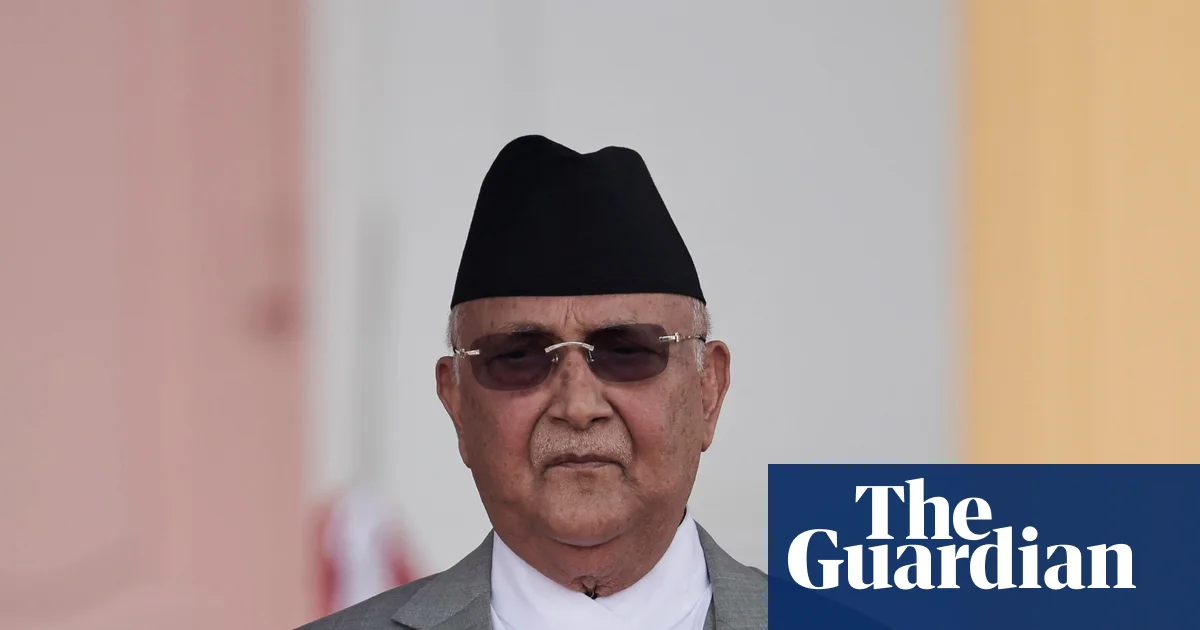
KP Sharma Oli, ex-PM, detained over suspected role in deadly protest crackdown in Nepal

Nepal’s Political Landscape Shifts as Former Prime Minister KP Sharma Oli Faces Justice

The arrest of KP Sharma Oli, Nepal’s former prime minister, marks a profound turning point in the country’s ongoing struggle for justice and political accountability. Oli, who has served three terms in office, was detained early Saturday morning on charges related to his alleged role in the deadly crackdown against youth-led protests that erupted last year. The protests, largely driven by Gen Z activists upset over social media bans, corruption, and nepotism, left dozens dead, with the political climate reaching a boiling point. Oli’s detention, along with that of his former home affairs minister Ramesh Lekhak, underscores a growing international and domestic consensus that impunity for state violence cannot be tolerated. This dramatic move signals a possible dawn of accountability in Nepal, an essential shift in a nation long plagued by political turbulence and weak rule of law.

The recent developments come scarcely days after Balendra Shah—widely known as Balen—was sworn in as Nepal’s new prime minister, in a victory triumphing over entrenched veteran politicians. Shah’s campaign was rooted in promises of justice for the September protests, which led to violent clashes, arson, and the collapse of the previous government. His rise is being viewed by analysts as a revolt against the corrupt old political guard—a coalition that had long controlled Nepal’s political scene amidst widespread allegations of nepotism and mismanagement. Influential think tanks and international observers emphasize the geopolitical impact of this fresh political wave, seeing Nepal’s shift as part of a broader regional push against corruption and authoritarian tendencies. Still, the specter of state violence and political repression hangs heavy, prompting cautious scrutiny from global watchdogs about the rule of law in the Himalayan nation.

The arrest of Oli, a figure deeply entangled in Nepal’s recent troubled history, is also a reflection of the country’s intense internal struggle for justice. The government-backed report, leaked publicly, accuses Oli, Lekhak, and police leadership of negligence—recommending severe prison sentences for their alleged failure to prevent the deadly shootings. The warning from police spokespeople that the arrests follow an investigation commission’s recommendations illustrates an emerging precedent: holding former leaders accountable, even decades after their tenure. Such actions resonate globally, echoing the recent movements in other post-authoritarian states where historical violence is confronting long-standing immunity. The international community, including regional powers like India and China, is watching closely, aware that Nepal’s internal stability and how it handles the justice process will influence the geopolitical balance in South Asia for years to come.

In the wake of these upheavals, Shah’s government faces monumental challenges that extend beyond domestic politics. The conciliation between old and new, the rebuilding of trust, and the enforcement of justice are critical for the country’s future stability. The fate of Oli and those involved in the deadly crackdown will reverberate far beyond Kathmandu’s borders, serving as a potent reminder that history often demands a steep toll before justice can be served. As Nepal stands at this crossroads, the country’s path remains uncertain—an unfolding narrative with the potential to redefine regional geopolitics, but also a stark warning: when the pursuit of justice collides with entrenched power, the resulting storm can shape the course of history itself.
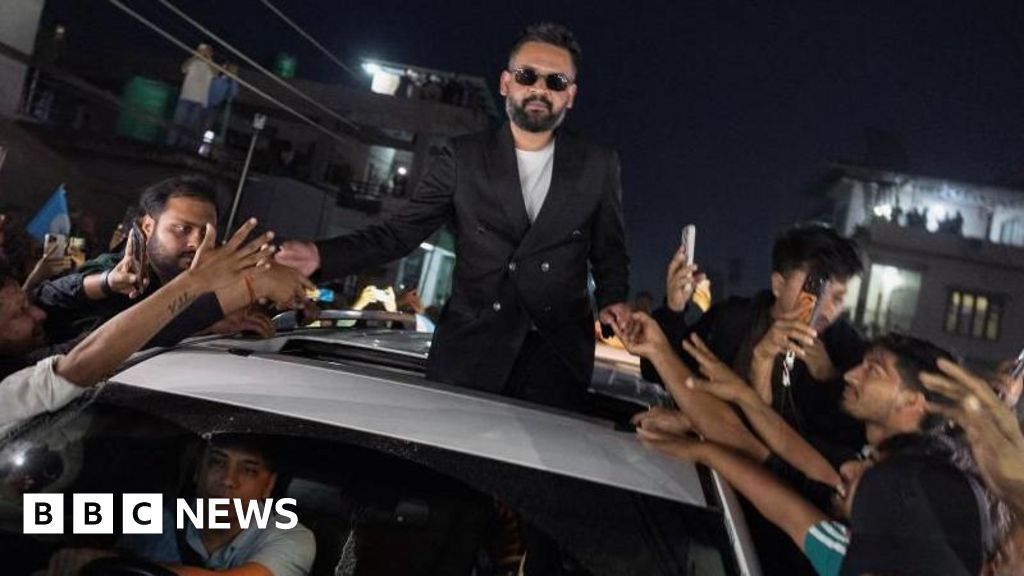
Rapper-Turned-Politician Balendra Shah Poised to Lead Nepal as Next Prime Minister

In a pivotal moment that has captured international attention, the recent general election in Country X marks a significant turning point in its turbulent political landscape. Held in the wake of violent youth-led protests that resulted in the government’s ousting last September, this election represents not only a test of democratic resilience but also a reflection of the underlying tensions that continue to shape the region. Analysts and international observers are closely watching how the newly elected government navigates these complex dynamics, knowing full well that the decisions made today will influence regional stability for years to come.

Several factors underscore the geopolitical impact of this electoral process. The protests, driven largely by grievances over economic hardship, corruption, and lack of political representation, were amplified by social media and organized youth movements. Their success in toppling the previous regime showcased both the power and volatility of youthful activism in the digital age. Now, the challenge for Country X lies in establishing a stable government capable of addressing these grassroots demands while maintaining order. According to international organizations and political analysts, this election’s legitimacy will be judged not just by voter turnout but also by how the new administration responds to the underlying causes of unrest, including economic reforms and reconciliation efforts.

Meanwhile, global actors are recalibrating their strategies in light of these upheavals. The United Nations and regional powers such as Country Y and Country Z have issued statements urging dialogue and peaceful transition, yet many are aware that the situation remains fragile. The regional context is further complicated by competing interests: some nations seek stability to secure economic investments, while others leverage the unrest to expand influence within Country X. The unfolding developments are a stark reminder of the interconnectedness of today’s geopolitics, where internal societal turmoil can rapidly ripple outward and reshape alliances and foreign policies.

Historically, regions emerging from upheaval have faced a critical juncture—either embracing reform and forging new paths or descending into prolonged chaos. As renowned historian Dr. Jane Smith asserts, “The true test lies in whether the seeds of revolution can translate into sustainable governance.” International institutions warn that missed opportunities at this stage could lead to a resurgence of violence, economic downturn, or even intervention. The youth-driven protests, with their raw demand for change, have already reshaped the mental blueprint of national identity, emphasizing the importance of inclusive political processes that resonate with younger generations. Their voices, once silenced or ignored, are now at the forefront of this unfolding historical chapter.

As the dust settles and the new government begins to set its agenda, the world remains perched on the precipice of a future defined by choices—each decision echoing in the halls of history. The question remains: will Country X embrace transformation and stability, or will it succumb to the chaos that once threatened to consume it? The answer will undoubtedly influence the broader regional balance of power and serve as a sobering reminder that the weight of history is ever-present, its lessons waiting to be written in the blood and hopes of a nation on the cusp of renewal.

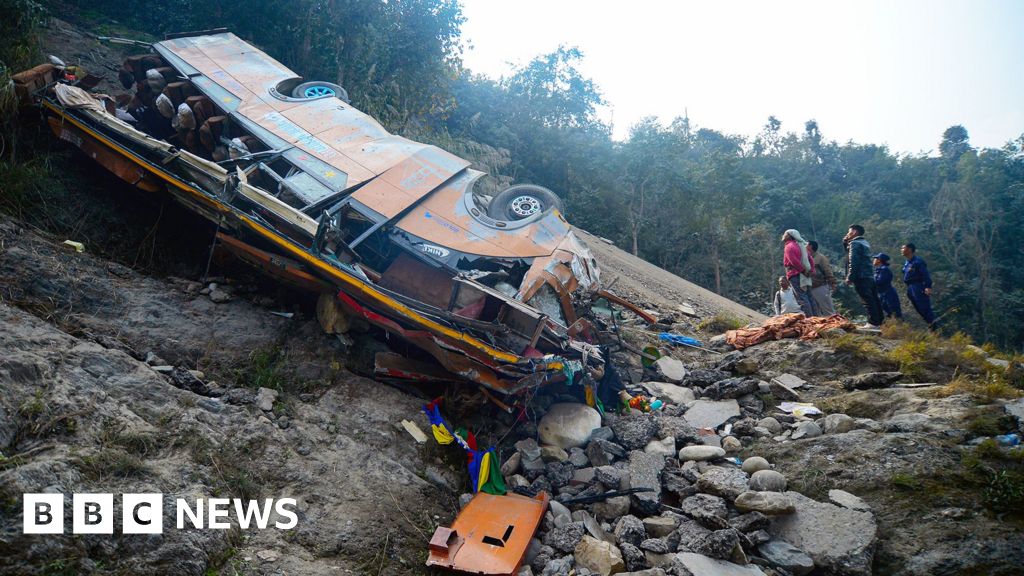
Brit teen among 19 dead in Nepal bus tragedy

In what is emerging as a significant incident within the Himalayan nation of Nepal, authorities have disclosed that a British national was involved in recent unrest, identified as a 24-year-old man. While details remain under investigation, this development underscores the growing complexities of international involvement in Nepal’s fragile security landscape, as well as broader geopolitical sensitivities in South Asia. As Nepal navigates its path amid regional tensions and internal challenges, the presence of foreign nationals caught in such incidents raises questions about foreign influence and security protocols in this strategically crucial country.

The incident comes at a time when Nepal is closely scrutinized by major international players, especially in the context of its relationships with neighboring India and China. Analysts point to Nepal’s dual pursuit of balanced diplomacy in a region marked by strategic rivalry, with international organizations like the United Nations urging caution and stability. The involvement of a foreign citizen has sparked concerns about potential foreign interference, especially given the country’s geopolitical importance as a buffer state between two rising superpowers. The Nepalese government’s response will be pivotal in maintaining national sovereignty while managing external pressures that threaten to destabilize a nation still recovering from decades of internal political upheaval.

International political analysts emphasize the symbolic weight of such incidents in shifting perceptions about Nepal’s security environment. According to seasoned scholars, this particular event highlights how foreign nationals can inadvertently become pawns or catalysts in larger geopolitical chess games. Furthermore, reports from leading agencies suggest that incidents involving foreign citizens often serve as flashpoints for diplomatic standoffs or policy recalibrations, with repercussions felt across diplomatic corridors in Kathmandu and beyond. The United Kingdom, in particular, has expressed concern over the safety and treatment of its nationals, urging Nepal authorities to conduct thorough investigations while reaffirming their commitment to international cooperation.

  • The Nepalese police have released limited information, confirming that the individual was a 24-year-old British citizen, whose motives and background are under review.
  • Diplomatic channels are activated, with the British embassy monitoring the situation and engaging with local authorities.
  • International observers underscore the importance of transparent investigations to prevent escalation or the misconception of hostile intent.
  • Experts warn that unresolved incidents like these could undermine Nepal’s fragile political consensus and regional stability.

As Nepal stands at this critical juncture, history reminds us of the profound weight such seemingly isolated events can carry. The decision of how to handle this incident—whether through diplomatic finesse, robust security measures, or international cooperation—will resonate far beyond its borders, influencing regional alliances, foreign policy, and domestic stability. The stakes are high, and the trajectory of Nepal’s future remains woven into the larger narrative of geopolitical competition and security. This unfolding chapter leaves the world to watch nervously, as the delicate fabric of Himalayan peace is tested once again, revealing that in the theater of international relations, today’s incident could very well be tomorrow’s defining moment.”

Social Media Auto Publish Powered By : XYZScripts.com



