Nepal’s Political Landscape Shifts as Former Prime Minister KP Sharma Oli Faces Justice
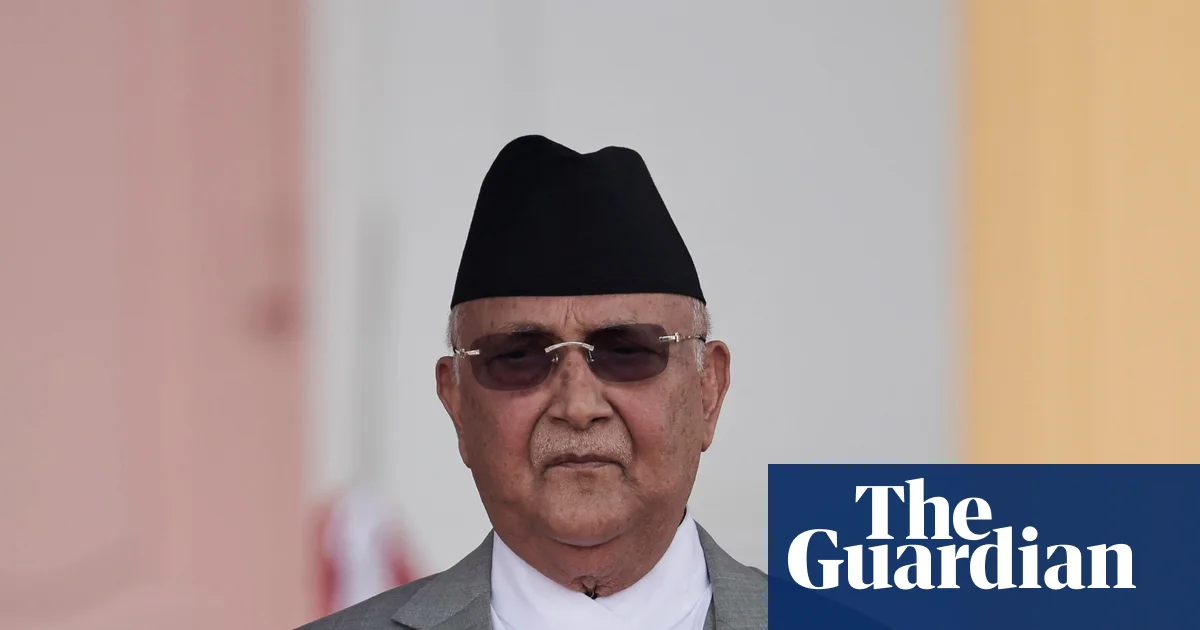
The arrest of KP Sharma Oli, Nepal’s former prime minister, marks a profound turning point in the country’s ongoing struggle for justice and political accountability. Oli, who has served three terms in office, was detained early Saturday morning on charges related to his alleged role in the deadly crackdown against youth-led protests that erupted last year. The protests, largely driven by Gen Z activists upset over social media bans, corruption, and nepotism, left dozens dead, with the political climate reaching a boiling point. Oli’s detention, along with that of his former home affairs minister Ramesh Lekhak, underscores a growing international and domestic consensus that impunity for state violence cannot be tolerated. This dramatic move signals a possible dawn of accountability in Nepal, an essential shift in a nation long plagued by political turbulence and weak rule of law.
The recent developments come scarcely days after Balendra Shah—widely known as Balen—was sworn in as Nepal’s new prime minister, in a victory triumphing over entrenched veteran politicians. Shah’s campaign was rooted in promises of justice for the September protests, which led to violent clashes, arson, and the collapse of the previous government. His rise is being viewed by analysts as a revolt against the corrupt old political guard—a coalition that had long controlled Nepal’s political scene amidst widespread allegations of nepotism and mismanagement. Influential think tanks and international observers emphasize the geopolitical impact of this fresh political wave, seeing Nepal’s shift as part of a broader regional push against corruption and authoritarian tendencies. Still, the specter of state violence and political repression hangs heavy, prompting cautious scrutiny from global watchdogs about the rule of law in the Himalayan nation.
The arrest of Oli, a figure deeply entangled in Nepal’s recent troubled history, is also a reflection of the country’s intense internal struggle for justice. The government-backed report, leaked publicly, accuses Oli, Lekhak, and police leadership of negligence—recommending severe prison sentences for their alleged failure to prevent the deadly shootings. The warning from police spokespeople that the arrests follow an investigation commission’s recommendations illustrates an emerging precedent: holding former leaders accountable, even decades after their tenure. Such actions resonate globally, echoing the recent movements in other post-authoritarian states where historical violence is confronting long-standing immunity. The international community, including regional powers like India and China, is watching closely, aware that Nepal’s internal stability and how it handles the justice process will influence the geopolitical balance in South Asia for years to come.
In the wake of these upheavals, Shah’s government faces monumental challenges that extend beyond domestic politics. The conciliation between old and new, the rebuilding of trust, and the enforcement of justice are critical for the country’s future stability. The fate of Oli and those involved in the deadly crackdown will reverberate far beyond Kathmandu’s borders, serving as a potent reminder that history often demands a steep toll before justice can be served. As Nepal stands at this crossroads, the country’s path remains uncertain—an unfolding narrative with the potential to redefine regional geopolitics, but also a stark warning: when the pursuit of justice collides with entrenched power, the resulting storm can shape the course of history itself.