Matox News

Truth Over Trends, always!

Netanyahu Opponents Unite to Push for New Direction in Israeli Politics

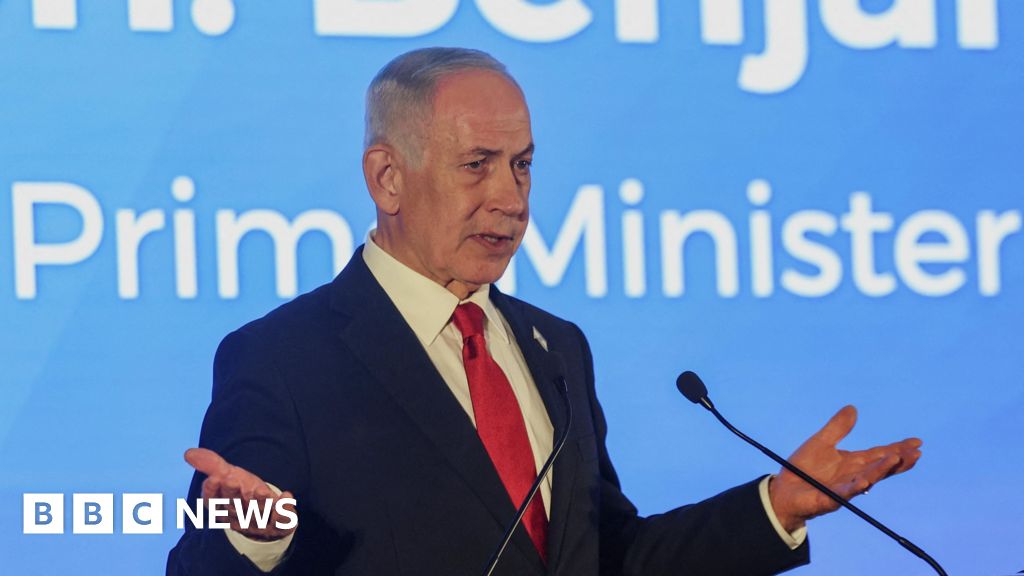
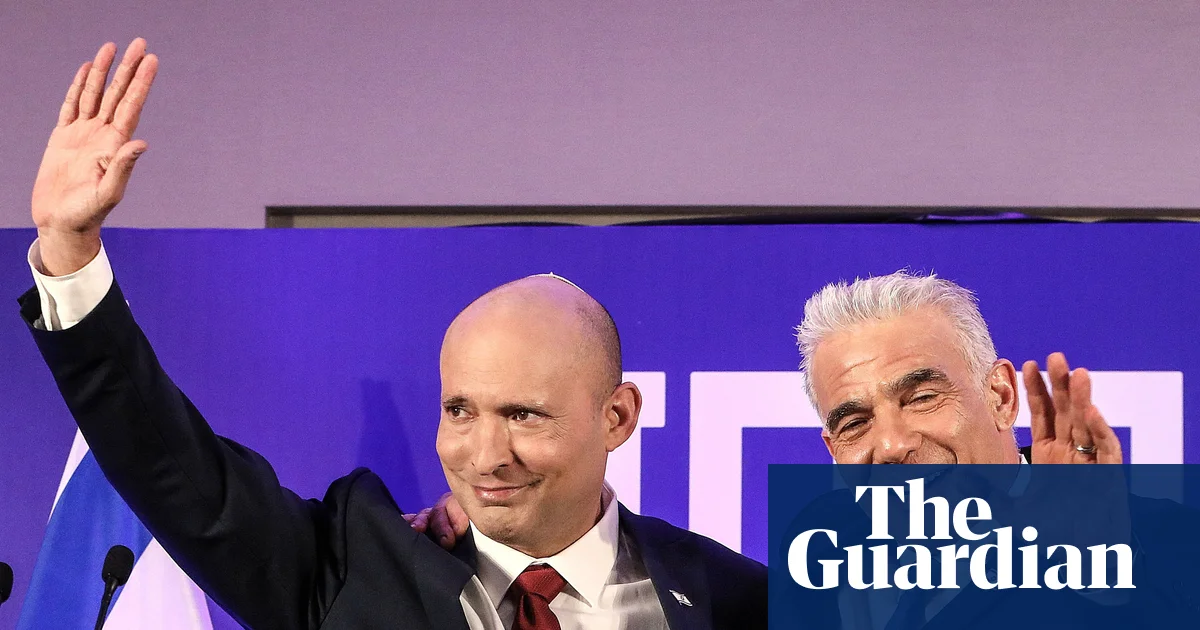
The Middle East continues to be a crucible of geopolitical tension, with recent developments in Israel underscoring how internal political shifts ripple across the broader region. Two of Benjamin Netanyahu’s most prominent rivals—Naftali Bennett and Yair Lapid—have announced a strategic alliance aimed at unseating Israel’s current government in upcoming elections. Their merger, forming the new party Together, signifies a concerted effort to chart a different course for a nation embroiled in ongoing regional conflicts and internal dissent. This political maneuver reflects a broader pattern where leadership change can dramatically influence regional stability, especially as Israel faces mounting security challenges and diplomatic pressures.

Since his first term in the 1990s, Netanyahu has been a deeply polarizing figure, viewed differently on domestic and international fronts. His recent re-election victory in November 2022 cemented the most right-wing government in Israel’s history, a coalition fortified by ultra-nationalist and religious parties. Yet, recent crises—most notably the 2023 Hamas attack on southern Israel—have significantly shaken his standing, revealing vulnerabilities in Israel’s security apparatus. Analysts suggest that the attack not only jeopardized regional stability but also intensified global concerns about the threat of Hamas and Iran’s network of proxy militias. Such an event acts as a crucial turning point—highlighting how internal political divisions directly influence Israel’s ability to project power and maintain stability in an increasingly volatile Middle East.

  • The alliance of Bennett and Lapid signals a shift in the Israeli political landscape, challenging Netanyahu’s dominance and emphasizing the need for transactional stability amidst escalating regional threats.
  • Regional allies and adversaries are closely watching these internal debates, as Israel’s leadership decisions shape their own strategic calculations in the face of threats from groups like Hezbollah, Hamas, and Iran.
  • The potential for political change inside Israel raises questions about future diplomacy, especially concerning the Palestinian territories and the broader Arab world, where trust is fragile and alliances are persistent.

International organizations and political analysts warn that continued political instability could undermine Israel’s strategic capacity to forge effective regional coalitions or engage in credible negotiations. The United States, the longstanding military and diplomatic supporter of Israel, remains vigilant, especially as prospects of a new government emerge, which may prioritize domestic issues over regional diplomacy. Conversely, Iran and its proxies could see the fragile Israeli polity as an opportunity to escalate their activities, thereby further destabilizing the region. Historically, Israel’s internal upheavals have often acted as catalysts or catalysts of regional shifts, reaffirming the narrative that internal politics in key nations are never isolated but woven into the fabric of international security.

As Israel teeters on the brink of potentially significant leadership changes, the weight of history presses upon all players involved. The outcome of this electoral season will not merely shape Israeli politics but could redefine regional alliances and conflict dynamics for years to come. National futures are at the mercy of these political dice, and in this vortex of history, every decision echoes in the corridors of power and across the turbulent landscape of the Middle East. The world watches as the pendulum swings, knowing well that the unfolding story of Israel’s leadership will either usher in a new era of stability or serve as a prelude to further chaos, forging a chapter in the ongoing saga of geopolitical struggle that continues to shape our world.
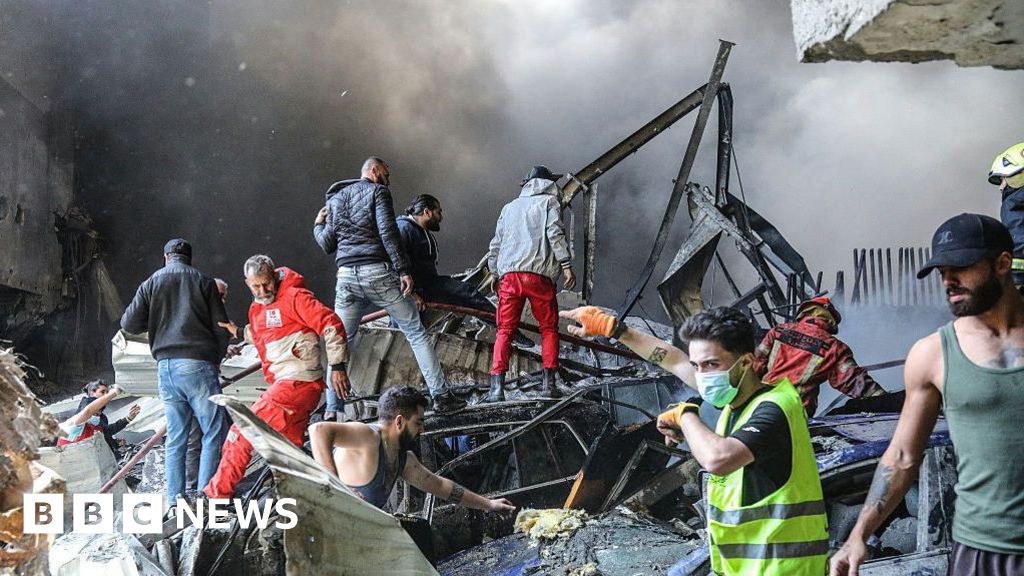
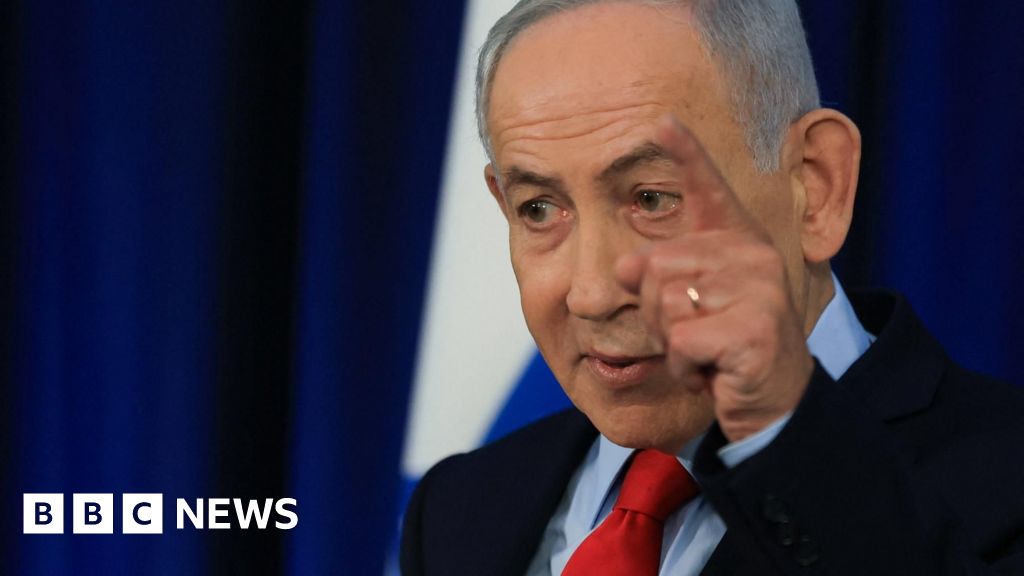
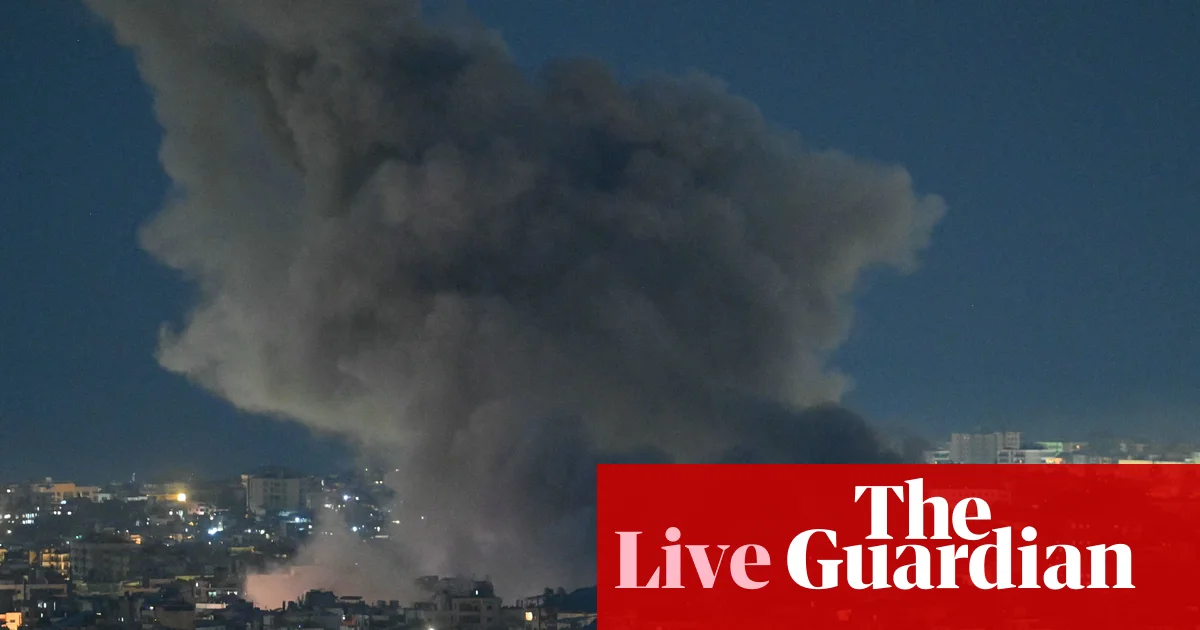
Israel to negotiate with Lebanon, no ceasefire talks, Netanyahu announces

In a decisive move amidst escalating violence, Lebanese officials have urgently called for a ceasefire as preparations for peace talks commence. This development underscores the fragile state of Lebanon’s internal stability, battered by relentless hostilities rooted in regional tensions and historic grievances. As violence persists in various enclaves, local leaders emphasize that halting military actions is imperative to restore dialogue and address underlying issues contributing to the ongoing conflict.

The international community, particularly regional powers and global institutions, closely monitors Lebanon’s tumultuous situation. The United Nations and European Union have reiterated their support for a peaceful resolution, urging all parties to refrain from actions that could deepen societal divisions. Meanwhile, analysts warn that without a genuine commitment to dialogue and reconciliation, the risk of broader regional destabilization looms ever larger. Experts in Middle Eastern geopolitics highlight that Lebanon’s instability serves as a microcosm of wider regional tensions that continue to threaten the broader Middle East, where proxy conflicts and political rivalries often ignite violence.

Historically, Lebanon has long been a chessboard for regional influence, with regional actors such as Iran and Saudi Arabia vying for ideological and strategic dominance. According to renowned geopolitical analyst Dr. Samuel Green, “Lebanon’s internal conflicts are not merely local disputes but are deeply intertwined with broader regional struggles. The call for a ceasefire might be a fragile, yet crucial, initial step towards de-escalation—but the true challenge lies in ensuring sustainable peace.” This perspective resonates with international observers who recognize that diplomatic strides must be accompanied by tangible political reforms to prevent renewed violence.

Officials and diplomats are acutely aware that decisions made in the coming days will shape Lebanon’s future trajectory and influence regional stability.

  • Ceasefire negotiations
  • International mediations
  • Potential peace agreements

are all pivotal junctures that could either anchor Lebanon to peace or plunge it further into chaos. The echoes of history remind us that once violence takes root, it often spreads beyond borders, threatening neighboring countries and beyond. Today, as Lebanon’s leaders call for calm, the weight of history presses down — a stark reminder of how fragile peace remains in a land torn by conflicts rooted in centuries of unresolved grievances. The unfolding story could determine whether this moment becomes a turning point toward lasting stability or another chapter in an ongoing saga of turmoil that continues to shape the geopolitics of an entire region.

Netanyahu asserts Israel 'acted solo' in strike on Iranian gas facility
Netanyahu asserts Israel ‘acted solo’ in strike on Iranian gas facility

Recent developments in the Middle East have sent shockwaves through global energy markets, with gas prices surging as geopolitical tensions escalate in the region. An unexpected attack by Iran on Qatar has triggered a sharp increase in energy costs, reflecting not only the immediate conflict but also underlying fears of regional instability. This event highlights the profound impact of geopolitical shifts on international energy supplies, reminding nations that their economic resilience is deeply intertwined with the volatile politics of the Middle East.

In response to the attack, market benchmarks such as the UK gas prices briefly peaked at nearly 183p per therm on Thursday. Although prices have since pulled back slightly to 154.8p—a still significant 11.3% increase from the previous day—this volatility underscores broader concerns about supply disruptions. European gas prices have similarly surged by more than 10%. Such movements are not merely numbers on a screen; they translate into increased heating and manufacturing costs, influencing millions of households and businesses across the continent. Analysts warn that continued instability could push prices even higher, exacerbating economic strain on societies already grappling with inflation and energy shortages.

International organizations and regional powers are now grappling with the geopolitical fallout. The United Nations has expressed concern over the escalation, emphasizing the need for diplomatic resolution to prevent further destabilization. Meanwhile, analysts suggest that Iran’s strategic attack on Qatar—an important regional player and US ally— marks a shift in the regional balance of power. Historically, such conflicts have ripple effects, influencing not just immediate trade but also long-term alliances and energy routes. Institutions like the International Energy Agency (IEA) are warning of the potential for protracted supply disruptions, which could lead to a global energy crisis if the situation deteriorates.

The geopolitical impact of this incident extends beyond energy markets. It exposes the fragility of international diplomacy in a highly competitive, often unpredictable Middle East. This conflict, while localized at the moment, carries the potential to escalate into a larger regional or even global confrontation. According to renowned geopolitical analyst Dr. Emily Carter, “The attack on Qatar underscores the danger of destabilization in energy-rich regions, where even a single event can have cascading effects on global security and economic stability.” For youth and future generations, these developments serve as stark reminders of the precarious balance of power and the importance of strategic foresight in international relations.

As the world watches an uncertain future unfold, the weight of history presses heavily upon the unfolding events. The decisions made today—whether diplomatic, military, or economic—will define the course of regional peace and global stability for years to come. The crossroads are clear: an era of unpredictable conflicts shaping the fate of nations or a renewed commitment to diplomacy and stability. The choice is ours, but history is watching, and the pages of tomorrow remain unwritten.

US-Israel Tensions with Iran: Netanyahu Predicts Long Conflict as IDF Warns Lebanese Civilians

Global Tensions Escalate in Middle East Conflict Amid US, Israeli, and Iranian Actions

The recent surge in military activity across the Middle East signifies a critical turning point in international relations, with USA forces claiming to have destroyed key Iranian Revolutionary Guards command facilities, missile launch sites, and air defense capabilities. This development marks a significant escalation in the ongoing US-led campaign against Iran, directly targeting its military infrastructure in what officials describe as “decisive action” against an “imminent threat.” According to US Central Command, these operations are part of a sustained effort to dismantle Iran’s ability to arms terrorist networks outside its borders and prevent further regional destabilization.

In parallel, the Israeli military has engaged in extensive strikes against Tehran and Beirut, while issuing evacuation orders for strategic locations in Lebanon amidst fears of imminent hostilities. This coordinated campaign underscores a broader geopolitical shift, intensifying the confrontation and risking broader regional chaos. Israeli Prime Minister Benjamin Netanyahu has publicly stated that this war may take “some time,” but assured it won’t be an “endless conflict,” emphasizing a desire for swift, decisive victory. Analysts, including those at the Council on Foreign Relations, warn that these aggressive postures threaten to ignite a broader war involving multiple state and non-state actors.

Strategic Ramifications and International Response

Amid the mounting military engagements, the region has plunged into disarray. The US has ordered all citizens to evacuate over a dozen Middle Eastern countries, including Saudi Arabia and the United Arab Emirates, citing rising risks of further attacks and diplomatic instability. The Saudi embassy in Riyadh was reportedly struck by drones early Tuesday, causing a fire and leading to a temporary diplomatic closure—a stark reminder of how quickly regional security can unravel.

Further complicating the situation, Iran’s Revolutionary Guards claimed a drone and missile attack on a US air base in Bahrain, asserting that they destroyed the base’s main command headquarters—a move likely to provoke retaliatory strikes. International organizations such as the UN have expressed concern, urging de-escalation, but their calls seem overshadowed by hardened rhetoric and ongoing hostilities. Meanwhile, the strategic choke point of the Strait of Hormuz, vital for oil and gas shipments, hangs in the balance after threats from Iran to close navigation, risking a potential global energy crisis. The U.S. military remains cautiously optimistic, asserting the Strait remains open, but the threat of escalation looms large.

Projection of War and the Shift in Global Power Dynamics

As the conflict continues to spiral, former Secretary of State Marco Rubio stated that the “hardest hits” are yet to come, hinting at a prolonged and punishing campaign against Iran. Meanwhile, President Donald Trump has laid out broad objectives, including dismantling Iran’s missile capabilities, naval forces, and nuclear ambitions—all with an eye toward curbing Iran’s regional influence.

Historian Samuel Huntington and geostrategic analysts warn that this conflict risks reshaping the global power balance. Worst-case scenarios include a broader regional war, economic turmoil, and centering the Gulf’s geopolitical importance in American and allied foreign policy for decades to come. How nations respond in these critical moments will determine the nature of international stability in the years ahead, with the weight of history pressing heavily upon these decisions. As the echoes of drone strikes, evacuations, and military escalations reverberate across capitals, the world stands at a precipice. The unfolding story of the Middle East’s chaos may well forge a new era—one defined by confrontation, resilience, and the relentless pursuit of national interests amid the uncertainty of a world still on the edge of war.

Netanyahu urges Iran to stop enriched uranium and halt production now

In an escalating chapter of the ongoing struggle for regional and global stability, the remarks made by Israeli Prime Minister just days before the scheduled Iran-U.S. negotiations in Geneva underscore the fragility of diplomacy amidst rising tensions. As tensions between Tehran and the United States intensify over Iran’s nuclear program, the international community remains perched on a knife’s edge, wary of a broader conflict that could reshape the geopolitical landscape for decades to come.

The upcoming talks mark a critical junction, potentially serving as a turning point in the pursuit of a diplomatic resolution regarding Iran’s nuclear ambitions. The Joint Comprehensive Plan of Action (JCPOA), once hailed as a framework for preventing nuclear proliferation, has been all but dismantled in recent years, with recent U.S. and Iranian actions widening the chasm of mistrust. American diplomats insist that negotiations aim to reinstate limits on Iran’s nuclear activities, while Tehran remains determined to safeguard what it perceives as its sovereign right to develop nuclear technology. Analysts warn that any misstep could allow Iran to accelerate its nuclear capability, posing a direct threat to the Middle East and beyond, especially with the region’s volatile alliances.

Israel, led by Prime Minister Benjamin Netanyahu, has repeatedly expressed firm opposition to any agreement that would leave Iran’s nuclear infrastructure intact, warning of the dire consequences for regional security. Israeli officials frequently cite Iran’s support for militant groups like Hezbollah and Hamas as evidence of its destabilizing ambitions. Israel’s insistence that any deal must effectively dismantle Iran’s nuclear capabilities or impose comprehensive monitoring reflects its perception of an existential threat. This stance remains a significant diplomatic obstacle, exacerbating fears that the negotiations could be exploited diplomatically by Iran to temporarily appease Western powers while continuing clandestine nuclear activities.

International organizations and diplomatic analysts continue to scrutinize the unfolding developments with grave concern. The United Nations and European Union have called on both sides to pursue diplomacy, emphasizing that failure to reach a consensus could ignite a broader regional conflict. Historically, unresolved nuclear disputes have demonstrated how fragile peace can be when trust erodes, and the stakes, as suggested by strategic experts like former officials and analysts, far surpass the immediate parties involved. The diplomatic landscape is paying close attention to the shifting alliances and international pressures, with several states weighing the potential consequences of a renewed conflict or a fragile diplomatic détente.

As history continues to unfold in Geneva, the world faces a defining moment—one that could either lead toward renewed diplomacy and stability or plunge the Middle East into further chaos. The decisions made here will reverberate across continents, shaping the global order for generations. Watches are being kept on the evolving diplomatic efforts, but the shadows of past conflicts serve as a stark warning: history’s weight is ever-present, and the path forward remains fraught with peril, as nations stake their claims amidst the unyielding rush of unfolding events.

Trump urges Netanyahu: Keep Iran nuclear talks alive

In a rapidly evolving landscape of international diplomacy, Israel has voiced its profound concerns regarding the ongoing negotiations with Iran. Jerusalem fears that the current diplomatic approach, driven by the desire to reach a timely deal, might ultimately fall short of addressing critical issues such as Iran’s missile programs and its extensive network of proxy groups across the Middle East. This hesitation highlights a broader strategic dilemma shared by many nations in the region—whether economic concessions and temporary agreements will truly curtail Iran’s expanding military capabilities and regional influence.

Leading analysts, including Daniel Byman, a scholar at Georgetown University, warn that the negotiations risk producing a deal that is too lenient or incomplete. “Israel is concerned that in the haste to get a deal with Iran, the president might embrace a deal that doesn’t address Iran’s missile programme or support for proxy groups, or that allows it to have some remnant of its nuclear programme,” Byman explained. This underscores a critical turning point in international diplomacy—one where hurried agreements could unwittingly pave the way for continued regional instability rather than securing genuine peace. The implications extend far beyond Iran’s borders, threatening to redefine the delicate balance of power in the Middle East.

Global organizations and foreign governments are closely watching these developments. The United States and European Union have engaged in intense negotiations, balancing diplomatic pressure with strategic priorities. While some argue that diplomacy remains the only viable path to prevent nuclear proliferation, others emphasize the necessity of including robust provisions addressing Iran’s missile technology and support for proxy militias. The United Nations and regional watchdogs warn that failure to impose comprehensive restrictions could embolden Iran’s military ambitions, increase missile proliferation, and escalate conflicts in countries like Iraq, Syria, and Lebanon. As the geopolitical stakes escalate, the world must contend with the prospect that clandestine nuclear development might continue under the cover of any loosened treaty terms.

Historically, international negotiations have often been at a crossroads—each decision shaping the future trajectory of global security. As Israel and its allies remain vigilant, some analysts warn that concessions without enforceable safeguards risk creating a long-term insecurity dilemma. The ongoing debate is not simply about nuclear technology; it encapsulates a wider contest of regional dominance, national sovereignty, and ideological confrontation. As the dust of diplomatic accord settles, history’s ink will record whether these decisions have laid the foundation for peace or whether they have merely delayed the inevitable wake of unrest.

The world continues to watch with bated breath, knowing that the axes of conflict are shifting beneath our feet. The decisions made in the coming weeks will determine whether history advances towards hope or chaos—none can say for certain, but the weight of the moment hangs heavy. It is a fragile, uncertain dawn—one that could either illuminate a path to lasting peace or plunge the region, and perhaps the world, into the shadows of renewed conflict.

Netanyahu Seeks Pardon in Corruption Case Amid Political Drama

Israel on the Brink: Netanyahu’s Pardon Request Sparks Constitutional Turmoil

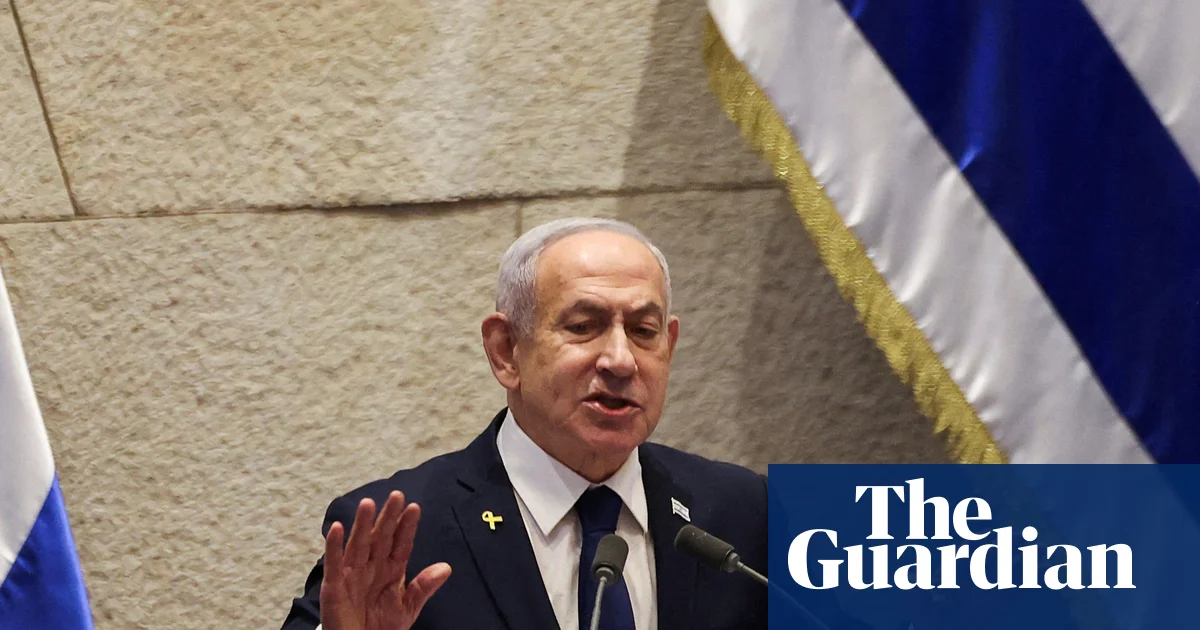
In a move that is reverberating across the Middle East and challenging the foundations of Israel’s legal system, Prime Minister Benjamin Netanyahu has formally petitioned President Isaac Herzog for a pardon related to longstanding bribery and fraud charges. This unprecedented appeal, encapsulated in a comprehensive 111-page submission, seeks to halt a five-year corruption trial that threatens to cast a shadow over Netanyahu’s legacy and political future. The request, which is highly controversial, underscores the tension between legal accountability and political expediency—elements that could redefine the balance of power in Israel’s fragile democracy.

Legal experts and international observers have noted the potential for this request to set a historic precedent in Israeli law. Unlike most cases where pardons follow conviction, Netanyahu’s plea is preemptive—an extraordinary step that has historically been met with skepticism. Israel’s legal tradition has only rarely granted such pre-emptive pardons, with the most notable occurrence in 1986 involving the Shin Bet. However, legal scholars argue that the absence of a guilty plea complicates this case, and some contend it may violate established legal norms. The decision could ultimately ignite a constitutional crisis, with Israel’s high court potentially forced to weigh whether this political maneuver aligns with the rule of law or undermines it, a debate that echoes principles upheld by external bodies like the International Criminal Court.

While Netanyahu insists that the trial has been a politically motivated “witch-hunt” orchestrated by media and judicial actors, critics perceive his move as a strategic effort to preserve his grip on power. His opponents argue that granting such a pardon without an admission of guilt would erode public confidence in the justice system and embolden political corruption. Notably, prominent opposition leaders, including Yair Lapid and Yair Golan, have voiced stern objections, emphasizing that justice and integrity should not be sacrificed on the altar of political survival. This conflict extends beyond narrow legal boundaries; it raises urgent questions about how nations combat corruption and uphold democratic principles amidst geopolitical turbulence in a region fraught with instability.

Global Implications: A Tipping Point in International Politics

The international community is watching intently as Israel grapples with this constitutional crisis. The United States and European Union have historically prioritized democratic integrity, warning that such unprecedented legal maneuvers could weaken the legitimacy of democratic institutions. Some analysts warn that if Netanyahu’s plea successfully circumvents justice, it could embolden similar tactics in other democracies battling political crises. Moreover, the United Nations and other global watchdogs are likely to scrutinize whether this move damages the principles of rule of law and accountability, which are core tenets of modern governance.

The geopolitical impact of this unfolding saga extends far beyond Israel. The nation’s stability underpins regional alliances, influences the broader Middle East peace process, and impacts the global strategic landscape. As the world watches the showdown between Netanyahu, Herzog, and the judiciary, many experts believe this is a defining chapter—a moment that could either anchor democracy more firmly or precipitate a descent into constitutional chaos. Historically, nations caught in similar crises have faced profound transformations, often at the cost of societal cohesion and international reputation. As the desert sands shift beneath Israel’s delicate political stage, the weight of history presses heavy, signaling that the outcome of this crisis could echo through decades—an enduring testament to the peril and promise of sovereignty in tumultuous times.

Israel gets Gaza body after Netanyahu vows to bring home 2014 soldier’s remains

The recent developments in the ongoing Israel-Gaza conflict mark a critical juncture in international geopolitics, with profound implications for regional stability and global diplomacy. On Sunday, Israel announced the return of the body of Hadar Goldin, a soldier killed during the 2014 conflict, whose remains had been in custody in Gaza since his death. Prime Minister Benjamin Netanyahu confirmed that Israel expected to receive the remains of a soldier whose body was held by Hamas, signaling a tentative but significant step in the fragile ceasefire negotiations. This gesture is seen, by analysts and international observers alike, as a move that could potentially pave the way for further de-escalation, though lasting peace remains elusive amidst the ongoing violence.

Historically, Hamas’s armed wing has used the retrieval of bodies and hostages as leverage in negotiations, and this latest handover is being closely scrutinized as a turning point. The return of 20 living hostages and 24 deceased, including Lt Goldin, under the first phase of a ceasefire deal, represents a moment of rare diplomatic progress amid the chaos that has engulfed the region for decades. Nevertheless, confidence remains fragile—Goldin’s family and broader Israeli society continue to grapple with the emotional toll, while officials vow to recover all remaining bodies and release more captives. Netanyahu reiterated his resolve: “We have returned 250 so far. We will bring them all back,” underscoring both the national commitment and the complexity of future negotiations.

The geopolitical impact of this development transcends borders. The conflict, which erupted anew on October 7, when Hamas-led militants launched a brutal attack killing over 1,200 people in Israel, has led to an escalation of military operations in Gaza. Since then, the Israeli military has reported that at least 241 individuals have been killed, including civilians, amidst a campaign that has resulted in devastating destruction across Gaza. According to figures from Hamas-controlled health authorities, the death toll since the outbreak of hostilities exceeds 69,000. These numbers, contested by various international bodies, speak to the catastrophic human toll stemming from the ongoing conflict. United Nations officials and international analysts warn that the conflict’s expansion risks destabilizing the entire Middle East, igniting sectarian tensions, and threatening global energy markets.

In this volatile climate, the actions and decisions of global institutions and key nations will determine whether the region can transition from war to peace, or spiral further into chaos. The compromise of releasing hostages and bodies demonstrates a rare diplomatic triumph, yet it must be contextualized within the broader scope of regional hostility. Historians and foreign policy experts warn that unresolved underlying grievances— territorial disputes, political fractures, and ideological divisions— continue to underpin the violence. The recent exchange signifies that, despite setbacks and entrenched animosities, the path toward diplomacy remains a critical, if fragile, corridor. As Russia, Iran, and the United States stand watching, each move in this unfolding drama will ripple across continents. Their decisions—whether to escalate or seek peaceful resolution—will echo through generations. For now, the fragile ceasefire offers a brief reprieve, a moment of clarity amid chaos, but the unresolved wounds of history carry the weight of an uncertain future, leaving the world on the edge of a precipice, watching as the chapters of this ongoing story are written in blood and hope alike.

Trump and Netanyahu Back New US Peace Initiative for Gaza

US President Donald Trump and Israeli Prime Minister Benjamin Netanyahu have unveiled a groundbreaking peace plan aimed at deescalating the catastrophic conflict in Gaza. Announced amid mounting international pressure, the proposal signals a significant diplomatic shift with the potential to reshape the geopolitics of the Middle East. The plan’s core demands include an immediate ceasefire, Hamas’s disarmament, and the release of hostages, laying the groundwork for a staged withdrawal while offering a glimmer of hope for an elusive peace. Yet, the initiative also exposes the profound struggles of compromise in a region haunted by decades of resentment, violence, and geopolitical rivalries.

The deal stipulates that Hamas, the militant group controlling Gaza, must relinquish its weapons, dismantle its tunnels, and relinquish control in favor of a technocratic Palestinian-led governing body. An international transition body, spearheaded by the US under the leadership of Trump, would oversee the administration, indicating an unprecedented American role in Palestinian affairs. This arrangement, praised by figures such as former UK Prime Minister Tony Blair as “bold and intelligent,” underscores a strategic departure from previous policies that prioritized direct Israeli control or diplomatic neglect. The proposal also emphasizes economic reconstruction, with immediate full aid to Gaza contingent on compliance, aiming to counter the humanitarian crisis worsened by ongoing hostilities.

International reactions have been mixed but reveal a shared desire for diplomatic resolution. British Prime Minister Sir Keir Starmer, along with other Western allies, has called upon all parties to seize this historic opportunity. The plan hints at a future Palestinian state, though details remain vague, and recognizes that the path toward Palestinian sovereignty is deeply intertwined with the cessation of violence. However, the sense of cautious optimism is shaded with skepticism; Hamas officials have expressed willingness to consider the proposal but stressed that Palestinian interests and the complete Israeli withdrawal are non-negotiable. Meanwhile, geopolitical analysts warn that the plan’s success hinges on the authentic commitment of all parties to peace—not just rhetoric—especially as tensions remain high in the broader Middle Eastern arena.

The geopolitics of the region are poised on a knife-edge, with the US and Israel seeking to recalibrate their strategies amidst a landscape of persistent hostility, shattered trust, and external influences. The timing is critical, as Netanyahu sharply condemned efforts at Palestinian recognition by Western nations, labeling such moves as signs of “shame” and a security threat. His recent UN speech, filled with accusations and inflammatory rhetoric, reflects the deep divides that still threaten to unravel any nascent peace efforts. This new proposal is, therefore, more than just an attempt to end hostilities—it’s a larger chess move aimed at consolidating regional and international influence, even as critics question the likelihood of enduring stability given the entrenched grievances and differing visions of sovereignty.

As history watches with bated breath, the silent stones of Gaza—once again under the weight of diplomatic negotiations—bear witness to a moment that could either mark the dawn of a new era or deepen the shadows of conflict. The unfolding story remains uncertain, with each decision echoing far beyond the confines of war zones and diplomatic chambers; it threatens to redefine notions of sovereignty, human rights, and global order. In an arena where the stakes are life and death, all players—the superpowers, regional actors, and local communities—must confront the enduring question of whether peace is merely a fragile promise or the foundation of a resilient future. The unforgiving pages of history await, ready to record whether this chapter will end in reconciliation or further chaos — the great narrative of the Middle East is still being written.

Trump and Netanyahu warn Hamas: Embrace Gaza peace or face tough consequences

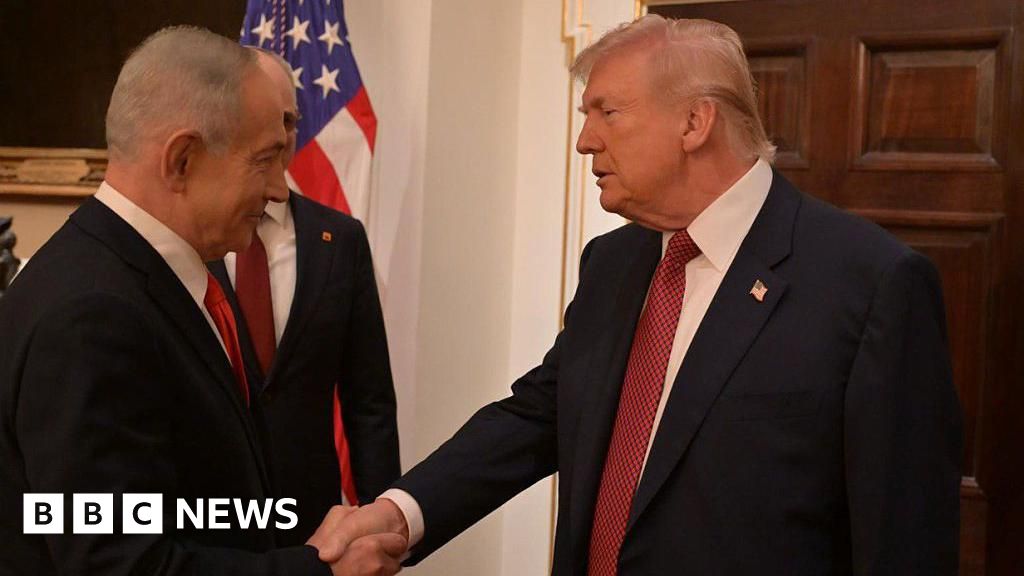
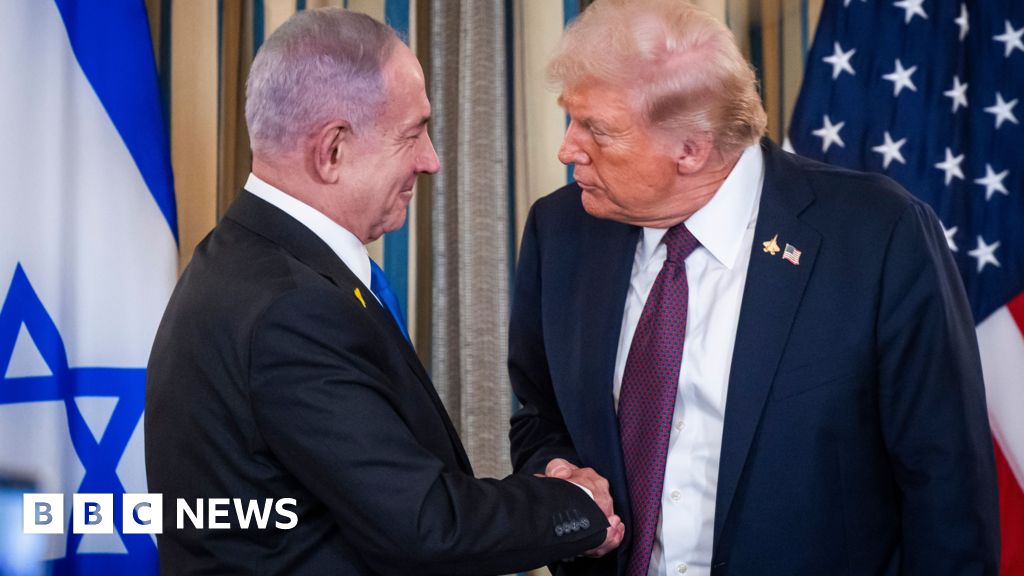
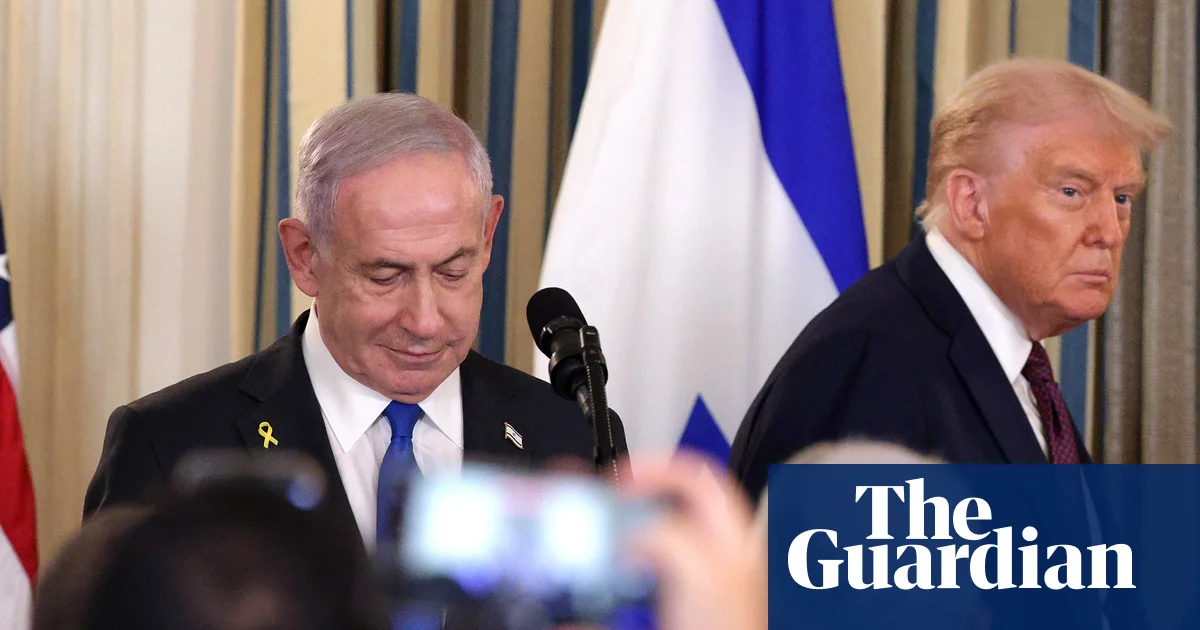
In a striking display of international power dynamics, President Donald Trump alongside Israeli Prime Minister Benjamin Netanyahu recently unveiled a controversial 20-point peace plan targeting the Gaza conflict. This strategic overture, announced amidst a diplomatic backdrop of flags and guarded optimism, signals a significant moment for U.S. foreign policy and Israel’s security calculus. While the plan is portrayed as a “historic breakthrough,” critics and analysts alike question its legitimacy, especially given the conspicuous absence of formal consultation with Hamas. The militant group’s leadership remains largely out of the loop, with officials like Mahmoud Mardawi claiming they haven’t even received the proposal, raising allegations of a top-down approach driven more by regional power plays than genuine peace negotiations.

The blueprint calls for an immediate ceasefire, the exchange of hostages, a phased Israeli withdrawal from Gaza, and the disarmament of Hamas—a move that could shift the regional playing field. Trump’s inclusion of a “Board of Peace,” headed by himself and featuring figures like former UK Prime Minister Tony Blair, exemplifies an unprecedented push for international oversight, potentially sidelining existing Palestinian political structures. This has sparked fierce debate about how such a plan might reshape the geopolitical landscape—effectively replacing traditional Palestinian authority with a new governance model under Western oversight. Governments and observers warn that such a move risks inflaming tensions further, with many wary that it may deepen the divide between Palestinians and the broader Arab world, echoing historical warnings from scholars like Noam Chomsky on Western interventions.”

Meanwhile, Netanyahu’s firm stance on the situation underscores Israel’s unwavering desire for preemptive security. His ominous declaration that “Gaza will be demilitarized” and that Israel will “finish the job” if Hamas refuses peace terms demonstrates the Israeli leadership’s intent to reassert dominance over Gaza, regardless of international objections. The geopolitical impact of these words signals an intent to eliminate Hamas as a political entity, but it also risks igniting a broader regional conflict. This approach has implications beyond Gaza, influencing the stability of neighboring countries and potentially leading to a new level of Middle Eastern volatility that experts warn could engulf the broader region in flames. International organizations like the UN have already voiced concerns about humanitarian consequences, as Israel’s military operations have devastated Gaza’s infrastructure, exacerbating an already dire humanitarian crisis.

As history unfolds, the reintegration of Gaza into the regional and global fold remains uncertain. The absence of Hamas from the peace process raises questions about the future legitimacy of any agreement, and the potential for repeated cycles of violence persists. The shifting alliances, the high-stakes negotiations, and the threat of full-scale warfare cast a long shadow over the Middle East’s stability. With navies and tanks entrenched within Gaza’s ruins and diplomatic channels strained to breaking, the region teeters on a knife’s edge. The world watches as the epic saga of power, resistance, and diplomacy confronts its next chapter—an enduring reminder that history’s most pivotal moments often come not with clarity, but with the deafening weight of uncertainty.”

Social Media Auto Publish Powered By : XYZScripts.com