Matox News

Truth Over Trends, always!

Xiaomi 17 Ultra: Next-Level Features Make Photography Exciting for Young Creators

Xiaomi 17 Ultra: Redefining Smartphone Innovation and Disruption

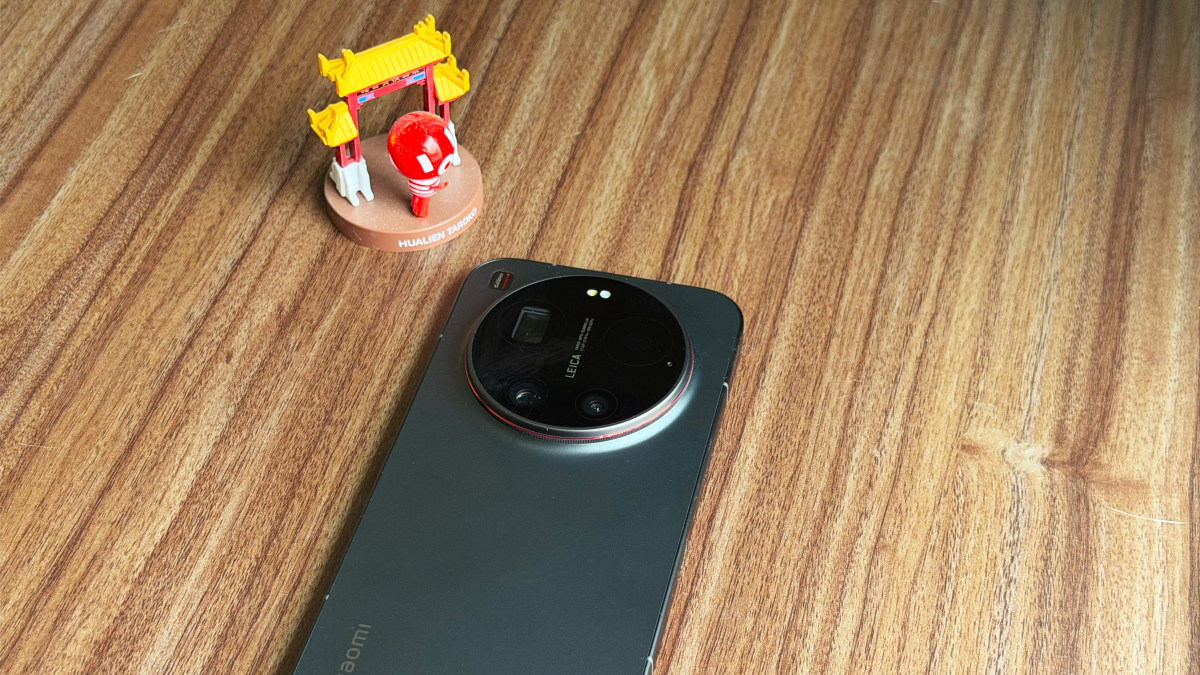
The global launch of the Xiaomi 17 Ultra marks a pivotal moment in mobile technology, exemplifying how disruption of traditional smartphone design and hardware standards can influence the industry’s trajectory. This device prominently features a substantial camera bump, housing an advanced sensor suite developed in partnership with Leica, signaling an industry-wide shift toward professional-grade photography integrated directly into flagship smartphones. Such innovation not only elevates user experience but also has profound business implications—challenging camera-dedicated device markets while setting new standards for integrated imaging solutions.

Beyond its pioneering camera design, the Xiaomi 17 Ultra is packed with top-tier hardware, including Qualcomm’s latest Snapdragon 8 Gen 5 processor, a 6.9-inch AMOLED display with a peak brightness of 3,500 nits, and a robust 6,000 mAh battery capable of lasting days under moderate use. These specifications underline Xiaomi’s commitment to maintaining disruption in performance metrics—in a market where power and display quality are often decisive factors—catapulting the device beyond mere imaging capabilities to a comprehensive flagship experience. Notably, the device supports fast charging with 90W wired power, enabling rapid recharges that synchronize with the consumer’s fast-paced lifestyle, a clear response to trend-shifting expectations for instant connectivity and minimal downtime.

Disruptive Innovation in Mobile Photography and Industry Implications

The Xiaomi 17 Ultra’s camera system epitomizes industry innovation, deploying a 50-megapixel ultrawide lens with macro capabilities, complemented by a cutting-edge ring for professional camera filters. Its imaging package extends further with a dedicated shutter button, customizable exposure controls, and a specialized “fastshot” mode available in both Kit Pro configurations, targeting better street and candid photography. This integrated professional-grade kit effectively disrupts conventional perceptions that such power can only be achieved through bulky, dedicated camera equipment, pushing hardware and software convergence to new levels. The disruption isn’t just aesthetic; it has direct business impacts, compelling competitors like Vivo and Oppo to innovate along similar lines, as Xiaomi’s early market entry and premium positioning could reset consumer expectations and industry standards for flagship phones.

  • Leica’s partnership elevates Xiaomi’s photography credentials, fostering a premium brand association
  • High-end features with a price starting at €1,499 showcase a premium disruptive approach targeting tech enthusiasts and professionals
  • The accompanying Photography Kit Pro expands the device’s hardware ecosystem, emphasizing the business shift toward modular, customizable photo solutions
  • Emerging market competition remains fierce; flagship phones from competitors will need to match or surpass Xiaomi’s integrated professional tools

Market analysts from Gartner and MIT’s Media Lab have underscored that such innovation doesn’t just elevate Xiaomi’s portfolio but signals a larger industry trend towards converging professional camera tech into everyday devices. This creates a ripple effect—prompting traditional camera manufacturers to innovate or risk obsolescence, while smartphone producers race to embed more sophisticated sensors and functionalities.

Looking forward, the Xiaomi 17 Ultra’s aggressive push into professional-grade mobile photography demonstrates that the industry is entering an era where disruptive innovation isn’t just about raw hardware specs but about redefining how consumers engage with mobile and imaging technology. With upcoming competitors like the Vivo X300 Ultra and the Oppo Find X9 preparing their own photography-centered flagships, Xiaomi’s early momentum might position it as a benchmark for the next-gen smartphone. Yet, the industry’s pace indicates that urgency is essential—disruption is relentless, and the future belongs to those who innovate faster and smarter.

Tide’s Evo Tiles: The Next-Level, Overengineered Spin on the Classic Pod

In an industry historically characterized by mundane chores and incremental improvements, procter & gamble’s Tide is spearheading a disruptive innovation that promises to redefine the future of laundry. With over a decade of meticulous research and development, the company has unveiled Tide Evo Tiles, an advanced single-use detergent technology designed to enhance user convenience, improve ecological impact, and bolster competitive positioning in the bustling $100 billion global laundry market. This breakthrough signals a pivotal shift in how consumers and businesses approach cleaning routines, echoing trends in smart packaging, sustainability, and engineering innovation.

What sets Tide Evo Tiles apart is their groundbreaking engineering, blending sleek design with powerful cleaning technology. Unlike traditional liquids or pods, these dry, fibery tiles dissolve effortlessly in cold water, delivering a robust high pH clean adaptable to various load sizes. According to Tide’s senior director of R&D, Marcello Puddu, “This is really a feat of engineering,” highlighting the complex formulation work involved in creating a user-friendly, eco-conscious product that simplifies laundry routines while maintaining cleaning efficacy. Industry experts like Gartner and MIT researchers emphasize that such innovations exemplify the ongoing trend of disruptive packaging and functional design, positioning Tide as a leader in this transformation.

From a business perspective, the emergence of Tide Evo Tiles exemplifies how established firms can leverage innovation to redefine market standards. Priced between $5 and $20 per box depending on retailer, with roughly 50 cents per tile, the product balances affordability with premium appeal. Its ease of deployment—just a single tile for regular loads—addresses the needs of a broad demographic, including individuals with limited motor skills. Moreover, this product endorses a strategic shift toward eco-friendly, lightweight solutions that reduce plastic waste and energy consumption, aligning with modern consumer values and regulatory pressures for sustainability.

Looking ahead, the rollout of Tide Evo Tiles signals more than just incremental product improvement—it signifies a broader industry wave of innovation driven by heightened consumer demands and technological advances. As companies like Procter & Gamble and competitors invest in novel delivery systems that combine engineering mastery with environmental responsibility, the laundry sector is poised for unprecedented disruption. Forward-thinking entrepreneurs and tech giants alike must scrutinize this evolving landscape, where innovation and ecological considerations are no longer optional but essential for market relevance. The future belongs to entities capable of harnessing smart packaging, sustainable materials, and engineered formulas—a race that will determine the leaders of tomorrow’s cleaning industry.

COROS NOMAD Unleashes Next-Level Navigation with Offline Maps — The Ultimate Watch for Trendsetting Adventurers

In a world increasingly obsessed with exploring the outdoors and embracing an active lifestyle, the COROS NOMAD is emerging as a symbol of how technology is reshaping our engagement with nature. This innovative smartwatch isn’t just a device for telling time—it’s a game-changer in outdoor navigation. Its lightweight design, combined with the powerful integration of full offline mapping, has caught the attention of trend-savvy consumers and outdoor enthusiasts alike, signaling a shift in how society perceives adventure and self-sufficiency.

What makes the NOMAD stand out is its ability to provide **detailed navigational information without reliance on cellular networks**. Unlike conventional smartwatches that depend on connected devices or Wi-Fi, this watch operates independently, giving users the confidence to venture into remote wilderness areas. This feature has catapulted it into the cultural lexicon as a symbol of independence and resilience. Influencer explorers, such as renowned outdoor adventurer Jessica Green, have leveraged the device for their expeditions, showcasing the blend of rugged utility with modern tech. Sociologists highlight that this meld of nature and innovation reflects a broader societal desire to reclaim agency over our environment, especially in a digital age which often feels overly connected and over-controlled.

The social relevance of this trend extends beyond outdoor recreation. It taps into a collective longing for authenticity, adventure, and self-reliance—values that resonate strongly among the youth. As urban environments become more saturated, the aspirational pull of raw, unfiltered nature is fueling a cultural shift, with consumers seeking gear that underscores this lifestyle. This isn’t merely about having the latest gadget; it’s about _how_ that gadget symbolizes a larger narrative of independence and self-empowerment. Top trend reports note that brands like Coros are not just selling a product but propagating a cultural movement—one that embraces active, minimalist, yet tech-savvy lifestyles.

  • The integration of detailed offline maps into wearable tech
  • The rise of adventure-driven social media content
  • The growing influence of outdoor lifestyle influencers
  • The redefinition of rugged masculinity and femininity in modern society
  • The shift towards sustainable and self-sufficient outdoor gear

As analysts suggest, this trend mirrors shifts in societal attitudes—moving away from dependency on technological infrastructure and toward fostering personal resilience. The NOMAD, with its sleek design and comprehensive offline capabilities, exemplifies how product innovation can serve as a cultural catalyst. It’s effectively transforming the outdoor experience into a statement of individual grit, appealing especially to a generation that values authenticity and self-determination. This empowerment theme echoes broader societal debates on independence, technology, and the reimagining of adventure in the 21st century.

However, as the popularity of such devices soars, a provocative question emerges: _Could this embrace of individual survival technology mark a larger societal pivot away from centralized systems altogether?_ The next big challenge may involve how these gadgets influence our collective understanding of community, safety, and reliance on infrastructure. If more young explorers begin to trust their own navigation skills over traditional tools, what does this mean for the future of outdoor recreation and our social fabric? As the boundaries between technology and society continue to blur, viewers are left pondering whether this trend is merely a passing fascination or the dawn of a new era of resilient, tech-powered individualism.

Social Media Auto Publish Powered By : XYZScripts.com



