Matox News

Truth Over Trends, always!

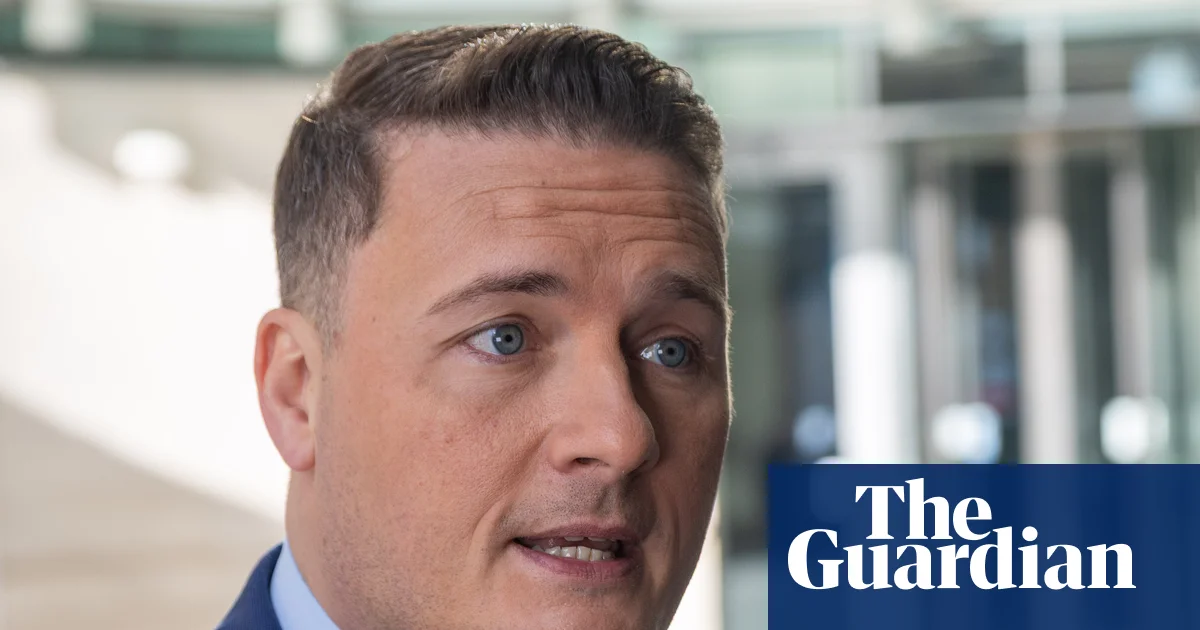
Resident doctors reject Wes Streeting’s last-minute deal; strike to proceed—urgent action needed for NHS future

Societal Strain and the Future of Our Medical Workforce

The ongoing dispute between resident doctors and the NHS highlights a critical challenge facing British society: the strain on healthcare institutions and the families they serve. As the long-standing conflict escalates, the imminent five-day strike threatens to leave vulnerable patients without essential care, underscoring how social issues ripple into families’ wellbeing. The core of the problem lies in how society values and compensates essential workers. The controversy surrounding the offer made by Health Secretary Wes Streeting reflects a deeper societal debate about fairness, career progression, and the moral obligation to ensure adequate healthcare for all.

Despite Streeting’s attempt to tamper down tensions with a renewed offer—doubling the number of new training places and covering examination fees—the discontent persists among resident doctors. The lingering discontent is rooted in a broader cultural shift where many young professionals feel undervalued and overburdened, resulting in a crisis of morale and recruitment. Influenced by sociologists like Richard Sennett, who warns that **a society that undervalues its workers risks societal decline**, the situation reveals a conflict between economic constraints and the moral duty to maintain a robust, compassionate healthcare system.

This social tension extends beyond individual careers, affecting families and communities. Young families rely on a functioning health system, yet they are increasingly faced with the reality that accessible and timely care may become a luxury rather than a given. The key challenge, reflected in the rejection of Streeting’s limited offer, is that **too many aspiring doctors still face barriers that hinder professional advancement**. The statistics speak volumes: with 30,000 applicants vying for only 10,000 training positions annually, the system’s *disconnect from societal needs* is glaring. Historians note that such disparities threaten to erode the social fabric, as frustration grows among the youth who see their future opportunities diminishing.

Real change depends on addressing the root causes of social inequality. As Dr. Jack Fletcher, chair of the Resident Doctors Committee, emphasizes, delivering a multi-year, comprehensive pay deal that restores the value of salaries lost since 2006 is essential. Without this, the cycle of disillusionment, strikes, and staffing shortages will persist, further impacting families, educators, and entire communities. The challenge lies in balancing the nation’s finite resources with the moral imperative to support those who care for society’s most vulnerable. As society stands at this crossroads, it must reflect on a fundamental question—how much are we willing to invest in our future, embodied by the health and education of our youth? The answer will shape the society we nurture for generations to come, determining whether we emerge stronger or risk society’s moral and social decline.
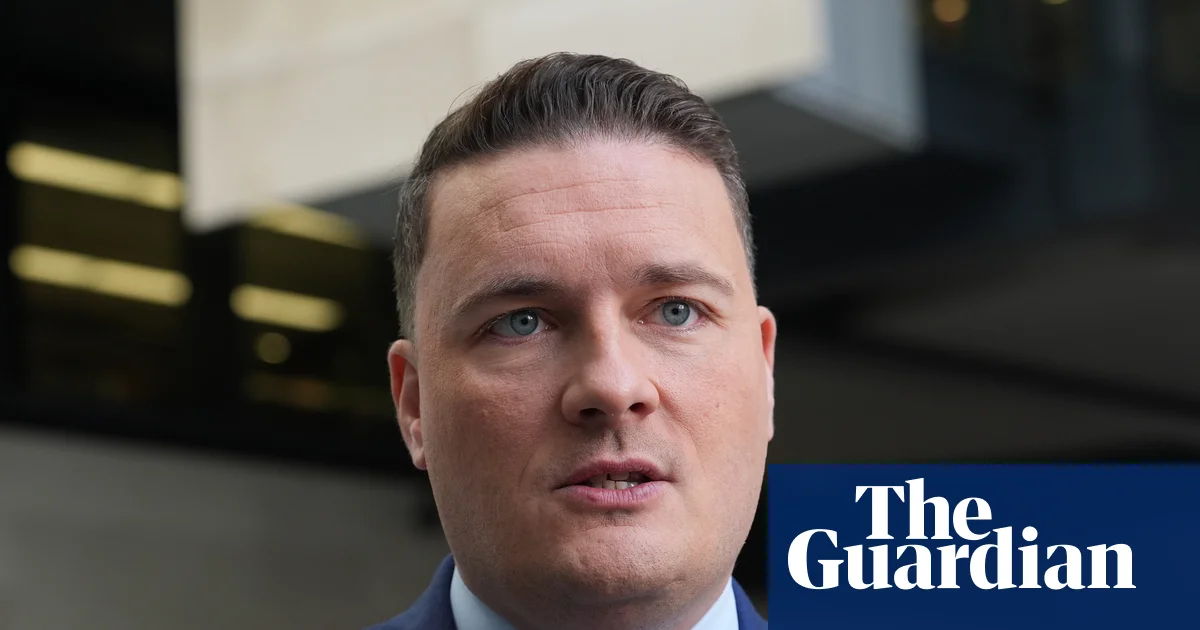

NHS staff battle rising racism reminiscent of the 70s and 80s, warns Wes Streeting

Resurgence of Racism and Its Impact on Society

In recent times, Britain faces a troubling resurgence of racial hostility reminiscent of the 1970s and 1980s. This unsettling trend, characterized by verbal and physical abuse, is not confined to isolated incidents but has seeped into the very fabric of society, affecting families, education, and community cohesion. As sociologists like David Goodhart warn, such demographic shifts and political rhetoric have emboldened prejudiced sentiments that threaten to erode the social fabric that binds us. Teachers, healthcare workers, and ordinary citizens alike are now witnessing a disturbing normalization of such ugly racial discrimination. This social regression not only fosters division but also undermines the moral fabric of the nation, leaving vulnerable communities feeling increasingly alienated and unprotected.

The NHS as a Microcosm of Broader Society

The NHS, often viewed as a cornerstone of British society, now faces a surge in racist incidents that stand as a stark mirror of wider societal tensions. According to prominent social commentators and reports from the Royal College of Nursing, the increasing frequency of abuse directed at healthcare staff—especially nurses and doctors—reflects a broader decline in social civility grounded in prejudiced attitudes. NHS staff, representing a remarkably diverse workforce, are confronting harassment that not only impacts their well-being but also poses risks to families and communities relying on essential healthcare services. The situation is compounded by political rhetoric that often fuels anti-migrant sentiments, emboldening racialized hostility. Historian Heather MacDonald warns that when prejudice becomes normalized in institutions, the societal consequences ripple outward, tearing at the shared social fabric that binds our communities and impacting the generations of families who depend on fairness and dignity in public services.

Strain on Healthcare and Its Consequences

  • Multiple hospitals in England are experiencing unprecedented demand, leading to ‘critical incident’ declarations, especially in Bristol and Weston-super-Mare.
  • Record numbers of patients now face dangerously long waits, with some aged 90 and above waiting over 12 hours in A&E—an ordeal that risks deterioration of health and increased mortality.
  • The approaching winter, coupled with a ‘triple whammy’ of flu, Covid, and industrial action, threatens to overwhelm already strained NHS resources, risking harm to vulnerable populations and family units.
  • Resident doctors plan to strike in protest of pay disparities, risking further disruption of care, which is already compromised by staff shortages and surging demands.

Addressing these challenges requires a recognition that _social cohesion and respect for public institutions are vital_ to overcoming such crises. Sociologist Dr. John Macionis emphasizes that societal resilience depends on fostering empathy and accountability. In validating the struggles of NHS staff and confronting the prejudices underlying aggressive behaviors, society must reaffirm its commitment to fairness, respect, and the collective well-being of families and communities.

A Path Forward: Embracing Society’s Moral Heart

In the face of social tensions and institutional stress, Britain stands at a crossroads. The troubling rise of racism and the ongoing strain on healthcare threaten to fracture the social unity that has historically sustained the nation. Yet, society also bears the moral imperative and the collective strength to forge a more inclusive, resilient future. As social commentators like Phillips and sociologist Putnam suggest, revitalizing community ties and promoting narratives of shared responsibility can heal societal wounds. Healing begins with recognizing the dignity of every individual, supporting institutions that serve as pillars of social justice, and fostering a culture where respect and unity are not just ideals but lived realities. Our societal challenges are formidable, but the hope of transformation remains—a testament to society’s enduring capacity for renewal and moral awakening, if only we choose to uphold the values that make us truly human.

NHS facilities staff to strike over pay discrimination—stand up for fairness and equality

Social Justice or Systemic Disparity? The Struggle of NHS Facilities Workers and Society’s Broader Reflection

In the midst of Britain’s sprawling National Health Service (NHS), a quiet but potent crisis is unfolding among the least visible yet most vital members of healthcare institutions: facilities staff. Comprising mainly cleaners, porters, and catering workers, these individuals are predominantly from minoritised communities. Recent reports from United Voices of the World (UVW) reveal that over 330 of these low-paid workers, employed by the St George’s, Epsom, and St Helier hospital group, are on the brink of striking, citing decades of wage stagnation, pension shortfalls, and systemic exclusion.

At the core of this social upheaval lies a stark disparity: these essential workers have reportedly been denied the benefits afforded to their higher-paid NHS counterparts, with pension contributions as low as 3% compared to the 23.7% of other staff. Such differential treatment underscores a broader issue of institutional racism and economic injustice within one of the nation’s most revered societal institutions. The figures tell a compelling story: over four years, these workers have lost more than £36 million in wages and pension entitlements—an economic blow that affects their families’ stability and their community’s resilience. For many, this wage gap translates into everyday hardship, where workers, often working unsociable hours, grapple with late bills and mounting debt, and sometimes resort to coming to work ill because sick pay is inaccessible.

This scenario echoes socialist sociologist Stuart Hall’s reflections on the cultural and economic marginalization of minoritized groups, illustrating how structural inequalities perpetuate cycles of inequality. The return of outsourced jobs in earlier years, coupled with recent efforts to reclaim these positions in-house under more favorable contracts, demonstrates an ongoing battle for fair treatment. Yet, despite such strides, the gap persists, highlighting the systemic failure to integrate these workers into the NHS’s core pay and conditions framework. The tensions expose a social fabric strained by injustice—a fabric that, if left unaddressed, risks pulling apart entirely.

The ongoing negotiations have far-reaching effects. When workers are kept outside the Agenda for Change, the very foundation of equitable pay and working conditions crumbles, impacting families, education prospects, and community stability. A survey by UVW revealed that a majority of these workers face sick leave cuts, with nearly a quarter falling into debt to make ends meet—an indelible mark on their ability to provide a stable environment for their children, forge careers, and contribute meaningfully to society. The moral question remains: should a nation as affluent as Britain tolerate such disparities within its most sacred institutions?

As social commentators like Dr. Nigel Lake warn, these disparities are not merely about wages—they are about societal values and the moral fabric of a nation. Legitimate efforts are underway to rectify these imbalances, with hospital authorities acknowledging some fault and advocating for fairer treatment. Yet, the challenge remains: how to ensure that the pursuit of fairness is not just rhetoric but becomes an enduring reality for the most vulnerable?

In the end, society faces a choice: continue to overlook the social fractures caused by embedded inequality, or confront them head-on, pitting the moral obligation of justice against the complacency of systemic neglect. These workers, driven by necessity and dignity, stand as a testament to the resilience of those on society’s margins—reminding us that true societal progress isn’t measured solely by economic growth but by the capacity to uplift and include every member of the community. In their struggle, perhaps society can glimpse the potential for genuine transformation—a fragile yet unwavering hope that echoes in the corridors of every hospital where the true health of a nation is ultimately measured not by its wealth, but by its capacity for justice and compassion.

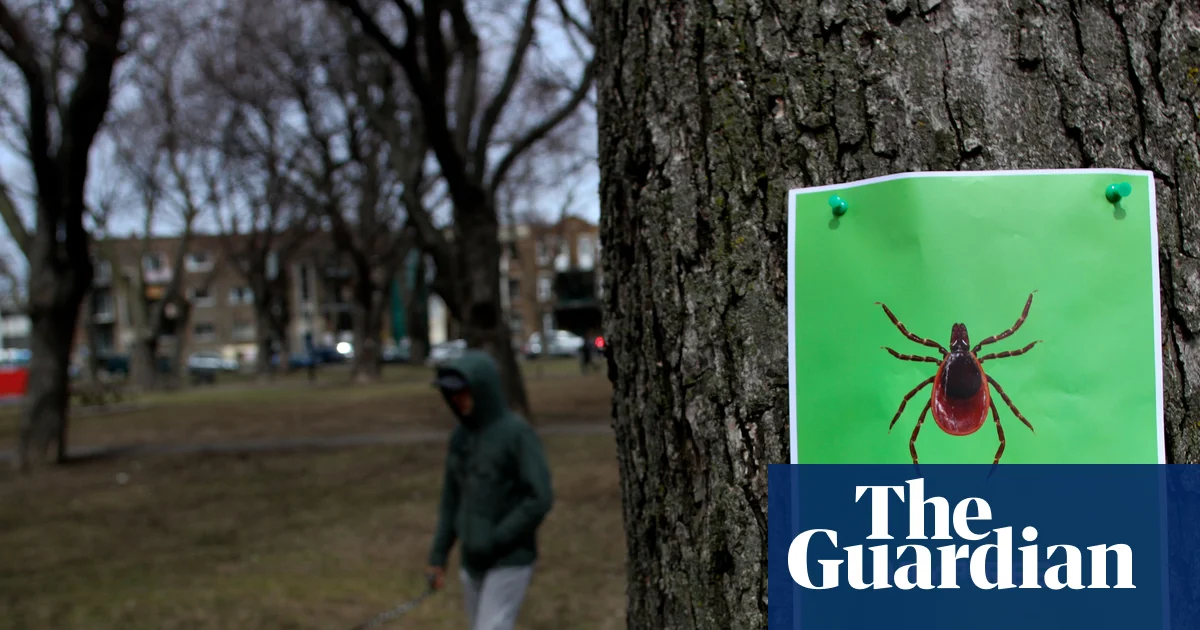
NHS Falls Short on Chronic Fatigue and Lyme Disease Care for Our Youth

Modern society is grappling with a complex web of social issues that extend far beyond individual ailments, affecting the very fabric of families, education, and community life. Recent stories, such as that of fourteen-year-old Milly, highlight how medical system failures and misunderstood health conditions create ripple effects through households, undermining trust and resilience. Milly’s ongoing battle with chronic fatigue syndrome, later diagnosed as Lyme disease, exemplifies the urgent need for a comprehensive and nuanced approach to health. Her father, Patrick Barkham, reflects a sense of guilt intertwined with disappointment in the NHS, which, despite advances, still falls short in effectively diagnosing and managing complex, often invisible, illnesses.

Researchers and social commentators warn that medical gaslighting and ineffective treatments disproportionately harm vulnerable communities and undermine societal trust. For conditions like ME/CFS and post-viral syndromes, official guidelines have shifted away from harmful approaches such as graded exercise therapy, after evidence revealed that such methods often exacerbate patient suffering. Instead, knowledge-based, mind-body interventions—that regard the interaction between thoughts, feelings, and biological responses—offer a more humane and effective path forward. Yet, the lack of awareness and proper implementation leaves many patients feeling misunderstood, isolated, and stigmatized. As historian and social critic Dr. Maria Pedersen notes, these systemic failings threaten the psychological well-being of families and the cohesion of our communities.

Beyond individual health crises, the intersection of societal neglect and environmental degradation plays a pivotal role in the emergence of tropical diseases and insect-borne illnesses. Diseases like Lyme, West Nile virus, and chikungunya have historically been ignored by mainstream medical research, despite their devastating impact. Allison DeVries, an environmental advocate, emphasizes that biodiversity and ecological health are intertwined with human health. As our landscapes change and biodiversity declines, the risk of zoonoses and vector-borne diseases increases, threatening families and communities living on the frontlines of these shifts. The challenge lies in balancing technological advancement with ecological preservation—an issue that sociologists and environmentalists alike argue must be at the core of future policies.

Addressing these intertwined social and health issues requires a societal overhaul—investments in education, healthcare equity, and environmental stewardship. Advocates propose a multi-faceted strategy: strengthening local healthcare systems, fostering community awareness about emerging health threats, and integrating environmental practices that sustain biodiversity. For families torn apart by illness and social uncertainty, these solutions could restore faith in societal institutions and promote resilience. Sociologist Mark Granovetter’s theory of social networks underscores a vital point: community cohesion and trust are essential buffers against social fragmentation. Building that sense of shared responsibility and hope may be society’s most profound challenge—and its greatest opportunity.

Ultimately, society must confront its deepest vulnerabilities with the resolve of those who refuse to accept a world defined by neglect and fragmentation. Milly’s story reminds us that beneath the statistics lie human lives—fragile, seeking understanding and compassion. The society we forge from these lessons has the potential to become a resilient tapestry, woven with empathy, knowledge, and environmental care. Perhaps, in acknowledging our collective shortcomings, we open pathways to healing—not just for individuals like Milly, but for the society as a whole, ensuring future generations inherit a world where health, trust, and community are restored—and where hope perseveres amidst the shadows of social change.

Social Media Auto Publish Powered By : XYZScripts.com