Matox News

Truth Over Trends, always!

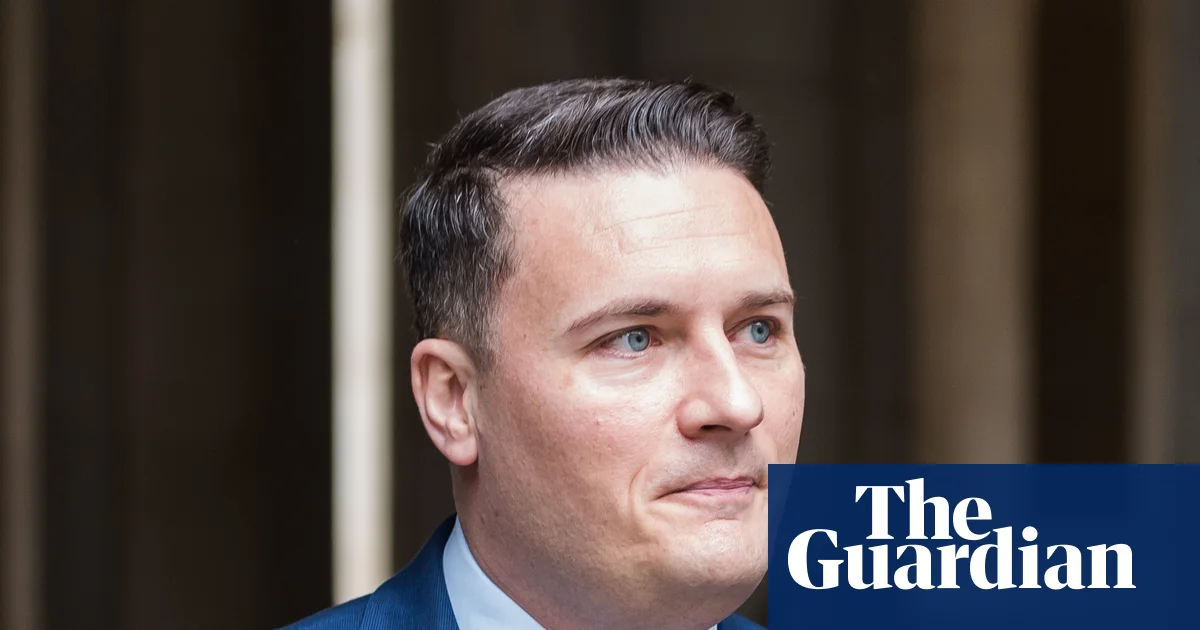
Streeting warns: Rising populist votes could threaten NHS stability in May elections

As society navigates an era of profound **demographic shifts** and **cultural tensions**, the resilience of families and local communities faces mounting challenges amid political tumult. Recent discussions in UK politics have spotlighted a dangerous trend: the destabilization of essential **social institutions**, particularly the NHS, which has long served as the moral backbone of Britain’s social fabric. Voters, especially the youth, are now urged to consider the broader consequences of their choices—choices that threaten the very principles that have sustained generations of families through crises and upheavals.

At the heart of this debate stands a grim warning from health care leaders and social commentators: the rise of populist parties like Reform UK and Plaid Cymru presents a tangible risk to the fundamental promise of the NHS—free, universal healthcare rooted in solidaristic values. This political shift, driven by **demographic changes** and a desire for quick fixes, risks undermining decades of progress. Sociologists warn that when societal trust in **public institutions** erodes, families suffer the most—facing longer waits, diminished access to quality care, and a sense of abandonment. Such developments threaten to fragment communities, widening disparities and creating social rifts that echo through generations.

The tension is not limited to England or Wales; it reflects a broader **cultural shift** affecting the moral fabric of the nation. History shows, as documented by social scholars like Eric Hobsbawm, that when **social solidarity** is weakened, families become less resilient, and communities lose their sense of shared purpose. Instead of investing in social infrastructure, current political discourse often champions privatization and reduction of public services, positing short-term fiscal gains over long-term societal health. The resurgence of nationalist sentiments further exacerbates these issues, as communities fracture along **identity lines**, undermining the common bond that once united diverse groups in pursuit of a collective well-being.

  • Data indicates that the **NHS** is weakening, with waiting lists and service shortfalls affecting families’ ability to access timely healthcare.
  • Political promises of **tax relief** and reform threaten to erode the funding and morale necessary to sustain **public healthcare** systems.
  • Increased **social tensions** stem from inequalities exacerbated by policy shifts and demographic changes, impacting community cohesion and youth prospects.

In this landscape of uncertainty, the role of **families** and **educational communities** becomes more vital than ever. They serve as the bedrock of societal resilience, fostering **values of responsibility, solidarity, and hope**. Social commentators argue that safeguarding these institutions necessitates a collective effort—one rooted in understanding the moral importance of protecting **public services** not merely as policy but as a moral imperative. For youth, this means recognizing their stake in a society that provides opportunity, dignity, and fairness across generations. As sociologist Anthony Giddens posited, social change hinges on “the capacity of communities to adapt and renew their moral commitments,” especially amid thefires of political upheaval.

Ultimately, society stands at a crossroads: will it uphold the foundational aims of **solidarity and shared responsibility**, or allow the forces of short-term populism to unravel the social fabric? This question echoes in the quiet moments of family life and in the collective consciousness of communities striving for a better future. As society faces these persistent challenges, the hope remains that through deliberate effort and a reaffirmed sense of shared purpose, communities can emerge stronger—united in their commitment to **restoring the moral integrity** of their social institutions. A society that recognizes its flaws and takes collective action to heal itself may yet forge a future where families thrive, communities flourish, and the core values of justice and solidarity endure through generations.

NHS Ignored Kent Meningitis Threat for Two Days, Report Reveals

The recent meningitis outbreak in East Kent has once again illuminated the essential role of swift governmental response in safeguarding public health. Initially detected at the Queen Elizabeth the Queen Mother Hospital in Margate, the outbreak served as a stark reminder of the dangers posed by delays in incident reporting. Despite the hospital’s internal recognition of the risks, their decision to wait for a confirmed diagnosis before alerting UKHSA potentially hampered timely intervention. According to Dr. Des Holden, acting chief executive of East Kent Hospitals NHS Trust, officials could have acted sooner, exemplifying a common pitfall within bureaucratic health responses that often prioritize confirmation over immediacy. This hesitation, critics argue, underscores how delays in notifying international health agencies can slow down crucial preventative measures, such as the administration of antibiotics to close contacts or the deployment of targeted vaccination campaigns.

Most concerning is the tragic loss of life—two students, including Juliette Kenny, an 18-year-old described by her family as “fit, healthy, and strong,” fell victim to the disease. The outbreak peaked on 13 March, with 29 cases initially reported. As of recent reports, confirmed cases have decreased slightly to 23, yet the underlying threat remains. International institutions, such as WHO, often emphasize the importance of early detection and rapid response—mandates that local health authorities failed to fully implement during this crisis. The delays highlight a classic case study of how bureaucratic inertia and communication gaps can turn localized health issues into broader crises, especially in densely populated university environments where close contact accelerates transmission. Such events spark widespread debate among health analysts and historians, who warn that, without systemic reform, similar outbreaks could become a recurring threat amid ongoing global health challenges.

In the geopolitical context, the outbreak in Kent showcases the vulnerabilities of national health security in a world increasingly interconnected by travel and migration. Britain‘s response, including the rapid vaccination campaign starting on March 18 and the distribution of over 10,000 vaccines, underscores a critical lesson: preparedness and swift action remain paramount in containing infectious diseases. Yet, critics argue that the initial response was sluggish, exposing cracks in the UK’s public health infrastructure that could be exploited by both natural outbreaks and biological threats. Analysts suggest that these safety gaps weaken the overall resilience of nations and allow geopolitical rivals to exploit perceived weaknesses. Furthermore, the moral dilemma faced by health authorities—balancing process with urgency—reflects broader challenges faced by governments tasked with protecting their citizens amidst unprecedented health crises.

As the global community watches, the Kent meningitis outbreak acts as a stark reminder that history’s lessons remain ever-present: early detection, decisive action, and transparency are not just administrative ideals but vital components of national security. The cost of delay, exemplified by the loss of youthful lives, echoes through the corridors of history, warning future administrations that the true measure of a nation’s strength lies not just in its military might or economic power but in its capacity to safeguard the health and vitality of its people. The unfolding story in Kent is a chapter yet to be fully written—a testament to how urgent decisions, or the lack thereof, shape the course of history and define the resilience of societies under threat.

Public back on side: NHS satisfaction rises for first time since 2019

In recent times, Britain’s NHS has experienced a fragile resurgence, a glimmer of hope amid ongoing social struggles. According to the latest British Social Attitudes survey, public satisfaction with the healthcare system has seen a rare uptick—rising from a low of 21% in 2022 to 26%. This small but meaningful increase signals a society still grappling with deep-seated frustrations rooted in long waits, inaccessible services, and systemic inequalities that affect families, communities, and the very fabric of social cohesion. Despite this slight progress, the numbers reveal a harsh reality: over half of the population remains dissatisfied, with critical issues such as emergency care, dental services, and GP access continuing to ignite public anger.

This ongoing dissatisfaction echoes the insights of social commentators and historians who emphasize the societal costs of a failing healthcare infrastructure. Sociologists like Charles Murray and contemporary health experts warn that waiting times and accessibility are not mere administrative problems—they strike at the core of community stability. When families face the trauma of delayed care, children’s futures are compromised, and the social order erodes. The challenge is not only about providing medical treatment but restoring faith in a system designed to support the most vulnerable. Crucially, these issues extend beyond individual health; they ripple through families, schools, and workplaces, fostering a sense of societal decline that undermines national resilience.

Furthermore, social disparities are amplified by the persistent backlog and accessibility issues that continue to define the NHS experience. The survey indicates that only 22% of respondents are satisfied with A&E services and dentistry, and just 36% with general practitioner care. Such figures are more than statistics—they reflect a society where trust in public institutions is fraying, and where the moral and ethical implications of unequal access threaten social harmony. Public figures like Mark Dayan have voiced concerns that these numbers are “worse than in the 90s,” exposing the deep-rooted structural challenges that demand urgent attention. Yet, beneath the pessimism lies a collective hope—an acknowledgment that despite setbacks, incremental reforms and targeted improvements can restore a sense of hope and health for the nation’s families and communities.

Drawing from the insights of social critics and policy makers, many argue that investment, modernization, and strategic reforms are necessary to turn the tide. The government’s plan to overhaul five underperforming NHS trusts—by replacing leadership and merging failing organizations—is a step in this direction. Nevertheless, experts warn that recovery must encompass broader social reforms, including tackling inequality, improving social care, and ensuring equitable access across all demographics. This holistic approach, rooted in moral responsibility and ethical duty, aims to reconnect people with their healthcare system—restoring trust, empowering families, and fostering resilient communities. Only through such comprehensive efforts can Britain hope to reconcile the social wounds inflicted by years of neglect and mismanagement.

As society stands at this crossroads, the enduring question remains: can the collective will of a fractured nation rise above its divisions to forge a healthier, more equitable future? Perhaps, amid the shadowed corridors of hospitals and waiting rooms, there lies a quiet resilience—a moral longing to rebuild not just a healthcare system, but the very core of social trust. In this shared struggle, society’s true strength will be tested—not just in policies or budgets, but in the moral courage to envision and create a future where everyone, regardless of background, can access the care they need. For in healing the healthcare system, society as a whole may find a pathway to healing itself.

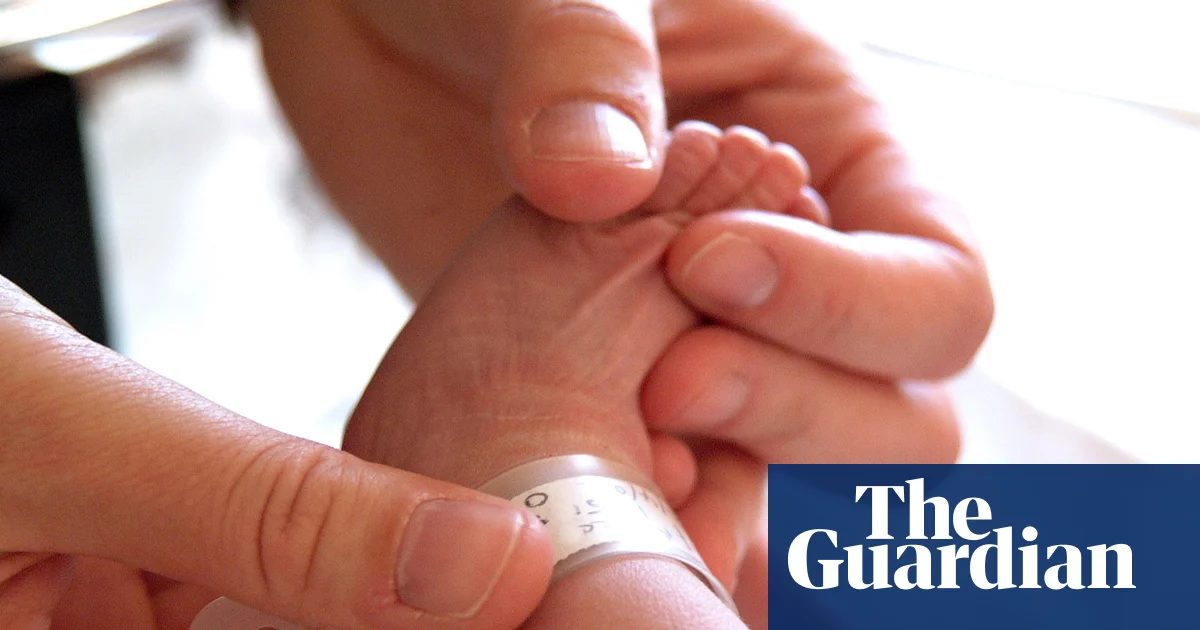
NHS faces increased costs after court ruling over childbirth negligence lawsuits

The Shift in Justice: How Legal Changes Reflect Society’s Moral Reckoning

In recent months, a landmark judicial decision by the UK Supreme Court has sent ripples through the fabric of families, communities, and public health systems. The court’s ruling, which allows children who suffer catastrophic injuries at birth to claim damages for future earnings, marks a profound cultural shift—away from the traditional legal stance that limited such claims—highlighting society’s evolving criteria for justice and moral accountability. The implications of this decision reflect not only a legal milestone but also expose the underlying societal tensions around #healthcare responsibility and social justice.

Lives Changed, Justice Redefined

This ruling comes at a time when the NHS faces escalating financial strains, with liabilities soaring to over £60 billion largely due to medical negligence during childbirth. Families like that of a girl known as CCC, who endured irreversible brain damage due to medical errors, embody the human cost behind the mounting figures. Her family secured a substantial settlement in 2015 but were denied compensation for lost years, a gap now addressed by the recent legal decision. Sociologists like Anthony Giddens might say that this judicial shift signifies a societal move towards recognizing the moral obligation to uphold the rights of vulnerable children—an acknowledgment that justice for the injured extends beyond immediate damages to encompass their entire life trajectory.

Social Challenges and Communities at Crossroads

  • Education and Family: The ruling underscores the importance of education for families about legal rights and healthcare responsibilities, highlighting the need for societal support systems to adapt in tandem with legal reforms. It presents a challenge: how can communities ensure that families, especially those in vulnerable demographics, are equipped with the resources and knowledge to navigate these complex issues?
  • Health System and Policy: The NHS’s increasing liabilities raise questions about preventative care and systemic reform. Social commentators argue that better investment in prenatal care, staff training, and accountability mechanisms could reduce incidents of negligence. The debate now centers on whether policy can keep pace with societal expectations of justice, or if systemic failures will continue to scar generations.
  • Broader Societal Impact: The societal moral fabric is tested as the line between public responsibility and individual rights becomes clearer. This legal evolution could set precedents affecting future cases, ultimately challenging the notion of collective social justice versus institutional liabilities.

As social thinkers like Hannah Arendt have noted, a society’s moral character is defined by how it cares for its most vulnerable. This decision prompts a reflection on whether justice truly operates as a societal equalizer or if it exacerbates disparities in access and awareness.

Reflections on Society’s Journey

The recent landmark ruling embodies a society on the cusp—struggling to reconcile the moral imperatives of compassion with the realities of systemic failure. Beneath the legal language lies a poignant reminder that every societal law is rooted in moral choices. The hope remains that through ongoing dialogue and reform, communities can forge a future where justice no longer leaves behind those most in need, advocating for families damaged by preventable tragedy and reaffirming societal values of accountability, compassion, and resilience. Society’s greatest challenge is transforming this legal milestone into a catalyst for meaningful social change, fostering a community where learning from past errors leads us toward a more just and humane future—a future where society, like a caring parent, must hold itself accountable for every child’s right to a fair start.

Campaign pushes NHS to better diagnose deadly childbirth condition for safer pregnancies

Addressing the Glaring Gaps in Maternity Care: A Wake-Up Call for Society

In recent times, stories like that of Amisha Adhia have brought to light a troubling reality: despite advancements in medical technology and awareness, the failure of NHS hospitals to diagnose critical pregnancy complications remains a significant societal concern. Adhia’s experience underscores how systemic negligence and the undervaluation of specialist roles can jeopardize not just individual lives but the fabric of families and communities. Her campaign, Action for Accreta, aims to urge the NHS to improve detection and treatment for placenta accreta spectrum (PAS), a condition that, if overlooked, can lead to catastrophic outcomes like severe hemorrhaging or death.

Social commentators and sociologists have long analyzed how demographic shifts—particularly the rise in cesarean sections and IVF treatments—are impacting maternal health. Historian and social critic Dr. Jane Marshall points out that increased medical intervention, while lifesaving in many cases, also results in unintended consequences. As the rate of C-sections in England surpasses vaginal births, the risk profile for conditions like PAS inevitably grows. These demographic changes challenge new parents and extended families, transforming childbirth from a natural process into a complex medical event that necessitates specialized knowledge and community support.

The impact on families is profound. When pregnancies involve overlooked risks, families face not just the trauma of possible loss but the emotional toll of feeling unheard or dismissed by medical institutions they trusted. After her distressing experience, Amisha Adhia’s story has sparked conversations about the importance of early diagnosis and proper care pathways. The absence of comprehensive data on PAS prevalence and outcomes further complicates efforts to allocate resources effectively. Such gaps highlight the societal failure to prioritize maternal health, especially when the well-being of women and children is fundamental to community stability.

In response, health authorities and advocacy groups are calling for

  • updated clinical guidelines
  • more specialized training for NHS staff
  • heightened awareness of demographic risk factors

. The Royal College of Obstetricians and Gynaecologists emphasizes the importance of early detection, yet acknowledges that care protocols must adapt to the demographic realities. Social commentator Dr. Samuel Price reminds us that fixing these gaps requires both policy reforms and a collective cultural shift that values specialized medical knowledge and community vigilance. As society grapples with issues of health justice, the enduring hope remains: through collective effort, we can forge a safer future for mothers and their children.

Reflection and Hope for the Future

Society’s challenge lies in bridging the gap between technological capability and moral responsibility. Building resilient communities involves not just medical reforms but fostering a culture where families feel heard, supported, and protected. With ongoing reforms and heightened societal awareness, there lies hope — that the day may come when no mother’s life is compromised due to overlooked warning signs, and every family can embrace birth as a time of hope rather than risk.

Doctors warn NHS postcode lottery is blocking youth’s access to new cancer treatments

Postcode Lottery in Cancer Treatment Sparks Societal Concerns

In the heart of England’s healthcare system, a troubling divide has emerged—a deepening postcode lottery that determines access to cutting-edge cancer treatments. The Royal College of Radiologists and Radiotherapy UK warn that many cancer patients are being denied access to innovative radiotherapy options such as stereotactic ablative body radiotherapy (SABR) and molecular radiotherapy (MRT), treatments proven to improve survival rates and reduce side effects. These procedures, widely available in other developed nations, are hampered by bureaucratic red tape and an archaic funding system within the NHS. Such disparities threaten to fracture the fabric of equitable healthcare, impacting families, communities, and the very moral fabric of society that aspires to provide everyone with a fair shot at life.

This disparity in treatment access underscores a broader societal failure where social inequalities expand beyond socioeconomic boundaries and into healthcare outcomes. As sociologists like Charles Murray have argued, a society’s strength hinges on its ability to provide equal opportunities—not just economically, but morally through access to essential services like healthcare. The current system, plagued by complex funding policies, restricts the availability of advanced treatments to a handful of hospitals that can afford the £250,000 equipment costs—costs that are often covered by charities rather than the NHS. Consequently, patients in more deprived areas are left with outdated therapies or, tragically, to seek private treatment, creating a two-tier system that fosters social division and erodes societal trust.

This issue resonates deeply within families, where the ripple effect of healthcare disparities influences not only health outcomes but societal stability. Children grow up witnessing inequalities, fostering resentment and disengagement from the common good. The lack of uniform access hampers the collective effort to reduce cancer mortality, which in Britain remains high compared to other countries, despite the UK’s reputation as a leader in medical research. The slow rollout of advanced radiotherapy techniques is emblematic of bureaucratic inertia, which, according to social critic Dr. Nicky Thorp, means we are “missing out on treatments that could treat cancer more effectively, with fewer side effects, and over fewer doses.” Such delays threaten to turn cancer into an unforgiving shadow looming over families, disproportionately impacting those in underserved areas, thus widening societal rifts.

Describing the situation as a “postcode lottery,” Professor Pat Price highlights how the broken funding system perpetuates fundamental inequalities. She emphasizes that the UK’s poor cancer survival rates stem from a failure of policy and resource allocation, not a lack of knowledge or technology. The challenge lies in transitioning from an outdated tariff system that disincentivizes hospitals from adopting newer treatments—an issue that needs urgent reform. As Cancer Research UK points out, the consequences are stark: despite being a global leader in cancer research, Britain’s survival rates lag behind other countries, a reflection of systemic failures that damage not just lives but societal cohesion. Here too, the moral question arises: should healthcare depend on where one lives, or should advancements be available to all by virtue of being citizens? The answer must echo through the halls of policymakers, urging a movement toward true national health equity.

While NHS England asserts that its upcoming cancer plan aims to make these novel treatments more accessible, critics remain cautious. The hope for a future where every hospital offers these life-saving options is buoyed by the moral imperative to provide equal care, but tangible change depends on substantial funding and systemic overhaul. As society faces this ongoing crisis, a reflection surfaces: societal health isn’t solely measured in medical statistics, but in the resilience of families, the strength of communities, and the moral commitment of a nation to protect its most vulnerable. Society’s challenge, then, is not merely technological progress but a collective resolve to bridge divides, to champion fairness, and to forge a future where opportunity and care are not dictated by postcode but are a shared inheritance for all.

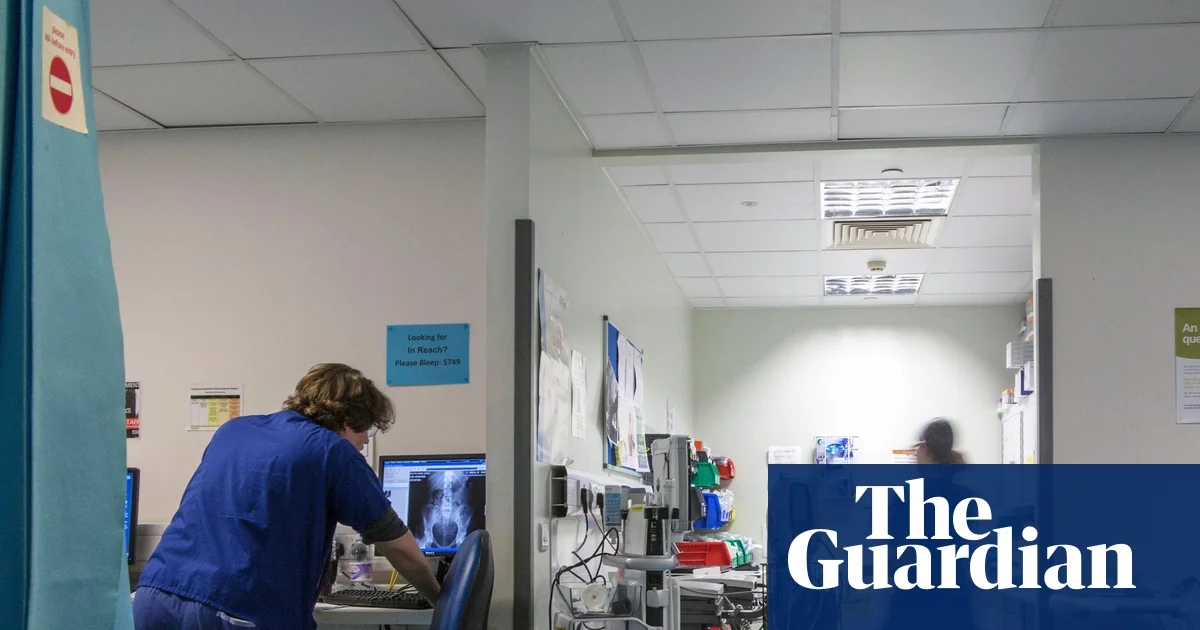
Doctors warn NHS test delays threaten hundreds of thousands in England

UK Healthcare Crisis: Widespread Test Delays Threaten Patient Outcomes

The United Kingdom currently faces a troubling healthcare crisis that underscores the cracks in its once-lauded National Health Service (NHS). According to recent data analyzed by the Royal College of Radiologists (RCR), nearly 400,000 patients—specifically 386,849 in September—are waiting more than six weeks for essential diagnostic tests such as CT scans, MRIs, ultrasounds, and other critical assessments needed to identify life-threatening conditions. These delays are more than mere inconveniences; they pose genuine risks to patient health, with some potentially facing preventable deaths due to late diagnoses.

This crisis is further compounded by official targets set by NHS England, which aims to limit waits of over six weeks to less than 20% of all patients by 2027. Yet, as the Royal College reports, nearly half (46%) of trusts are failing to meet even this reduced benchmark, highlighting a healthcare system in crisis. With many hospital trusts unable to meet their own standards since 2015, the delays reflect deeper systemic issues—including chronic radiologist shortages and inadequate healthcare funding—further exacerbating a situation where timely diagnosis can mean the difference between life and death. As Dr. Stephen Harden, president of the RCR, emphasized, “Any delay to accessing treatment can worsen health outcomes and even lead to preventable deaths.”

Broader Implications: How Internal Failures Signal Geopolitical Consequences

The unfolding UK healthcare crisis has judged the nation’s social and political fabric as fragile, while casting a shadow over the government’s reputation and impacting societal trust. International observers, including global health analysts and historians, warn that such systemic failures are indicative of larger governance issues. The Department of Health and Social Care claims to have inherited a “broken NHS” but asserts that recent reforms and investments—albeit insufficient—are turning the tide. Nevertheless, critics and independent organizations such as the Institute for Fiscal Studies have cast doubt on future promises, especially their bold pledge to restore an 18-week maximum waiting period for hospital care by 2029—a goal increasingly viewed as overly optimistic given the persistent backlog.

These internal failures do not exist in isolation; they ripple into the international arena by affecting the UK’s standing as an advocate for health security and stability. As population health declines due to untreated diseases, the United Kingdom’s influence wanes. Furthermore, the ongoing healthcare quandary underscores the critical importance of not only military and economic strength but also resilient public health systems—an insight that international point-men like the World Health Organization recognize, especially amidst emerging global health threats.

Historical Context and Future Outlook

Medical historians often cite the UK’s NHS as a beacon of socialized medicine, but recent trends demonstrate that even the most revered institutions are susceptible to resource misallocation and political neglect. This crisis reflects a broader tale of national priorities shifting away from patient-centered care toward bureaucratic and financial constraints. As analysts observe, if the UK’s healthcare system continues to falter, it risks becoming a cautionary tale of social decline, with its societal fabric unraveling under the weight of unmet needs and lost trust.

The warnings issued by think tanks and independent analysts point toward an ominous future where the repercussions of delayed diagnoses and inadequate treatment could escalate into a broader humanitarian catastrophe. The fight for better healthcare is now intertwined with national sovereignty, economic stability, and international influence. As Britain grapples with internal failures, the pressing question remains: how will history judge this chapter—whether as a moment of decline or a catalyst for reform? The answer lies just beyond the horizon, waiting to be written in the blood and resilience of a nation at a crossroads, teetering on the brink of an uncertain future, where the weight of mounting failures drags the last remnants of trust into an uncertain abyss.

NHS doctor suspended for alleged antisemitic social media posts—Concern rises among youth over hate speech

The recent suspension of Dr. Rahmeh Aladwan, a trainee in trauma and orthopaedics at the NHS, highlights a disturbing intersection of social media misconduct and the broader geopolitical tensions surrounding antisemitism in the digital age. The Medical Practitioners Tribunal Service (MPTS) in the United Kingdom placed her on a 15-month interim suspension amidst allegations that her online posts contained content supporting terrorist organizations such as Hamas, propagated antisemitic conspiracy theories, and even used Nazi imagery. These acts are not isolated incidents but are symptomatic of rising global concerns over hate speech and the erosion of social cohesion, especially within highly sensitive societal institutions like healthcare and law enforcement.

International observers and analysts are now wary of how such incidents ripple beyond the confines of national borders, affecting the public’s trust in institutions and the fabric of multicultural societies. According to prominent international organizations and senior historians, the proliferation of extremist rhetoric online, particularly when backed by figures within societal institutions, poses a serious threat to what national security experts term cultural stability. The case raises a pressing question: How should nations balance the right to free expression with the need to protect communities from hate and extremism? The GMC and MPTS have justified their cautious approach, emphasizing that Dr. Aladwan’s conduct could harm public confidence in the healthcare system and fuel social divisions—an outcome that transcends the UK and impacts the global image of medical professionalism amid geopolitical unrest.

This incident comes at a time when Western nations are grappling with their own internal divides, often exploited by those seeking to manipulate societal fears for political ends. As nations seek to clamp down on hate speech, the broader geopolitical impact becomes evident: policies regarding internationally proscribed organizations such as Hamas have become a flashpoint, affecting diplomatic ties and the fight against extremism. Many analysts warn that permitting unchecked hate speech under the guise of political debate; risks emboldening terrorist sympathizers and radicalizing segments of society, thereby undermining national security. Understanding these dynamics is crucial, particularly as civil rights advocates call for greater oversight, yet critics argue that overreach could threaten free speech and political dissent. The UK’s response, including the ongoing review of Dr. Aladwan’s case, underscores the delicate balancing act between safeguarding societal cohesion and respecting individual freedoms—an issue faced universally, from Europe to the Middle East.

Historically, societal shifts driven by extremism have often left a lasting scar on nations’ collective memories. As historians and international security analysts observe, the current wave of online radicalization mirrors past periods of societal upheaval, often leading to conflict, division, and loss of life. The unfolding case of Dr. Aladwan is, therefore, more than an isolated disciplinary action; it is a stark reminder that history is watching us, and the decisions made today could shape the geopolitical landscape for generations. The fight against hate and extremism is not merely a national concern but a chapter in the ongoing battle for global stability. As institutions examine their roles and responsibilities, the weight of history presses on regulators to carefully weigh free expression against the imperative to defend vulnerable communities. The world remains on a knife’s edge, with the echoes of past conflicts whispering that, in times of rising division, the choices of today may determine whether future generations will remember peace or be haunted by the shadows of extremism.

Parents blame system failure as NHS fined £200,000 over tragic death of daughter

In recent months, a tragic and sobering case has underscored the profound significance of societal and institutional responsibilities in safeguarding families and communities. The death of Ellame Ford-Dunn, a 16-year-old girl battling severe mental health issues, highlights glaring deficiencies in the NHS system tasked with protecting its most vulnerable members. The tragic sequence—her absconding from a 24-hour acute mental health ward and subsequent suicide—has ignited debates about the integrity and adequacy of mental health services, especially for young people. Her parents have publicly expressed their profound grief and anger, emphasizing that their daughter was failed by a system designed to safeguard her.

The failures go beyond individual negligence, illustrating a deep systemic shortcoming. According to officials, the supervising nurse did not follow Ellame when she left the ward—an act justified by instructions not to pursue patients who absconded. This procedural lapse was linked to broader issues such as the national shortage of mental health beds for children and adolescents, which has forced overwhelmed institutions into making difficult decisions. The trust involved pleaded guilty to criminal health and safety offences and was fined £200,000 plus costs, acknowledging its failure to provide safe care. Yet, critics argue that financial penalties are insufficient when weighed against the human cost of such tragedies, asserting that these incidents reveal failures embedded within the very fabric of an understaffed and underfunded mental health infrastructure.

Expanding beyond the immediate case, experts and social commentators warn that such failures threaten the fabric of family and community life. Societal institutions—including schools, health systems, and community organizations—are interconnected in a delicate web of support. When one strand weakens, families are left to bear the burden of preventable losses. Historically, sociologists such as Émile Durkheim have emphasized that social cohesion relies on trust in institutions—trust that must be rooted in accountability and effective service delivery. Within this context, the ongoing struggle to adequately resource mental health services for youth reveals how social neglect can produce devastating outcomes that ripple through generations. This case acts as a stark reminder that families, especially those with vulnerable children, pay the highest price when systems falter, and that societal failure to adapt to evolving mental health challenges risks fracturing the moral fabric of communities.

Yet, amidst grief and calls for reform, there lies a persistent hope that society can reflect on these failures and transform them into catalysts for real change. As mental health experts advocate for more comprehensive policies and increased funding, there is a pressing moral imperative to prioritize the well-being of our youth. The story of Ellame is not merely a story of tragedy but a call for society to recommit to its moral duty—envisioning a future where no parent must endure such loss, and where institutional failures give way to resilient, caring systems responsive to the needs of children in distress. Society must unite in this challenge, for in our collective response, lies the potential to forge a future where safety, dignity, and hope are accessible to every vulnerable child, and where the scars of past failures serve as lessons guiding a society toward true justice and compassion.”

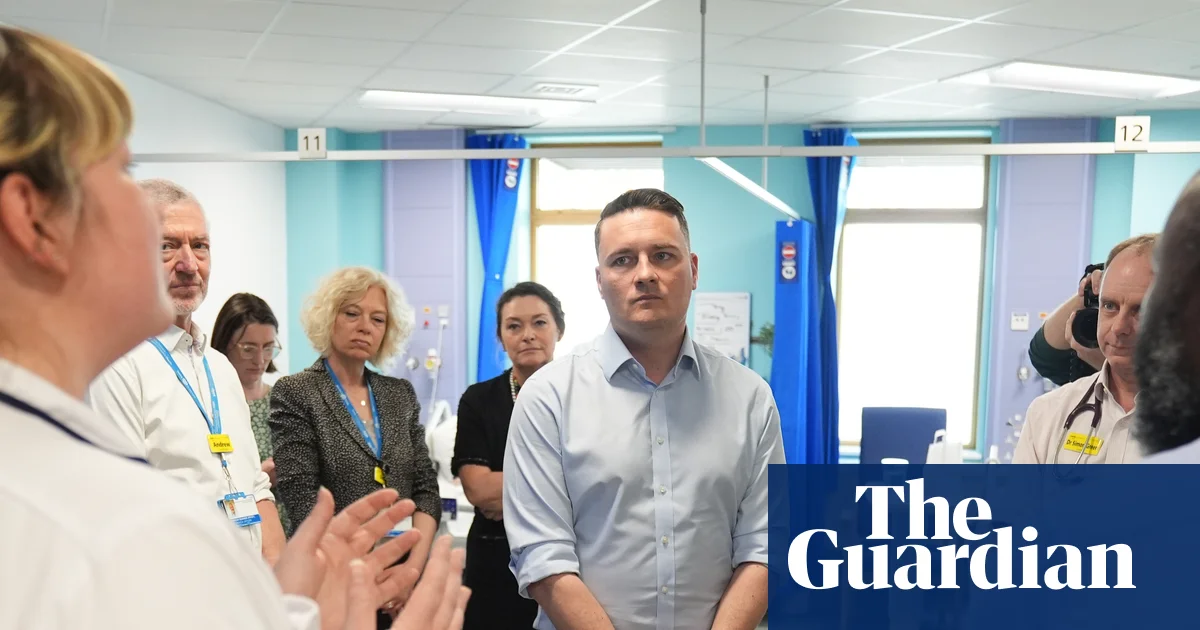
Private Funding for NHS Infrastructure: A Step Forward for Our Future

The True Cost of Privatization: How Social Divides Threaten Our Healthcare and Our Future

In the midst of ongoing debates about funding the National Health Service (NHS), a shadow looms—one that threatens to further fracture the social fabric of our communities. The proposal to tap into private capital for building neighborhood health centers, endorsed by Wes Streeting and some Labour voices, risks transforming our healthcare system into a profit-driven enterprise. This shift echoes a troubling trend observed across society: the encroaching influence of market forces on traditionally public services, often to the detriment of the most vulnerable.

Critics—including seasoned sociologists such as Michael Sandel—highlight that inviting private investment into public health exacerbates inequality. When health services become entangled with private finance initiatives (PFIs), we see hospitals burdened with debt that diverts vital resources away from patients and towards repayment costs. Research has shown that some trusts end up paying more in debt repayments than they spend on medicines for their patients, illustrating how financial debt overrides the fundamental moral obligation of care. This debt cycle results in crumbling infrastructure and overcrowding, challenges that primarily afflict working-class communities and those already marginalized. A society that allows its most basic human needs to be driven by profit risks turning healthcare into a commodity, deepening societal divisions.

Alternative solutions are within reach, but political will is required. Reclaiming public funds is one path forward. Governments have proven that they can recover wasted funds through measures such as clawing back money lost to failed Covid contracts, and investing directly in local community projects. The NHS Lift program, with its model of public-private cooperation, successfully built hundreds of health centers in deprived areas—proof that public investment can deliver necessary infrastructure without shackling the system with debt. Additionally, introducing measures like VAT on private healthcare, a policy supported by figures like Neil Kinnock, could generate billions of pounds to reinvest directly into public services, ensuring that families and communities have access to quality care without being pushed into financial hardship.

Ultimately, society faces a choice: continue down a path of privatization and everyday sacrifice, or champion a model rooted in equity and community resilience. As historian Eric Hobsbawm once noted, societal progress hinges not merely on economic growth but on cultivating social cohesion through just resource distribution. The challenge lies in dismantling the narratives that prioritize short-term fiscal gains over long-term human welfare. Society’s strength resides in its families, its educational institutions, and its local communities. To build a resilient future, society must choose policies that uphold these pillars, recognizing that healthcare is a moral right—a shared responsibility that transcends profit margins. As the shadows of social division lengthen, the hope remains: that through collective resolve, society can forge a future where the health of one is the health of all, and where societal transformation begins with safeguarding the dignity of everyday life.”

Social Media Auto Publish Powered By : XYZScripts.com