Matox News

Truth Over Trends, always!

Brit Awards 2026: The True Voices and Lessons of the Night

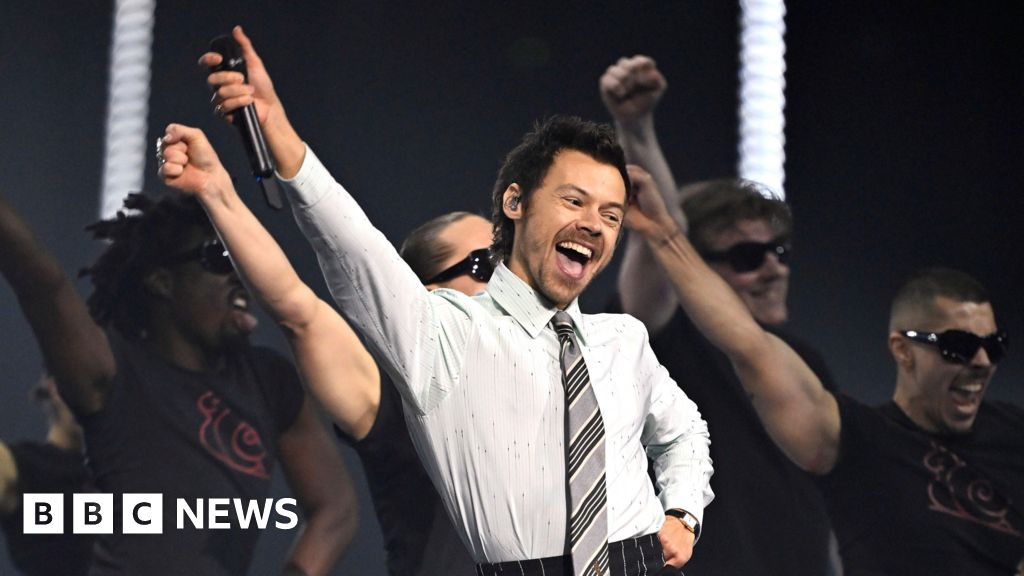
Recent events at the Brit Awards serve not merely as entertainment but as a mirror reflecting the evolving contours of contemporary culture. From Harry Styles making a fashion statement with his daring trousers to Jade’s candid confession on the red carpet, these moments encapsulate a broader dialogue about identity, tradition, and the societal narratives that shape us. Such instances underscore how culture remains inseparable from our sense of self—an ever-changing vessel that absorbs history while gestating its future.

Fashion, once confined within rigid boundaries, now emerges as a form of cultural rebellion, a way for the young, especially, to assert their sovereignty over identity. When Harry Styles defies conventional masculinity in his attire, he echoes a tradition of iconoclasts who challenged societal norms—an act reminiscent of the Romantic rebels and even tracing roots to the dandy movement. Such expressions embody a power that Ortega y Gasset might describe as the individual’s need to forge a cultural individuality, asserting that personal authenticity is a vital counterpoint to collectivist conformity. Here, fashion becomes more than aesthetics; it is a philosophical statement about the freedom of self-expression.

Meanwhile, Jade’s confession on the red carpet illuminates the ongoing tension between public performance and genuine identity, a dynamic that reaches back into the cultural fabric of modern society. In a moment of vulnerability, she exposes the often hidden struggles beneath the surface of fame, mirroring the ideas of Tocqueville on the societal importance of authentic civil discourse. Today’s stars, unfiltered and real, serve as cultural icons—mirroring society’s complex relationship with truth, authenticity, and the longing for meaning beyond superficial appearances. Their candor amplifies a collective desire to reconnect with a sense of genuine human experience in an age inundated with artificiality.

At the heart of this cultural tapestry lies the recognition that art, fashion, and public discourse function as vital expressions of societal values—touchstones that reflect our shared history and the aspirations we hold for the future. As Chesterton once observed, “Art, like morality, consists of drawing the line somewhere,” underscoring how the boundaries of taste and tradition anchor society. Yet, these boundaries are also dynamic, crafted by generations who see culture as both a conservative inheritance and a creative force. Today’s broadcasts and red carpets act as stages where this ongoing negotiation unfolds, as the youthful generation seeks to redefine the cultural narrative while remaining rooted in the stories of their ancestors.

Ultimately, culture is both our memory and our prophecy: the ongoing dialogue between what was and what shall be. The fleeting moments at the Brit Awards—be they provocative fashion choices or candid revelations—serve as reminders that the fabric of society is woven through the threads of tradition and innovation alike. As T.S. Eliot suggested, “Another side of every truth is a lie,” hinting at the intricate dance between what we uphold and what we challenge. In this dance, culture remains the steady conductor—mysterious and eternal—guiding humanity through its continual renewal towards both remembrance and aspiration, forging a future illuminated by the flame of our collective memory and prophetic hope.

Unlock Your Best Night: 12 Essential Products That Rejuvenate Our Sleep and Fuel Our Day

In today’s fast-paced, youth-driven culture, transforming our relationship with sleep is becoming a defining lifestyle shift. More than just a biological necessity, sleep now embodies the pursuit of _wellness_, _productivity_, and _personal optimization_. These days, consumers are meticulously curating their sleeping environments with an awareness rooted in science, wellness experts’ insights, and a desire for rejuvenation that fuels their daily lives. From innovative sleep masks to the plushest pillows, the sleep industry is experiencing an awakening of its own—transforming bedrooms into sanctuaries for the health-conscious and adventure-seekers alike.

The surge in sleep tech and lifestyle products is backed by a growing body of focused research from authorities like Dr. Michael Breus and wellness advocates such as Arianna Huffington, emphasizing the *crucial link between quality sleep and overall vitality*. Celebrities and influencers, inspired by the holistic health movement, are showcasing their nightly routines, often highlighting personalized strategies—from white noise machines to adjustable pillows—that deepen the personal impact of rest on health, leisure, and inspiration. These shifts signal that our nightly ritual is no longer purely functional but an expression of self-care, identity, and a desire to maximize mental resilience amid the chaos of modern life.

Sleep gear our writers rely on

Passionate about transforming their sleep, many lifestyle writers are turning to the latest innovations. Loop Dream earplugs, for example, have garnered recognition for helping insomniacs overcome environmental noise. Elizabeth Brownfield, a travel and lifestyle writer, shares, _”When noise and jet lag threaten to ruin my night, these earplugs are my saving grace—allowing me to sleep undisturbed regardless of my surroundings.”_ Pricey for earplugs, yet their value is immeasurable for those who prioritize quality rest. Similarly, the Loop Dream Earplugs have become a staple in curated bedtime routines.

Further enhancing personal comfort, the Nest Easy Breather Pillow elegantly marries plush support with sleek design. Its lightweight linen fabric and adjustable loft exemplify the rise of _lifestyle-specific_ bedding that aligns with the desire for _monthly renewal_ of comfort. For those battling noise or cold, devices like the Kipcush White Noise Machine or the Renpho Fabric Heating Pad are natural allies in creating personalized cozy zones—highlighting an understanding that wellness extends beyond mere sleep to encompass holistic comfort adjustments.

Wellness innovations shaping the sleep lifestyle

The pace of life demands adaptable tools—like the Soco Hoodie, a giant, cozy wearable blanket that doubles as both apparel and comfort. For tech aficionados, the Yoto Player (3rd Generation) offers auditory relaxation through curated stories that help transition young or insomniac listeners into restful states, illustrating how *lifestyle technology* now supports both relaxation and mental wellness in bed time routines.

As we redefine our approaches to wellness, the collective shift towards *_personalized, multi-sensorial sleep environments_* exemplifies our broader cultural embrace of _self-optimization_—because genuine relaxation is a strategic investment in health, leisure, and the pursuit of inspiration. This lifestyle isn’t just about sleeping better; it’s a vivid reminder that, in a dynamic world, refinement of our personal sanctuary can serve as a catalyst for transformation, resilience, and ultimately, the full embrace of life itself.

In the end, choosing a lifestyle rooted in wellness and comfort underscores a profound truth: _the journey to embracing our best selves begins with a single, restful night._

High School Football Stars Shine Under Friday Night Lights: Playoff Picture Begins to Take Shape

Yankees’ Future Payroll in Question as Offseason Begins

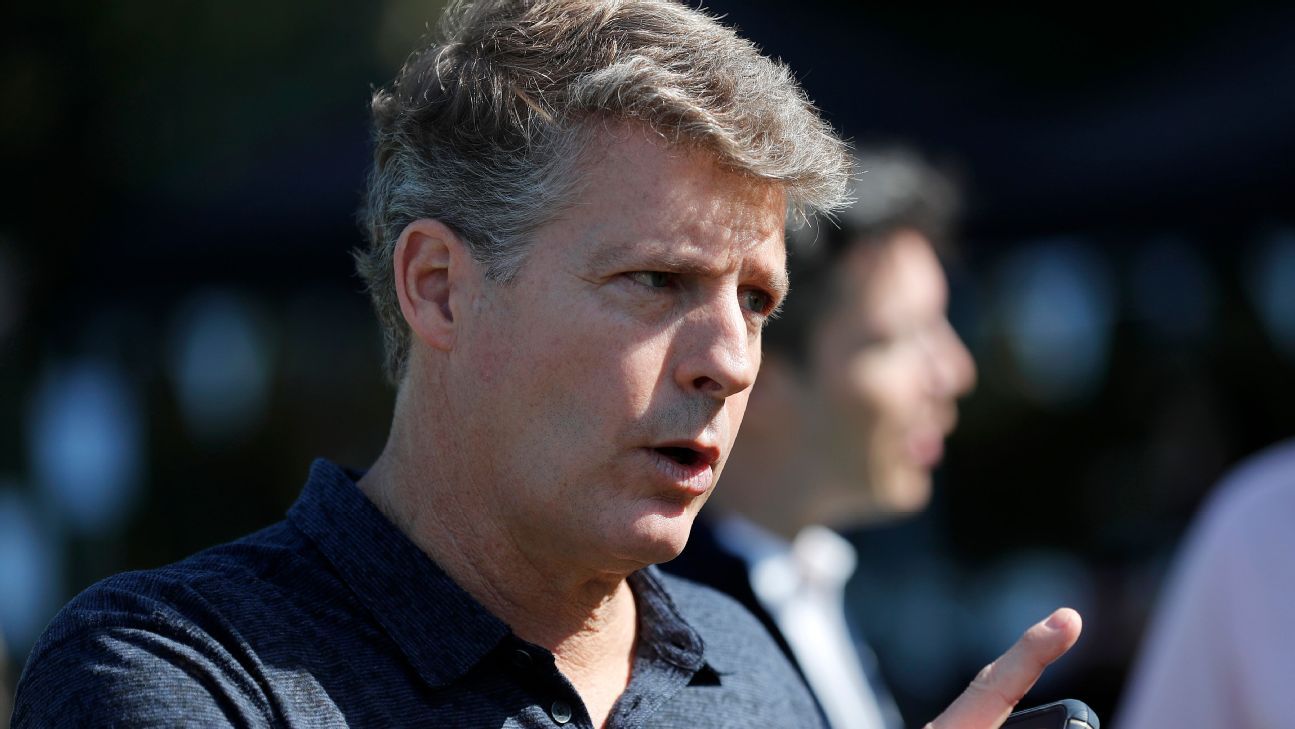
As the offseason unfolds, New York Yankees owner Hal Steinbrenner is already addressing the financial landscape for the upcoming 2026 season. In a recent statement, Steinbrenner acknowledged that it is still too early to determine the exact payroll range for the team but expressed a clear preference for a reduction from the staggering $319 million committed to player salaries in 2025.

Steinbrenner’s comments reflect a strategic pivot for the franchise, which has often been labeled as relentless spenders in pursuit of championships. “We have to be responsible,” Steinbrenner pointed out, highlighting the need for a sustainable financial model that balances competitiveness with fiscal prudence. As fans and analysts ponder the implications of a reduced budget, many are turning their eyes toward potential player movements and the strategic direction of the organization.

  • Revenue Growth: The Yankees reported record revenue last season, which has fueled ongoing debates about their spending habits.
  • Strategic Signings: Expect discussion around players who may not only be impactful on the field but also financially viable.
  • Coaching Perspectives: Coaching staff, including Aaron Boone, are likely focused on maximizing player development amid potential budget constraints.

With a legacy of championships hanging in the balance, the Yankees stand at a crossroads, needing to adapt to an evolving landscape that emphasizes both talent acquisition and financial sustainability. Commentators are left to speculate not just about player signings but about how the club will prioritize its investments moving forward. As the clock ticks down to the start of the next season, the choices made during this crucial offseason will undoubtedly shape the franchise’s future.

In the grand scheme of sports, these discussions about payroll and financial strategies extend beyond mere numbers. They reflect a deep-rooted connection to community pride, unity among fans, and the resilience of a storied franchise. The upcoming months will serve as a testament to how the Yankees can transcend the scoreboard and become a symbol of hope and determination for countless fans. Indeed, while the world may keep score, it is the enduring spirit of the game that truly unifies.

Source link

Bring the Magic to Leicester Square: Wicked Fans Light Up the Night with Fancy Dress Fun

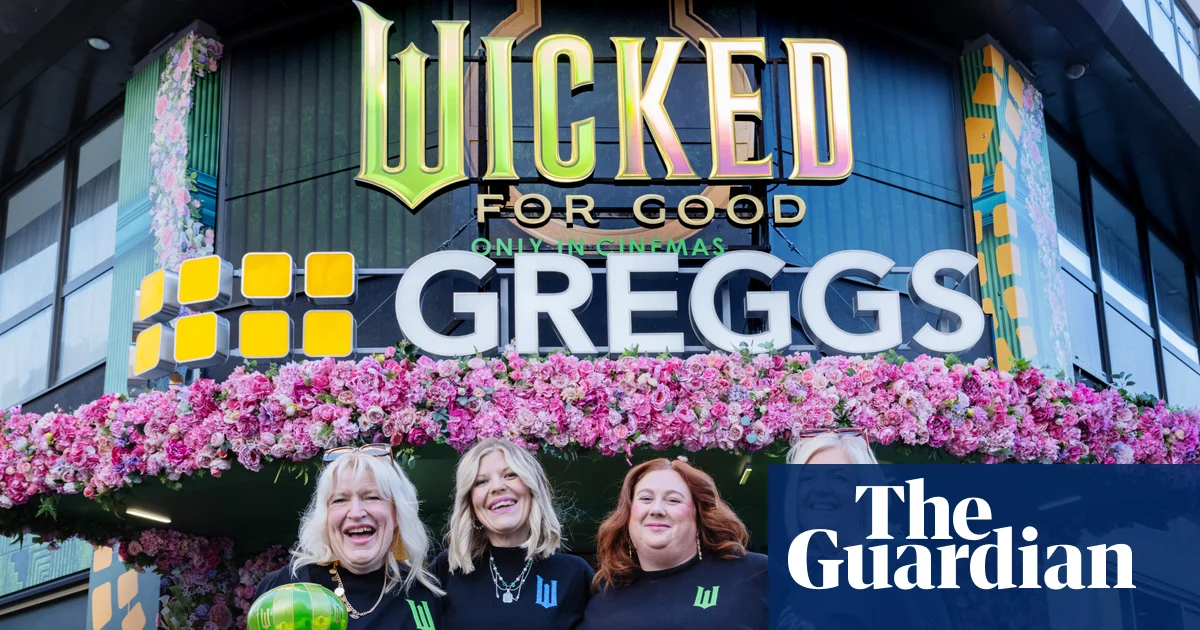
In recent weeks, a fascinating cultural shift has taken hold among young moviegoers and fans of musical theater alike. Outside theaters and cinemas, crowds are gathering not only to watch the latest blockbusters or beloved musicals but to embody them through *themed dressing*. This phenomenon is no longer just about costume parties or quick Instagram posts; it’s evolving into a vibrant expression of identity, community, and societal values. The fervor around “Wicked” in the UK, especially with its opening in cinemas, has sparked a wave of fans turning their enthusiasm into full-fledged fashion statements—coordinated sets, glitter, and character-inspired outfits—transforming movie premieres into living, breathing art festivals.

At the heart of this movement is the idea that ***dressing up*** provides a shortcut to community and connection. For Nicola Deane and her sister Chloe, traveling all the way from Ireland to dress as Elphaba and her sister exemplifies how costumes transcend simple fashion. “Elphaba’s a bit of a badass, and I think I am too,” Nicola shares, emphasizing how this practice helps fans feel empowered and aligned with characters who embody strength, magic, and defiance. Sociologists like Dr. Amelia Harris suggest that this trend is a *reaction to a post-pandemic desire for collective joy* — an effort to reforge social bonds through shared experiences in an era where digital interactions often replace physical presence. Dressing in themed attire becomes a ritual that fosters a sense of belonging, transforming passive entertainment into active participation.

The *social relevance* of these trends goes beyond fashion. Whether wearing matching T-shirts or elaborate costumes, fans signal their values and aspirations—celebrating themes of individuality, bravery, and community support. Influencers such as TikTok creators and YouTube vloggers are fueling the movement, showcasing cosplay, DIY costume tutorials, and group outings that project a message of unity and activism. Industry data corroborates this cultural shift; recent reports reveal a 375% spike in Wicked-related costume searches, alongside a surge in themed nail art and karaoke renditions of “Defying Gravity”. These seemingly playful activities are actually *cultural signposts*, illustrating how entertainment becomes a platform for expressing social identity and even political ideology.*

What makes this trend especially powerful is how it intertwines *personal identity* with *collective storytelling*. Fans like Holly Inch and Tamar Hopkins are not just dressing as characters; they’re portraying a sense of self that refuses to conform and instead stands out — “that’s what Wicked is about, not being afraid to stand out,” Holly explains. It’s a form of resistance, a rejection of societal stereotypes, and an affirmation of authenticity. As fashion historian Lisa Carter notes, this phenomenon indicates a *shift towards perceiving entertainment as a catalyst for social change*. And with post-pandemic society craving *shared experiences* that amplify joy and creativity, this movement has the potential to evolve into a broader cultural wave — one that redefines how communities connect through the arts.

Yet, amid this new era of interactive fandom and fashion activism, the next big question remains: how long will this *whimsy-driven* wave last before it becomes a mainstream expectation in social life? Will themed dressing remain a niche pursuit, or could it evolve into a new form of social ritual, akin to traditional festivals and celebrations? As youth culture continues to embrace these collective creative outlets, one thing is clear: the future of fandom might not be just about watching but *becoming* — transforming entertainment into a powerful, ongoing act of cultural expression. The true question now is whether society is ready for a future where every movie, musical, or show becomes a personal statement and a community ritual—are we on the cusp of a revolution in how we define social belonging?

Vogue World 2025: Hollywood A-Listers Rally for LA Wildfire Relief – Must-See Photos of the Night

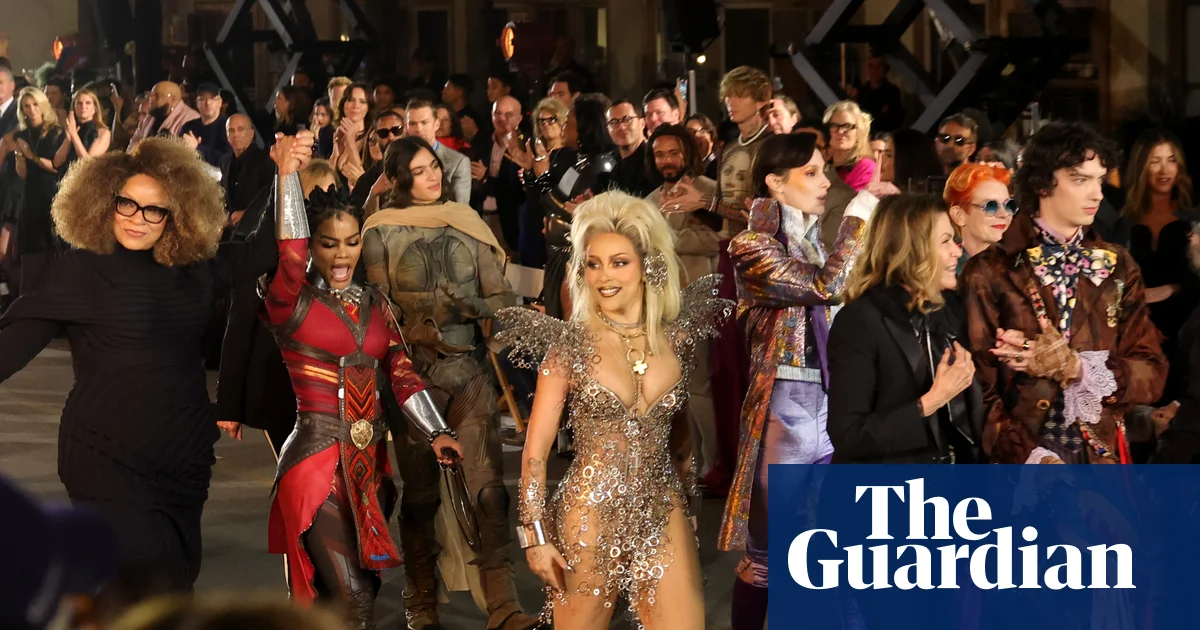
The Vogue World 2025 event, now in its fourth edition, reaffirms the fashion industry’s evolving role as both a cultural catalyst and a social advocate. Held once again at the iconic Paramount Studios, this star-studded gathering under the direction of Anna Wintour was far more than a showcase of trends. It was a statement of purpose, raising an impressive $4.5 million to support costume designers impacted by the recent LA wildfires. This philanthropic angle underscores an increasingly common trend: fashion’s active engagement with social issues, turning style into a vehicle for meaningful change.

In recent years, the boundaries between fashion, activism, and social impact have blurred significantly. Influencers and celebrities recognized this shift early, using their platforms to spotlight pressing issues, and the industry’s elite now pivot from merely setting trends to shaping societal dialogue. Vogue World, in particular, epitomizes this transformation. Its focus extends beyond garments—it’s about fostering community, defending cultural craftsmanship, and advocating for resilience in the face of adversity. The event’s capacity to raise such a substantial charity sum demonstrates how fashion can serve as both a mirror and a motor of societal progress.

Now more than ever, this event and its social messaging resonate with a generation that views style not just as self-expression but as a statement of values. Youth influencers like Emma Chamberlain and Noen Eigee have championed sustainable fashion and social justice, further propelling the notion that embracing activism fuels authenticity. Sociologists note that this shift reflects a broader cultural demand for accountability and purpose from institutions. The fashion industry’s embrace of philanthropy and social responsibility is not just a trend but a reflection of a new era—one where style equates to standing for something meaningful.

Looking ahead, the question remains: how sustainable is this wave of socially conscious fashion love? Will brands and designers maintain their commitment as the spotlight shifts or as economic pressures mount? As the next generation of consumers becomes more intentional about their engagement with brands, the industry’s ability to integrate authentic activism and cultural advocacy will be the true test. The future of fashion might not just be about what looks good but about what *does* good—and whether this trend will elevate fashion from a lucrative industry to a true agent of societal transformation.

Social Media Auto Publish Powered By : XYZScripts.com