Matox News

Truth Over Trends, always!

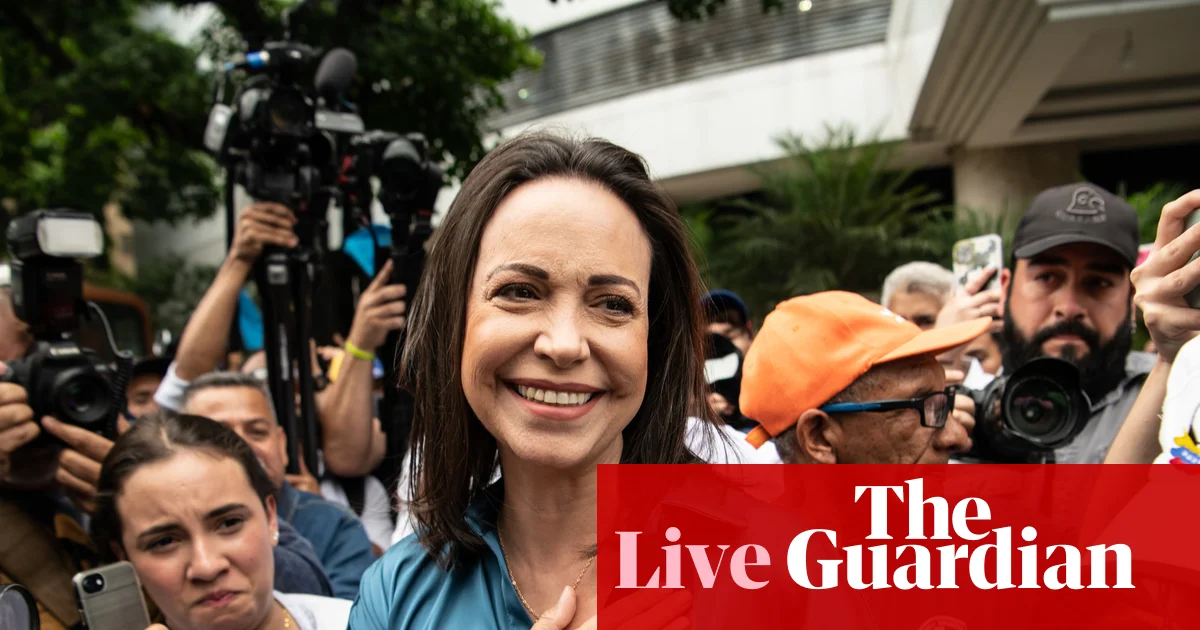
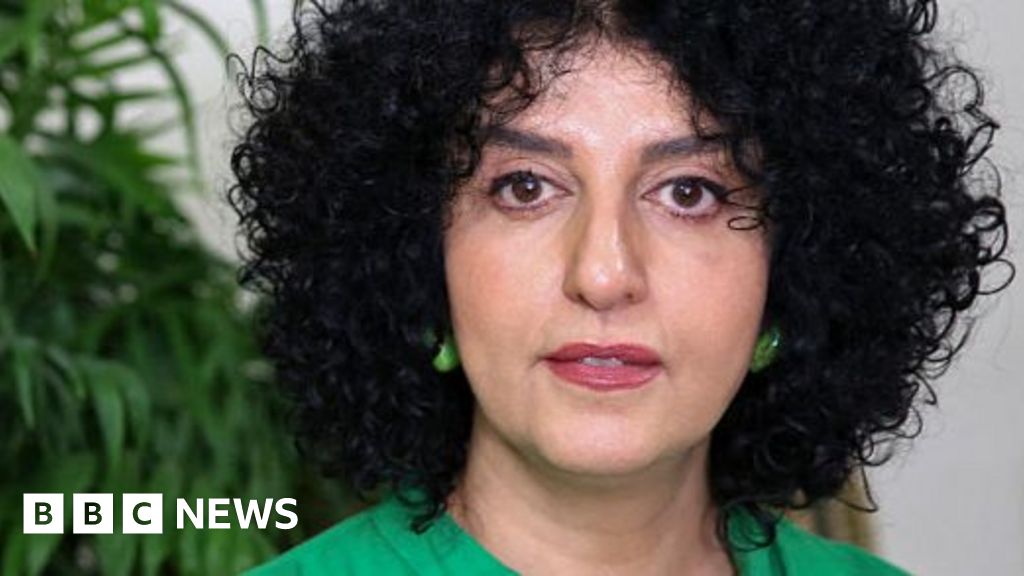
Iran Nobel Laureate Hospitalized After Aggressive Detention

In a disturbing escalation of Iran’s ongoing crackdown on dissent, prominent Nobel Peace Prize laureate Narges Mohammadi was violently detained last week, sparking international outrage. The Nobel Committee and global rights advocates condemned her treatment, which reportedly involved severe beatings by plainclothes agents—an alarming sign of authoritarian repression intensifying under the current regime. The 53-year-old activist, known for her relentless campaign against female oppression and human rights abuses, was hospitalized after being attacked while attending a memorial ceremony for human rights lawyer Khosrow Alikordi. Her family described her injuries as severe, with multiple emergency room visits, emphasizing the brutal nature of her detention. The international community, including respected analysts and organizations, interpret these actions as a deliberate attempt by the Iranian government to quash voices of dissent amid a nationwide push for reform, but at what cost to human dignity and international norms?

Iranian authorities justified her detention by claiming she made “provocative remarks” during a memorial gathering, but critics contend this is merely a pretext for silencing influential figures. Mohammadi, who has spent over a decade in prison for her activism, was serving a 13-year sentence on charges broadly viewed by experts as politically motivated—specifically, “propaganda activity against the state” and “collusion against national security”. Her recent temporary release for medical reasons did little to stem the repression, as reports indicate she was targeted again at the event, with eyewitnesses describing her being pulled by the hair and assaulted with clubs. Disturbingly, she was accused of collaborating with foreign entities, a charge frequently used in theocratic regimes to justify crackdowns on civil society. This pattern of violence and intimidation, analysts warn, underscores how Iran’s leadership seeks to send a chilling message to activists and the international community alike—complete dominance over dissent, no matter the cost.

The geopolitical impact of Iran’s internal repression extends far beyond its borders. Western nations and international organizations have expressed growing concern over the regime’s authoritarian crackdown—a reflection of the broader regional instability and a test for global diplomacy. The European Union and United States have increased sanctions, framing these acts as violations of human rights and a threat to regional security. Historically, Iran’s internal strife is often a precursor to broader upheaval, with analysts warning that these episodes of suppression could embolden more aggressive regional postures, especially in the context of a Middle East fraught with conflicts. The international community faces a dilemma: uphold diplomatic engagement, or confront Iran’s brutal tactics head-on, risking destabilization or confrontation. Organizations such as Human Rights Watch have called for tangible action, urging Tehran to cease the crackdown and respect the rights of its citizens—a stance that continues to challenge the regime’s narrative of sovereignty over human rights.

The unfolding events at the memorial and the regime’s response are a stark reminder that history is being written in the shadows of violence and repression. As young people worldwide observe these developments, the question remains whether international vigilance and pressure can effect change—or if Iran’s government will continue to tighten its grip, sacrificing societal progress for control. The fate of Narges Mohammadi and countless others symbolizes a broader struggle—one that intertwines human rights, regional power dynamics, and the very essence of political legitimacy. As the dust settles, the world must ask: which future will emerge from this crucible of repression? Will justice and freedom prevail, or will history accelerate into further darkness, leaving those who dared to speak out to become casualties of an unyielding regime?
Exposed: Effort to Smuggle Nobel Laureate Out of Venezuela

In an unprecedented display of clandestine operations and international intrigue, Venezuela finds itself again in the global spotlight amid a tense geopolitical climate. A daring rescue mission, dubbed Operation Golden Dynamite, successfully extracted the prominent opposition leader and Nobel laureate, María Corina Machado, from her hidden sanctuary within the country. The clandestine plan, executed by the private intelligence firm Grey Bull Rescue, involved perilous sea crossings through rough, pitch-black waters, all designed to foil the ever-watchful eyes of authoritarian regimes. Such maneuvers are not just daring feats—they are emblematic of the rising tides of tension between Venezuela and Western powers, especially the United States, which has recently ratcheted up its rhetoric against Nicolás Maduro’s government.

The operation’s success raises serious questions about the underlying intentions behind U.S. involvement. Analysts and historians warn that these covert actions are indicative of a broader, behind-the-scenes escalation of non-conventional warfare aimed at regime change. The founder of Grey Bull, Bryan Stern, confirmed that preparations had been underway for months, with infrastructure built in the Caribbean designed to facilitate quick evacuations of key opposition figures or American allies should Venezuela’s internal crisis spiral further out of control. The fact that this rescue was financed privately, without formal government backing, underscores the shadowy nature of international power plays, where decisions made in secret can have profound and lasting geopolitical impacts across the region and beyond.

Critics and international observers contend that the rising unrest is deeply intertwined with U.S. attempts to weaken Maduro’s grip and promote regime change, echoing historical patterns seen in comparable conflicts. The move comes amid mounting speculation that the Biden administration is weighing more aggressive options, including possible military intervention, especially given President Donald Trump’s recent inflammatory remarks accusing Maduro of drug trafficking and violent crimes. According to international security analysts, such rhetoric is designed to serve as strategic pressure—a warning to authoritarian regimes and opposition groups alike. The unfolding drama suggests the region stands on the brink of a new conflict, where diplomatic negotiations may be overshadowed by covert operations, escalating tensions with long-lasting consequences for societal stability in Venezuela and the broader Latin American corridor.

Historically, conflicts driven by external interference have reshaped nations, often leaving scars that persist for generations. United Nations and other global organizations have repeatedly warned of the dangers posed by interventionist policies that undermine sovereignty and fuel cycle of violence. As Venezuela faces internal turmoil and external pressures, the decision-making funnel held by international actors will undoubtedly influence the course of history. The story of María Corina Machado’s rescue is more than an isolated event; it is a chapter in a much larger saga—one where the weight of history continuously shifts, and the fate of nations is decided behind the veils of secrecy and power. As the sun rises over a continent on the brink, the world must ponder: how many more secrets, more interventions, and more sacrifices lie ahead in this unfolding geopolitical chess game?

María Corina Machado Lands in Oslo After Nobel Peace Prize Victory

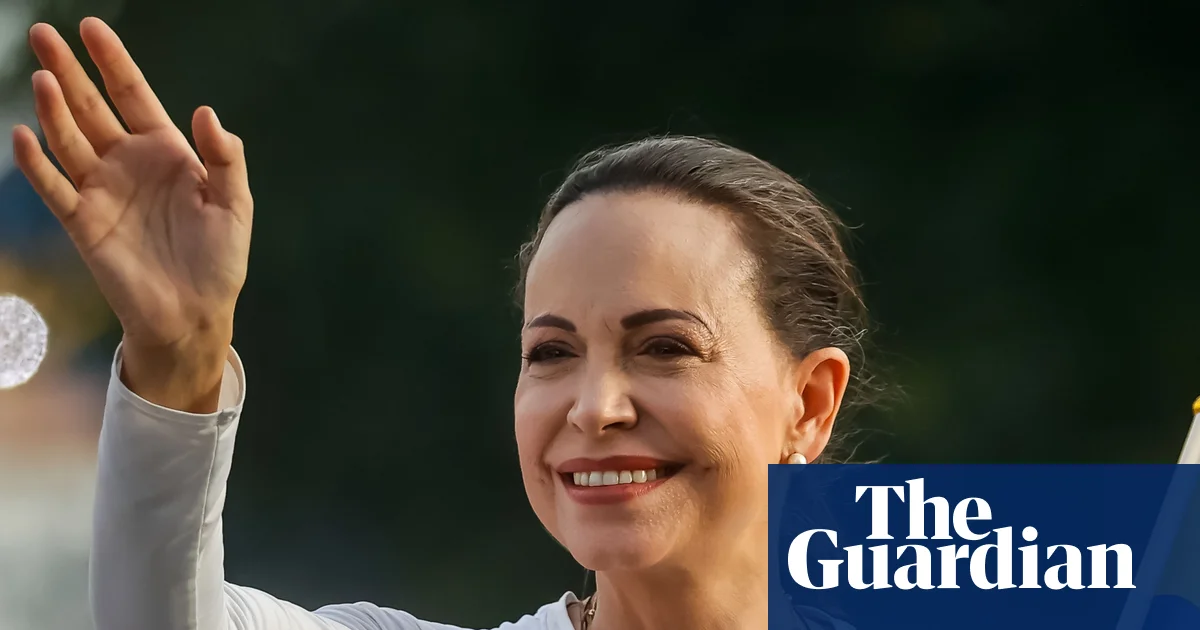
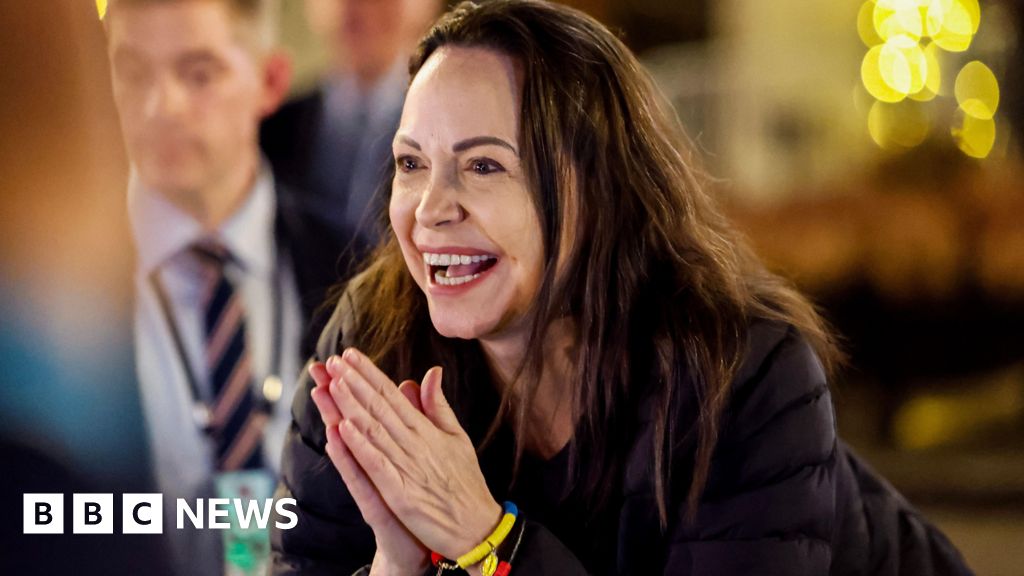
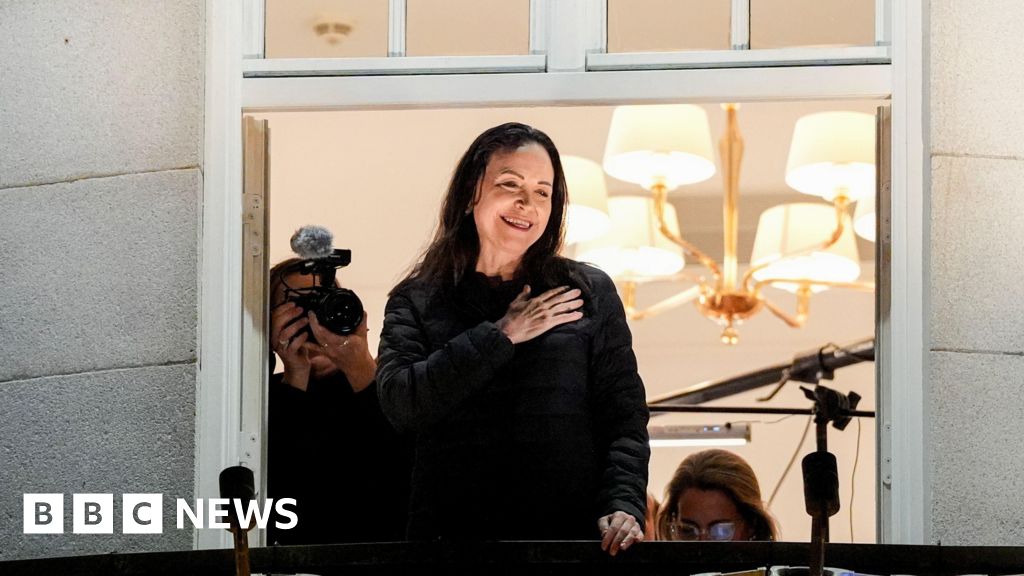
The recent appearance of Venezuelan opposition leader María Corina Machado in Oslo, Norway, following her Nobel Peace Prize award, marks a critical juncture in the persistent struggle for democracy versus dictatorship in Venezuela. Having gone into hiding amid ongoing political turmoil, Machado’s covert journey and public show of support from her supporters outside the Grand Hotel symbolize a resilient opposition defying both domestic repression and international indifference. Awarded for her relentless pursuit of a “just and peaceful transition,” her recognition by the Nobel Institute underscores the global spotlight on Venezuela’s fractured political landscape, which continues to define geopolitical tensions across the Americas.

Her historic public appearance coincides with mounting tensions involving the United States, which recently announced the seizure of an oil tanker off the coast of Venezuela. The US administration claims the vessel was engaged in illicit oil shipping supporting “foreign terrorist organizations,” prompting accusations of theft and piracy from the Venezuelan government. This escalation is emblematic of broader geopolitical struggles in the region, where the US seeks to exert pressure on Venezuela’s socialist regime. As Washington’s rhetoric intensifies, analysts warn that such actions threaten to ignite a broader conflict, potentially destabilizing an already fragile region. Experts from international organizations and historical scholars warn that these maneuvers could provoke a new chapter of conflict, with unpredictable consequences for both nations and societies alike.

The global impact of these developments is profound. The US’s aggressive stance coupled with Venezuela’s defiant response illustrates a geopolitical impasse, where the ideals of democracy clash with the interests of regional dominance. Amid the political upheaval, the international community’s role has been scrutinized, with critics alleging that external intervention risks exacerbating internal divisions. As Machado convalesces publicly and receives international recognition, the battle for regional influence extends beyond the streets of Caracas to Washington’s corridors of power. According to a report by the International Crisis Group, such confrontations threaten to deepen socio-economic devastation and could set a dangerous precedent for other authoritarian regimes under international pressure.

In this unfolding narrative of international power struggles, the true weight of history remains unresolved. The moment encapsulates a broader question: will the global community choose to mediate with diplomacy or escalate to conflict? As Machado’s supporters cheer and look to a future of possible change, and as U.S. military actions threaten to deepen the crisis, the world gazes upon a pivotal crossroads, where the decisions made today could echo through generations. History’s pen is poised, waiting to write the next chapter in the ongoing saga of liberty, sovereignty, and international power—an enduring testament to the inescapable reality that every choice shapes the future of nations and their people.

Nobel Officials Baffled on When Peace Winner Will Show Up for Ceremony

Venezuela’s Ongoing Struggle for Democracy and the International Power Play

Venezuela faces a critical juncture as opposition leader María Corina Machado, a Nobel Peace Prize laureate, remains in hiding amidst escalating political repression. Her absence from a planned press conference, coupled with the Nobel Institute’s statement that they are “in the dark” about her whereabouts, signals a broader pattern of the regime’s clampdown on dissent. For years, Venezuelan rulers have dismissed opposition voices and manipulated electoral processes, but Machado’s situation underscores a much deeper crisis that extends beyond national borders.

The controversy surrounding Machado’s official recognition and her refusal to accept the legitimacy of the 2024 election result stands as a stark reminder of the crisis of democracy in the country. Critics argue that the election—widely regarded as fraudulent—was designed to cement Maduro’s grip on power, dismissing international calls for free and fair elections. Yet, the global community remains divided. Some nations, including the United States, have officially recognized the opposition candidate, Edmundo Gonzalez, as the legitimate president-elect, further fueling the geopolitical tensions that threaten regional stability.

International Dimensions and Broader Geopolitical Impact

The Nobel Peace Prize awarded to Machado was intended to elevate the fight for democratic principles, but her current situation reveals how authoritarian regimes aggressively suppress such efforts. The Venezuelan government’s statement branding Machado a “fugitive” and her criminal investigations—centered around alleged acts of conspiracy, incitement of hatred, and terrorism—highlight the use of state apparatus to silence dissent and resist international pressure. Analysts warn that these tactics not only embolden regimes in Latin America but also set a dangerous precedent for authoritarian resilience across the globe.

From an international geopolitical perspective, the crisis in Venezuela stands as a clear indication of shifting alliances and power struggles. While the U.S. and some Western nations push for regime change and the restoration of democratic norms, Russia, China, and allies in Latin America maintain support for Maduro’s government, citing sovereignty and non-intervention. This diplomatic standoff underscores a broader contest for influence in the Western Hemisphere, reminiscent of Cold War-era polarizations. According to prominent international organizations, such as the United Nations, stability in Venezuela is integral to regional security, yet their capacity to influence the regime remains limited.

The Future of Venezuela and the International Community’s Role

The unfolding narrative leaves the world with a stark question: Will international diplomacy and strategic interests prolong the suffering of the Venezuelan people, or can a new political order emerge? If Machado defies intimidation and attends her Nobel ceremony, her public appearance would symbolize a defiance of authoritarian oppression — a powerful rallying cry for millions seeking freedom. Historically, such moments have served as turning points, mobilizing international pressure and fomenting change. Conversely, if the regime’s tactics succeed in de-legitimizing opposition, it risks further entrenching tyranny and sowing instability that could ripple beyond Latin America.

As history unfolds in Venezuela, the world remains watchful. Every decision, every alliance, and every act of resistance carries the weight of fate and legacy. In the theatre of geopolitics, the links between dignity, democracy, and power are more intertwined than ever — and the next chapter is yet to be written, with the weight of history hanging in the balance.

Oslo Cancels Appearance by Nobel Laureate María Corina Machado—Youth Voice Silenced

In a remarkable twist of international diplomacy and ideological rivalry, Venezuela’s opposition leader and fierce critic of Nicolás Maduro, María Corina Machado, has been awarded the Nobel Peace Prize for her relentless efforts to challenge the authoritarian regime in Caracas. The decision by the Norwegian Nobel Committee has sent seismic waves through the geopolitical landscape, prompting discussions on the effectiveness of Western institutions in defending democracy and human rights against entrenched authoritarian governments. However, the celebration was marred by controversy and uncertainty surrounding Machado’s safety and whereabouts, as her planned appearance at the Nobel ceremony was abruptly canceled, underscoring the sinister stakes in Venezuela’s ongoing political crisis.

The **Nobel Peace Prize** announcement underscores a shifting global narrative: how Western support for opposition movements can act as a catalyst for change, yet also provoke fierce retaliation from ruling regimes. Machado, often whispered about as Venezuela’s “Iron Lady,” champions her people’s cause amid a climate of suppression and violence. To many analysts, her award is a **symbolic victory** for grassroots democracy; yet, it also highlights the risks faced by opposition figures under Maduro’s control. As international organizations and historians debate whether Western backing emboldens regimes or fosters real change, the fact remains that Machado’s escape from Venezuela—possibly aided by clandestine support from the U.S.—marks a notable escalation in covert geopolitical maneuvering. The U.S., which has ramped up naval activity and issued threats of land strikes against drug-trafficking suspects, clearly views Venezuela as a pivotal battleground in the global fight against authoritarianism and organized crime.

Meanwhile, the U.S. administration has sharpened its rhetoric, framing its military and diplomatic actions within a broader effort to destabilize Maduro and bolster opposition factions like Machado’s. Reports suggest her family, including her mother, Corina Parisca de Machado, and her children, have traveled clandestinely to Europe for her safety, with some analysts speculating about secret departures via Puerto Rico. This clandestine movement underscores the **high-stakes diplomacy** occurring behind closed doors, where international allies weigh their support amid the risk of increased repression and possible violence. Historians warn that such covert operations can either **accelerate democratization** or deepen divisions, depending on how the global community manages its influence.

As the Nigerian, European, and Latin American bodies prepare to honor Machado amid protests of suppression and international intrigue, the ultimate question remains: **how will this act of recognition influence Venezuela’s future**? Countries like Argentina, Panama, Ecuador, and Paraguay are set to send representatives, turning the event into a geopolitical showdown, where symbols of Western solidarity collide with Maduro’s autocratic resilience. The global community stands at a pivotal crossroads, facing the reality that history is _not_ simply being made—it is _being rewritten_ in real-time. As Machado’s fate hangs in the balance and Russia and China observe from afar, the specter of what’s to come remains shrouded in uncertainty. For now, the world watches, breath held, as the story of Venezuela’s liberation—perhaps its darkest hours—continues to unfold amid the echoes of a battered democracy fighting to breathe amidst the smoke of repression and international intrigue.

Nigerian Nobel Laureate Wole Soyinka Claims U.S. Visa Revocation

International Tensions Rise as US Implements Restrictive Visa Policies

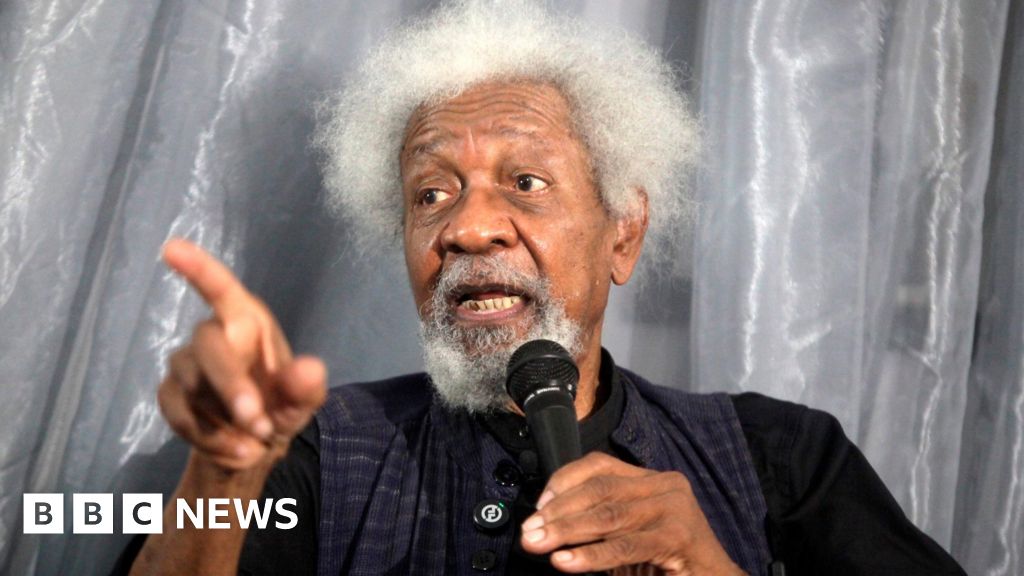
The recent move by the United States to revoke visas of prominent figures like Nigerian Nobel laureate Wole Soyinka signals a significant shift in its diplomatic stance towards cultural and intellectual diplomacy. Soyinka, who publicly announced that the US had canceled his visa—calling it a “curious love letter from an embassy”—embodies the broader tensions over American foreign policy and its impact on global perceptions. The US State Department’s decision, which comes amidst the implementation of *restrictive visa policies* affecting many African nations, underscores a broader pattern of tightening borders that deeply affect individual exchanges and international reputation.

This policy shift is not occurring in isolation. In July, the US government announced sweeping changes to its non-immigrant visa system, especially targeting citizens of Nigeria, Cameroon, Ethiopia, and Ghana. These nations now face restrictions where visas are predominantly single-entry and valid for only three months, reversing previous allowances for longer, multiple-entry visas. Analysts argue that such policies serve as a form of diplomatic signaling—whether intended or not—casting shadows over US commitment to global engagement and collaboration. This crackdown is influencing how nations perceive the US as a hub for international exchange, academic progress, and cultural diplomacy, factors that historically bolstered America’s soft power worldwide.

How Decisions Reshape Diplomatic Norms and Societal Relations

Soyinka’s experience underscores how political decisions translate into tangible consequences for individuals and, by extension, their countries. A renowned critic of US policies, Soyinka has long been an advocate for free expression—yet now finds himself barred from the land where he once held permanent residency, which he renounced in 2016 in protest of President Donald Trump’s policies. This incident exemplifies how shifts in US immigration policy—linked directly to political rhetoric—can undermine the country’s reputation as a sanctuary for free thinkers and seekers of knowledge. By restricting visas, the US risks alienating the very voices that have historically contributed to its intellectual diversity.”

Cultural and academic exchanges are vital to fostering mutual understanding, yet recent actions threaten to erode this foundation. The revocation of Soyinka’s visa, following his critical remarks comparing Trump to Uganda’s infamous dictator Idi Amin, reflect a pattern where political dissent is increasingly viewed as disloyalty or threat. Such acts of suppression could have lasting implications, impairing efforts aimed at bridging cultural divides and advancing shared global values. International organizations and historians warn that these moves risk creating a polarized world where societies retreat behind nationalistic barriers rather than engaging in dialogue that promotes peace and cooperation.

Unfolding History and the Future of Global Competitiveness

As world leaders watch the US’s evolving policies, the geopolitical landscape is shifting dramatically. Many consider these restrictions a strategic move to assert national sovereignty, yet critics argue they threaten to diminish America’s global influence during a time when international stability is fragile. The decisions influence multiple facets: diplomatic relations, academic collaborations, and cultural exchange programs—elements integral to the fabric of global society. This era could be remembered as a turning point when the US’s commitment to openness and diversity was tested, with consequences rippling across generations. International institutions warn that if such policies persist, they may embolden other nations to follow suit, ushering in a new era of fragmented global engagement.

Ultimately, the unfolding story of visa restrictions, diplomatic retractions, and international reactions leaves humanity at a crossroads. History will judge whether these decisions serve as a temporary blip of authoritarian overreach or a signal of a fundamental shift in global power dynamics. As nations watch and react, the weight of history hangs heavy, reminding all that in the dance of geopolitics, today’s choices forge tomorrow’s legacy—an unfolding saga that history will record long after the ink has dried.

Venezuelan Activist María Corina Machado Recognized with Nobel Peace Prize

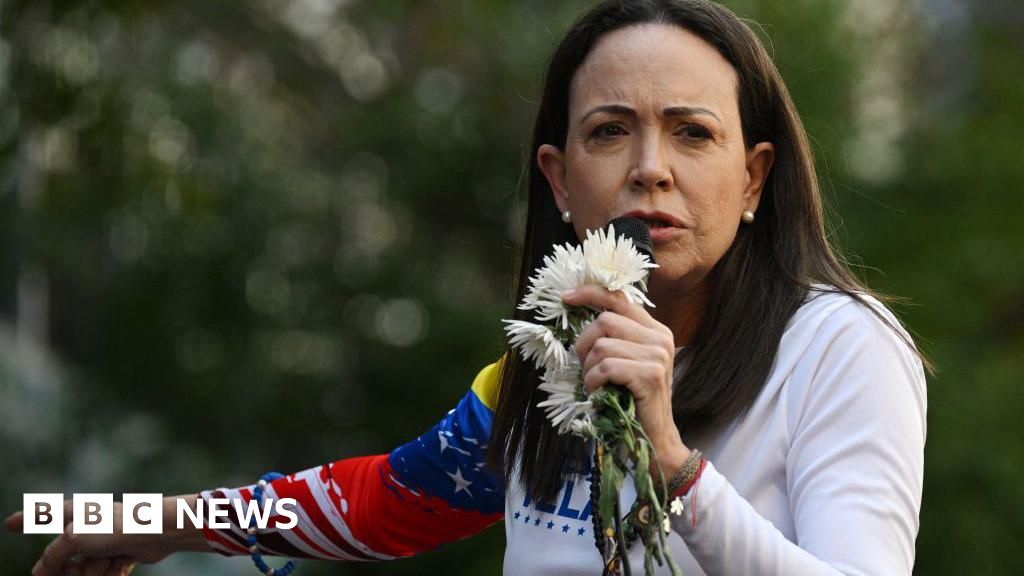
In an extraordinary development that underscores the fierce struggle for democracy against authoritarian regimes, María Corina Machado, the revered opposition figure from VENEZUELA, has been awarded the Nobel Peace Prize. Celebrated globally as a symbol of resilience, Machado’s advocacy for freedom and democratic principles exemplifies the vital role of civilian courage in South America’s ongoing political turmoil. Her recognition by the Nobel committee not only elevates her personal fight but also spotlights the broader geopolitical repercussions of Venezuela’s protracted crisis—a nation once proud of its prosperity, now suffering under the shadow of dictatorship.

The background to Machado’s pivotal ascent is rooted in the controversial July 2024 presidential election, fiercely contested and widely regarded as a decisive moment in Venezuela’s democratic backslide. The opposition, led by Machado’s ally Edmundo González, claimed to have won decisively, a victory nullified by Nicolás Maduro, who refused to cede power. The subsequent crackdown—marked by arrests, exile, and underground resistance—symbolizes the intensified, brutal grip of Maduro’s regime over Venezuela’s political landscape.

Despite her exile and living in hiding, Machado’s symbolic presence remains a rallying point for opponents. Her recent Nobel accolade has ignited hope among Venezuela’s dissident community and international allies, especially the United States. The U.S. has responded with increased military posturing, with reports of a significant naval buildup off Venezuela’s Caribbean coast—an ominous sign that some factions may be preparing for regime change. While such plans remain covert, the potential for external intervention raises profound concerns regarding sovereignty and regional stability, fueling fears of a broader conflict rooted in U.S.-Latin American relations. Analysts from institutions like Chatham House warn that this move could escalate tensions in a nation already torn apart by economic despair and social unrest.

The international community’s stance on Venezuela’s crisis continues to evolve. The United Nations and numerous human rights organizations have condemned Maduro’s government for systematic repression, citing the displacement of nearly 8 million Venezuelans—a staggering exodus driven by poverty, violence, and political persecution. As Machado’s efforts garner global recognition, her Nobel victory illuminates the stark contrast between the hope of democracy and the oppressive reality beneath Maduro’s rule. This recognition is also interpreted as a message to Venezuela’s military and elites: the world is watching, and the legacy of Maduro’s brutalism will be scrutinized in the court of history.

Within Venezuela, Machado’s narrative of courageous resistance continues to inspire widespread protests and civil disobedience. Her decades-long involvement in politics, from confronting Chávez to mobilizing citizens in the current struggle, has cemented her as a symbol of hope. Still, critics point out her controversial calls for foreign military intervention, which some interpret as bordering on reckless and potentially destabilizing. Historians and international observers urge cautious judgment, emphasizing the importance of defending sovereignty, yet acknowledging the profound desire among Venezuelans for justice and renewal. As the world watches each new twist in this saga, the weight of history presses heavy upon the shoulders of both those who fight for freedom and those who seek to maintain order at all costs.

Nobel Peace Prize 2025: María Corina Machado Recognized for Defending Democracy in Venezuela

Global Impact of the 2025 Nobel Peace Prize: A Reflection of Shifting Geopolitical Currents

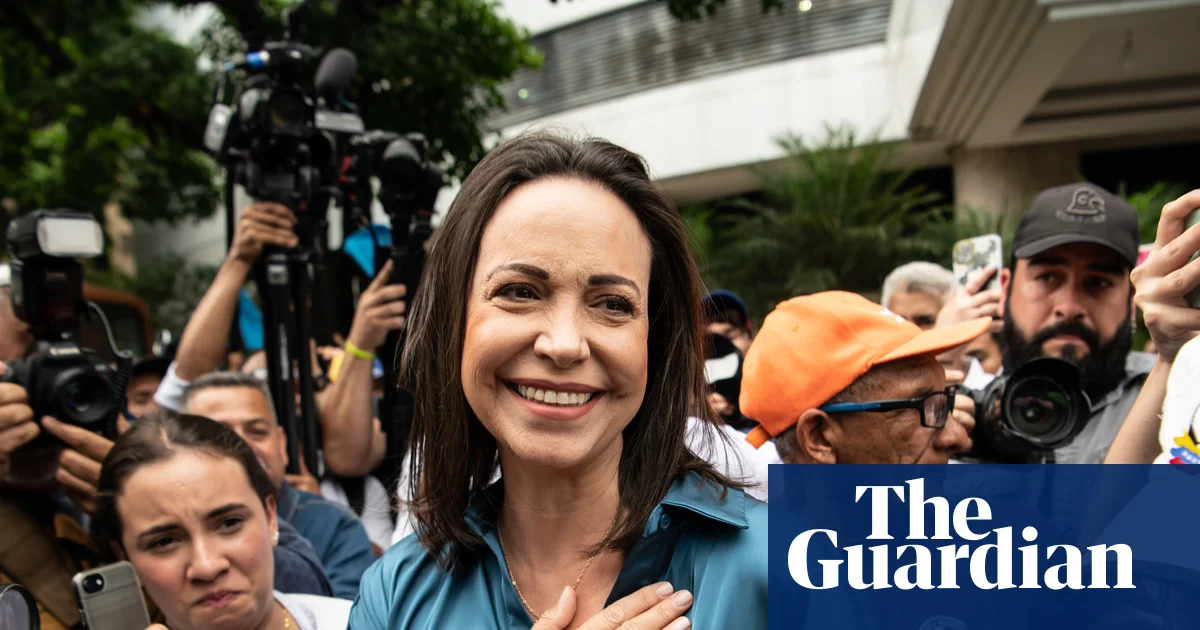
In a move that has resonated across continents and stirred debate among international observers, María Corina Machado, Venezuela’s most prominent opposition leader, was announced as the recipient of the Nobel Peace Prize 2025. Her recognition is not merely a testament to her personal resilience but signals a broader geopolitical statement, emphasizing the importance of democratic advocacy amid worsening authoritarian regimes. The Norwegian Nobel Committee lauded her efforts for promoting democratic rights, yet critics and analysts argue that this year’s decision also subtly addresses pressing global conflicts and the wake of recent diplomatic fissures.

Historian and geopolitical analyst Dr. Jonathan Steele notes that the choice “strikes a chord in a world teetering on the brink of regional and global crises.” He highlights that current conflicts in Ukraine, the Middle East, and tensions surrounding US-Norway relations serve as the backdrop for this year’s award. The Norwegian committee, infamous for maintaining strict confidentiality about nominations, appeared to have intentionally sent a clear message — one of resilience and defiance in the face of authoritarianism. Meanwhile, the committee’s emphasis on “courage and integrity,” especially in a climate where global order appears fragile, underscores how *the Nobel Peace Prize is often a reflection of international moral resistance* against tyranny and violence, a view supported by international organizations assessing the shift in global realpolitik.

  • The committee’s recognition of Machado, who has been forced into hiding amidst threats for her activism, frames the award as a beacon of support for oppressed populations globally. Her statement that “this is an award for an entire movement” resonates with the international community’s understanding that democracy depends on persistent resistance and that fighting against authoritarianism is a universal cause.
  • In contrast, the decision to sideline controversial figures, notably former US President Donald Trump, who publicly lobbied for the prize, highlights the committee’s emphasis on moral clarity. As Nobel experts explain, this year’s choices are shaped not only by individual merits but also by *the geopolitical symbolism* they convey, especially as nations grapple with internal unrest and external threats.
  • Machado’s recognition is also seen as a quiet rebuke to Nicolás Maduro’s regime, which the committee describes as increasingly authoritarian — a judgment echoed by independent human rights groups. This stance reflects a broader international narrative casting Venezuela as a cautionary tale for autocracies, with the prize serving as a reminder how *authoritarian machinery crushes dissent and human rights*.

International organizations and democracy advocates alike interpret this event as a declaration of moral steadfastness—a call for nations to uphold principles of justice and human dignity during turbulent times. Yet, beneath the public accolades lies a complex diplomacy. The committee’s explicit acknowledgment of Machado’s sacrifices, combined with veiled criticisms of Maduro’s government, exemplifies how awards like these influence **geopolitical alignments** — potentially softening or hardening international responses to crises. As Dr. Stein concludes, *“The Nobel Peace Prize remains a potent tool in shaping the moral contours of international diplomacy, especially when conflicts threaten global stability.”* And in an era where the future remains unpredictable, these decisions are not just awards—they are signals in the ongoing chess game of world politics.

As history continues to unfold, the true significance of this year’s Nobel Peace Prize will be measured in how it sustains or shifts the global balance of power. From the streets of Caracas to the corridors of global power, the choices made today might just echo for generations, reminding us that in the struggle for peace, moral conviction remains a formidable force.

Social Media Auto Publish Powered By : XYZScripts.com