Matox News

Truth Over Trends, always!

North Island Prepares for Cyclone Vaianu: Thousands Urged to Evacuate

Global Climate Instability: New Zealand Battles Cyclone Vaianu

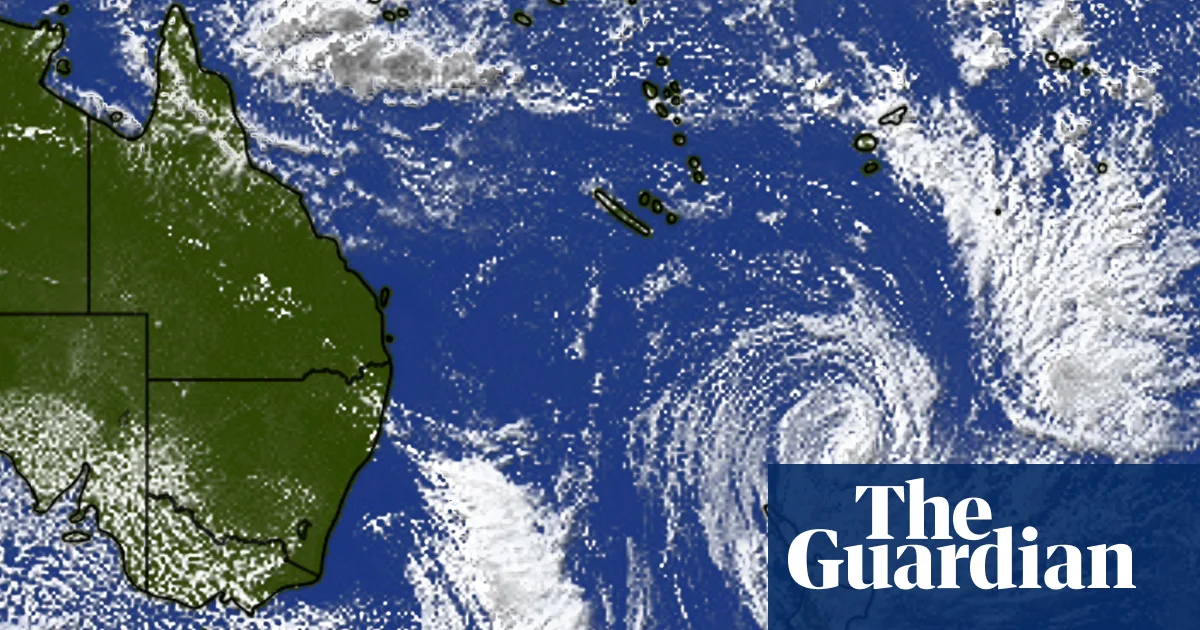
New Zealand is once again at the mercy of nature’s fury as Cyclone Vaianu approaches its North Island, compelling thousands to evacuate and putting national emergency protocols to the test. Forecasters warn that the cyclone, expected to make landfall on Sunday, could unleash wind speeds up to 130 km/h (80 mph), accompanied by heavy rain, coastal flooding, and potential landslides. Authorities in regions like Whakatāne—a community of roughly 37,150 residents—have issued emergency declarations, emphasizing the gravity of the situation and the likelihood of widespread destruction.

This storm bears a stark reminder of how unpredictable and destructive climate patterns have become. The disaster preparedness efforts echo a broader global concern woven into the fabric of international discourse. The World Meteorological Organization and various climate analysts have long warned that _increased cyclone activity_ is a *direct consequence of rising global temperatures*. Historical data confirm that storms like Cyclone Gabrielle, which devastated parts of New Zealand in 2023, killing 11 and displacing thousands, serve as grim forewarnings of what climate change fuels: more powerful, less predictable storms capable of devastating communities with brutality and speed.

Politicians such as Prime Minister Christopher Luxon have urged residents to remain vigilant, stressing the importance of community resilience. “Make sure drains are free, check in on the neighbours, and be prepared for possible power cuts,” Luxon advised via social media. This call to civility underscores a crucial point: _decisions made today in emergency preparedness and infrastructural resilience_ *determine* how societies withstand the chaos unleashed by nature’s shifting climate*. The experience reflected in New Zealand’s recent calamity underscores the rising stakes for nations vulnerable to extreme weather, and global institutions are increasingly calling for coordinated action to mitigate these risks.

The escalating frequency of such natural disasters has spurred international debate over long-term strategies. Developing nations face the harshest realities, often lacking the resources to fully prepare or respond. Meanwhile, climate diplomacy shifts towards _collaborative efforts_—but critics argue they are too slow and insufficiently bold. The **United Nations** and major countries have made pledges to curb emissions; however, skeptics question whether these commitments can curb the *accelerating pattern* of destructive storms and sea-level rise. As some analysts warn, _in the absence of decisive climate action_, storms like Vaianu will become increasingly common, testing the resilience of societies worldwide and threatening stability on an international scale.

Ultimately, the story of Cyclone Vaianu is a harbinger of a new era—one where climate extremes are no longer exceptions but commonplace. As the earth’s climate system teeters and shifts, history’s pen remains poised at an uncertain crossroads. Will global resolve and technological innovation allow humanity to tame the chaos, or will nature’s wrath continue to write its tragic stories of destruction and displacement? The storm approaching New Zealand is more than a local incident; it is a stark reminder that in the grand march of history, humanity must confront its greatest challenge yet—before the shadows of catastrophe stretch across the world’s horizon.

She Fled North Korea with Mom—Now I Fear They’ll Send Her Back

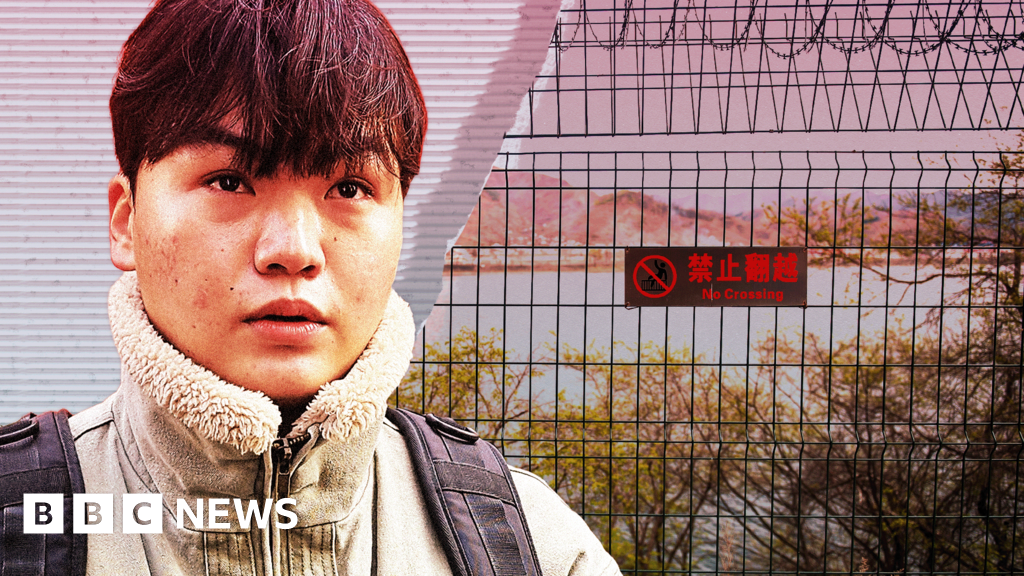
The recent circumstances surrounding Geumseong, a South Korean national who successfully arrived in South Korea but whose mother remains detained in China, underscore the complex and often volatile landscape of international migration and diplomatic relations. While Geumseong’s safe passage offers a glimmer of hope in a tense geopolitical environment, the ongoing detention of his mother highlights the persistent vulnerabilities faced by individuals caught in cross-border conflicts. Analysts warn that this scenario exemplifies how domestic policies and international diplomacy intersect, with human lives often at the mercy of broader geopolitical chess games.

The case reignites ongoing debates about the treatment of migrants and the role of diplomatic safeguards within the framework of international law. According to reports, Geumseong’s mother is confined within a Chinese prison and may face forcible repatriation. Such actions, if carried out, violate the principles enshrined in international treaties like the United Nations Convention Against Torture. Many geopolitical observers draw parallels to other situations where China’s judicial system has been criticized for lacking transparency, especially in cases involving foreign nationals or political dissidents. The South Korean government is reportedly advocating for her release, yet diplomatic channels are strained amid ongoing tensions over sovereignty, security, and broader regional rivalries.

This crisis exemplifies the wider geopolitical impact of border disputes, national security concerns, and international influence. According to prominent international relations scholars, such incidents are not isolated but are deeply intertwined with the shifting power dynamics within Asia. The decision by Chinese authorities to possibly repatriate Geumseong’s mother could serve as a bellwether for persistent authoritarian practices that undermine individual rights in favor of state interests. The situation also underscores how such conflicts influence societal perceptions and the resilience of democratic values. Governments and critics alike are watching closely, knowing that these events hold broader implications for regional stability and the integrity of international law.

In this high-stakes geopolitical theater, organizations like the United Nations and Human Rights Watch continue to scrutinize China’s actions, calling for diplomatic solutions rooted in respect for human rights. Yet, history has repeatedly shown that such crises often boil down to strategic calculations rather than humanitarian considerations. Analysts worry that the decision to forcibly repatriate individuals like Geumseong’s mother could set a dangerous precedent—one where sovereignty overrides the fundamental rights of individuals caught amidst geopolitical tensions.

As the story unfolds, the world watches a poignant tableau of personal tragedy amid the grander narratives of nation-states vying for dominance. In the shadows of diplomatic rhetoric, the plight of a mother imprisoned and a child seeking justice echoes across borders, reminding us that behind geopolitical shifts are lives forever altered. The outcome of this crisis may well shape future policy decisions and international norms. It leaves history on the precipice—an unresolved chapter in the ongoing story of power, human resilience, and the fragile pursuit of justice in an often uncompromising world.

Narelle Strikes Far North Queensland with 250km/h Winds, Leaving Roofs Torn and Trees Down

Severe Tropical Cyclone Narelle: A Harbinger of Climate and Geopolitical Tensions

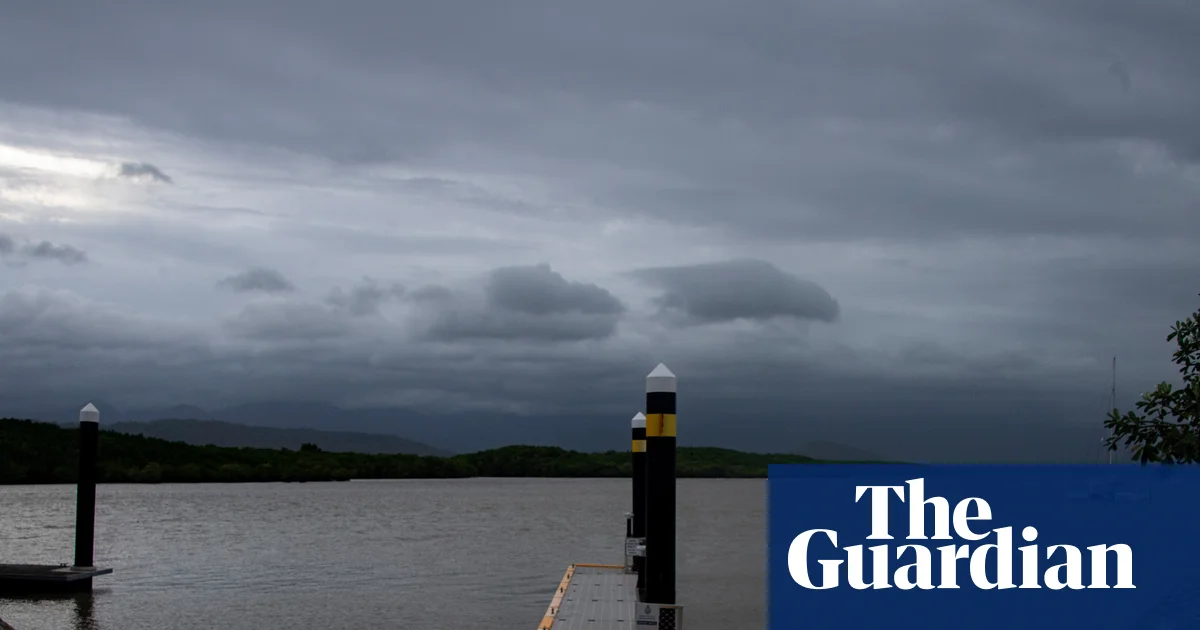
As Australia’s latest extreme weather event, Tropical Cyclone Narelle struck the far north of Queensland with devastating force, exemplifying the ongoing impact of global heating on natural disasters. Making landfall as a “high-end” category 4 system, Narelle’s winds reached sustained speeds of 195km/h, just shy of the catastrophic level of category 5, with gusts exceeding 270km/h. Authorities issued warnings for coastal communities like Coen and Port Stewart, emphasizing the danger of storm surges, rainfall-induced flooding, and destructive winds. This storm highlights a global crisis where climate change acts not merely as a backdrop but as a catalyst fueling more frequent and ferocious weather phenomena, destabilizing societies and threatening livelihoods.

Scientists attribute the intensification of storms like Narelle to rising ocean temperatures—an unmistakable signature of unchecked global heating. Higher sea surface temperatures provide more fuel for cyclones, allowing them to grow stronger and more unpredictable. According to climate models and international climate agencies, this warming pattern is expected to continue, meaning that coastal regions worldwide will face increasing vulnerability. The Bureau of Meteorology has warned that rising sea levels and intensified rainfall will augment the risk of coastal inundation, especially in already vulnerable communities. As analysts point out, such local catastrophes are a symptom of a broader geopolitical challenge: nations worldwide must confront the consequences of energy and environmental policies that ignore the mounting evidence of climate urgency.

Global Responses and Geopolitical Implications

  • The United Nations and other global institutions have called repeatedly for ambitious climate action, yet progress remains hampered by geopolitical conflicts and economic self-interest.
  • Major emitters like China and the United States face mounting pressure as their policies continue to influence global climate trends.
  • In the Pacific, rising sea levels threaten the sovereignty and security of island nations, fueling regional tensions and migration crises that ripple across international borders.

International analysts warn that, amidst these mounting challenges, the decision to prioritize economic growth over environmental sustainability could accelerate the destabilization of regional and global stability. Historians like Michael T. Klare have long argued that resource scarcity and environmental degradation tend to exacerbate geopolitical conflicts. In this evolving landscape, climate-induced disasters like Narelle serve as stark reminders that the future of international security depends not only on diplomacy but on genuine commitments to sustainability. The United States and European Union, for example, have begun discussions on a shared strategy to combat climate-related chaos, yet the path remains fraught with political division and economic interests.

Societal Shifts and the Road Ahead

On the ground, the impact of Narelle has been severe—roof damages, uprooted trees, and vulnerable communities bracing for ongoing threats. As experts highlight, the human toll underscores how climate disasters disproportionately affect remote and underfunded regions, thus magnifying social inequalities. The storm’s potential to produce unprecedented rainfall and storm surges risks turning local tragedies into wider crises that demand immediate international aid and strategic resilience planning. This unfolding story is not merely about weather—it is about the resilience of societies confronting a rapidly changing climate, and how international cooperation can determine their future security.

As history unfolds in the wake of Cyclone Narelle, the questions loom: Will nations reconcile their economic pursuits with the necessity of environmental stewardship? How will geopolitical power dynamics adjust in an era where climate disasters threaten to redefine boundaries and alliances? The weight of history is now in the balance, with each decision echoing through generations. The storm’s fury reminds us that while the winds of change are relentless, the choices we make today will determine whether societies emerge stronger or are swept away by the tide of history.

Australia News Live: NSW Anti-Slavery Chief Questions Iran Football Squad’s Exit; Earthquake Rocks North of Canberra

International Ripples: Australia’s Crucial Decisions Shape the Geopolitical Landscape

Fresh developments emanating from Australia highlight a nation at a critical juncture, where internal decisions transcend borders, echoing the broader battles of sovereignty and moral responsibility on the world stage. The controversial departure of the Iranian women’s football team from Australia has sparked intense scrutiny and debate, not only about domestic policies but also about how nations handle complex issues of threat, coercion, and international law. Analysts warn that the handling of this incident could redefine Australia’s stance towards human rights and its diplomatic credibility, especially amid ongoing conflicts involving Iran and other regime-led states.

The incident underscores a fragile geopolitical balance, where the NSW anti-slavery commissioner questioned top-tier institutions—including the federal police, Sydney airport, and Qantas—over their role in facilitating the squad’s departure amidst wide-ranging concerns about coercion. Dr. James Cockayne emphasized that the athletes’ decision to leave might have been unduly influenced by threats and intimidation, echoing fears of exit trafficking—a grave issue that highlights how vulnerable individuals become pawns in larger geopolitical conflicts and authoritarian tactics.

This scenario not only raises questions about domestic oversight but also spotlights how international diplomacy and law enforcement are intertwined with issues of regime repression, especially with Iran’s regime known for its misogynistic policies and suppression of dissent. The international community, including historians and global watchdogs, warn that failure to address coercion effectively may embolden oppressive regimes and undermine the principles of free movement and asylum. The incident prompts a looming question: Does Australia’s handling reflect a broader tendency among Western nations to prioritize diplomatic relations at the expense of human rights and protective oversight?

In parallel, domestic policies such as the Victoria government’s initiative to provide free pest and building reports for homebuyers reveal a nation grappling with internal challenges of transparency and economic security. Jacinta Allan, Victorian Premier, advocates for the reform to curb excessive costs and empower consumers, a move seen as a step to reinforce confidence in Australia’s private sector amidst global economic uncertainties. Yet, these domestic shifts signify more: a concerted effort to reshape societal expectations and assert control over economic vulnerabilities, which, analysts argue, are now heavily influenced by international events, including the conflict in the Middle East.

As geopolitical tensions in the Middle East intensify, Australia stands as an exemplar of how a nation’s internal policies, international dealings, and moral stance are increasingly interconnected. The recent earthquake near Boorowa and severe flooding in Queensland further symbolize a nation resilient yet besieged by uncontrollable forces—nature and geopolitics alike. The way Australia navigates these turbulent waters will indelibly mark its role in the shifting global order, where decisions about refugee protection, international trade, and moral leadership are more intertwined than ever. History’s weight is heavy on Australia’s shoulders, with each move possibly rewriting the contours of its national identity and its influence in shaping the rules of a new geopolitical era.

Blood Moon Eclipse Sets the Stage for a Spectacle Over North America, Australia, and New Zealand

On Tuesday night, a rare celestial spectacle known as a “blood moon” will be visible across North America, Australia, and New Zealand. This total lunar eclipse, where the Earth’s shadow turns the full moon into a deep, coppery red, is not just a marvel of nature but also a reminder of the interconnectedness of our world. Astrophysicists highlight the significance of such phenomena in inspiring curiosity and unity among populations. Yet, beneath the cosmic fireworks lies a profound symbol of shifting geopolitical tides and societal transformations. As the moon quietly traverses Earth’s shadow, nations are caught in the flux of global change—whether through diplomacy, economic upheaval, or collective consciousness.

Impact Beyond the Night Sky

Historically, celestial events like the “blood moon” carried ominous portents, fueling superstitions and shaping belief systems. However, today’s interpretation is more scientific, emphasizing our planet’s dynamic nature. According to analysts like Dr. Rebecca Allen and Dr. Brad Tucker, the event signifies not only a spectacular show but also a reflection of our planet’s delicate balance. “Just as a sunset’s hue is fleeting, so too are the moments when humanity must look up and recognize our place within the cosmos,” asserts Dr. Allen. International organizations, such as NASA, utilize these phenomena as a platform to foster global awareness, yet the real impact lies in how nations perceive their roles amid ongoing crises.

Deciphering the Celestial Message in the Geopolitical Realm

The timing of the eclipse coincides with a pivotal period for countries involved in ongoing conflicts and diplomatic shifts. For example, China and Russia continue to challenge Western influence, their actions often viewed through the lens of strategic positioning affected by external pressures. Meanwhile, the U.S. administration faces internal debates over foreign policy priorities, with some analysts warning of a potential return to Cold War-era rivalries. The celestial event serves as a symbolic backdrop for these power struggles, illustrating how human history, like the cosmos, is governed by cycles of darkness and illumination. Historians caution that neglecting to interpret these societal eclipses risks repeating patterns of complacency and conflict, especially as economic stability diminishes in tandem with political tensions.

Looking Ahead: The Next Phase of Global Realignment

The upcoming total lunar eclipse is a transient spectacle, yet it heralds a long-term warning of what may come. The next similar event is projected for 2028, with a partial eclipse occurring in 2026, offering a window for nations to reassess their trajectories. The international community must recognize that the choices made today—be it in climate policy, technological competition, or peace negotiations—are the true eclipses shaping tomorrow’s history. As Dr. Brown noted, ancient empires saw blood moons as omens; today, they serve as warnings. Humanity stands at a crossroads, where celestial signs prompt us to reflect on whether we will emerge from darkness into a new era of cooperation or spiral further into chaos, the echo of history yet unresolved. In this cosmic drama, the universe continues to watch silently, the weight of our destiny undetermined but undeniably vital, as the night sky bears witness to the ongoing narrative of human civilization.

Is Kim Jong Un’s Teenage Daughter in Line to Lead North Korea?

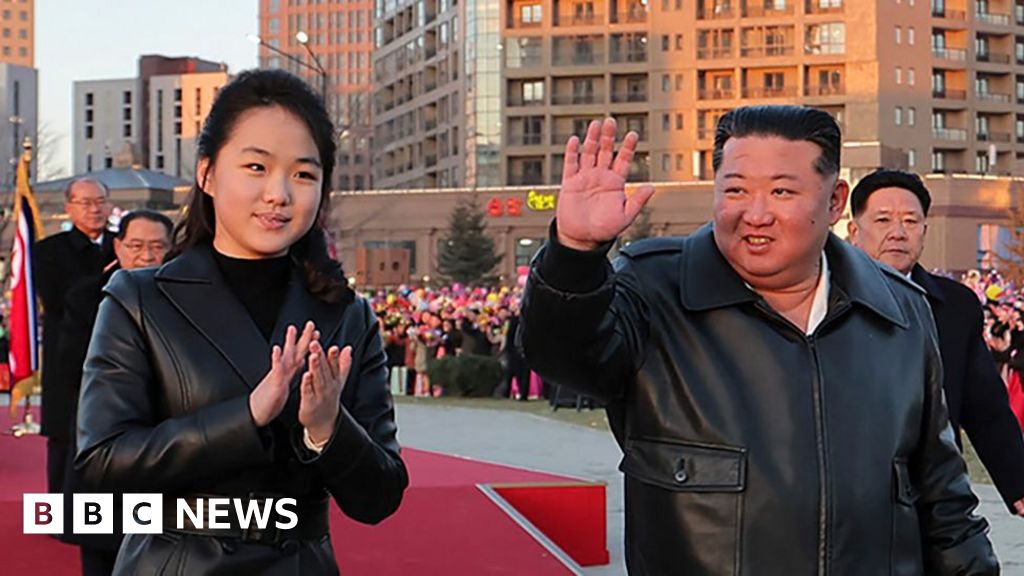
The delicate geopolitical landscape of East Asia continues to be shaped by the elusive and often unpredictable nature of North Korea. According to insights provided by Ryu, a former diplomat turned defected observer, the country’s legal foundation is deeply rooted in a dynastic doctrine that underscores the importance of inheritance of power within the Kim family. This doctrine mandates that the nation be governed by an individual bearing the Paektu bloodline, which traces directly to the country’s founder, Kim Il Sung. This dynastic principle not only sustains the political legitimacy of the Kim family but also entrenches a rigid succession model that influences everything from national policy to international diplomacy.

Since defecting in 2019, Ryu has shed light on the profound implications of these internal rules, which are crafted into the nation’s legal code by the Kim family itself. The strict requirement for leadership to descend from Kim Il Sung ensures continuity, yet it also risks stagnation, especially as the current leader, Kim Jong Un, consolidates power amidst mounting global pressures. The legal and ideological architecture of North Korea serves both as a barrier to political reform and a symbolic declaration of loyalty, making any potential leadership change a carefully choreographed event that influences regional stability.

International analysts and historians have consistently pointed out that North Korea’s dynastic succession shapes **not only internal governance** but also has global consequences. The country’s aggressive nuclear development programs, persistent military posturing, and diplomatic isolation are in part driven by the Kim family’s desire to maintain their rule and defend their ideological sovereignty. Organizations such as the United Nations warn that such policies threaten regional security and global peace. As East Asian powers, including South Korea and Japan, recalibrate their defenses amidst unpredictable leadership transitions, the world watches with a mixture of concern and alarm. The international community’s attempts to negotiate denuclearization have repeatedly been stymied by North Korea’s insistence on sovereignty rooted in these dynastic principles, which are as much about preserving Kim family control as they are about national pride.

In the larger geopolitical chessboard, China and Russia also play critical roles, continuously balancing their strategic interests with North Korea’s internal realities. As China’s economic influence grows and Russia seeks to expand its presence in the region, the dynastic stability of Pyongyang remains a pivot point that could sway regional alignments. If the Kim regime were to falter or transition unexpectedly, the consequences for global diplomacy could escalate rapidly, pushing the world into an era where the clash of ideologies and the pursuit of influence threaten to ignite localized conflicts into broader crises.

History often shows us that the decisions taken today echo through generations. As North Korea remains committed to its legal code rooted in the Kim dynasty, experts caution that the uncertainty of leadership succession leaves the international order vulnerable to sudden shifts. With each passing day, as the world watches, the unfolding story of a nation foundationally bound by blood, ideology, and power continues to rate as one of the most consequential narratives of the 21st century—where the lines between stability and chaos are defined by the unyielding will of a dynasty that refuses to fade quietly into history.

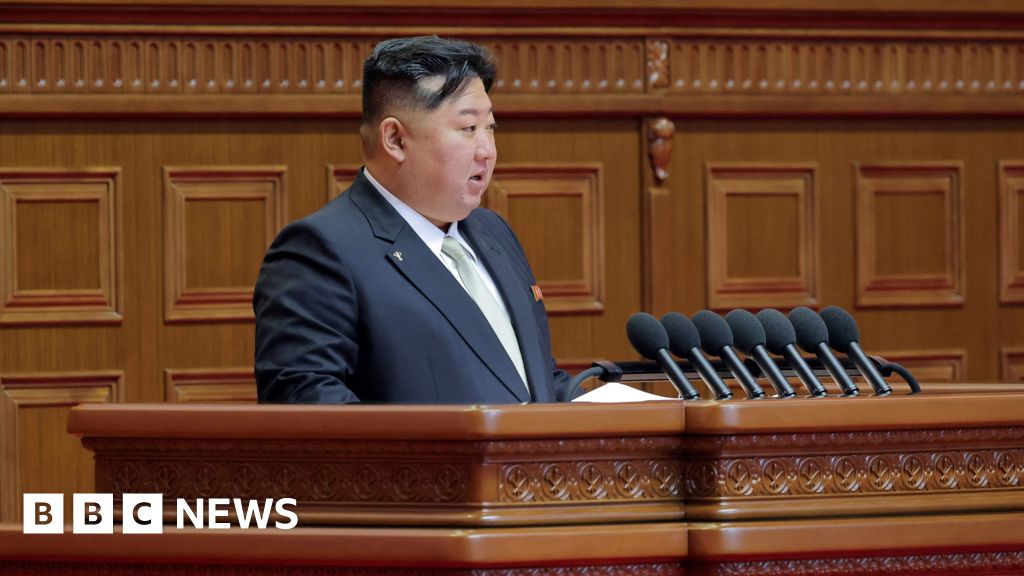
Kim Jong Un stays in power, leading North Korea’s ruling party once again

Kim Family’s Enduring Grip Continues Amidst Surrounding Global Uncertainty

The recent declaration by North Korea’s ruling party congress has reaffirmed the unwavering authority of the Kim family dynasty, a political reality that has persisted since the 1940s. While this reaffirmation may seem predictable to observers familiar with the regime’s history, the international community cannot dismiss the significance of this repeated consolidations of power in the context of an increasingly unpredictable geopolitical landscape. The Kim family’s control over North Korea’s political, military, and economic spheres remains a central factor shaping regional stability and global security dynamics.

Although the Kim regime’s leadership continuity is often seen as a static feature, analysts emphasize its underlying implications for regional deterrence and diplomatic engagement. The party congress, held amidst rising tensions and a shifting international order, signals that Pyongyang is prepared to maintain its stance of strategic ambiguity alongside its pursuit of nuclear advancements. This decision comes at a delicate juncture, with geopolitical shifts in Asia and beyond threatening to reshape alliances and conflict zones. Historically, the Kim family’s unwavering grip, despite economic sanctions and international pressure, demonstrates their focus on regime preservation over domestic reform—an approach that ensures North Korea’s position as a nuclear-armed state at the heart of East Asian security calculations.

The international repercussions of this reaffirmed control are profound. Countries such as South Korea, Japan, and the United States assess North Korea’s trajectory based on its internal consolidations of power. In particular, U.S. policymakers and global security analysts warn of potential escalations resulting from the Kim regime’s continued military modernization, which they increasingly perceive as a threat to regional stability. Meanwhile, China and Russia remain cautious, balancing their strategic interests—diplomatically supporting Pyongyang’s sovereignty while emphasizing the need for stability along their borders. These dynamics underscore how a regime firm in its authority can influence trade, security pacts, and diplomatic negotiations, often at the expense of cooperation and peace.

Historically, the Kim dynasty’s resilience underscores the importance of understanding where power lies in North Korea—beyond superficial leadership changes, it is the deep-rooted political machinery that sustains their rule. As noted by geopolitics scholars, such as Prof. Michael Kelly at the University of London, decisions made within the party congress serve as a powerful signal that Pyongyang intends to persist on its chosen path—a path defined by self-reliance and strategic defiance. This determination effectively sends a warning to the world: stability in East Asia remains fragile, held in the balance by a regime that refuses to relinquish its grip on power regardless of external pressures.

Ultimately, the enduring control of the Kim family over North Korea is a narrative that continues to unfold amidst a fraught and unpredictable world stage. The decisions made today—beneath the surface of orchestrated congress speeches—are shaping the future of peace and conflict across a region where history’s shadows loom large. As the global community watches with cautious trepidation, the late 20th-century lessons of resilience meet the urgent demands of a 21st-century geopolitics—reminding us that history’s true power lies in its capacity to shape tomorrow’s uncertain frontier.

Storm Leonardo pummels Europe and North Africa—stay alert!

Storms Clash with Global Geopolitics: A Winds of Change

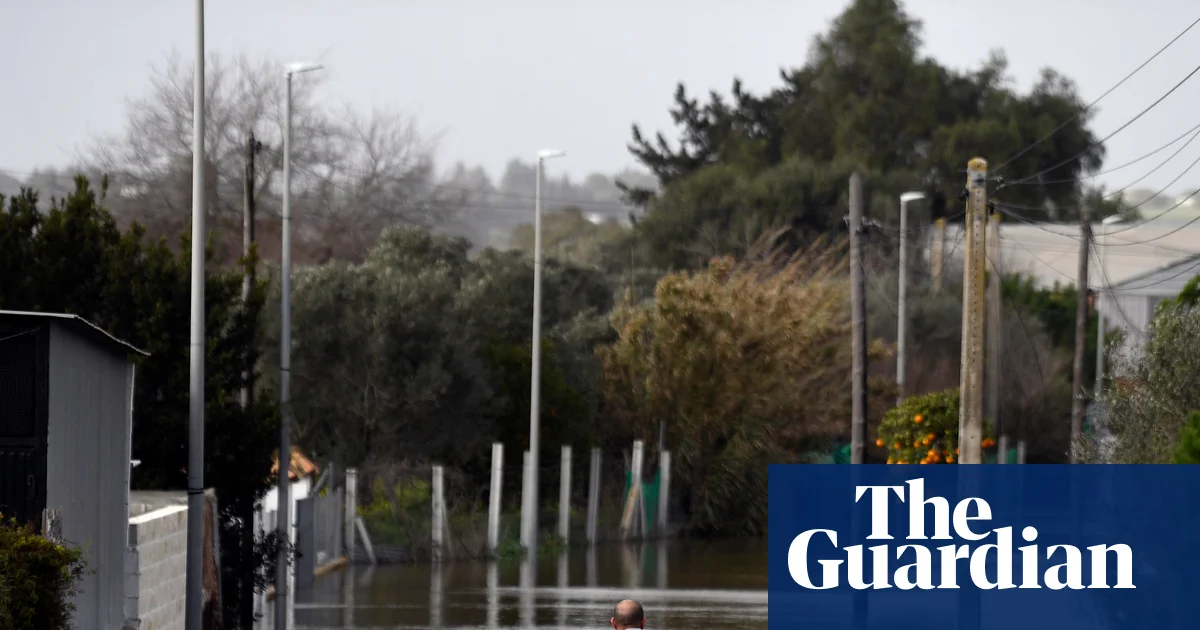
As Storm Leonardo unleashes its fury over the Iberian Peninsula, the broader geopolitical landscape faces a different kind of tempest—one fueled by climate change, regional instability, and shifting alliances. Torrential rains and destructive winds have wrought havoc across parts of Spain and Portugal, with weather agencies issuing their highest red alerts for acute flooding. Yet, beyond the immediate humanitarian toll, this natural disaster underscores a vital issue: how environmental crises are becoming intertwined with global power dynamics and intra-national stability.

Leonardo’s relentless strikes are rooted in complex climatic patterns, notably an unnaturally southward-shifted jet stream, which has stalled the storm over the region and coupled with an “atmospheric river” channeling tropical moisture from the Caribbean. According to climate analysts, these phenomena are not anomalies but part of a disturbing trend—where extreme weather events are intensifying and becoming more unpredictable. This scenario leaves nations like Spain and Portugal vulnerable, impacting their internal security, economy, and political stability. As the floodwaters rise and infrastructure crumbles, political leaders are under mounting pressure to implement more resilient policies, often revealing existing rifts and fundamental governance challenges.

Meanwhile, the crisis extends beyond Europe’s Atlantic coast, spiraling into the broader North African region. In northern Morocco, over 100,000 people have been evacuated from flooded cities such as Ksar El-Kebir after overflowing rivers caused widespread destruction. This humanitarian crisis, compounded by recent heavy rains, exposes the fragile state of governance in parts of Africa and highlights the ever-present risk of regional instability—especially as environmental stress fuels social unrest. International organizations warn that such natural disasters could serve as catalysts for geopolitical shifts, with rising migration pressures and economic strain destabilizing already vulnerable nations.

Adding to this volatile mix, the Philippine Sea saw the formation of Tropical Storm Penha, which brought destructive winds, storm surges, and heavy rainfall across northern Mindanao. With forecasts predicting further inland rainfall and wind damage, the storm exemplifies how climate events are becoming complex, interconnected crises that influence multiple regions simultaneously. The international community faces a stark reality: climate change escalates the frequency and intensity of natural catastrophes, creating a ripple effect of geopolitical consequences. The consensus among international analysts, from climate scientists to geopolitical strategists, emphasizes that these environmental upheavals will continue to be a key factor in regional power balances and global security.

As history continues to unfold in unpredictable storms and floods, the question remains—how will nations adapt to this new era of environmental upheaval? The unfolding chaos tests the resilience and sovereignty of states and threatens to redraw the map of influence. In the coming days, as Spain and Portugal grapple with the aftermath, and as North Africa and Southeast Asia brace for their own storms, one thing is clear: these environmental challenges are no longer isolated incidents—they are the harbingers of a new geopolitical epoch, with the storms of today shaping the borders and alliances of tomorrow. The winds of change are rising, and the weight of history remains, unwavering, as the world’s future hangs by a fragile thread.

North Korea’s ‘paradise on Earth’ nightmare resurfaces in Japan

More than six decades after Japan and North Korea became entangled in a story marked by deception and suffering, a landmark legal victory underscores the persistent imperfections of international justice and the ongoing repercussions of authoritarian regimes. The case involves survivors of a North Korean program that lured ethnic Koreans from Japan with false promises of prosperity and protection. Many, like Eiko Kawasaki, endured forced labor, denied basic rights, and faced family separation—reminiscent of the brutal history of colonial exploitation and modern state-sponsored human rights abuses. The recent court order in Tokyo for North Korea to compensate four escapees with a combined sum of at least 80 million yen (roughly £375,000) signals a rare assertion of sovereignty and accountability in a geopolitical landscape marred by silence and impunity.

This ruling is a significant, if symbolic, crack in the wall of North Korea’s international isolation and a warning of the shifting balances of power. Assessments by international organizations, including Human Rights Watch and renowned analysts, suggest that despite Pyongyang’s declared ambitions for a “socialist paradise,” the regime’s true operation is rooted in exploitation and survival through repression. It is noteworthy that the Japanese government, along with nongovernmental entities like the Red Cross, distanced themselves from the lawsuit’s financial demands, hinting at the complex diplomatic dance that often shields regimes from full accountability. Yet, the court’s decision, hailed as a historic exercise of sovereignty, firmly places North Korea on the international stage as culpable for practices akin to a form of corporate kidnapping—an echo of its once colonial past and a reminder of the regime’s ongoing brutality against its own people.

Historical context reveals that hundreds of thousands of Koreans—both in Japan and in North Korea—have endured similar hardships rooted in geopolitical manipulation. The regime’s incentivization strategies, backed by the now-defunct Japanese government, aimed to attract ethnic Koreans for labor purposes, often under the guise of providing a better life. The deception unraveled rapidly for Kawasaki, who after decades of forced servitude, defected in 2003, only to be haunted by the fate of her remaining family behind the sealed borders of North Korea. This real-life saga embodies broader concerns about how decisions made in distant capitals ripple through societies and histories, shaping destinies and deepening the cycle of suffering.

This development signals a broader geopolitical impact that resonates far beyond Japan and North Korea. It signifies a shift towards greater legal accountability and international scrutiny of North Korea’s human rights abuses, potentially inspiring other victims to seek justice. Meanwhile, critics warn that Pyongyang’s regime may ignore the court’s rulings altogether, continuing its practices of secrecy and repression. As analysts like Atsushi Shiraki and international bodies observe, this case hints at the evolving landscape of international law and the limits—and possibilities—of holding authoritarian regimes accountable in an increasingly interconnected world. One can only wonder: as history’s pen records these turning points, what future stories of resistance and justice might yet unfold in the shadows of Pyongyang’s cold steel gates?

Tuesday Briefing: Labour Bans Burnham — What the ‘King of the North’ Could Do Next

Today’s societal landscape is increasingly marked by divisions that threaten the fabric of families, erode the unity of communities, and challenge the very foundations of our education systems. These social tensions are often driven by political upheavals, demographic shifts, and cultural clashes that leave many feeling uncertain about the future. As prominent social commentators like sociologists and historians observe, these issues are not merely surface-level disagreements but reveal deeper rifts rooted in values, identity, and resource allocation. Consequently, understanding how these issues impact the everyday lives of citizens—especially families—is critical to forging paths toward societal recovery and hope.

Demographic change and societal fragmentation have significantly contributed to strained social cohesion. Urban centers, once melting pots of diverse populations, now face challenges in fostering inclusive environments. The shift away from traditional community bonds has been accelerated by migration, economic disparity, and the decline of local institutions. Families find themselves at the frontline, struggling to maintain stability amid economic insecurities and shifting cultural norms. These pressures have profound implications; children growing up in fractured communities experience less social capital, which impacts their education and future opportunities. As educators and child development experts warn, the erosion of communal support jeopardizes the moral and social fabric necessary for nurturing well-rounded individuals. This neglect of communal bonds, in turn, perpetuates cycles of disadvantage, making societal resilience harder to achieve.

Community institutions — including schools, religious centers, and local councils — have historically played vital roles in maintaining societal equilibrium. However, their capacity is diminishing as social issues deepen. For example, persistent conflicts over cultural identity and political ideology often spill into local settings, creating tensions that threaten to fracture neighborhoods further. Political decisions, such as policies that marginalize or exclude certain groups, exacerbate these divisions. In the realm of education, this manifests as curricula that may no longer reflect shared moral frameworks, leading to a sense of alienation among youth. Educational institutions are expected to be moral compasses, yet their ability to instill a unified sense of purpose is hampered by societal discord. As a result, young people may grow up feeling disconnected from their communities, compounding the social challenges faced by their families and the broader society.

Recognizing these issues, many social commentators and policy-makers advocate for fostering a renewed sense of shared identity and responsibility. Proposed solutions include revitalizing local institutions, promoting civic engagement, and encouraging dialogue across cultural divides. One promising approach emphasizes strengthening families as the primary social units responsible for moral education and social cohesion. Initiatives such as community-based programs, mentorship schemes, and inclusive educational reforms are being championed to rebuild bridges between disparate social groups.

  • Prioritizing family stability and shared values in social policy
  • Investing in local community infrastructure and education
  • Promoting intercultural understanding through dialogue and shared activities
  • Supporting families and communities directly impacted by social fragmentation

The path forward demands a collective effort—an acknowledgment that social harmony rests on the shoulders of families and communities. As social historians suggest, societies that invest in strengthening bonds at the grassroots level are better equipped to navigate and resolve conflicts. For the youth, this contends with the moral imperative of fostering resilience and shared purpose amid chaos. Ultimately, society’s greatest challenge—and its greatest hope—lies in rebuilding trust and unity from the fragments, ensuring that future generations inherit not a broken world, but one capable of renewal and hope. Society’s potential for transformation exists precisely in moments of reflection and concerted action, reminding us that even in division, there is room for unity—an enduring hope that, through collective effort, society can forge a brighter, more inclusive future.

Social Media Auto Publish Powered By : XYZScripts.com