Matox News

Truth Over Trends, always!

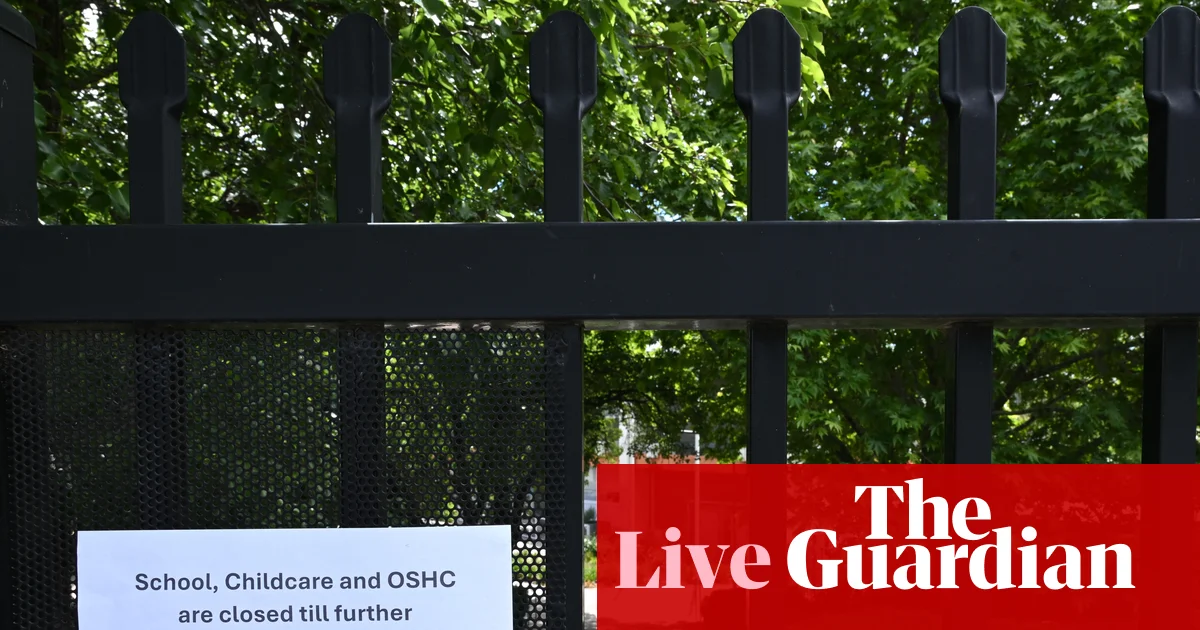
Australia News Live: ACT Shuts 71 Schools Over Sand Scare, NSW Police Crack Down on Domestic Violence—Protecting Our Communities

The geopolitical landscape is perpetually shifting, often influenced by key domestic decisions made within sovereign nations. Recently, Australia exemplifies this pattern through a series of dramatic developments that signal both internal challenges and external strategic recalibrations. The recent closure of 71 public schools in the ACT over fears of asbestos-laden children’s sand, alongside ongoing debates over immigration and energy policies, underscore how internal domestic issues can ripple outward, affecting international perceptions and alliances.

Meanwhile, in the wider global arena, significant shifts have occurred, notably with U.S. President Donald Trump signing an executive order easing tariffs on food imports, including beef and bananas. This move reflects a nuanced strategy aimed at addressing inflationary pressures domestically, but it also signals a broader tendency towards protectionism that could strain international trade networks. Patrolling these trade corridors, Australia’s Prime Minister Anthony Albanese reasserts the importance of global trade, framing it as a “bulwark against conflict”. Analysts from think tanks suggest that such rhetoric not only emphasizes economic cooperation but also highlights how trust in international partners can serve as a foundation for diplomacy, promising a buffer in times of crises.

Yet, Australia’s internal struggles — from the asbestos fears leading to school closures to contentious debates over immigration levels—a clear reflection of how decisions at home wield profound consequences for societal stability and international standing. Sussan Ley, the opposition leader, openly advocates for a reduction in immigration, citing community challenges such as transportation and infrastructure strains. Their stance, though controversial, reveals a broader tension on the alliance between open borders and national security, echoing concerns raised by historians and policy analysts who warn that unchecked demographic shifts can challenge social cohesion and political stability. Meanwhile, government funding for climate resilience projects across Australian states underscores a dual narrative: managing environmental threats while navigating economic constraints, as seen in the proposed $200 million investment in weather-resistant infrastructure.

Externally, unresolved conflicts and international economic policies intertwine with national strategies. With Australia poised at the crossroads—balancing energy independence, climate commitments, and economic revival—its path forward will inevitably influence regional stability and global alliances. The decision to support, or oppose, transitioning toward renewable energy sources and industrial resilience could determine whether Australia becomes a reliable partner or an unpredictable actor on the world stage. Historic analysts warn that in a world where “trust” is becoming a scarce commodity, the decisions of now will shape the geopolitical order of decades to come, a story still being written with each policy choice and international shift.

Australia News: NSW Nationals Drop Net Zero; Keating Honors Laws — Youth Voice Matters

In a world increasingly shaped by the relentless march of geopolitical shifts and domestic reckonings, recent events underscore a decisive moment in the unfolding fabric of history. Australia, often viewed as a microcosm of broader global trends, finds itself at a crossroads as regional political forces realign on crucial issues like climate policy and national identity. Meanwhile, the passing of iconic figures like John Laws reminds us how media personalities have historically shaped societal discourse, bridging the gap between politics and the everyday citizen in an era when radio was king. The legacy of individuals like Laws and the recent political maneuvers collectively illustrate the profound influence of communication and decision-making on national trajectories.

At the heart of international concern is the abandonment of commitments to net zero emissions by 2050—a stance taken rigorously by the NSW Nationals in Australia, following their federal counterparts’ lead in a move that threatens to fracture the stable fabric of coalition politics. The decision, driven by internal party discussions and influenced by a thinktank aligned with Senator Ross Cadell, signals a direct challenge to the global climate agenda endorsed by many Western nations.

  • Government officials and analysts have warned this rollback could hinder international efforts to combat the climate crisis, and threaten Australia’s diplomatic standing in climate negotiations.
  • The decision sparks a rift within the Coalition, specifically testing the resolve of opposition leader Mark Speakman, who has faced mounting pressure amidst poor polling and internal dissent.

The geopolitical impact of this shift extends far beyond national borders. Countries watching Australia’s retreat from climate commitments may perceive a broader trend of de-escalation or skepticism toward global climate initiatives, especially in regions where economic and energy independence are prioritized over environmental concerns. Experts like economists and environmentalists have issued stark warnings that such domestic decisions undermine international climate accords and could embolden other nations seeking to resist similar targets, thereby threatening the collective effort to mitigate the effects of climate change. Moreover, Australia’s internal debate reflects a national societal divide—those pushing for environmental credentials versus those emphasizing regional economic interests—highlighting how domestic policies can send ripples through the international diplomatic arena.

Meanwhile, the death of John Laws, dubbed the “king” of radio before the rise of the digital age, signifies a pivotal chapter in the history of media influence. Keating’s tribute underscores how Laws partnered with policymakers to educate Australia’s middle ground crowd on complex social and economic matters. This dynamic exemplifies how influential personalities have historically shaped public perception and policy, wielding power that transcends mere entertainment. As history presses forward, the media’s role in transmitting societal values and political discourse remains central, even as new digital platforms challenge traditional broadcasts. Recognizing these shifts urges societies worldwide to reflect on the enduring impact media figures have historically played—and continue to play—in shaping national identity and policy directions.

As these stories unfold—whether through the deliberate reevaluation of environmental commitments or the remembrance of media giants—the pace of history seems to accelerate, leaving societies to confront the weight of choices made today. Decisive shifts in policy, politics, and perception are not isolated events but rather the vital threads of an evolving narrative, heavily influenced by those who lead and those who listen. With each decision, with each passing figure, the tapestry of history is rewoven—sometimes a step forward, often a step into uncharted, uncertain territory. And as nations navigate the turbulent waters of change, the foundations of tomorrow’s history are being laid today—silent witnesses to the ongoing story of power, influence, and the enduring quest for a future shaped by choices of unparalleled importance.

Female MPs face death and rape threats after condemning neo-Nazi rally outside NSW Parliament

In a disturbing display of the persistent reach of extremist ideologies, Australia continues to grapple with the consequences of its complex approach to political protests and hate speech. Recent reports from New South Wales reveal a troubling escalation: two prominent female MPs—federal MP Allegra Spender and state MP Kellie Sloane—have received **threats** following their condemnations of a neo-Nazi rally outside the NSW parliament. These threats, including death and dehumanizing calls, underscore a **growing threat** not only to individuals but to the very fabric of societal tolerance in the region. The rally itself, attended by around 60 men clad in black and advocating against the “Jewish lobby” using classical antisemitic tropes, exemplifies the destructive power of unchecked radicalization, which analysts warn could destabilize domestic cohesion and fuel international tensions.

The Australian government and police authorities have faced intense scrutiny over their handling of the event. Despite the rally’s approval by local police, critics argue the decision reflects a **double standard**—a claim the authorities deny. Speaking on ABC radio, NSW Premier Chris Minns dismissed accusations of bias, emphasizing that police responses were routine but failing to clarify the procedural missteps that permitted the rally’s occurrence. Reports of an “internal communication error” suggest systemic issues in monitoring and controlling hate-fueled activities. Academic experts and human rights organizations have long cautioned that such lapses have **serious geopolitical implications**. They argue that allowing neo-Nazi symbols and speech in Australia fuels a broader pattern of nationalist resurgence, which can carry over into international conflicts involving Australia’s allies and adversaries in the Indo-Pacific region.

The **global impact** of this domestic unrest should not be underestimated. As the world watches, nations like Germany, France, and the United States are witnessing resurgent far-right movements that echo rhetoric seen in the neo-Nazi rally. Historians warn these symbol-laden events serve as **warning signs**—deepening divides that threaten to distort the global order. The Australian government is now contemplating bans on Nazi symbols and speech, aiming to “clarify and codify” hate laws. Such legislative moves are crucial; but they also raise critical **questions about free expression and state overreach**, issues that deeply resonate across democracies. The international community, including the UN and human rights watchdogs, emphasizes that **decisions surrounding hate speech laws** must balance security with civil liberties, or risk igniting new conflicts under the guise of protecting societal cohesion.

As .history continues to unfold in real time, the significance of these events transcends the shores of Australia. In a world where **extremism** feeds on division and silence, the choices made today will define the battlegrounds of tomorrow’s struggle for justice, tolerance, and unity. The recent neo-Nazi rally acts as a stark reminder that the **fight against hatred** is not only domestic policy but a **cornerstone** of international stability. As political leaders chart their course—balancing **security concerns** with the rights of citizens and the urgency of moral clarity—they must confront an evolving reality: that history will judge how decisively they resisted the forces seeking to divide humanity along racial and ideological lines.

NSW Police Under Fire for Double Standard at Neo-Nazi Rally Amid Jewish Groups’ Call for Justice

Global Wake-Up Call: Neo-Nazi Rally in Australia Ignites Widespread Criticism

The recent approval of a neo-Nazi rally outside the New South Wales parliament by authorities has sent shockwaves across the international community, exposing troubling cracks in the global fight against extremism and hate speech. Despite the existence of controversial hate-incitement laws, decision-makers in Australia allowed a gathering of about 60 individuals clad in black—calling openly for the abolition of the Jewish lobby—raising questions about the consistency and effectiveness of anti-hate legislation worldwide.

Double Standards and Political Fallout

In an unprecedented move, NSW police authorized the rally under the so-called form 1 process, a procedural step that allows authorities to approve protests unless explicitly objected to. However, police commissioner Mal Lanyon claimed ignorance of the rally’s approval until after it was underway, citing a “communication error”. The event’s approval sparked widespread condemnation from Jewish advocacy groups, human rights organizations, and political leaders alike. Premier Chris Minns publicly acknowledged that the rally should not have been authorized and announced a review into the police’s decision-making processes, highlighting a troubling inconsistency in law enforcement response: similar processes had previously been applied to pro-Palestinian protests, which faced swift challenges, yet far-right demonstrations such as this neo-Nazi rally were seemingly given a pass.

Societal and Geopolitical Ramifications

Analysts warn that this glaring double standard has broader underpinnings impacting geopolitical stability. As global institutions like the United Nations call for stronger measures against hate speech, national governments face mounting pressure to reconcile civil liberties with the imperative to curb rising far-right extremism. The incident raises questions about the effectiveness of existing hate laws and their enforcement in democratic societies that value free protest yet struggle to contain dangerous rhetoric. While authorities debate expanding police powers, the world watches tightly—concerned that Australia’s failure to prevent this rally could embolden similar acts of hate elsewhere.

Calls for meaningful action

Prominent figures such as Sarah Schwartz, CEO of the Jewish Council of Australia, have accused police of inconsistency, emphasizing that neo-Nazi acts—though dressed as protests—are unmistakably acts of hate speech. Meanwhile, Alon Cassuto, head of the Zionist Federation of Australia, condemned the rally as a breach of democracy, urging a comprehensive investigation into how such a rally could be permitted in a nation that recently adopted strict laws against inciting racial hatred.

In response, Premier Minns expressed regret and contemplated granting police additional powers to shut down racist and hateful events—yet critics argue that existing laws are sufficient, demanding a concerted effort to implement and enforce them effectively. Global voices like the Human Rights Law Centre suggest that Australia’s failure reflects a broader cultural struggle: how to balance freedom of expression with the urgent need to combat renewed white supremacist violence.

As the dust settles, the question remains whether this incident serves as a turning point or mere headline in the ongoing battle against international hate. History watches silently as a nation grapples with its own divided conscience—trying to root out hatred without trampling on the civil liberties that define its democracy. The outcome will resonate far beyond Australian borders, shaping the future of how societies confront the darkest currents of history still swirling beneath modern veneer.

Outback Tragedy: Man and Woman Shot Dead in NSW Wilderness

Fatal Underground Explosion at Australia Mine Shakes Community and Global Industry

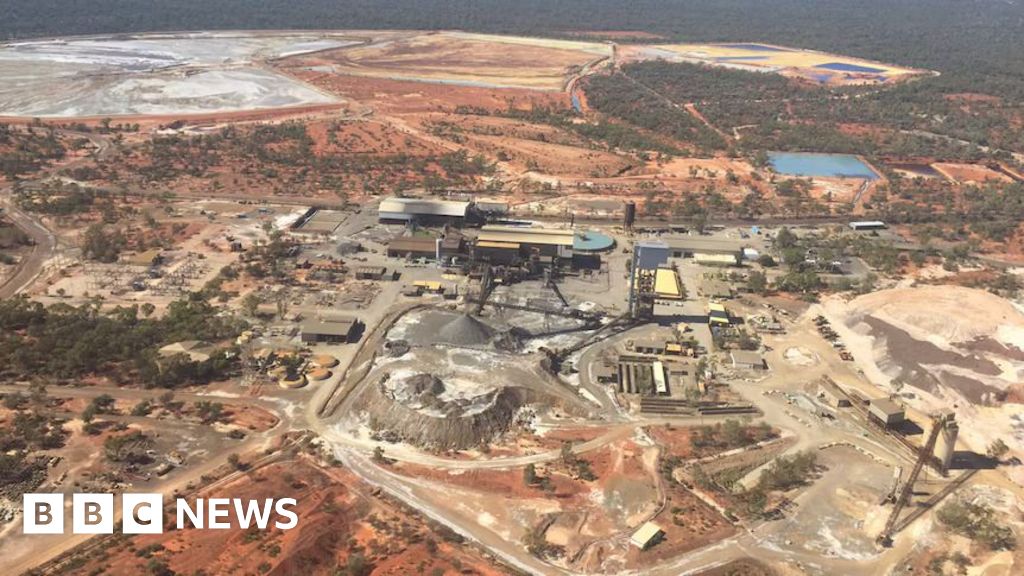
The recent tragic incident at the Endeavour mine in New South Wales marks a sobering chapter in Australia’s mining history, reminding the world of the enduring risks faced by workers in resource extraction industries. Two lives were lost in an underground explosion—an event confined to the remote town of Cobar, but one with implications that resonate far beyond the Australian continent. The incident—first since 2015—raises critical questions about safety protocols, corporate accountability, and the ongoing balance between economic development and worker protection.

According to authorities, an underground explosion claimed the lives of a man in his 60s and a woman in her 20s, with another woman sustaining minor injuries. Emergency responses revealed a community gripped by tragedy, as local officials, including Cobar Mayor Jarrod Marsden and NSW Premier Chris Minns, extended heartfelt condolences. The response from government and industry highlights an understanding that such fatalities are not only tragedies but stark reminders of the vital importance of safety standards in dangerous sectors that underpin national economies. Authorities have announced a comprehensive investigation, including a report for the coroner, emphasizing that, despite improvements in safety protocols, the risks endemic to mining remain ever-present.

Historically, Australia has maintained a generally low fatality rate in mining, with fatalities rarely occurring since the last major incident in Queensland in 2015. The Endeavour mine—with a history dating back to 1982 and now under new ownership by Polymetals Resources—had resumed operations earlier this year, focusing on precious metals such as silver, zinc, and lead. The mine’s extensive infrastructure—a 7 km decline and 300-meter shaft—underscores the scale and danger of underground extraction. As the Australian government’s Workplace Safety Authority prepares to investigate, analysts warn that the incident could serve as a temporary setback for international confidence in Australia’s mining safety reputation. Many experts point to the fact that despite technological advancements, the inherently hazardous nature of underground mining demands relentless vigilance.

From a geopolitical impact, this tragedy underscores a broader global narrative—one where the demand for critical minerals fuels international competition and economic shifts, often at the expense of worker safety. As nations like China, the United States, and Germany ramp up their resource extraction to secure supply chains for electric vehicles and renewable energy technologies, the safety of workers must remain a core concern. International organizations such as the International Labour Organization emphasize that sustainable development cannot be achieved without safeguarding lives in risky industries. Meanwhile, analysts argue this incident could potentially ripple across global markets—prompting increased regulation and safety measures—affecting how resource-dependent nations strategize their industrial growth.

In a broader, more symbolic sense, this event leaves the world at a crossroads—a place where history continues to unfold with each tragedy and triumph. As communities mourn and authorities vow accountability, the weight of the past presses heavily into the future. Will this tragedy serve as a wake-up call leading to enduring reforms, or will the relentless pursuit of resources once again overshadow the fundamental necessity of worker safety? The unfolding chapters of this incident will determine whether Australia, and by extension the global industry, can forge a safer, more responsible path forward. In the shadow of this explosion, the world is left to ponder whether the sacrifices made underground will ultimately lead to a brighter, safer dawn or whether history’s dark lessons will be ignored once more.

Australia News Live: HSC Exams Kick Off in NSW, ADF Falls Into Incident Near Townsville

In an era marked by rapid international shifts and strategic realignments, strong nations and alliances are navigating transformations that will influence global stability for decades to come. The recent enthusiasm surrounding AU-KUS—a trilateral security pact between Australia, the United States, and United Kingdom—symbolizes a new chapter in the international order. According to defense analysts, this alliance aims to counterbalance China’s expanding military reach and assertive regional presence, particularly in the Indo-Pacific. This move underscores a profound strategic shift, forging a collective front that seeks to secure economic and military dominance in an increasingly contested region.

  • The US is demonstrating unprecedented enthusiasm for AU-KUS, with Pat Conroy, the defense industry minister, highlighting the “hugely encouraging” support from congressional leaders. This solidifies the alliance’s significance on the diplomatic front, as each nation seeks to safeguard their interests amid rising geopolitical tensions.
  • Simultaneously, Australia is bolstering its defense capabilities with the deployment of advanced submarine technology, reflecting a broader push by regional powers to strengthen deterrence against external threats. Such military advancements, however, carry the risk of escalating regional arms races, impacting the security landscape of the Indo-Pacific.

Parallel to these military developments, global finance and security are witnessing a crackdown that signals a shift towards greater control. Australian authorities, led by Tony Burke, announced sweeping reforms targeting cryptocurrency ATMs—a vital tool used for illicit activities such as money laundering and terrorism financing. With Australia hosting the third-largest number of crypto ATMs worldwide, the government’s move to empower Austrac with expanded oversight aims to curtail criminal misuse of digital currencies. This policy shift exemplifies how nations are increasingly viewing financial regulation as a tool to reinforce national security—an approach that might spark similar actions worldwide.

However, the economic implications are stark: despite a 3.2% growth in household income from 2023 to 2024, many Australians remain under financial strain. Recent research from the Australian Institute of Health and Welfare reveals that approximately 1.26 million low-income households face housing stress, underscoring the widening gap between economic growth and societal well-being. This divergence signals that national prosperity is concentrated among the wealthiest, while the young and vulnerable struggle under mounting economic pressures—a trend that could fuel unrest and reshape domestic politics in the coming years.

As history continues to unfold, these developments reveal a complex tableau: the forging of international alliances designed to shape a new power dynamic, coupled with domestic reforms aimed at controlling emerging threats and addressing societal inequities. It is in this crucible of change that the future of geopolitics will be forged—an epoch where strategic decisions made today will echo through the corridors of history, defining the fate of nations and societies for generations to come.

Bruce Lehrmann claims government should pay legal costs for anti-corruption raid over 'James Bond-style' claims in NSW
Bruce Lehrmann claims government should pay legal costs for anti-corruption raid over ‘James Bond-style’ claims in NSW

The Echoes of Domestic Turmoil and Their Global Geopolitical Impact

In a narrative increasingly becoming common in Western democracies, the domestic legal battles of disgraced political figures are now spilling beyond national borders, shedding light on how internal governance issues ripple out with far-reaching consequences. The recent case of Bruce Lehrmann, a sacked political staffer embroiled in scandal in Australia, exemplifies this trend. His legal disputes—centered on accusations of misappropriating sensitive documents related to French submarine deals—are more than a matter of local justice; they are a reflection of the unstable political terrain that the Indo-Pacific region now navigates.

Amid ongoing investigations, Lehrmann’s unresolved dispute over government funding for legal representation highlights how fragile political institutions have become. Justice Brigitte Markovic’s decision to order mediation by December 1st emphasizes a strategic attempt to avoid prolonged legal conflicts that could undermine public confidence in government processes. Yet, the underlying issues—such as Lehrmann’s claims of being denied funding despite assurances—highlight a broader crisis of transparency and accountability, both domestically and in the context of international perceptions of Australia. Analysts warn that such internal fissures risk eroding the trust in democratic institutions and complicate Australia’s diplomatic posture, especially in a strategic environment dominated by the United States, China, and Russia.

Adding an international dimension, Lehrmann’s legal saga is intertwined with other sensitive issues like his accusations involving his colleague, Brittany Higgins. The case touches on deeper concerns about political accountability and the handling of power within Parliament. While Lehrmann has dismissed allegations of rape—which are yet to be conclusively tested in a criminal court—the 2024 ruling by Justice Michael Lee finding the claims probable on the balance of probabilities escalates into a broader debate about justice, credibility, and the rule of law in Australia. His appeal against a defamation loss signals how these domestic issues could influence regional perceptions of legal integrity and policy stability.

From an international perspective, the distraction of internal scandals serves as a cautionary tale for European and Asian policymakers alike, emphasizing how domestic discontent can be exploited by external actors to weaken alliances. It raises questions about the geopolitical ramifications—particularly as China and Russia continue to scrutinize Western democracies’ internal divisions. Institutions like the European Union and ASEAN are watching closely, cognizant that internal instability can undermine collective security and influence regional rivalries.

Indeed, the Lehrmann case is a microcosm of a larger, tempestuous global landscape where internal power struggles and legal disputes may seem isolated but are in fact part of a wider narrative. These unfolding domestic dramas expose the vulnerabilities within democratic systems, which external powers are eager to observe and analyze. As historians and security analysts warn, the way nations handle these internal conflicts will determine their geopolitical fate in an era marked by strategic rivalry and shifting alliances. With history’s pen whirling, the story of Lehrmann and similar figures remains an enduring testament to the fragile fabric of modern democracies—threads that, if broken, could unravel the very global order upon which the future depends.

Australia News Live: Qantas Data Leak Sparks Scammer Alert, NSW Vows Pothole Fixes

In an era defined by rapid digital transformation and shifting geopolitical alliances, recent events in Australia underscore the global implications of national security, corporate responsibility, and technological regulation. The reckless leak of data from Qantas Airlines, which exposed the personal information of up to 5.7 million customers, signals a profound challenge for international cybersecurity protocols. Hackers associated with the entity Scattered Lapsus$ Hunters made good on their ransom threats, releasing data that includes full names, addresses, and sensitive financial details. The incident has prompted Tony Burke, Australia’s minister for cybersecurity, to vow the full extent of governmental legal power will be used to hold the airline accountable and to safeguard its citizens’ privacy in the digital age.

The Australian breach is emblematic of the fragile cybersecurity landscape confronting nations worldwide. Analysts warn that these breaches are not isolated but part of an ongoing campaign expanding across borders, targeting corporate and public infrastructure. The leak originating from offshore call centers operated with Salesforce software underscores the vulnerabilities posed by outsourcing sensitive operations without stringent security controls. As historians and international organizations observe, such incidents have the potential to destabilize trust in multinational corporate entities and challenge the very notion of sovereignty in cyberspace. Meanwhile, governments such as Australia face increased pressure to enforce legal frameworks that compel corporations to prioritize national security over profit before the damage becomes irreversible.

Simultaneously, Australia‘s government is taking proactive steps beyond cybersecurity. The impending landmark social media ban slated for implementation on December 10 to protect under-16s signals a broader push to control the influence of digital platforms on youth. The eSafety commissioner, Julie Inman Grant, has scheduled critical meetings with global giants like Meta, Snapchat, YouTube, and TikTok—a move that reflects a national approach to social-media regulation aimed at curbing predatory algorithms and harmful content. According to policy experts, this position underscores an international shift where governments increasingly demand accountability from big tech and assert sovereignty over digital spaces, challenging the unregulated dominance these platforms once enjoyed. This move could redefine global norms on digital oversight, indicating that even the most embraced platforms are within the crosshairs of state control.

Yet, in the broader context, these domestic steps and cybersecurity challenges reverberate on the geopolitical stage. The United States, China, and Russia watch closely, recognizing that the battle for digital supremacy and security influence extends beyond borders. The United Nations, along with NATO members, warn that cyber warfare and data sovereignty are now intrinsic to national security, threatening to redraw alliances in an interconnected world. As analysts warn, incidents such as Qantas’ leak could embolden state-sponsored actors to escalate their aggressive campaigns, destabilizing entire regions and undermining institutions that rely heavily on tech infrastructure. The fate of nations is, increasingly, being decided within the networked battleground of cyberspace, where data breaches become the new frontlines of geopolitical conflict.

As history continues to unfold, the protection of data, control of social media, and the assertion of sovereignty over digital spaces will serve as defining markers of the 21st-century geopolitical landscape. These layered conflicts—rooted in technology, security, and societal influence—are shaping the future of international relations, leaving an indelible mark on the fabric of global order. The weight of this ongoing story demands vigilant attention, for the decisions made today may well determine the balance of power in the digital age—an epoch where the battle for hearts and minds is waged through data, policies, and the unyielding march of progress.

NSW Transport Official Confesses to Bribery Scandal at Oporto to Inflate Invoices

Corruption Scandal in New South Wales: A Window into International Governance and Accountability

In a development that underscores the persistent fight against corruption within governmental institutions, Australia’s New South Wales Independent Commission Against Corruption (ICAC) is currently investigating a multi-million-dollar kickback scheme involving senior officials. The case of Ibrahim Helmy, a former project engineer at the Roads and Maritime Services (RMS), offers a disturbing glimpse into how entrenched corruption can erode trust in public infrastructure development, which has significant geopolitical undertones, especially in regions with booming infrastructure projects. As the investigation unfolds through detailed testimonies—exposing falsified invoices, illicit cash exchanges, and scheming at the heart of Sydney’s transport sector—the implications ripple far beyond Australia, impacting regional stability and international perceptions of governance.

This scandal is not merely an isolated incident; it reflects broader systemic vulnerabilities that many nations face in their efforts to combat corruption. Helmy’s admissions, including his involvement in inflating invoices related to key Sydney roads such as the M4 motorway, highlight how state resources are manipulated to benefit private interests at society’s expense. Such breaches of integrity threaten not only economic development but also the legitimacy of state institutions. In the context of Australia’s strategic regional role—positioned within the Indo-Pacific—a failure to address corruption effectively could weaken alliances, deepen foreign skepticism, and hinder efforts towards regional cooperation on governance reforms. Asian and Pacific analysts warn that unchecked internal scandal feeds into a narrative of governance fragility, which adversaries could exploit to undermine Western-backed infrastructure and development initiatives.

Moreover, the case of Helmy underscores how international standards and treaties—such as the United Nations Convention Against Corruption—are vital in establishing accountability benchmarks, even as local institutions grapple with enforcement challenges. According to experts at Transparency International, the persistence of such schemes in federal or provincial levels demonstrates that anti-corruption frameworks require not only legislative strength but also political will. The international community watches closely as Australia demonstrates its commitment to transparency, for its credibility directly influences regional and global cooperation. Whether or not Helmy’s case results in criminal charges, the exposure of these corrupt practices may catalyze tougher reforms in public procurement laws and enforcement agencies that can serve as models for emerging economies grappling with similar issues.

Finally, the broader geopolitical impact of this scandal is evident in the way corruption scandals taint international perceptions of stability and governance. As historian Dr. Laura Grant notes, “cases like Helmy’s serve as a reminder that even seemingly stable democracies are vulnerable to internal decay, which can be exploited by adversaries to foster instability or justify external interventions.” With ongoing investigations extending into allegations of over $11.5 million in personal receipts, and the involvement of figures linked to private contractors, the case echoes through corridors of power and influences international discourse on governance integrity. The unfolding story remains a stark warning—one that reminds us all that in the relentless tide of history, the struggle against corruption is a vital battleground shaping the future of nations.

Eight thrill-seekers parachute from plane seconds before deadly crash in NSW

In a stark reminder of the inherent risks associated with extreme sports and aviation, a recent incident near Moruya airport in New South Wales has captured international attention. Eight experienced skydivers, including the renowned instructor Paul Smith, leapt from a light plane just minutes before it tragically crashed, killing Smith and leaving the other skydivers unscathed. The event underscores ongoing debates about aviation safety standards, which are not just national issues but have broader geopolitical implications as countries worldwide grapple with balancing innovation, safety, and economic interests.

The crash, which occurred roughly two minutes after the skydivers exited the aircraft at approximately 14,000 feet, has prompted an investigation conducted jointly by Australian authorities and the Australian Transport Safety Bureau. According to initial reports, witnesses observed “unusual sounds and flight patterns,” indicating potential mechanical or pilot error, though investigators are still to speak directly with the skydivers. The aircraft, built around 1980 and subjected to recent maintenance checks, had completed multiple flights before the incident, raising questions about the adequacy of maintenance standards amid evolving aviation safety protocols. As the world watches, the Australian case exemplifies how local safety lapses can ripple across international boundaries, raising concerns about global standards for small aircraft operations.

Experts like aviation analyst John Fletcher highlight that incidents such as this serve as cautionary tales, reminding nations of the critical importance of investing in rigorous safety czars and oversight, especially within a competitive global industry where international corporations often operate across multiple jurisdictions. While Australia’s aviation safety agencies work to determine the root causes, the incident arrives amidst an era of heightened geopolitical tensions, where the safety and regulation of transportation infrastructure are often intertwined with national security concerns. Moreover, the tragic loss of a distinguished figure like Paul Smith, who earned the highest honors in parachuting and boasted more than 20,000 jumps, sharply underscores how the stakes extend beyond individual tragedies, affecting social cohesion and public trust in safety systems worldwide.

The broader geopolitical impact lies in how this incident echoes across the international community, rallying calls for united efforts to standardize safety regulations—especially in sectors vulnerable to rapid technological changes. International organizations such as the International Civil Aviation Organization (ICAO) are under pressure to reinforce stringent safety protocols, ensuring that such tragedies do not become catalysts for diplomatic disputes. Countries with burgeoning aviation sectors, like China and India, are increasingly scrutinized as their industries expand rapidly without uniformly high safety standards. Historically, failures in aviation safety have had profound consequences: recent accidents have spurred reforms, yet inconsistencies remain a concern. As analysts warn that such tragedies can erode public confidence and serve as leverage in geopolitical conflicts, nations must view aviation safety as an integral part of national security and international diplomacy.

As observers consider the unfolding investigation, the weight of history presses heavily. The incident in New South Wales is not simply an isolated accident but a catalyst for a larger discourse—one that insists humanity must learn from its failures, lest history’s lessons be lost amid political tensions and economic pursuits. With the future of international safety standards hanging uncertain, the world now looks to the findings from Australia, hoping that they mark the beginning of renewed vigilance rather than the continuation of complacency. For history, this tragedy remains a chapter still being written—a stark reminder that, in the quest for progress and thrill, the price of oversight can be measured in lives lost, leaving nations to confront the enduring question: how safe is the sky we all share?.

Social Media Auto Publish Powered By : XYZScripts.com