Matox News

Truth Over Trends, always!

Australia Updates: Free Public Transit Extended in Victoria, Man Charged with Murder in NSW

Global Impact Unfolds as Regional Policies and International Tensions Shape the Future

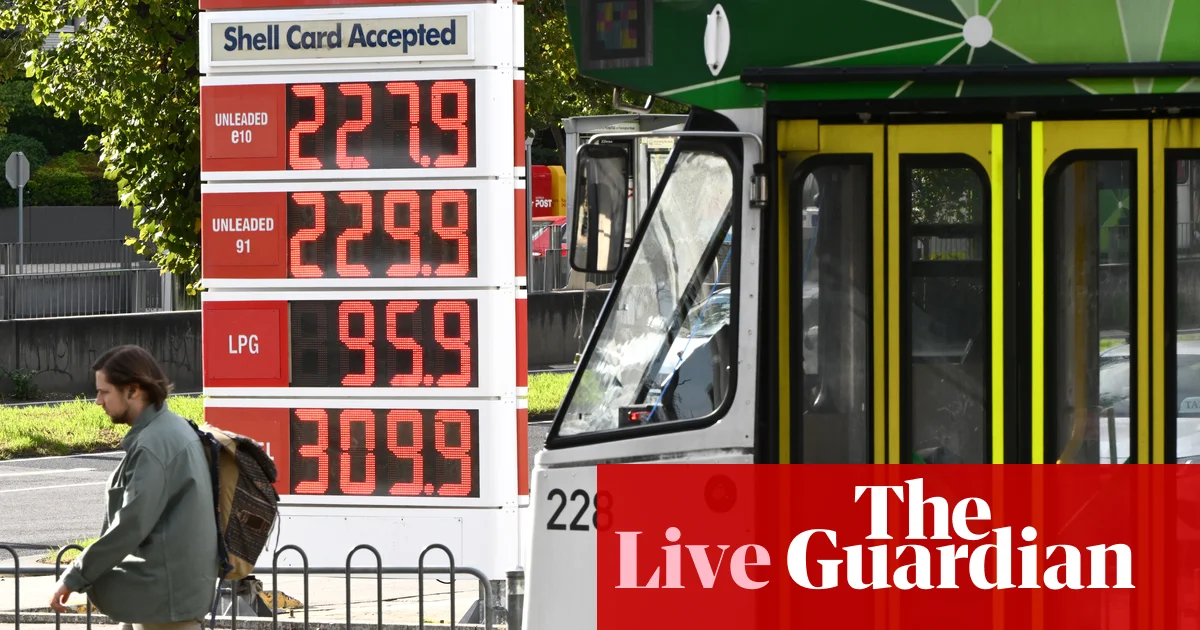
In a move reflective of the broader geopolitical currents shaping the 21st century, Victoria, Australia, has announced an extension of its ambitious public transport relief program. This measure, which initially aimed to combat rising fuel costs and provide a cost-of-living shield for residents, now extends until the end of May with subsidized fares set to continue through the year. The decision echoes a global trend among youth-oriented governments seeking populist support ahead of key elections, but it also underscores a deeper crisis of economic resilience in the face of shifting energy markets. With $400 million allocated in the upcoming budget, Victoria’s policymakers attempt to navigate the wider fiscal storm impacting many similar jurisdictions worldwide.

Yet, as these domestic moves play out, international tensions continue to simmer under the surface, with a particularly stark example emerging from the Strait of Hormuz. The former Australian Nationals leader David Littleproud has openly called for Australia to intervene in this strategic waterway. Given that roughly 20% of global oil shipments pass through this narrow corridor, the closure of the Strait threatens to trigger catastrophic spikes in global energy prices and, by extension, economic fallout on a scale reminiscent of the 1970s oil crises. Littleproud’s plea for Australia to “interject” aims to restore the “safe navigation” of tankers, warning that a failure to act could induce a worldwide recession, with analysts like those at the International Energy Agency warning of potential chaos if tensions escalate further.

This international dispute fuels the broader narrative of a fractured liberal order, where regional conflicts threaten to ignite larger alliances and rivalries. The specter of a destabilized Middle East, combined with global energy dependency, is prompting thoughtful voices—such as respected historians and foreign policy analysts—to warn that the decisions made today will determine the trajectory of global stability for decades. Furthermore, the political actors in Australia, increasingly aware of their geopolitical importance, are urged to balance regional security interests with the national imperative to avoid entangling military conflicts. The danger of such conflicts spilling into broader proxy wars or economic sanctions underscores the fragility of international peace efforts.

Domestic Turmoil and International Dilemmas Intersect

While political leaders debate intervention in foreign disputes, domestic issues—the tragic loss of life at Melbourne’s Supanova convention and the ongoing investigation into a woman’s murder in New South Wales—highlight the societal challenges faced by nations in turmoil. The incident outside Melbourne Showgrounds, where a pedestrian was tragically killed, and the arrest of a 25-year-old man on murder charges, serve as a grim reminder that social stability remains an elusive goal amidst economic and geopolitical upheaval. These local tragedies resonate globally, prompting international observers to question the societal fabric and the effectiveness of law enforcement strategies.

Conclusion: The Unfolding Tapestry of Today’s World

As the Victoria government extends its economic relief measures and Australia contemplates international intervention, the shards of a fractured global order become painfully evident. Each decision—domestic or foreign—intertwines in the complex, unpredictable fabric of history—a fabric that will define the lives of future generations. The tension in the Strait of Hormuz and the local tragedies on Australian soil serve as stark symbols of a world at a crossroads — where youthful governments seek to reassure their citizens, and powerful nations grapple with the consequences of their actions. In this moment, history whispers again: the choices of today will echo eternally into the uncertain dawn of tomorrow.
NSW High Court Ruled Anti-Protest Law Unlawful After Bondi Attack Redirects Focus on Public Safety

In a significant judicial development that echoes the tension between constitutional rights and government power, New South Wales’ highest court has invalidated an anti-protest law enacted in the wake of the Bondi beach terror attack. This landmark decision comes amidst escalating global concerns about security, civil liberties, and the influence of international conflicts on domestic policy. The law, known as the public assembly restriction declaration (PARD), was introduced by the Minns government to restrict protests in designated areas for up to three months following the attack, which claimed 15 lives. However, the court deemed it unconstitutional, citing that it impermissibly burdened the implied constitutional right to freedom of communication on government and political matters—an outcome viewed as a victory for advocates of civil liberties and democratic rights across the globe.

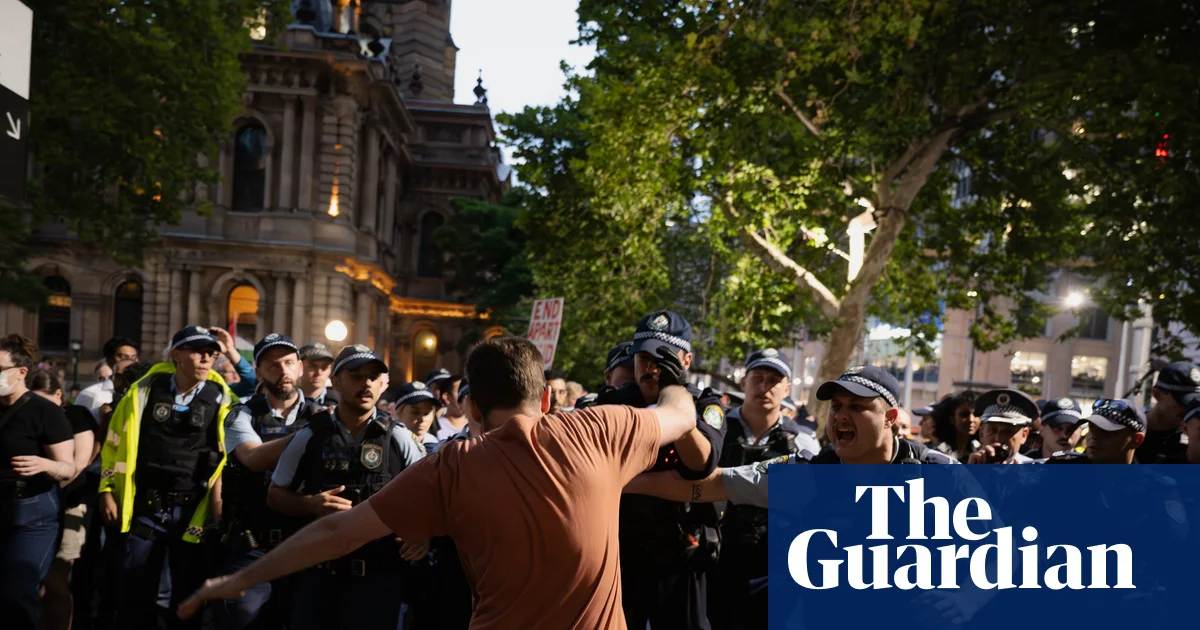
  • The law was notably applied during a controversial rally against Israeli President Isaac Herzog’s visit, which turned violent and prompted police misconduct investigations. Despite the government’s claims that the legislation was necessary to maintain order post-terrorism, the court’s ruling highlighted its overreach, emphasizing that it served as a “blunt tool” that indiscriminately suppressed constitutionally protected activity, regardless of the threat level or the purpose of the assembly.
  • Legal analysts and international watchdogs underscored that this decision could set a transformative precedent, illustrating the judiciary’s role in curbing executive overreach and defending fundamental rights against overly broad security measures. The case also cast a spotlight on how authoritarian instincts can be challenged in liberal democracies, reinforcing the principle that government power must be balanced with individual freedoms—an issue at the heart of many geopolitical debates on security versus liberty.

The court’s decision was celebrated outside the courtroom by civil rights groups and advocacy organizations, notably Jews Against the Occupation ’48 and the Palestine Action Group. Their spokesperson, Josh Lees, hailed the ruling as a critical victory for democracy and the global movement fighting for human rights. This case exemplifies how domestic legal battles intertwine with international causes, such as the ongoing struggle over Palestinian rights, and how judicial institutions worldwide are becoming battlegrounds for ideological conflicts that transcend borders. As historians warn, these conflicts onboard the global stage are often shaped by a complex web of national interests, geopolitical strategies, and ideological clashes.

Prime Minister Chris Minns expressed disappointment over the verdict, framing the legislation as a response to one of the “worst terrorism events” in Australia’s history. Despite this, the ruling signals a potent reminder that even in the face of brutal violence, the rule of law and constitutional norms remain supreme—a stance that may resonate beyond NSW, influencing policies in other nations grappling with similar threats and rights. The government’s future plans include addressing the contentious phrase “globalise the intifada,” illustrating the ongoing clash between security narratives and free speech that continues to unfold in legal arenas worldwide.

As the dust settles, the trial’s lingering question remains: how will this victory shape the future landscape of protests, civil liberties, and international activism? With the judiciary standing firm in defense of constitutional principles, the unresolved tension between state security and personal freedoms is poised to ignite new debates and confrontations. The fate of those charged during protests, the integrity of police accountability investigations, and the broader impact on political discourse and social activism remain as a stark reminder—the pages of history are still being written, and the global community watches anxiously as the ongoing clash between authority and liberty unfolds in the shadows of our times.

Former NSW MP, touted as ‘esteemed’ Liberal, faces ICAC’s ‘serious corrupt conduct’ findings at campaign event

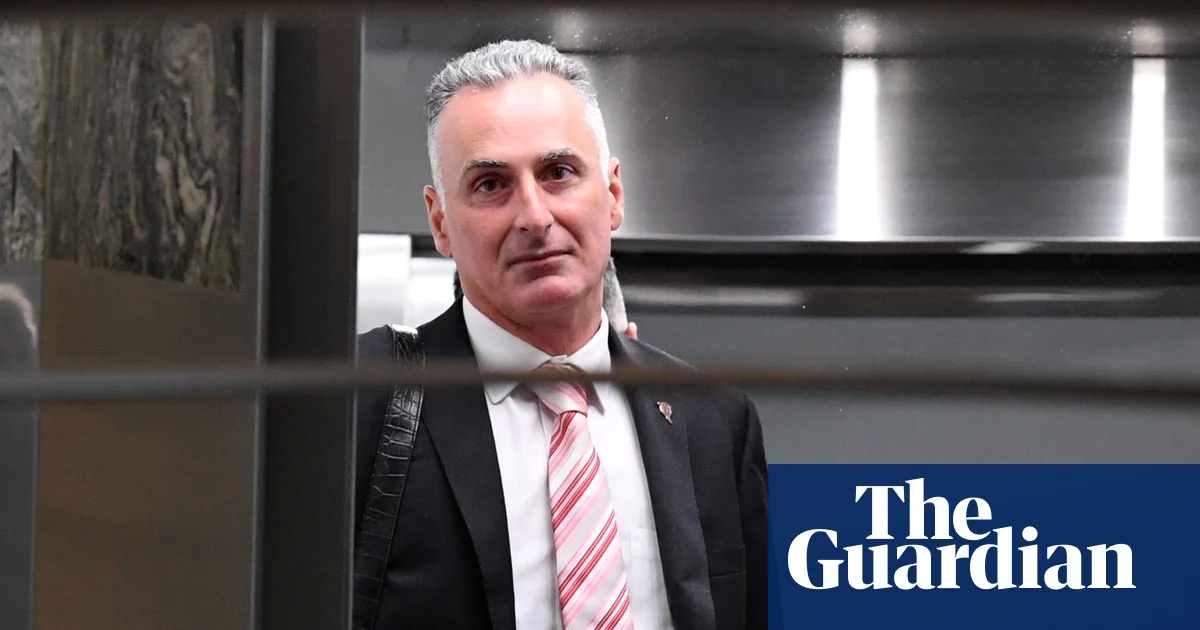
The recent sighting of John Sidoti, a former New South Wales minister found by the Independent Commission Against Corruption (ICAC) to have engaged in serious corrupt conduct, at a Liberal party fundraiser has reignited questions about ethics, accountability, and the state of governance in Australia. Despite ICAC’s damning 2022 report, which detailed Sidoti’s involvement in using his parliamentary role to benefit family property interests, his appearance at a prominent political event signals a disturbing pattern: the blurred lines between political loyalty and accountability in the so-called fight against corruption. Analysts warn that such actions, especially when highlighted within a political context, threaten the very integrity of democratic institutions and the rule of law.

Held under the leadership of Kellie Sloane, the NSW opposition leader, the event attracted a broad spectrum of party figures, including deputy leader Natalie Ward, shadow ministers, and even federal senator Jessica Collins. Yet, the presence of Sidoti—a politician explicitly censured for wielding influence to enrich his family’s interests—raises profound questions about how political parties and their supporters handle allegations and the standards of conduct expected within democratic societies. The event was hosted without prior knowledge of Sidoti’s attendance, according to party spokespersons, highlighting a compartmentalized approach to accountability that many critics argue undermines public trust. This incident underscores the ongoing struggle of political parties to reconcile internal loyalty with the broader mandate of justice and transparency.

Meanwhile, ICAC and other international watchdogs remain under scrutiny as they attempt to expand their powers in a landscape often resistant to meaningful reform. Past efforts by leaders such as Gladys Berejiklian, who lost her position after her own corruption findings, suggest that accountability often comes at a high political cost. Former premier Barry O’Farrell explicitly criticized legislation aimed at granting ICAC permanent investigative powers, arguing that such measures threaten civil liberties. The debate over the boundaries of legal authority and investigative power reflects a wider geopolitical tension: How do nations strike the right balance between rooting out corruption and safeguarding individual rights?

International organizations and scholars have frequently warned that corruption in political systems can destabilize societies and undermine efforts toward economic development. As historical patterns demonstrate, failure to address these issues often leads to disillusionment among citizens, increased political apathy, and, in worst-case scenarios, social unrest. The Australian incident echoes this global dilemma—domestic political figures who flaunt or ignore the rules threaten the integrity of nations, and by extension, influence geopolitical stability. The unfolding drama in Sydney serves as a stark reminder that the battle for transparency is not just a domestic concern, but a bigger struggle shaping the future order of nations.

As history continues to be written, the question remains: Will this moment mark a turning point—pushing reforms that strengthen democratic institutions and restore integrity—or will it be yet another chapter in a persistent saga of political corrosion where power remains untouchable and justice elusive? The weight of this unfolding story surpasses the shores of Australia and resonates across borders, echoing the timeless struggle between authority and accountability that will determine the course of nations for generations to come.

NSW Government Under Fire: Human Rights Group Probes Racial Discrimination Allegations

In a developing chapter of Australia’s ongoing struggles with racial and religious tensions, the Australian Human Rights Commission has launched an investigation into allegations of racial discrimination involving the state’s multicultural policy machinery. The complaint, brought forward by the Alliance Against Islamophobia and the Periyar Ambedkar Thoughts Circle of Australia (Patca), targets Steve Kamper, the New South Wales Minister for Multiculturalism, signaling a concerning escalation in internal community disputes with potential geopolitical repercussions. The complaint centers on claims that Kamper and his department failed to properly investigate reports from Muslim and caste-oppressed Hindu groups, raising legitimate questions about the effectiveness of multicultural policy enforcement in a nation increasingly divided along ethnic and religious lines.

Analysts emphasize that this controversy provides a crucial turning point for Australia’s multicultural narrative. The complaint alleges that government agencies not only dismissed the concerns of marginalized groups but also continued to endorse the Hindu Council of Australia’s role within the NSW Faith Affairs Council—an advisory body to the government representing multiple faith communities. This raises the fundamental issue of how state institutions are tasked with managing religious and ethnic pluralism in a landscape increasingly torn by identity politics. Furthermore, the complaint suggests that the department omitted references to caste-based discrimination and Hindu nationalist extremism from official reports—an omission that critics say underscores a dangerous attempt at its marginalization or denial, which could embolden extremists and encourage social fragmentation.

International security analysts warn that such internal disputes within Australia’s diverse communities could have broader geopolitical impact. As nations like China and India continue their strategic maneuvers across the Indo-Pacific, internal cohesion in Western democracies becomes pivotal. Some observers worry that unresolved issues like caste discrimination and religious extremism could fuel social division, making Australia susceptible to external influence or internal destabilization. Historian Dr. Liam Hamilton notes that “the handling of these sensitive issues will not only determine Australia’s internal stability but also influence its diplomatic posture in a volatile regional environment.” The scene reflects a broader challenge for global democracies: how to reconcile diversity with national unity amidst growing geopolitical tensions.

As the debate intensifies, community leaders are warning of deepening divisions, with some Hindu nationalist factions reportedly spreading divisive rhetoric through social media platforms. The Human Rights Commission’s investigation emerges at a critical juncture—an opportunity for Australia to reaffirm its commitment to social cohesion and equal protection under the law. Whether the government chooses to confront these internal fissures head-on or continues its policy of cautious appeasement could determine the future fabric of Australian society. In this unfolding narrative, the weight of history and the contemporary struggle for harmony hang in fragile balance, foreshadowing a future where the nation’s multicultural model may be tested like never before, under the watchful eyes of the world.

Australia Politics: NSW Targets Illegal E-Bikes; Kate Chaney Demands Action After 1,000 Days of Gambling Ad Ban Delay

As the world navigates an era of rapid technological and geopolitical change, recent developments underscore the escalating tension between national sovereignty and international influence. Australia’s internal debates about the regulation of emerging technologies and societal issues serve as a microcosm of broader global dynamics. Key actions taken by the NSW government to crush illegal e-motorbikes, including seizing and crushing high-powered ebikes, reflect not merely a local safety initiative but also a cautious pushback against the unchecked proliferation of autonomous and potentially hazardous personal transport devices. This legislative move exemplifies a conservative approach aiming to safeguard public safety and societal order amid surging injuries and chaotic incidents, like the swarm of bikes on the Sydney Harbour Bridge.

Meanwhile, Australia’s domestic policy debates extend into the digital realm and societal health, revealing a nation grappling with the consequences of technological innovation and unchecked commercial influence. The Australian Medical Association has boldly warned that online gambling is causing “immeasurable harm” to Australian families, highlighting a troubling gap in governmental action. Despite a landmark report from late Labor MP Peta Murphy calling for a comprehensive ban on gambling advertisements, over 1,000 days have passed without meaningful legislative response, fueling frustration among progressive advocates and policymakers like independent MP Kate Chaney. Her push for a progressive bill to ban online gambling ads on all platforms over three years underscores the urgency for decisive action, reflecting a broader societal demand for protecting vulnerable populations—especially children—from predatory practices that profit from harm.

Internationally, this internal discord and regulatory inertia resonate across geopolitical borders, as the European Union inches closer to finalizing a landmark free-trade agreement with Australia. The EU’s engagement, led by Ursula von der Leyen, signals a rapprochement that could reshape economic alliances, but not without the strategic and political pressures all nations face. Simultaneously, the global energy crisis, described by Fatih Birol, head of the International Energy Agency, as “the greatest threat in history,” highlights a universe where energy security and access to affordable fuel become central battlegrounds. Australia’s military and foreign policy actors are feeling the heat as regional tensions with the Middle East escalate, adding fuel to an already tense international climate that demands firm national policies and strategic foresight.

In this ongoing saga of national resilience and international influence, the weight of history presses heavily. Leaders and citizens alike find themselves cast adrift in a sea of emerging threats and opportunities, with decisions made today echoing through generations. Will they stand firm in defending sovereignty, safety, and social cohesion? Or will economic interests and global pressures erode their resolve? As Australia and other nations chart their courses, the unfolding story remains one of profound consequence—one that defines the very fabric of their societies and the legacy they leave behind. The nexus of policies on AI, public health, safety, and international diplomacy paints a complex tableau; one, perhaps, where the true battle is for the soul of the nation.

Australia News Live: NSW Anti-Slavery Chief Questions Iran Football Squad’s Exit; Earthquake Rocks North of Canberra

International Ripples: Australia’s Crucial Decisions Shape the Geopolitical Landscape

Fresh developments emanating from Australia highlight a nation at a critical juncture, where internal decisions transcend borders, echoing the broader battles of sovereignty and moral responsibility on the world stage. The controversial departure of the Iranian women’s football team from Australia has sparked intense scrutiny and debate, not only about domestic policies but also about how nations handle complex issues of threat, coercion, and international law. Analysts warn that the handling of this incident could redefine Australia’s stance towards human rights and its diplomatic credibility, especially amid ongoing conflicts involving Iran and other regime-led states.

The incident underscores a fragile geopolitical balance, where the NSW anti-slavery commissioner questioned top-tier institutions—including the federal police, Sydney airport, and Qantas—over their role in facilitating the squad’s departure amidst wide-ranging concerns about coercion. Dr. James Cockayne emphasized that the athletes’ decision to leave might have been unduly influenced by threats and intimidation, echoing fears of exit trafficking—a grave issue that highlights how vulnerable individuals become pawns in larger geopolitical conflicts and authoritarian tactics.

This scenario not only raises questions about domestic oversight but also spotlights how international diplomacy and law enforcement are intertwined with issues of regime repression, especially with Iran’s regime known for its misogynistic policies and suppression of dissent. The international community, including historians and global watchdogs, warn that failure to address coercion effectively may embolden oppressive regimes and undermine the principles of free movement and asylum. The incident prompts a looming question: Does Australia’s handling reflect a broader tendency among Western nations to prioritize diplomatic relations at the expense of human rights and protective oversight?

In parallel, domestic policies such as the Victoria government’s initiative to provide free pest and building reports for homebuyers reveal a nation grappling with internal challenges of transparency and economic security. Jacinta Allan, Victorian Premier, advocates for the reform to curb excessive costs and empower consumers, a move seen as a step to reinforce confidence in Australia’s private sector amidst global economic uncertainties. Yet, these domestic shifts signify more: a concerted effort to reshape societal expectations and assert control over economic vulnerabilities, which, analysts argue, are now heavily influenced by international events, including the conflict in the Middle East.

As geopolitical tensions in the Middle East intensify, Australia stands as an exemplar of how a nation’s internal policies, international dealings, and moral stance are increasingly interconnected. The recent earthquake near Boorowa and severe flooding in Queensland further symbolize a nation resilient yet besieged by uncontrollable forces—nature and geopolitics alike. The way Australia navigates these turbulent waters will indelibly mark its role in the shifting global order, where decisions about refugee protection, international trade, and moral leadership are more intertwined than ever. History’s weight is heavy on Australia’s shoulders, with each move possibly rewriting the contours of its national identity and its influence in shaping the rules of a new geopolitical era.

Minns calls pro-Palestine protest organizers 'communists' aiming for clash with police, NSW budget estimates
Minns calls pro-Palestine protest organizers ‘communists’ aiming for clash with police, NSW budget estimates

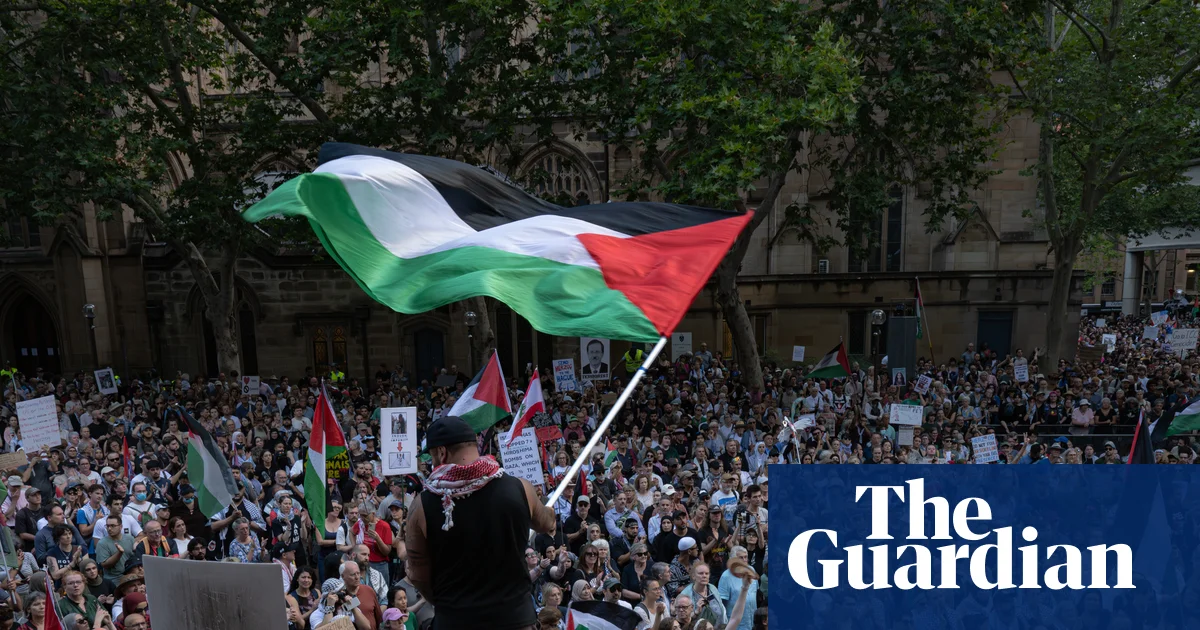
In a striking turn of events that underscores the volatile landscape of international activism and internal political fractures, Australia’s New South Wales government finds itself at the center of a contentious debate over the peaceable assembly and the engagement with pro-Palestine advocates. Premier Chris Minns has publicly dismissed protest organisers as “a pack of communists,” fueling accusations of politicising the situation and risking the social cohesion of the deeply divided society. This inflammatory rhetoric follows violent clashes during a recent rally against the Israeli president’s visit, where police responses have come under scrutiny amid allegations of police brutality.

These confrontations threaten to escalate into a broader international rift, as global analysts draw attention to the implications. The protests, which saw four Labor backbenchers attending a speech by Israeli President Isaac Herzog in Sydney, have rippled beyond local politics. While some political figures like Stephen Lawrence MLC defend protesters, viewing their actions as a stand for Palestinian rights, critics argue that the protests are being manipulated by radical elements, including socialists and communists affiliated with groups like the Palestine Action Group (PAG). Historians warn that such alliances have historically been vectors for “big social movements,” but in this context, they threaten to undermine Australia’s national stability and complicate diplomatic relations in a tense Middle East geopolitical environment.

The debate extends far beyond the streets to focus on the broader geopolitical impact. Australia’s internal divisions mirror the polarisation seen across Western nations, where support for Israel or Palestine increasingly aligns with domestic ideological battles. The Australian government’s approach, characterized by resistance to criticism and suppression of dissent, echoes patterns observed in other democracies experiencing internal stress, risking the alienation of communities and weakening social fabric. Analysts warn that such internal strife could diminish Australia’s standing on the global stage, especially as international organizations like the United Nations emphasize human rights and moderation.

Meanwhile, the situation remains precarious as the NSW police maintain that their actions were justified, citing attempts by protesters to march on Parliament against restrictions declared in response to recent acts of violence and unrest. The ongoing constitutional challenge to new protest laws and the controversial “major events” powers further complicate the legal landscape, pointing to a potential breach of civil liberties. The tension reaches into Australia’s multicultural communities, with Muslim groups voicing concerns over police actions during recent vigils mourning Iran’s late Supreme Leader, Ayatollah Khamenei. These incidents serve as a stark reminder that the political toll extends to societal divisions along religious and cultural lines, with the risk that internal discord could morph into a broader geopolitical vulnerability.

As history continues to unfold, the echoes of this clash in Australia serve as a warning: when states suppress dissent and dismiss grassroots movements as mere radical influence, they risk sacrificing social cohesion and inviting external powers to exploit divisions. The international community watches with bated breath as the narrative of support, protests, and legal battles develops — leaving behind a legacy that could reshape the political landscape for years to come. In this unfolding drama, the weight of history presses heavily, reminding observers that the moment may be fleeting, but the consequences are profound and lasting.

Man tragically killed in axe attack after campground dispute in rural NSW

The recent murder at a remote New South Wales campground underscores a violence that, while seemingly localized, echoes through the geopolitical landscape. The brutal axe attack, which resulted in the death of a 33-year-old man, has not only captivated local authorities but also raised questions about social cohesion and security in an era of increasing unrest. The suspect, a 26-year-old man known to the victim, was swiftly arrested and charged, signaling an unwavering commitment by local law enforcement to uphold order. Such incidents, though isolated in scope, serve as microcosms of societal fragility that can ripple into broader regional stability amid rising tensions.

At a glance, the event appears to be a tragic, domestic altercation. However, analysts suggest that this localized violence can be reflective of deeper societal fractures, especially as nations grapple with the complex aftermath of global conflicts, mass migration, and economic stagnation. Historians warn that unchecked violence at the community level can undermine the fabric of national security—an issue that international organizations and governments are ever more vigilant about. In Australia’s case, the incident adds to a troubling pattern that some experts say foreshadows challenges in maintaining social stability in a nation increasingly exposed to world-stage conflicts and domestic dissent.

This incident arrives amidst a broader international context where conflicts are reshaping the geopolitical landscape. For example, the ongoing tensions in the Middle East have sparked debates among analysts and international bodies about shifting alliances and the imperiled stability of traditional power blocs. As the US and Israel’s recent maneuvers in Iran appear to deepen regional chaos, countries like Australia find their security policies and societal cohesion tested more than ever. The ripple effects of these shifts transcend borders, influencing everything from trade to internal security policies and societal perceptions of threat. Related: Australia’s response to US and Israel’s actions in Iran highlights how international decision-making impacts nations far beyond the Middle East, often leaving everyday communities vulnerable to unforeseen consequences.

Ultimately, these interconnected developments serve as a reminder that history is still being written in real time. The rise of violence at home, coupled with tumult on the world stage, reflects a moment of profound transformation. As nations navigate their paths through geopolitical upheaval, the choices made today will resonate for generations to come. The question remains: will nations adapt and strengthen their societal fabrics, or will the weight of global uncertainty deepen the fractures—pushing the world toward an unpredictable and turbulent future? The unfolding narrative is far from over, and the stakes could not be higher—as history watches, waiting for the next chapter to be written in the shadowy spaces between peace and chaos.

Minns Government's Overreach: Protest Restrictions Fail to Deliver, Constitutional Challenge Reveals | NSW
Minns Government’s Overreach: Protest Restrictions Fail to Deliver, Constitutional Challenge Reveals | NSW

Australia finds itself at a critical crossroads as new legislation aimed at curbing protests in Sydney’s CBD is challenged in court, reflecting larger global debates about security, civil liberties, and social cohesion. The NSW government’s recent anti-protest law—enacted in response to a terrorist incident at Bondi—restricts the use of the Form 1 system, a legal tool historically employed to facilitate peaceful demonstrations and negotiate between protesters and authorities. However, critics argue that these measures threaten the very fabric of democratic expression and impose unjust limits on constitutional freedoms.

Legal representatives for groups including the Blak Caucus, Palestine Action Group (PAG), and Jews Against the Occupation ’48 appeared before the court, asserting that the law “impermissibly burden[s] the implied constitutional freedom of communication” essential to political discourse. Lawyer David Hume SC questioned the legitimacy of targeting protests to “enhance social cohesion,” alleging that such restrictions are not only unnecessary but also counterproductive. His argument underscores a broad concern among civil libertarians and international observers that the law mirrors policies seen in other regions where governments leverage security rhetoric to suppress dissent.

The NSW police have extended the public assembly restriction multiple times, citing unspecified community safety concerns rather than concrete intelligence. Such measures effectively prohibit protests in designated areas, including the recent rally against Israeli President Isaac Herzog’s visit, which turned violent. This pattern of enforcement raises alarms about the erosion of democratic rights during a period of heightened political tensions. Critics argue that the restrictions amount to a “fox guarding the henhouse,” allowing authorities to unilaterally decide which protests are permissible, thus undermining checks and balances that should safeguard democratic liberties.

Geopolitical Impact and Society

The implications of Australia’s approach extend beyond domestic borders, influencing regional stability and global perceptions of governance. International organizations and security analysts observe that laws labeled as “anti-terror” often serve as pretexts to consolidate executive power and silence opposition. Historically, countries that prioritize security over civil-liberties risk sowing social discord and fostering perceptions of authoritarian drift. In Australia, this has prompted scrutiny from historians and political analysts who warn that persistent restrictions on protest could lead to long-term societal fractures and loss of public trust in institutions that are supposed to protect democratic rights.

The debate over the legislation also mirrors larger geopolitical dynamics—particularly in the context of Australia’s alliances and regional role. While the government asserts the measures are necessary to combat extremism and maintain social order, critics warn these policies could backfire, fueling resentment and radicalization among marginalized communities. International institutions, such as the United Nations, have historically cautioned against overly broad security measures that infringe on fundamental freedoms—warning that societies risking this balance might ultimately weaken their social cohesion rather than enhance it.

As the court case unfolds, so too does the broader narrative of a nation grappling with its identity—ballasted by the weight of its history of protest and activism. Historians highlight that every attempt to silence dissent often echoes through generations, shaping perceptions of justice and freedom. The verdict in this case will inevitably influence future legislation, testing the resilience of Australia’s democratic principles. Like a shadow cast by history’s unfolding tapestry, the outcome of this legal challenge could determine whether the nation marches toward greater liberty or into the muted silence of authoritarian conformity—leaving the world contemplating the true cost of security in a fragile society.

Australia updates: Dural ‘stronghold’ tied to Baghsarian kidnapping, NSW police reveal; Angus Taylor calls to ditch ‘net zero’ push

As 2026 unfolds, the world witnesses a series of seismic shifts that threaten to redefine geopolitics and global stability. From internal political tremors in Australia to sweeping changes in Europe and fragile peace negotiations in the Middle East, nations grapple with decisions that will echo through history. The choices made today set the trajectory for generations, and their impacts extend far beyond borders.

The recent developments in Australia exemplify the turbulence faced by democracies under pressure from both domestic political narratives and international expectations. The controversial shift by Angus Taylor and the Liberal Party’s declaration to abandon the previously embraced ‘net zero’ commitment signals a departure from global climate consensus. While the government asserts that this move offers flexibility, critics argue it undermines efforts coordinated through international climate accords. Analysts warn that this divergence could weaken Australia’s diplomatic standing and erode trust with allies committed to sustainability, further isolating a nation vital to the Indo-Pacific strategy. Historians caution that such policy reversals might be remembered as a pivotal moment where economic interests overrode environmental responsibility, casting shadows on the country’s global reputation.

Meanwhile, in the United Kingdom, the arrest of Andrew Mountbatten-Windsor at Sandringham on suspicion of misconduct has cast a spotlight on questions of accountability within the British monarchy. This unprecedented event ignites debates about tradition versus transparency, with international observers questioning whether the monarchy can adapt to the demands for moral integrity today. The fallout, if allowed to deepen, could influence Britain’s soft power and diplomatic alliances, especially as Europe faces its own challenges with regional unity and economic stability. Experts from the European Union warn that such internal struggles might embolden nationalist factions and threaten the unity of the bloc at a time when global powers are recalibrating their alliances.

Contrasting these internal political crises are the ongoing conflicts and security concerns in the Middle East. Reports from Syrian and Iraqi authorities confirm that over 5,000 detainees, including suspected former Islamic State fighters, have been transferred across borders. The potential for unrest or resurgence in extremism remains a troubling prospect for regional stability, drawing concern from international organizations like the United Nations. The transfer underscores the fragile balance of power in a region where diplomacy and military might intertwine dangerously. Should extremism reignite, it could trigger a broader security crisis impacting Europe and the United States, emphasizing how even regional disputes have global consequences.

In this high-stakes landscape, the decisions of today are shaping a world on the brink. The intertwined fates of nations—whether they choose resilience or retreat—carry implications far beyond their own borders. As the great historians of tomorrow sift through these moments, they may recount 2026 as a defining year—a year when the delicate fabric of international order trembled under the weight of rash decisions and forgotten commitments. History, with all its weight and consequence, continues to unfold, leaving a stark reminder: in geopolitics, the stakes are nothing less than the future of civilization itself.

Social Media Auto Publish Powered By : XYZScripts.com