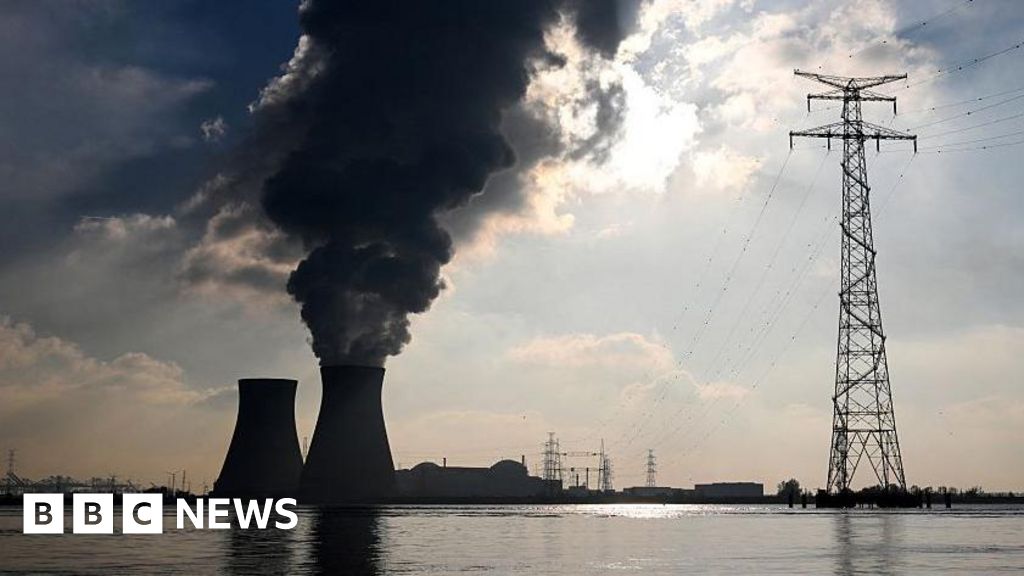

Over the past three decades, Europe’s energy landscape has undergone a dramatic transformation that underscores the continent’s evolving geopolitical vulnerabilities. In 1990, roughly **one-third** of Europe’s electricity needs were met through nuclear power — a significant share that symbolized a push for energy independence and a strategic move away from fossil fuels. However, recent reports reveal that this figure has plummeted to an average of **15%**, signaling a shift away from nuclear energy and a growing reliance on imported fossil fuels, primarily from geopolitically unstable regions. The decline in nuclear capacity has left Europe “completely dependent on expensive and volatile imports,” a vulnerability that poses both economic and security risks amid a rapidly changing global landscape.
This decline in nuclear energy is not merely a matter of energy policy but a critical **geopolitical impact** with far-reaching consequences. As Europe pivots away from local, low-cost power sources, it finds itself increasingly exposed to the whims of international markets and authoritarian regimes. Countries like **Russia** and **the Middle Eastern nations** have emerged as dominant exporters of oil and natural gas, wielding their energy resources as geopolitical instruments. The European Union’s energy dependency has been closely scrutinized by analysts and historians alike, warning that this reliance grants external actors leverage over European sovereignty. Prominent think tanks and groups such as the European Policy Centre warn that Europe’s hurried exit from nuclear energy, driven by social pressures and policy shifts, risks compromising its ability to maintain energy security amidst ongoing international tensions.
Decisions made at the policy level have broad societal impacts, including economic stability, environmental sustainability, and national security. The decline in nuclear energy, seen by some as a move towards greener alternatives, is criticized by others as a shortsighted gamble that leaves Europe vulnerable to global market fluctuations. Experts argue that such tactical errors are rooted in an increasing **politicization of energy policy**—one that sometimes ignores strategic considerations in favor of populist appeals. As the continent faces energy prices soaring and supply disruptions becoming more frequent, nations are confronted with a stark choice: bolster nuclear and domestic energy sources or deepen dependence on external powers. The outcome could determine whether Europe can maintain its economic vitality or fall into a cycle of instability and external manipulation.
Historical and international analyses concur that the shifting tides of energy policy are among the most defining issues of the 21st century. The consequences extend well beyond economics, touching the core of sovereignty, security, and societal resilience. As **NATO** officials and global strategists monitor Europe’s energy vulnerabilities, the stakes are clear: the decisions taken today will forge the future of their geopolitical stability for generations to come. In this high-stakes game of resource diplomacy, the loudest voices warn that Europe’s retreat from nuclear power might be a pivotal turning point—*one that could mark a new era of external dependence and geopolitical vulnerability in the continent’s modern history*. The pages of history are still being written, with each decision unfolding a new chapter in the ongoing struggle over energy, influence, and sovereignty across the world stage.