Matox News

Truth Over Trends, always!

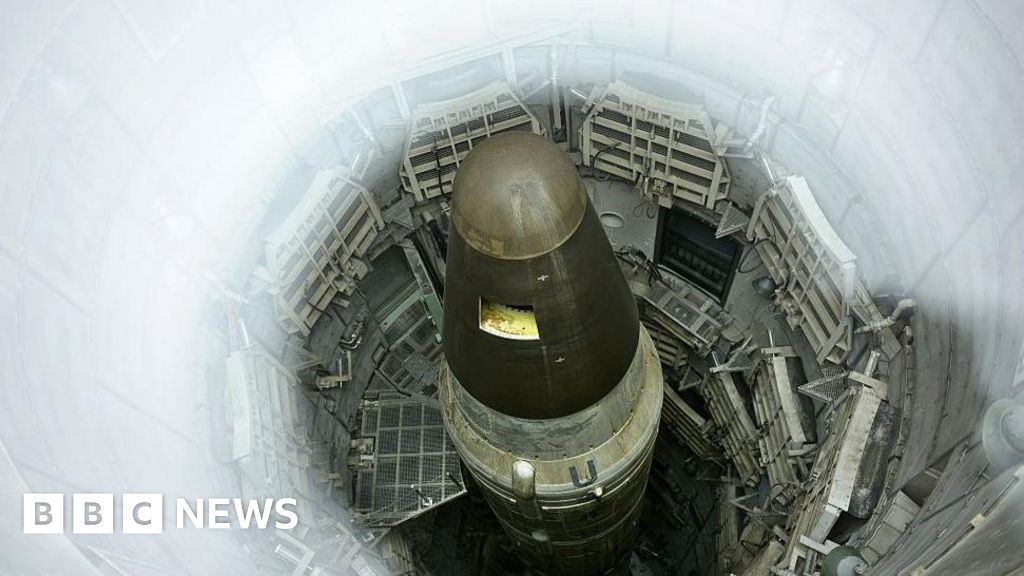
Are Russia’s new nuclear weapons real or just Putin’s bluster?

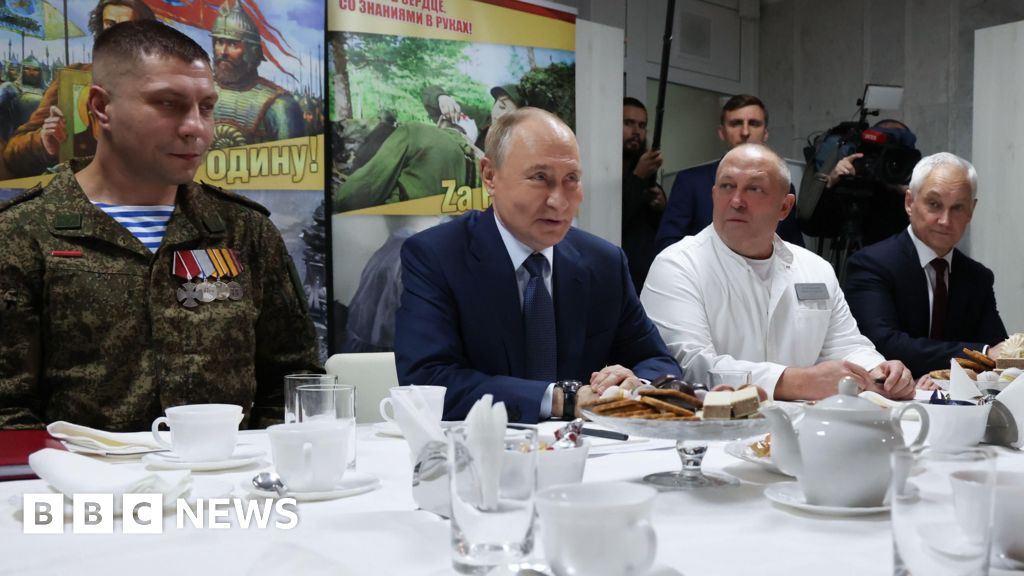
The recent series of military tests conducted by Russia signals a renewed push by Moscow to project strength amid mounting international tensions. President Vladimir Putin publicly announced the testing of advanced weaponry—namely the Poseidon underwater drone and the Burevestnik nuclear-powered cruise missile—just days apart, a move that analysts interpret as both showcasing technological prowess and strategic signaling. While Russia’s officials tout these weapons as “unmatched in the world,” experts like Mark Galeotti warn that the true military value remains uncertain. Historically, these claims dovetail with Russia’s broader doctrine of deterrence, emphasizing second-strike capabilities designed to uphold Moscow’s strategic ambiguity while testing Western resolve.

From a geopolitical impact perspective, these weapon tests come at a critical juncture. The timing—soon after tentative efforts by U.S. President Donald Trump to de-escalate the Ukraine conflict—appears deliberate. International organizations and security analysts suggest that Moscow’s gambit is meant to remind the West of Russia’s emerging military might, particularly in an era where conventional forces are under strain in Ukraine.

  • Since 2018, Russia has emphasized these weapons as “invincible,” yet their actual operational viability has been questioned, especially after catastrophic failures like the 2019 rocket engine explosion that claimed lives of nuclear engineers.

Despite claims of technological superiority, experts caution that the real capacity of these weapons remains uncertain, mirroring the ambiguity in Moscow’s broader military posture.

Meanwhile, the United States’s response has been notably restrained, with recent developments marking a strategic recalibration. The cancellation of a planned summit between President Trump and President Putin, combined with new sanctions on Russian oil giants, signals Washington’s frustration and wariness. U.S. officials have begun to, explicitly or covertly, prepare for a renewed nuclear arms race, with Trump justified resuming nuclear weapons testing as a means to maintain parity—an alarming sign of escalating tensions. On the international stage, NATO and global security think tanks warn that such displays deepen the risk of miscalculation, as Russia’s provocative tests seem designed not just for technological display but also to bluff against what it perceives as Western hesitation.

This escalation is further compounded by Russia’s strategic stance amidst a muddled battlefield in Ukraine. As David Heathcote of McKenzie Intelligence Services notes, the lackluster performance of Russian conventional forces has prompted Moscow to resort to “overexaggerated sabre rattling,” a bid to inflate its strategic importance while masking vulnerabilities. The announcements about these advanced weapons thus seem to serve a dual purpose: bolstering domestic morale and enticing international allies or adversaries into underestimating Moscow’s true military readiness. As history charts the course of nuclear proliferation, the world now stands at a critical crossroads—where each test, each declaration, shapes the fragile fabric of global security, leaving the future unsettled and the shadows of war looming larger than ever.
Trump vows to revive U.S. nuclear tests to boost national strength

President Trump’s Nuclear Posture Shift Signals Potential Disruption in Global Security and Tech Sectors

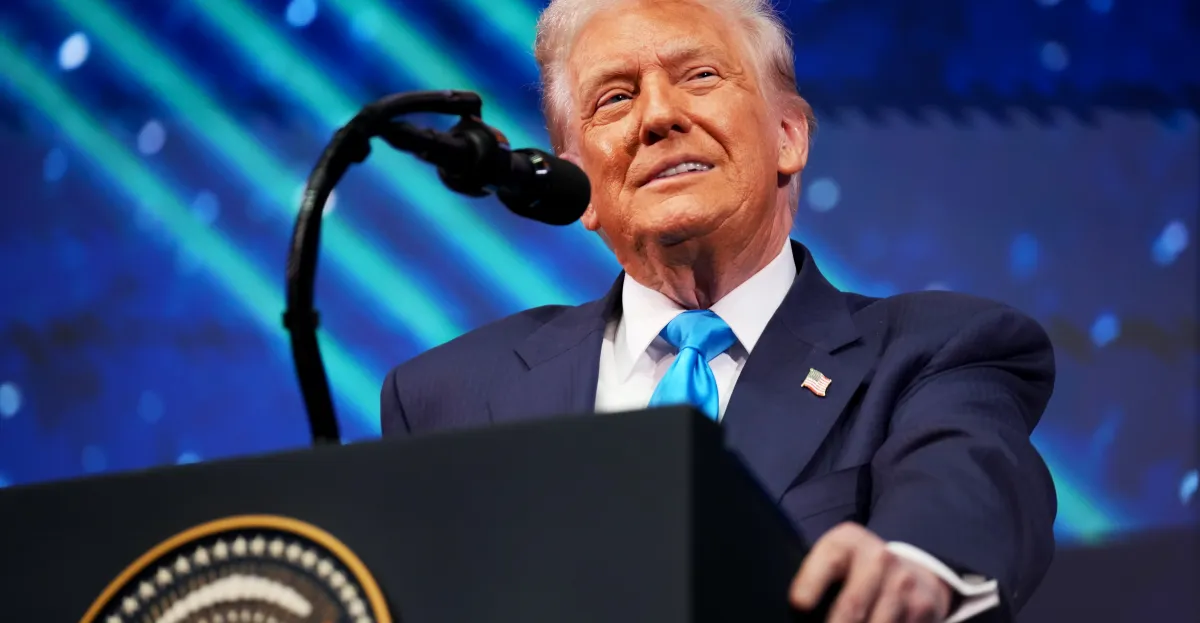
In a bold and controversial move, President Donald Trump has directed the Pentagon to resume testing nuclear weapons, citing the necessity to match other nations’ testing programs. This decision marks a significant departure from the longstanding post-Cold War nuclear testing moratorium, which has largely shaped global strategic stability over the past three decades. While few details have been disclosed, the announcement signals a possible new phase in military innovation, pushing the boundaries of nuclear capabilities and their associated tech ecosystems. The immediate implications could be profound, affecting international diplomacy, defense industries, and technological innovation in related sectors.

This move comes at a complex geopolitical juncture. Just before a high-stakes summit with China’s Xi Jinping, Trump’s statement appears to upend decades of American policy. Historically, the US maintained a strategic restraint on nuclear testing, aligning with global efforts for non-proliferation. However, Trump’s directive suggests a strategic pivot, possibly aimed at reasserting US military dominance amidst rising geopolitical tensions and global technological competition. But experts warn that such actions could destabilize existing treaties; the US, a signatory of the Comprehensive Nuclear-Test-Ban Treaty, has yet to ratify it. Meanwhile, Russia, which possesses the world’s largest nuclear stockpile, continues modernization efforts, injecting an element of disruption into the balance of global nuclear deterrence.

From an industry perspective, this escalation may act as a catalyst for innovation within the defense sector. Companies specializing in nuclear physics, materials science, and simulation technologies could see surges in demand. Emerging players in advanced warhead design and system delivery technologies might accelerate R&D investments or even disrupt existing supply chains. Yet, these innovations are fraught with ethical and regulatory challenges, complicating long-term business models. As analyst Peter Thiel might argue, disruption in high-stakes defense tech requires a careful balance between innovation, security, and international diplomacy.

The announcement also exposes the vulnerabilities of global non-proliferation efforts. With the US potentially resuming nuclear tests, other countries could follow suit, destabilizing the delicate international security architecture. This collapses the normative framework that discouraged nuclear tests for decades, and may incentivize rogue states or emerging powers to pursue clandestine programs. The ripple effect could further accelerate technological arms races, pushing industries toward more sophisticated satellite surveillance, advanced monitoring, and cyber capabilities—areas where innovation may be both a boon and a threat. As Gartner warns, the erosion of norms around nuclear testing could precipitate a broader disruption across defense and technology industries.

Looking ahead, this development underscores a pivotal juncture for global stability and technological advancement. The potential resumption of nuclear testing not only signifies a geopolitical gamble but also a catalyst for industry disruption in defense tech and international security. Fast-moving innovators and investors must now navigate this landscape with increased urgency, as the future of nuclear deterrence, international diplomacy, and technological progress hangs in a delicate balance. As authorities, companies, and nations grapple with these shifts, the imperative for strategic foresight becomes clear—those who proactively adapt to this new era of high-stakes innovation will be the ones to shape the trajectory of global security and technological dominance in the years to come.

Trump Announces US to Resume Nuclear Tests After 30 Years

U.S. Reverses Nuclear Testing Moratorium Amid Rising Global Tensions

In a move that has sent shockwaves through the international community, President Donald Trump has announced the resumption of nuclear weapons testing, marking a stark departure from decades of U.S. policy aimed at nuclear non-proliferation. Just ahead of crucial diplomatic interactions with Chinese President Xi Jinping, Trump publicly declared that the United States would initiate testing “on an equal basis” with countries like Russia and China. This shift reflects mounting concerns over the rapidly evolving geostrategic landscape, where nuclear capabilities are increasingly seen as essential leverage and deterrence in a world marred by conflicts and technological advancements.

The decision to restart U.S. nuclear testing has notable geopolitical impact. Historically, the U.S. and Russia have maintained a delicate balance of nuclear arsenals, with recent estimates revealing Russia’s stockpile at approximately 5,580 warheads—more than the U.S.’s slightly lower count of about 5,225, according to the Federation of American Scientists (FAS). Meanwhile, China has dramatically increased its arsenal, reaching around 600 warheads and projected to exceed 1,000 by 2030, as per analysts from the Center for Strategic and International Studies (CSIS). By announcing a return to nuclear testing, the U.S. appears to be signaling a readiness to escalate the arms race, a move that critics warn could undermine the existing nuclear treaties and fuel further instability.

It’s worth noting that, since the last U.S. nuclear test in 1992, the international community has largely adhered to a moratorium on testing, reinforced by treaties such as the Comprehensive Nuclear-Test-Ban Treaty (CTBT). The recent Russian testing of advanced missile systems and the development of nuclear-capable underwater drones, like the Poseidon, showcase a new era of nuclear brinksmanship where technological innovation compounds strategic threats. The decision by the Trump administration, coupled with Russia’s own tests of new weaponry, may ignite a chain reaction of destabilizing responses among nuclear-armed nations. International agencies, including the United Nations and global disarmament advocates, have warned that a resumption of testing could jeopardize the nuclear non-proliferation regime, risking a future where nuclear conflict becomes more likely rather than less.

Leading historians and international analysts emphasize the gravity of this shift. For example, Dr. Hal Brands, a notable security expert, cautions that restoring a testing program could mark *”the end of the post-Cold War era of strategic stability”* and escalate the risk of nuclear proliferation among emerging powers. Meanwhile, opposition figures in Congress and advocacy groups have voiced fears over the revival of nuclear tests, arguing that this could “trigger a dangerous arms race” and undermine decades of diplomatic progress. The strategic calculus now moves perilously close to a precipice, with the future of global stability hanging in the balance. As the world watches, it remains uncertain whether diplomacy can contain this dangerous flashpoint, or if history will be rewritten in fire and radiation—an ominous testament to the fragile balance of peace and chaos that has defined the nuclear age.

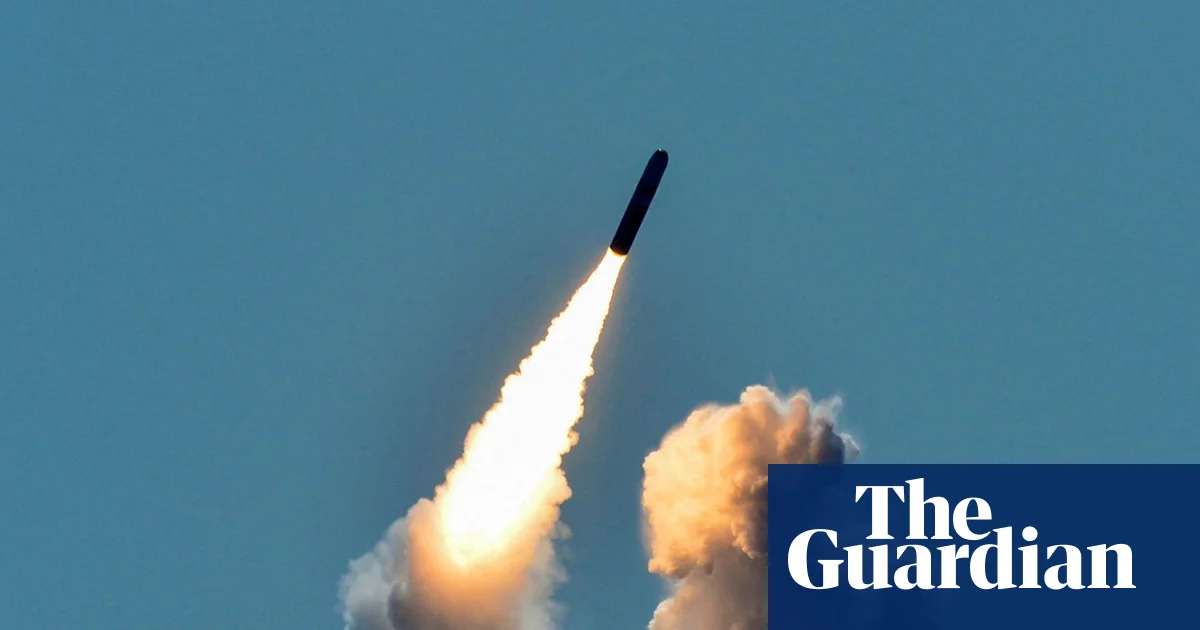
Trump orders Pentagon to ramp up nuclear tests to rival Russia and China | Donald Trump

In a **dramatic escalation** of international tensions, Donald Trump has ordered the Pentagon to begin testing U.S. nuclear weapons in direct response to recent advances by Russia and China. This move, announced via social media, marks a **noteworthy shift** from years of US efforts to de-escalate nuclear tensions and cements a stark new reality—one where the world’s leading powers are engaging in a **dangerous game of nuclear one-upmanship**. Trump’s directive coincides with a backdrop where Moscow and Beijing have demonstrated their willingness to modernize and expand their nuclear arsenals, with Russia’s successful test of the Burevestnik cruise missile and Poseidon super torpedo exemplifying a clear intent to project power and undermine existing global stability.

Russia’s recent nuclear tests, including the Burevestnik nuclear-powered cruise missile and the Poseidon super torpedo, signal an **assertive posture** by the Kremlin amidst *breakdowns in diplomatic dialogue* with the West, particularly over the ongoing conflict in Ukraine. These developments are viewed by many analysts as a **deliberate display of strength**, intended to *deter Western interference* and reinforce Russia’s position as a formidable nuclear power. In response, Vladimir Putin has emphasized the need to ensure Russia’s national security, framing these tests as a necessary countermeasure in a new era of uncertainty. Meanwhile, the United States—despite a self-imposed moratorium since 1992—appears poised to re-engage in **nuclear testing**, threatening to ignite a new arms race. The move has sparked alarm among international organizations like the United Nations, which emphasize the catastrophic consequences of an escalated nuclear conflict and warn that such actions risk undoing decades of arms control efforts.

The **geopolitical impact** of Trump’s decision is profound and multifaceted. Not only does it **destabilize regional security architecture**, but it also threatens to undermine *existing treaties* such as the New START Treaty. The historic significance is clear: the revival of nuclear testing signals a departure from *diplomacy and mutual restraint*, opening a dangerous corridor leading toward a potential **nuclear crisis**. As traditional alliances and treaties waver, nations like India and Pakistan watch with concern, aware that a new arms race could destabilize a fragile global order. Leading international scholars, including arms control experts and historians, warn that such decisions “could unleash an era of instability and violence” that the world has sought to avoid since the Cold War’s conclusion.

Amidst this chaos, the **weight of history** looms heavy. The last full nuclear test conducted by the US was over three decades ago, and the silence that followed was seen as a *hope* for eventual disarmament. However, recent incidents suggest that the **axis of nuclear powers** is once again in motion, bringing the world closer to the “shadow of annihilation”. With *each test, each threat, and each escalation*, humanity edges toward an uncertain future. As nations grapple with the choice between peace and war, the question remains: will diplomatic efforts prevail, or will history once again be rewritten on the backdrop of nuclear shadows—a narrative where the clash of titans threatens to define the destiny of civilization itself?

Iran Ends Deal, Signals New Nuclear Stance—What Youth Should Know

Global Shifts Shake Foundations of Middle East Stability as Iran Ends Nuclear Agreement

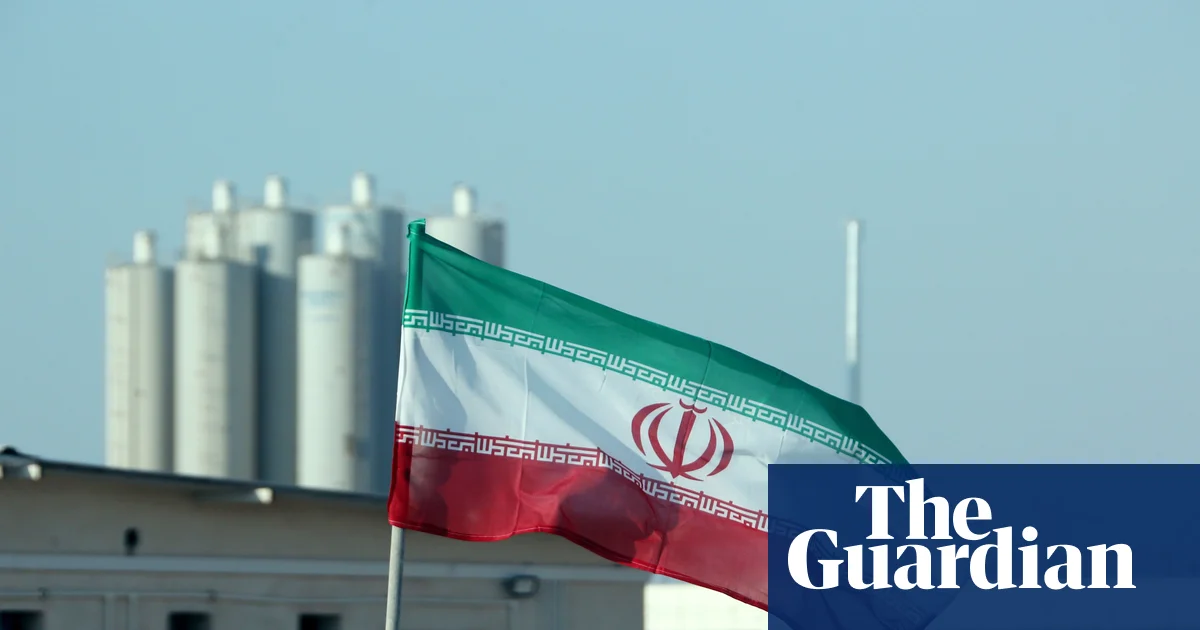
The end of the 2015 Joint Comprehensive Plan of Action (JCPOA) by Iran marks a decisive turning point in international diplomacy and security. After years of diplomatic stalemate, Tehran announced on Saturday that it was no longer bound by the agreement—an accord originally aimed at curbing Iran’s nuclear ambitions in exchange for eased sanctions. This move signals a potential escalation in regional tensions and sets the stage for a new, unpredictable phase in global geopolitics.

Signed in Vienna by Iran, China, Britain, France, Germany, Russia, and the United States, the JCPOA was heralded as a diplomatic triumph promising peace after long-standing hostility. Yet, years of US withdrawal, European diplomatic failures, and regional conflicts have eroded hopes for its revival. After a series of confrontations—including deadly bombings in Iran attributed to Israel and the US—the agreement’s collapse is seen by many analysts as an irreversible step toward renewed nuclear proliferation risks.

Geopolitical Impact of the Deal’s End

The snapping back of UN sanctions under Article 41 of the Security Council resolution 2231—triggered after Iran’s refusal to cooperate with nuclear inspectors—materialized a stark warning: the international community’s collective efforts to prevent nuclear proliferation are unraveling. Most notably, this re-imposition of sanctions effectively circled back to the deal’s termination, opening a perilous new window of uncertainty.

  • Iran’s immediate response was to cease all compliance with nuclear restrictions, claiming the agreement has been effectively nullified.

Western powers, led by Britain, France, and Germany, continue to advocate for diplomatic solutions, even as they reimpose sanctions in a clear show of strength and resolve. Their joint statements explicitly mention a desire to seek “a new diplomatic solution,” aiming to confine Iran’s nuclear pursuits without resorting to military action. However, critics warn that such gestures may be too little, too late, as regional instability intensifies and Iran’s own nuclear ambitions accelerate.

How Decisions Shape Societies and Nations

The escalation of tensions has far-reaching consequences for global security, economic stability, and regional alliances. The United States, under President Donald Trump, zeroed in on maximum pressure, attempting to isolate Iran through crippling sanctions meant to choke its economy. Yet, these strategies risk pushing Iran into the arms of China and Russia, potentially establishing new spheres of influence that could undermine Western dominance in the Middle East. International organizations, like the IAEA, now face a more complex challenge to monitor Iran’s nuclear activities amid rising distrust.

According to military analysts and historians, Tehran’s refusal to cooperate after the deal’s collapse is both a response to the sustained pressure and a calculated move to leverage its nuclear program as a geopolitical bargaining chip. The European Union and United Nations find themselves at a crossroads: pursue diplomatic negotiations or face the consequences of uncontrolled proliferation. The stakes have never been higher, and the weight of history suggests this crisis could redefine the balance of power for decades to come.

In the Shadow of the Future

As Iran prepares to mark termination day at the UN in New York, the world stands on the precipice of what many experts dread as a “new nuclear age.” The decisions made today will resonate through history, shaping the contours of international relations and national security for generations. The unfolding story—marked by failed diplomacy, mounting mistrust, and strategic resilience—underscores the profound truth that the past is prologue, and the future remains an uncertain chapter yet to be written. The pages are turning rapidly, and only time will reveal which path leads to lasting peace or chaos.

Iran sanctions return, a decade after the nuclear deal — a clear message on stability and security

Reinstatement of UN Sanctions on Iran: A Critical Moment in Global Geopolitics

The international landscape is once again teetering on the brink of escalation as UN economic and military sanctions have been reimposed on Iran, nearly a decade after the landmark Joint Comprehensive Plan of Action (JCPOA) was signed in 2015. This move, triggered by the European signatories – the UK, France, and Germany – underscores the high-stakes game of diplomacy and power politics in the Middle East. Their decision to activate the “snapback” mechanism, citing Iran’s continued nuclear escalation and non-cooperation, signals a pivotal divergence from the initial optimism that once surrounded the deal. As the European nations accuse Tehran of violations, the sanctions aim to curb Iran’s nuclear activities, which they argue threaten regional and global stability.

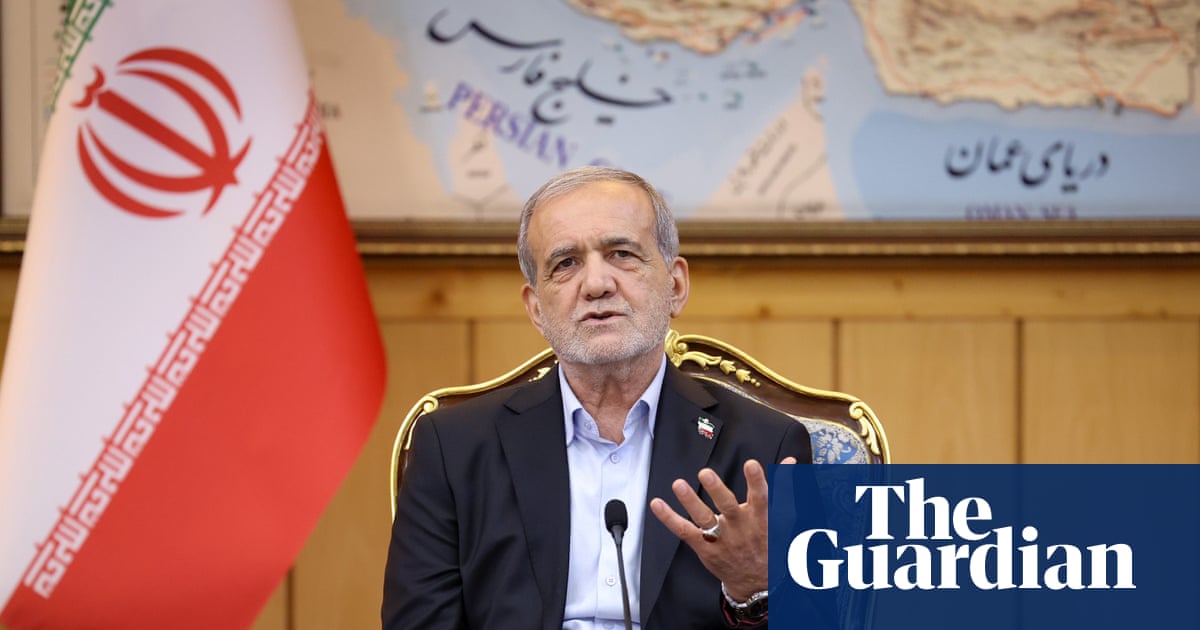
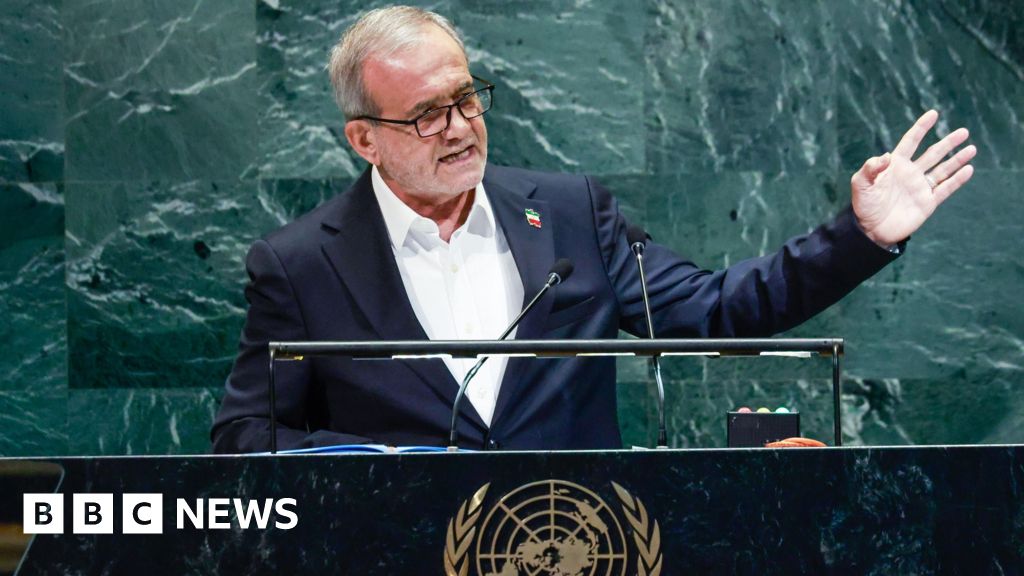
The situation escalated further after Iran suspended inspections of its nuclear facilities—an obligatory component under the 2015 agreement—following devastating Israeli and American airstrikes in June on Iran’s nuclear sites and military bases. These strikes, led by the US and Israel, were intended to reverse Iran’s nuclear advancements and punish its support for regional proxies. However, many analysts, including voices from the International Atomic Energy Agency (IAEA), question whether such military actions have significantly hindered Iran’s capabilities, or if they merely escalate tensions without solving underlying issues. Iran’s President Masoud Pezeshkian insists that his country harbors no ambition for nuclear weapons, framing the reimposition of sanctions as “unfair, unjust, and illegal”. But the global community remains divided, with Western powers worried that Iran’s nuclear program has strayed far beyond peaceful development into the realm of weaponization.

The geopolitical impact of these decisions is profound. The reimposition of sanctions strengthens the US and Israeli narratives that Iran’s nuclear ambitions pose an existential threat. Meanwhile, Iran warns that these measures undermine diplomatic efforts and threaten regional stability. The European allies, despite their hopes for renewed negotiations, expressed “no choice but to trigger the snapback,” citing repeated breaches by Tehran—notably its failure to cooperate with the IAEA and its refusal to disclose its stockpile of high-enriched uranium. These moves could potentially isolate Iran further, but they also risk deepening the cycle of hostility and mistrust—a game where today’s sanctions could set the stage for tomorrow’s conflict. International organizations like the United Nations warn that, absent fruitful diplomacy, the risk of a regional war or nuclear proliferation increases exponentially.

As Iran dismisses the sanctions as “illegal” and “unjustified,” it signals a refusal to capitulate, further complicating international efforts for a peaceful resolution. The Iranian government has also vowed to respond firmly to any actions that undermine its sovereignty, warning that attempts to weaken its rights could lead to “appropriate responses.” The current standoff marks a critical juncture—one that could decide the future trajectory of Middle East stability. Historians and geopolitical analysts emphasize that these escalations are not isolated incidents but part of a larger pattern of emerging superpower struggles, where alliances are tested and global order is under relentless strain. How these decisions ripple across borders and societies will ultimately define the next chapter of 21st-century history—an unfolding saga of diplomacy, defiance, and the relentless pursuit of security.

UN Sanctions Hit Iran as Nuclear Talks Collapse

In a move that marks a pivotal moment in the ongoing saga over Iran’s nuclear ambitions, the United Nations has reinstated widespread sanctions against Tehran—its first in a decade. This reimposition follows failed diplomatic negotiations between Iran and Western powers, punctuated by a trio of recent military strikes involving Israel and the United States. The sanctions, effective from late Saturday, target Iran’s nuclear and ballistic missile programs, aiming to choke its economy and curtail its military capabilities. This decision underscores the enduring geopolitical struggle over nuclear proliferation and regional dominance, with implications resonating across the Middle East and the wider international order.

Despite the renewed sanctions, diplomatic efforts remain alive, as European and US officials insist that dialogue has not ended. Secretary of State Marco Rubio called for Tehran to accept “direct talks held in good faith,” emphasizing that the measure is intended as a pressure tactic rather than a permanent solution. Similarly, the foreign ministers of Britain, France, and Germany reiterated their commitment to diplomacy, underscoring the importance of preventing Iran from ever acquiring nuclear weapons. However, the reality on the ground is complex: Iran’s government has allowed UN inspectors to revisit nuclear sites, yet its President, Masoud Pezeshkian, has dismissed a recent proposal to surrender its stockpile of enriched uranium as “unacceptable,” signaling a potential standoff in negotiations. Here, decision-makers face a stark choice—continue diplomatic engagement or risk a broader confrontation that could ignite regional instability.

International dynamics further complicate the scenario. Russia has made it clear that it does not recognize the legitimacy of the sanctions, decrying them as attempts by the West to sabotage constructive solutions. “The sanctions expose the West’s policy of blackmail and unilateral concessions at the expense of international stability,” Moscow proclaimed. Conversely, Germany’s Foreign Minister, Johann Wadephul, stressed the necessity of preventing Iran from obtaining nuclear weapons, framing the sanctions as an essential, if regrettable, measure. This divergence highlights a fractured international landscape: while the West seeks to contain Iran’s nuclear ambitions through sanctions, Russia’s stance hints at a potential for resistance and realpolitik, further destabilizing the broader geopolitical environment.

The Iranian leadership maintains that it’s not pursuing nuclear weapons, insisting that its program is purely for civilian purposes. Nonetheless, the sanctions’ ripple effects are tangible: Iran’s currency plummeted, inflation soared, and everyday life for its citizens—already strained by economic mismanagement—worsened, casting a pall over prospects for social stability. The exchange rate surge to record highs exemplifies this economic downturn, fueling fears of societal unrest. Meanwhile, Iran has recalled envoys from UK, France, and Germany, signaling displeasure and a potential diplomatic rupture. The global community faces the crucial question: how long can Iran withstand economic isolation before the internal pressures threaten to spill into regional instability?

Founded upon a history of failed negotiations and mutual suspicion, the unfolding crisis in Iran poses profound questions about the limits of diplomacy and the potential for escalation. As international observers—including analysts from the International Crisis Group—note, Iran appears relatively resilient to renewed sanctions, having already adapted to US unilateral pressures. Yet, experts warn that the “snapback” measures—dormant since 2015—are difficult to reverse once activated, risking a potential cycle of escalation. As China and others sidestep US-led sanctions, the global balance of power teeters, with the Middle East once again at a crossroads—closer to confrontation or convergence. In the shadows of these decisions, the weight of history presses down, reminding the world that the next chapter in Iran’s story could carve a new era of conflict or peace, depending on whether diplomacy or force prevails.

UN sanctions on Iran to resume after banned nuclear activity emerges

As Iran faces the looming reimposition of UN economic and military sanctions, the international community stands at a pivotal crossroads in Middle Eastern geopolitics. Nearly a decade after the landmark 2015 Joint Comprehensive Plan of Action (JCPOA) temporarily curtailed Iran’s nuclear ambitions, recent developments suggest a significant departure from diplomatic détente. The United Nations is poised to reinstate a broad set of sanctions—spanning arms embargoes, uranium enrichment bans, and asset freezes—that threaten to plunge Iran back into economic hardship, echoing the tumult of the pre-deal era. This move follows a letter from Britain, France, and Germany accusing Iran of violating its commitments—a step that has galvanised efforts by Russia and China to delay the measures, but with limited success.

Historians and analysts observe that the reimposition of sanctions is more than just about nuclear proliferation; it underscores a fundamental shift in international power dynamics. Russia and China have positioned themselves as strategic counterweights to Western influence, with Moscow signing a $25 billion deal to construct four nuclear reactors in southern Iran. Such moves are viewed by Western nations as a bid to deepen Iran’s energy independence while undermining U.S. sanctions. Meanwhile, Tehran insists that its nuclear program remains civilian, condemning any accusations of weaponization as “unfair, unjust, and illegal.” However, the International Atomic Energy Agency (IAEA) has reported a resumption of inspections, highlighting ongoing concerns about Iran’s nuclear trajectory—concerns that are unlikely to be mollified without significant diplomatic breakthroughs.

Despite Tehran’s claims of peaceful intent, the European Union and Western powers have intensified efforts to uphold the sanctions, emphasizing that Iran’s continued enrichment activities threaten regional stability. The regional tension is further exacerbated by Israel’s repeated threats to strike Iran’s nuclear facilities, threatening a broader conflict in the Middle East. Iranian Foreign Minister Abbas Aragchi’s assertion at the UN that “the negotiation with the United States is in fact a pure dead end” signals Tehran’s growing distrust of Western diplomatic motives. Nonetheless, Iran maintains it is bound by international treaty obligations to cooperate with the IAEA, even as the possibility of resumed negotiations appears increasingly fragile, and the prospect of conflict edges closer.

The geopolitical impact of these developments extends beyond the borders of Iran. The re-imposition of sanctions could further destabilize the already volatile region, prompting countries across Europe, Asia, and beyond to recalibrate their strategic calculations. International organizations warn that prolonged sanctions may push Iran closer into the embrace of authoritarian allies, reshaping alliances and intensifying the arms race. The looming sanctions serve as a stark reminder that the corridors of diplomacy are narrowing, and that the unfolding drama in Iran could be a significant chapter in a larger story—one written in the language of power, resilience, and the relentless pursuit of national sovereignty. As history continues to unfold, the question remains: will diplomacy prevail, or will this chapter usher in a new era of conflict that tests the very fabric of international peace?

Social Media Auto Publish Powered By : XYZScripts.com