Matox News

Truth Over Trends, always!

East Coast heads for heat surge following Western Australia’s record October temperatures

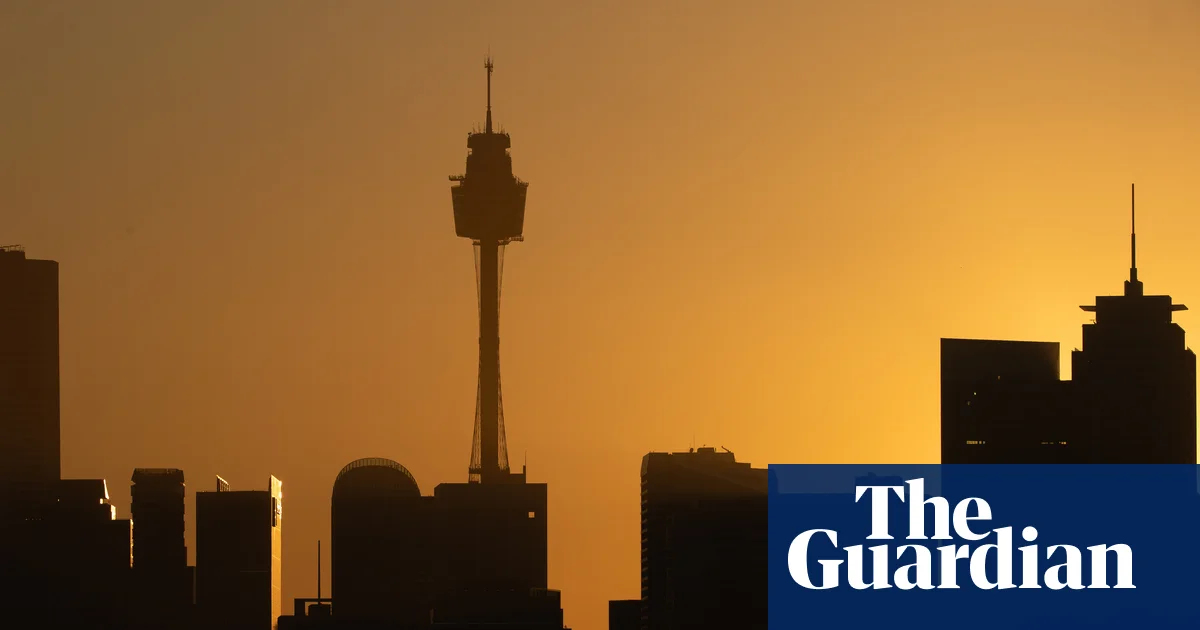
The recent surge of unprecedented October heat across Australia highlights the growing severity of climate change and its disruptive impact on global weather patterns. Meteorologists report that record-breaking temperatures are sweeping through states like South Australia, Queensland, and New South Wales, with Sydney and Brisbane facing high 30s—signaling a dangerous escalation in extreme weather events. According to Dean Narramore, senior meteorologist at the Bureau of Meteorology, the conditions represent “a very big day of weather,” with the potential for widespread record-breaking heat and destructive thunderstorms. These developments are not isolated anomalies but are consistent with a disturbing trend of rising temperatures—Australia’s land surface having warmed by 1.5°C since 1910, a trajectory that international climate experts warn could lead to even more catastrophic events in the future.

Over the weekend, the thermometer soared to alarming levels in Western Australia and South Australia, with locations like Telfer reaching a scorching 44.3°C. These temperatures are not only startling in isolation but serve as grim indicators of how climate crises exacerbate the severity and frequency of forest fires, heatwaves, and severe thunderstorms. As analysts from various international organizations emphasize, such extreme weather events threaten not only the environment but also the safety and socio-economic stability of nations. Experts warn that many regions could see temperatures between 10 to 16°C above normal, with some areas potentially exceeding 18°C—an indication that the resilience of societies will be tested as never before. The increasing frequency of these events underscores a stark reality: decisive global action on climate change is no longer optional but an urgent necessity.

The geopolitical impact of these climate-induced shocks is profound. Australian authorities are signaling a worsening fire danger, with models forecasting “extreme fire dangers” across multiple states, including parts of metropolitan Sydney and regional Queensland. Historically, such conditions have led to devastating wildfires, which displace communities, destroy ecosystems, and strain emergency services. This pattern is a stark reminder to international observers that climate change is no longer an abstract threat—it’s an immediate crisis capable of destabilizing entire regions. The significance extends beyond Australia; as global climate systems become increasingly volatile, nations must confront the reality that unchecked emissions contribute to a world where extreme weather is the new normal. International commentary concurs that geopolitics will increasingly revolve around climate resilience, resource management, and adaptation strategies.

As the weather worsens, the bleak horizon of climate diplomacy looms large. Critics argue that successive United Nations climate accords have failed to deliver meaningful reductions in greenhouse gases, thus amplifying the frequency of such catastrophic events. Some analysts suggest that the world is entering a new era—“where weather becomes the battleground for global power and stability.” This phrase encapsulates the notion that nations with the capacity for resilience and adaptation may gain an advantage, while others buckle under the weight of climate-induced turmoil. Historian and climate analyst Dr. Helen Roberts warns that the current trajectory risks a future where society’s most vulnerable face the brunt of environmental chaos—adversely impacting social cohesion and economic security. As the nations of the world continue to grapple with these unfolding realities, one thing remains clear: the clock is ticking, and the pages of history await the decisive chapters that will determine humanity’s fate amid the dawn of a new climate epoch.


October heat records at risk across multiple states as scorching heat moves east through central Australia

Australia Confronts Record-Breaking October Heatwaves and Severe Storms

In an alarming turn of climate patterns, Australia is experiencing unprecedented weather extremes that threaten to leave a lasting imprint on its environment and society. According to the Bureau of Meteorology, parts of South Australia, Queensland, New South Wales, and the ACT are set to endure temperatures soaring up to 15°C above average this weekend. These climatic anomalies are not only breaking historical records but also signaling a potential shift in global weather systems, prompting international concern about the evolving climate crisis.

Climate analysts and historians warn that these rapid temperature increases, especially in inland regions such as Oodnadatta and Birdsville, could constitute a harbinger of intensified extreme weather events caused by human-induced climate change. Dean Narramore, a senior meteorologist at the bureau, highlighted the severity of the situation, noting that some locations may approach or surpass their October temperature records. The forecast predicts 45°C in Oodnadatta on Monday, while the interior states could see their temperatures reach the low to mid 40s. Such conditions highlight an urgent consequence of a warming planet—a phenomenon that international organizations like the UN have described as a threat to global stability.

Global Implications of a Warming Australia

These extreme temperatures are not an isolated event but part of a larger narrative about the **accelerating impacts of climate change**. As Australia faces this unusual early summer heat, the geopolitical impact reverberates beyond its borders. Nations vested in climate diplomacy are watching closely, understanding that Australia’s weather patterns could serve as an early warning for broader global disruptions. The intergovernmental panels and international agencies emphasize that such irregularities threaten agricultural production, water security, and urban resilience, with ripple effects felt worldwide.

Meanwhile, severe thunderstorms loaded with potential for giant hail are predicted to strike eastern Queensland and northeastern New South Wales, areas already vulnerable to extreme weather. This unpredictable combination of heatwaves and violent storms underscores the fragile balance of Australia’s climate system, but it also exemplifies the how decisions made today shape the resilience of future societies. Historically, climate science experts like Dr. Jennifer Francis warn that failure to mitigate these rapid shifts could lead to irreversible environmental damage, challenging societies’ ability to adapt and survive.

Contemporary Challenges and International Response

As Australia grapples with these climatic upheavals, the international community faces a stark choice: intensify efforts to curb emissions or watch as the pattern of devastation accelerates. The recent weather upheaval underscores a fundamental truth voiced by global policymakers and historians alike—the window for meaningful action is narrowing. The recent intense heatwave, coinciding with the threat of deadly thunderstorms, exemplifies how local climate phenomena are intrinsically linked to global issues, urging nations to forge coordinated strategies to combat the crisis.

Yet, amidst warnings and predictions, the unfolding events serve as a reminder that history is not yet written. The choices made by governments, industries, and societies will determine the trajectory of this crisis. As the sun blazes hotter year after year, and as storms grow more ferocious, the question remains: will humanity rise to meet this challenge or be swallowed by an indifference that leaves future generations to bear the consequences of today’s inaction?

In the shadow of this climate upheaval, the weight of history bears heavily on the present—each decision a stroke on the vast canvas of the future. And as the story unfolds, one truth remains undeniable: **the unfolding climate crisis is not just the story of Australia but a universal chapter, demanding unwavering resolve before the pages of history close on our chance to act**.

Don’t Miss Out: October Prime Day Laptop Deals Won’t Last!

The commercial landscape of consumer electronics is undergoing a crucial transformation as major sales events like Amazon Prime Day continue to shape market dynamics. This year’s second Prime Day, running through October 9th, exemplifies how *disruption* in retail commerce—fuelled by aggressive online discounts—poses both challenges and opportunities for industry players. While consumers benefit from short-term price reductions on laptops and accessories, industry analysts from firms like Gartner suggest this pattern accelerates a *deflationary trend*, pressuring manufacturers and retailers to rethink their pricing strategies amid tightened profit margins.

From an innovation perspective, businesses are leveraging strategic discounts to stay competitive, especially in the rapidly evolving segment of personal computing. Premium brands such as Apple, HP, Microsoft, and Lenovo have responded with significant savings on flagship models, reflecting an industry push towards tighter integration of *disruptive* hardware features that appeal to younger, tech-savvy consumers. For example, the latest gaming laptops like the Lenovo Legion 5 and Alienware AW2725Q showcase advancements in graphics, processing, and display technology, setting new *milestones* for immersive experience. These developments are not just consumer-focused but serve as strategic innovations that challenge industry standards—pushing competitors to innovate or concede market share.

Industry observers note that this ongoing sale frenzy signals a *shift* where *disruptive trends* like direct-to-consumer sales models and AI-driven procurement algorithms are reshaping traditional distribution channels. Companies are increasingly relying on *real-time data* and market analytics, as highlighted by MIT research, to optimize pricing and inventory management dynamically. In addition, the proliferation of *smart accessories* and *integrated devices* hinges on this *disruption*, elevating hardware beyond basic functionality toward ecosystems built on interconnected, AI-enabled platforms. This evolution is compelling companies to prioritize *innovation* that aligns with the “digital-native” generation’s expectations for seamless, intelligent devices.

However, this rapid pace of change also bears significant business implications. As Peter Thiel warns, *”monopoly is the goal of technological innovation”*—but in a competitive, discount-driven environment, the risk of commoditization rises. Industry titans must balance *cost leadership* with *technological differentiation*, fostering innovation that sustains long-term growth rather than short-lived sales boosts. As market shifts accelerate, firms that harness *disruptive* innovations—such as AI-powered manufacturing, advanced materials, and sustainable design—will seize a competitive edge in the coming era of *tech dominance*. Moving forward, the urgency for brands to invest in *cutting-edge R&D* and *strategic disruptions* remains paramount; failure to do so could see legacy players sidelined by agile startups leveraging the same retail events for disruptive entry.

In conclusion, the ongoing Prime Day sales serve as a bellwether for a technology landscape at a pivotal juncture. The emphasis on *innovation* and *disruption* isn’t just about capturing short-term market share but about shaping the future of *how* technology integrates into every facet of daily life. Companies that capitalize on this moment—through dynamic pricing, AI-driven insights, and groundbreaking product developments—will define the trajectory of the digital economy in the coming decade. For industry leaders and investors alike, the imperative is clear: pace of innovation must accelerate, or risk being left behind in the wake of a *disruptive* wave that’s only just beginning.

Top October Prime Day Lego Deals: Epic Star Wars Sets & Fresh Botanicals for Trendsetters

In recent years, Lego has transformed from simple children’s toys into powerful symbols of cultural evolution and social engagement. The emergence of targeted sales events like Amazon’s Prime Big Deal Days is reshaping how consumers approach holiday shopping, especially within the youth demographic. With the recent surge in Lego deals, it’s evident that the brand is not just about building blocks; it’s about building a cultural identity that resonates across generations. Influencers, artists, and social analysts agree that Lego’s strategic positioning during these shopping seasons fuels a larger societal conversation about creativity, nostalgia, and the power of DIY culture.

One of the most noticeable shifts—highlighted by savvy shoppers and trend trackers—is how Lego’s product range now caters to a broad spectrum of social interests. From Star Wars themed advent calendars to Vincent Van Gogh’s “Starry Night” sets, the brand taps into the prestige of pop culture and fine art alike. During Prime Day, these sets are not just discounted; they become a vessel for cultural expression. For example, the Lego Star Wars Advent Calendar offers fans a chance to build and preserve some of cinema’s most iconic characters, while also creating a sense of holiday tradition. Meanwhile, adult Lego enthusiasts tap into these deals to craft home decor or artistic installations, demonstrating how Lego blurs the lines between childhood entertainment and mature artistic pursuits. The brand’s strategic deals make it clear: Lego is evolving into a lifestyle staple that speaks to the ambition of its diverse audience.

Experts like Dr. Julia Sanchez, a sociologist specializing in youth culture, note that Lego’s ability to remain relevant amidst digital distractions is rooted in its social relevance. “Lego is no longer just a toy; it’s a language of self-expression,” she explains. With social media influencers showcasing their own creative builds—ranging from architectural marvels to trending pop culture memes—the brand gains a new layer of social currency. The potential for users to share their masterpieces on platforms like TikTok and Instagram turns Lego into an interactive, participatory activity that fosters a sense of community. This participatory culture is making Lego a digital-age phenomenon: a tool for storytelling, identity exploration, and even social mobility, as users showcase their ingenuity for a global audience.

The Future of Creative Consumption: What’s Next for Lego?

As the Lego movement continues to thrive in an era dominated by instant digital gratification, a compelling question remains: Will the brand be able to sustain its cultural relevance as societal values evolve? The next big frontier is how Lego integrates emerging technologies like augmented reality (AR) and AI-driven creative tools. Will future consumers build not only with physical blocks but also code and virtual materials that bridge the tangible and digital worlds? Artists and analysts are increasingly asking whether Lego’s rising influence will inspire new forms of hybrid creativity—perhaps blending traditional craftsmanship with virtual design. The core issue is whether Lego’s strategic investments can keep pace with societal shifts towards personalization, sustainability, and digital storytelling.

The evolution of Lego during prime shopping seasons reveals deeper societal currents—highlighting how a humble toy can become a mirror for cultural aspirations. As shoppers gear up for the holiday season, the question is no longer just about finding a deal; it’s about understanding how products like Lego shape—and are shaped by—society’s evolving values and dreams. The real challenge for the future lies in whether Lego can continue to inspire the next wave of innovators who will craft not just with blocks, but with the ideas that shape tomorrow’s culture.

Israelis commemorate 7 October, pushing for Gaza peace talks to move forward

The recent anniversary of the October 7, 2023, Hamas-led attack on Israel underscores a pivotal moment in the ongoing Middle Eastern crisis, which has now entered its second year with devastating consequences. Over 1,200 lives were lost in the initial assault—marked as the deadliest day for Jews since the Holocaust—prompting an unprecedented military response by Israel. The Israeli military’s onslaught on Gaza has resulted in the deaths of more than 67,000 civilians, according to figures from Hamas-controlled health authorities, a grim statistic that echoes through international corridors and is validated by organizations like the UN. As imbued with grief and resolve, Prime Minister Benjamin Netanyahu declared that Israel’s resilience remains unbroken despite the immense pain, vowing to achieve the war’s primary aims: the return of hostages, the eradication of Hamas’s regime, and ensuring Gaza’s inability to threaten Israel again.

  • Amid ongoing bloodshed, Egyptian-mediated negotiations in Sharm el-Sheikh have been a rare glimmer of diplomatic effort, aiming to forge a ceasefire and an end to the violence. However, reports indicate that these talks are “tough” and lacking tangible breakthroughs, with disagreements centered on the Israeli withdrawal from Gaza and the guarantees Hamas seeks against renewed hostilities. The stakes reach far beyond the battlefield, as regional and global actors anxiously watch for signs of de-escalation or escalation.
  • The United Nations and international analysts emphasize the _urgent need_ for a sustainable peace plan, with Trump’s peace initiative being touted as a “historic opportunity.” Yet, the complexities of trust, security, and sovereignty render these diplomatic efforts fragile. The US‘s involvement, alongside Arab mediators and European powers, underscores how this conflict continues to threaten regional stability and influence foreign policy calculations across continents.

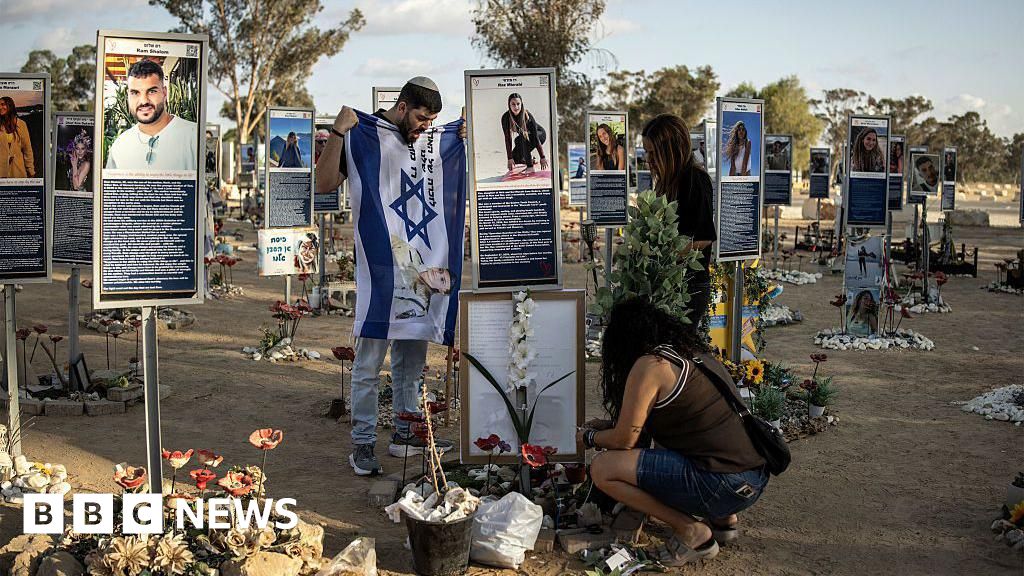
Official memorials in Israel were postponed to reflect on the tragedy of 2023, yet communal mourning persists. Across the country, including in Tel Aviv, families and citizens gathered to honor those lost, highlighting a society deeply scarred yet fiercely resilient. Meanwhile, in the diplomatic arena, indirect talks in Egypt reveal a divided front, as disagreements over Gaza’s future governance, the fate of hostages, and the humanitarian crisis persist. Palestinian officials report that negotiations are mired in “tough” disagreements, especially over Israeli troop withdrawals and guarantees against renewed fighting. The involvement of prominent US figures like Jared Kushner suggests a renewed American interest in facilitating a lasting peace—a goal that remains elusive yet critical given the history of broken treaties and promises.

In Gaza, the relentless Israeli bombardment persists amidst dire humanitarian conditions. Hospitals depleted, civilians displaced and desperate, the war’s toll is evident: children buried in rubble, families hiding from the deafening echoes of artillery, and a world watching with tense anticipation. The loss of life, reported by local health authorities and confirmed with difficulty by independent outlets, paints a stark tableau of suffering. As Israel continues its operations and Gaza’s hospitals reach collapse, the international community—particularly European and Arab nations—faces mounting pressure to intervene, prevent further humanitarian catastrophe, and craft an end to this cycle of violence that threatens to redraw the geopolitical map of the Middle East.

As history unfolds, the weight of this moment presses heavily upon all involved. The conflict remains a testament to the tragic consequences of unresolved grievances, failed diplomacy, and radicalized ambitions. The echoes of this harrowing chapter will reverberate through generations, a stark reminder that in the sands of Gaza and the streets of Jerusalem, the quest for peace remains a perilous pursuit—a fragile thread woven through the tapestry of history, where the next chapter is yet unwritten and the world holds its breath for what is to come.

Zohran Mamdani's October 7 Remarks Sparks Backlash from Israel
Zohran Mamdani’s October 7 Remarks Sparks Backlash from Israel

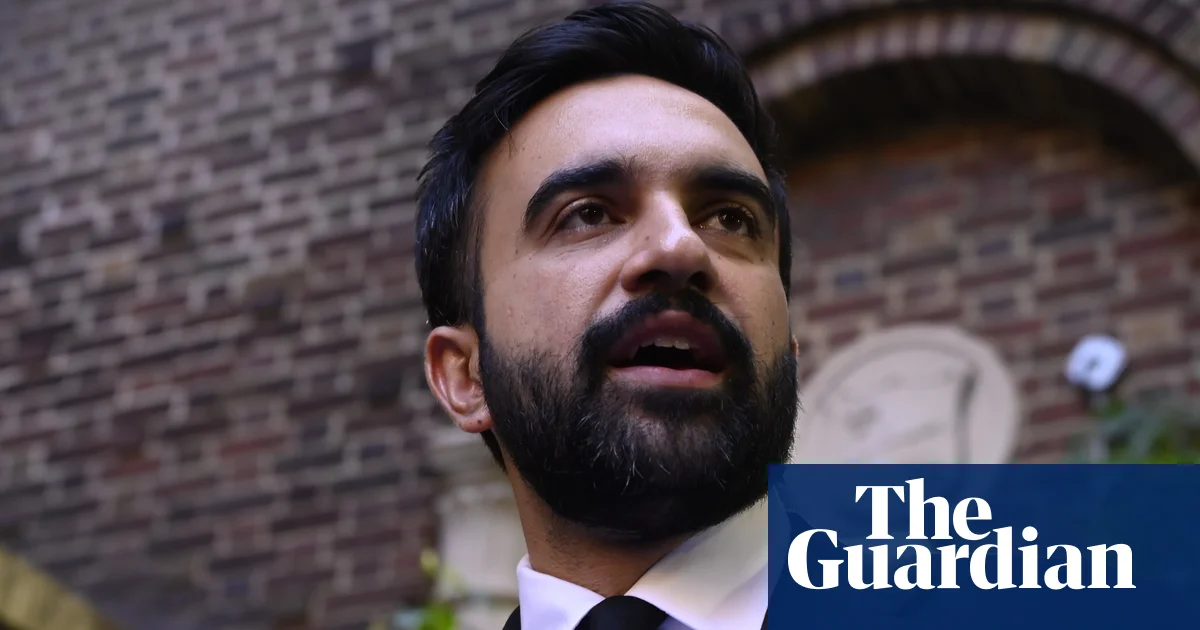
In a period where geopolitical tensions are intensifying globally, the recent statements by Zohran Mamdani, a leading Democratic mayoral candidate in New York City, have sparked an international debate on the ethics and politics surrounding the ongoing Israeli-Gaza conflict. Mamdani’s remarks, commemorating both Israeli victims of the October 7 Hamas attacks and Palestinian casualties since Israel’s military escalation, have become a flashpoint revealing the deep divisions within American society and the powerplay shaping the world stage. His call to recognize Palestinian suffering and criticism of Benjamin Netanyahu and the United States’ role in the conflict represents a broader narrative that is resonating not just locally but also echoing in global political discourse.

Analysts from the International Crisis Group and other think tanks warn that such narratives are fueling the divisiveness over Israel’s actions in Gaza, where reports indicate that tens of thousands of civilians, including a significant number of children, have fallen victim to extensive military operations. Israel’s government, led by Netanyahu, faces accusations from various international bodies, including the International Criminal Court, of committing war crimes and crimes against humanity—charges that Israel dismiss as “self-defense”. Meanwhile, Israel’s military campaign, which has razed substantial parts of Gaza, has been characterized by critics as a form of genocide signified by mass starvation and urban destruction. The United States, a critical ally of Israel, continues to supply military aid, arguably making it complicit in the suffering—an implication that Mamdani explicitly brought into his critique, asserting US complicity in what he terms a “genocidal war.”

The reaction from Israeli officials was swift and sharp. The Israeli foreign ministry condemned Mamdani’s remarks as “spreading Hamas propaganda”, accusing him of undermining efforts to portray the conflict in a solely defensive light. This response underscores the global contestation over the narrative—where pro-Israel voices emphasize Israel’s right to defend itself against terrorist aggression, while critics highlight what they perceive as disproportionate use of force and violations of human rights. Such dichotomous views are fueling a battle for international legitimacy, with geopolitical consequences that stretch beyond domestic politics. Experts note that these disputes over language and morality could influence future diplomatic alignments and international resolutions.

The American political landscape itself is deeply affected by these debates. Mamdani’s stance has gained traction among youthful, progressive voters who seek to challenge traditional American support for Israel’s policies, reflecting a broader shift in opinion among younger generations worldwide. Conversely, more conservative factions view his remarks as dangerous and damaging to America’s alliance with Israel. International organizations and seasoned strategists warn that such internal divisions could have lasting repercussions, destabilizing diplomatic efforts and fueling radical narratives on both sides of the Israel-Palestine divide. As history unfolds, the world watches with bated breath, realizing that the decisions made in this crucible of conflict could determine the geopolitical blueprint for decades to come, with the shadows of today’s rhetoric shaping tomorrow’s realities.

Social Media Auto Publish Powered By : XYZScripts.com