
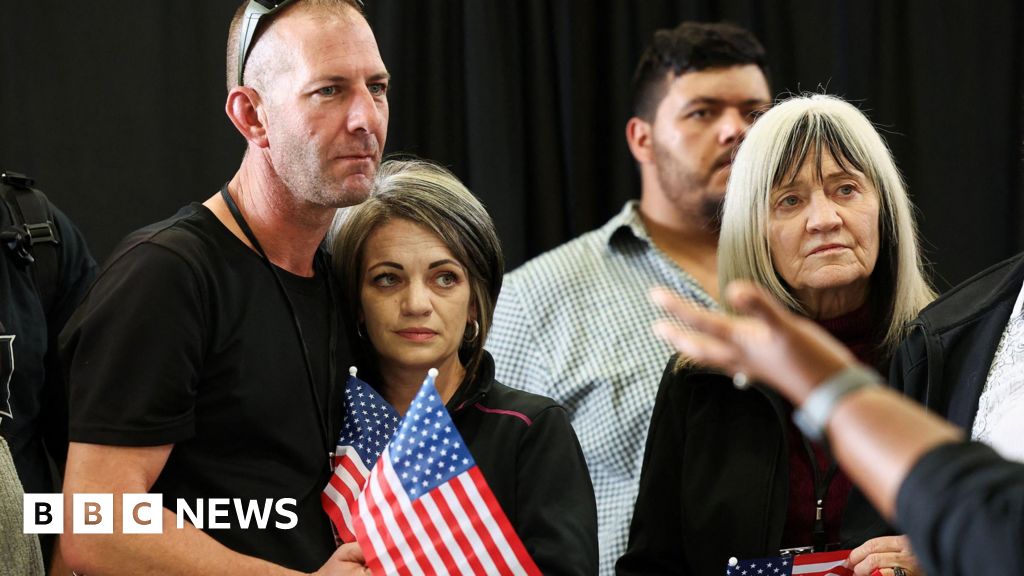

The recent international stance taken by former U.S. President Donald Trump has reignited a fierce debate over the role of Western powers in influencing Africa’s delicate socio-political fabric. During his tenure, Trump has signaled special concern for Afrikaners, a historically white minority group in South Africa, prompting widespread media coverage and diplomatic reactions. His claim that the Afrikaners are suffering persecution echoes a pattern of rhetoric that critics argue oversimplifies complex interethnic relations within the nation, while supporters contend it highlights overlooked grievances. This move signals a shift in the broader geopolitical narrative about Africa, the legacy of apartheid, and the ongoing struggles of minority groups within diverse societies.
South African officials have swiftly rejected Trump’s characterisation, emphasizing that the country has made significant strides toward transformation and equality post-apartheid. The South African government’s stance attributes ongoing social tensions to broader economic disparities, crime, and corruption—challenges that transcend racial lines. Historians and analysts suggest that Trump’s rhetoric risks fueling divisive narratives rooted in racial and cultural identities, potentially destabilizing the fragile social cohesion painstakingly built over decades. The incident underscores how international influence—particularly from Western nations with complex histories of colonialism and intervention—can complicate efforts toward national unity and sovereignty in African countries. The African Union and regional leaders have expressed concern that foreign narratives could undermine sovereignty, emphasizing their commitment to resolving internal issues without external interference.
Analysts argue that how international decisions are shaped will have profound implications for the continent’s future geopolitical landscape. Some experts warn that framing minority groups as persecuted victims might open avenues for external powers to justify meddling under the guise of protecting human rights. Meanwhile, others argue that addressing minority grievances is crucial for fostering inclusive governance. The episode demonstrates the profound geopolitical impact of such rhetoric, where decisions at the highest levels can ripple through economies, diplomatic relations, and societal stability. Institutions like the United Nations and the International Criminal Court are called upon to monitor developments and advocate for balanced approaches that respect both sovereignty and human rights.
As history watches, this episode underscores the enduring complexity of Africa’s post-colonial saga. The decision by a foreign leader to spotlight a minority group, whether out of genuine concern or political calculation, leaves a question hanging in the air: Will these acts of external engagement foster dialogue and understanding, or deepen divisions that could define the next chapter of African history? The weight of this moment is felt not only in the corridors of power but in the hearts of millions seeking stability and justice amid the tumult of a rapidly changing world. In a landscape marked by shifting alliances and unresolved pasts, the story remains unwritten—yet its chapters will undoubtedly shape the future of the continent and the broader international order for generations to come.






