Matox News

Truth Over Trends, always!

Odesa hits hard as Russia steps up attacks—Europe Watch | Ukraine

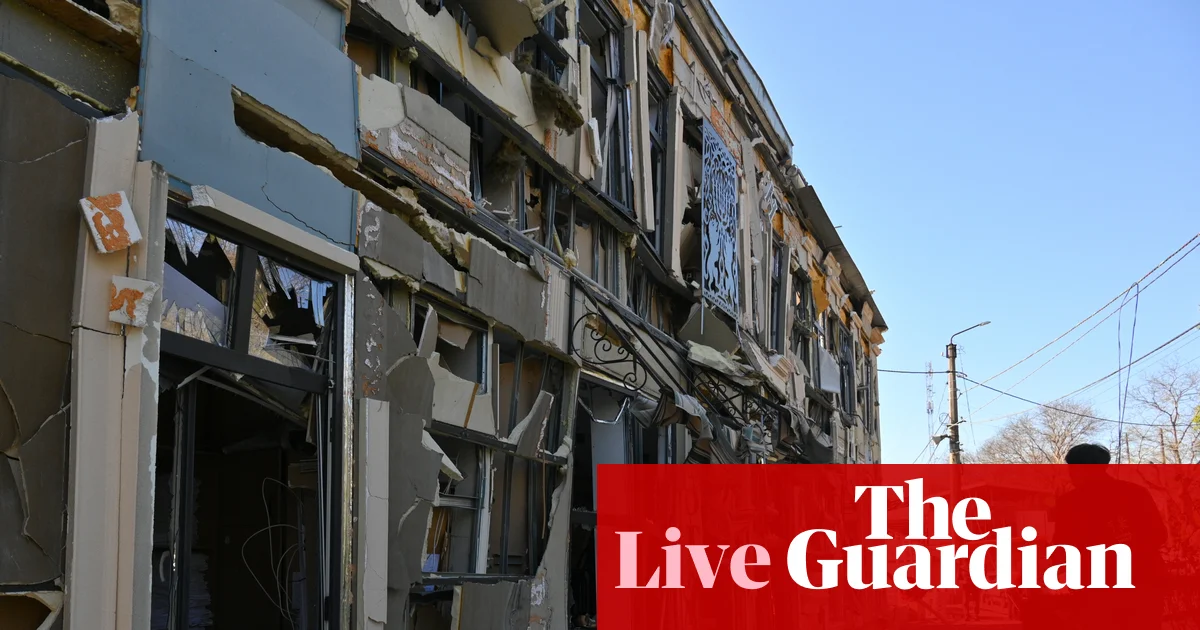
In the latest chapter of the ongoing Ukraine conflict, Russian drone attacks persist amidst international concerns about escalating violence and nuclear safety. Overnight reports indicate that more than 10 civilians were injured in Odessa as Russian forces targeted residential areas, hotels, and key infrastructure. The Ukrainian military leadership described the attacks as “extremely difficult” and pointed to a pattern of increased aggression in the region, notably in the strategic Prymorskyi district. Such relentless assaults highlight the fragile state of Ukrainian sovereignty and the precarious safety of its citizens, even months into Kyiv’s resistance backed by Western support.

Amid this chaos, geopolitical analysts warn that the conflict is reaching a critical juncture. President Zelenskyy marked the 40th anniversary of Chernobyl, accusing Russia of “nuclear terrorism” through frequent drone attacks that risk the safety of Europe’s largest nuclear power plant in Zaporizhzhia. The plant, critical for Europe’s energy security, has experienced its 15th blackout since Russian forces captured it in 2022, with Ukrainian officials warning that each disruption amplifies the risk of nuclear catastrophe. This pattern of sabotage underscores how Russia’s strategic use of drone warfare is more than mere aggression—it’s a calculated attempt to destabilize European infrastructure and foment fear.

In an effort to bolster its defenses, Poland’s recent initiatives have gained international attention. Polish Donald Tusk announced plans to develop a “drone armada” supported by Ukrainian technological expertise, aiming to leapfrog a whole technological epoch and secure the Polish skies from future air assaults. Tusk’s proposal signals how nations are responding to the threat of precision strikes and drone warfare by investing heavily in indigenous rapid response capabilities. Meanwhile, the EU is actively pursuing its own “drone wall,” a sophisticated anti-drone barrier to counteract suspected Russian drone incursions across Europe. Historians note that such defensive measures echo Cold War-era tactics, but with new technology that demands a modern, technological response to warfare that is increasingly space and air-centric.

As the international community confronts these emerging crises, nations like Germany and France are navigating diplomatic and strategic challenges. Germany’s Friedrich Merz is engaging with youth about Europe’s future, while President Ursula von der Leyen faces political awkwardness in Berlin. The decisions made in this geopolitical chess game—how to defend borders, secure energy, and deter aggression—will undoubtedly shape the contours of European security for decades to come. With the specter of nuclear risks, escalating violence, and new technologies, history continues to be written in these turbulent days, reminding us that while peace may seem fragile, the resolve to defend it is stronger than ever.

Zelenskyy names new Odesa leader after mayor’s Russian passport scandal – Europe updates | NATO

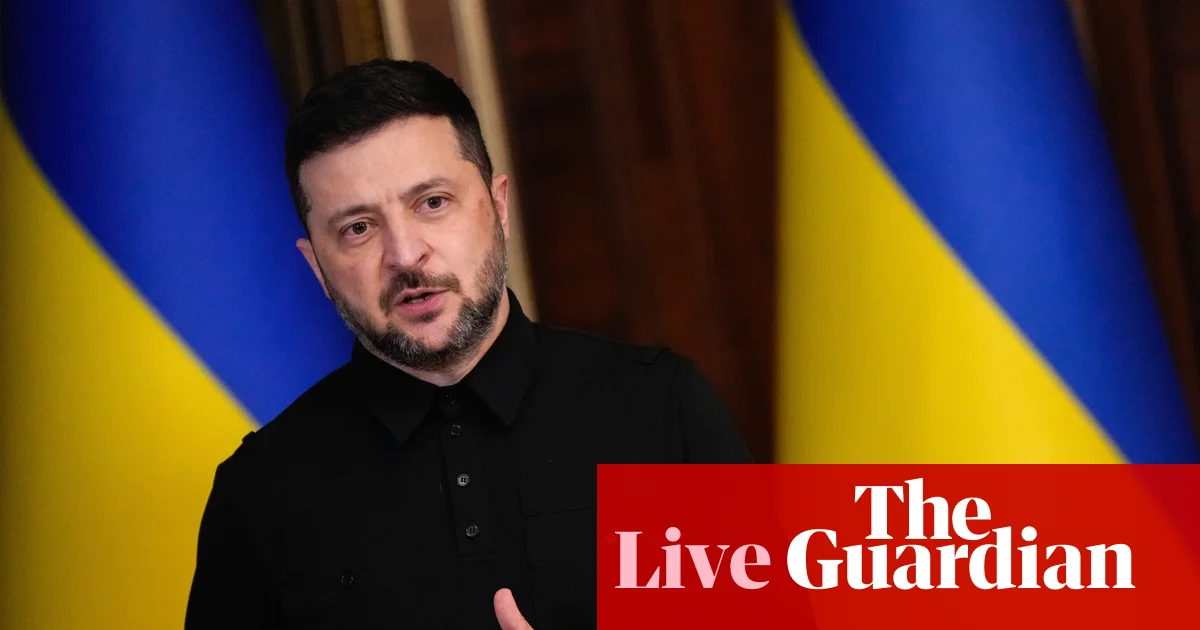
In the heart of Eastern Europe, Ukraine continues to be a focal point of geopolitical tension, with the recent appointment of Sergiy Petrovich Lysak as the new head of Odesa’s city military administration signaling an escalation of the Ukrainian government’s efforts to strengthen its regional security measures. This move follows the Ukrainian president Volodymyr Zelenskyy’s announcement on Tuesday to establish a dedicated military administration in the strategic port city, citing a critical need for increased protection amidst ongoing hostilities. Zelenskyy emphasized, “Odesa deserves greater protection and greater support,” highlighting the nation’s commitment to fortifying its vital Black Sea corridor against persistent threats.

The political upheaval in Odesa is part of a broader, tumultuous battle for sovereignty, as Kyiv revokes the citizenship of local officials suspected of dual loyalties. The dismissal of Hennadiy Trukhanov, who denies holding a Russian passport, underscores Ukraine’s rigid stance against dual citizenship, aiming to eradicate divisive figures potentially compromised by Moscow. This domestic strategy unfolds amid escalating military confrontations on multiple fronts, where Russian forces have claimed control over settlements like Oleksiivka and Novopavlivka, signaling a persistent push to consolidate territory amid mounting international support for Ukraine’s resistance.

All Eyes on NATO and Russia’s Rising Threat

As the Russian invasion enters its second year, NATO’s defense ministers convened in Brussels to address the rising threat of Russian airspace violations and the Kremlin’s ongoing aggression. NATO Secretary General Mark Rutte and other allies discussed intensifying their support for Ukraine, with the US contemplating the deployment of long-range missiles such as the Tomahawk to Kyiv—a move that, if realized, could significantly alter the dynamics of the conflict. US Defense Secretary Pete Hegseth indicated a collective commitment to bolster Ukraine’s defenses, emphasizing that more military aid, including advanced drones and weaponry, is forthcoming. Meanwhile, Russia’s military efforts have persisted, with reports of attacks on Ukrainian energy infrastructure—targets like power plants and gas facilities—aimed at debilitating Ukraine’s war effort and sowing chaos in civilian life.

Notably, Russia’s largest petrochemical complexes in Bashkortostan sustained attacks by Ukrainian drones, yet regional officials assert they continue to operate normally, illustrating the resilience of Moscow’s industrial backbone amidst setbacks. Yet, intelligence from Finland’s defense minister indicates that Russian forces are amassing anew and becoming more reliant on China—a sign that Moscow’s military resource pool might be primarily preoccupied with Ukraine, but still remains a formidable threat to NATO’s eastern flank. The gathering of NATO defense ministers highlighted concerns that Russia’s strategic posture could persist long after Ukraine’s war ends, cementing its role as a persistent destabilizer in the region.

Shifts in International Power and the Waning Kremlin Influence

Meanwhile, in the Middle East, Vladimir Putin’s attempt to project influence through the postponed Russia-Arab World summit backfired spectacularly, with only a handful of leaders attending, underscoring Moscow’s declining influence in the region. Instead, global attention shifted to Egypt, where a Gaza peace summit, attended by Donald Trump and regional leaders, signaled a geopolitical shift away from Moscow’s long-standing regional dominance. Pjotr Sauer of The Guardian notes that this diplomatic retreat reflects the reality: as the war in Ukraine presses on, Russia’s influence in the Middle East diminishes, revealing the limits of Putin’s strategy to assert global leadership.

Furthermore, the European Union is moving to confront its own internal crises, with Brussels set to propose regulations tackling short-term rentals—a social matter that, if unaddressed, could fuel populist discontent and threaten the unity of the bloc. As European nations grapple with economic stagnation, demographic declines, and social tensions, the trajectory of their resolve on international issues remains uncertain. The coming months could define whether Western alliances remain resilient or fragment under the weight of economic and geopolitical pressures.

In this unfolding chapter of history, decisions made in the corridors of power—whether in Kyiv, Brussels, or Moscow—will resonate well beyond their borders. As Ukraine’s struggle persists and NATO faces its future, the shadow of Russia’s resurgence lingers, hinting at a protracted contest that will test the resolve of Western unity, the resilience of Ukrainian sovereignty, and the shifting sands of global influence—a story that is still being written, as the world watches with bated breath, the weight of history pressing down on an uncertain horizon.

Social Media Auto Publish Powered By : XYZScripts.com


