Matox News

Truth Over Trends, always!

City schools now offer toilet-training guides—when will basic discipline matter more?

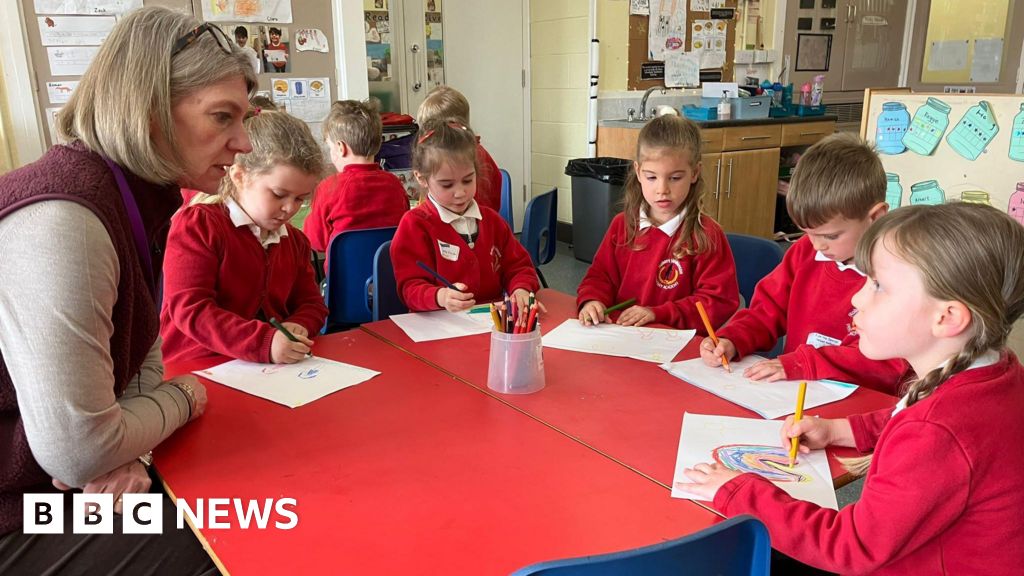
Teachers Raise Alarm Over Decline in Early Childhood Skills, Signaling Broader Societal Challenges

In recent years, educators have observed a concerning trend: an increasing number of children entering formal schooling lacking fundamental skills such as basic communication, social interaction, and even toilet training. This shift is not merely a matter of individual developmental variation but points toward larger issues affecting families, community support systems, and early childhood education. As teachers report these challenges, it becomes clear that societal pressures, economic stressors, and changing cultural norms are contributing to a new generation of children unprepared to engage fully in classroom learning and social integration.

Educational experts and social commentators emphasize that early childhood development is a critical foundation for lifelong success. According to Dr. Laura Sanchez, a developmental psychologist, the inability of children to communicate effectively or demonstrate independence at the start of school reflects gaps in early childhood environments and home support structures. These deficiencies often stem from family circumstances such as economic hardship, limited parental engagement, and societal shifts away from traditional child-rearing practices. When children are not equipped with essential skills, their families — and subsequently their schools and communities — bear the burden of addressing these deficits, which can hinder social cohesion and academic achievement.

This emerging crisis extends beyond individual challenges, revealing a societal shift where cultural priorities, economic realities, and technological distractions have transformed parenting and early childhood experiences. Sociologists caution that the erosion of community-based support networks and the decline of skilled parental involvement reduce opportunities for children to develop vital social skills. The consequences threaten to deepen the societal divides, impacting the fabric of local communities and threatening the cohesion necessary for a resilient, thriving society. To combat these issues, some advocate for renewed investment in early childhood education programs and family support services that emphasize skill development from a young age.

At the heart of this discussion are pressing questions about the role of society in shaping future generations. Dr. Samuel Roberts, a historian specializing in social change, warns that neglecting early childhood development today may lead to increased social dysfunction tomorrow, including higher rates of juvenile delinquency, mental health issues, and economic disparity. The societal imperative is clear: repairing broken support systems, fostering strong family units, and reinforcing community engagement are vital steps toward reversing this troubling trend. As society stands at this crossroads, it is hoped that with collective effort and renewed commitment to foundational values, future generations can still be shaped into resilient, communicative, and capable individuals—an enduring symbol of society’s capacity to adapt and heal.

In contemplating the profound implications of this developmental crisis, societies are reminded of the fragile yet resilient nature of their social fabric. For every child reluctant to speak or depend on others, there lies an opportunity—an unspoken promise—that through concerted effort, every community can forge a path toward nourishing the roots of future generations. Society’s challenge is to recognize the urgency, rally around our youngest, and nurture the potential that is still within reach, for in their innocence and promise resides the hope of tomorrow.

Australia updates: Hybrid car sales surge as youth shift from petrol; Iranian footballer departs despite asylum offer

In a compelling turn of events, Australia finds itself at the crossroads of shifting geopolitical and societal dynamics, as recent reports reveal a significant increase in the adoption of hybrid and electric vehicles, paralleled by the controversial departure of Iranian women’s football squad members seeking asylum. The latest data from the Australian Automative Association (AAA) underscores a transformative moment in the nation’s motor industry, with hybrid vehicles reaching record sales—a clear testament to the global push towards greener mobility. In the final quarter of 2025, hybrids accounted for 19.13% of all new light vehicle sales, outperforming traditional petrol cars which now constitute a mere 66.3% of the market, down from over 70%. Such figures are emblematic of Australia’s broader aim to lead in environmental transition while grappling with its geopolitical obligations, especially amidst surging fuel prices attributable to regional tensions in the Middle East.

Parallel to this shift, the geopolitical impact becomes starkly evident in the recent decision by several Iranian women’s football team members to leave Australia after being granted asylum—an act illustrating the nation’s delicate positioning on human rights, international diplomacy, and domestic security. The Australian government, led by Catherine King, publicly expressed that these women faced “enormous pressures” both from their homeland and global circumstances, which compelled them to make “incredibly hard” decisions. historians and analysts suggest this episode reflects shifting international expectations around asylum policies and human rights, especially as nations face increased scrutiny over their response to politically sensitive issues. The dilemma underscores how decisions by athletes—once confined to sporting arenas—now serve as microcosms of a larger geopolitical narrative, wherein societal values and foreign policy intersect with the personal stories of those seeking refuge.

Amid these tensions, Australia prides itself on strategic preparations to mitigate global turmoil. Minister Catherine King reassures that the country is well-positioned to withstand potential disruptions in energy markets, with reserves totaling 37 days of petrol, 30 days of diesel, and nearly 29 days of jet fuel. Such measures are a response to recent global fears triggered by unrest in the Middle East, which temporarily inflated fuel prices and prompted the government to release nearly 20% of its fuel stockpile. This strategic reserve is designed to balance the nation’s energy security against an increasingly volatile international environment, a move that demonstrates the nation’s resolve to safeguard its economy and social stability at a time of international flux. As analysts highlight, these preparatory actions reveal how a society’s resilience hinges on prudent international engagement and internal policy strengths—factors that could determine whether Australia continues its trajectory of stability or succumbs to the chaos brewing elsewhere.

In the grand tapestry of current events, the unfolding story of Australia’s energy transition and human rights stance may well be the prologue to future history—a chapter penned by decisions that will resonate across generations. As the world watches, these developments embody a broader truth: the balance of power and morality in a rapidly shifting geopolitical landscape hinges on the decisions of those in government and society, enduring challenges that threaten to redefine global order. The weight of history presses upon this moment, and the outcome remains unwritten, a testament to the perpetual struggle of nations striving to secure their future amid uncertainty.

Vegetarian Diets Offer Youth a Stronger Defense Against Cancer Risks

The Growing Conversation on Diet and Its Societal Impact

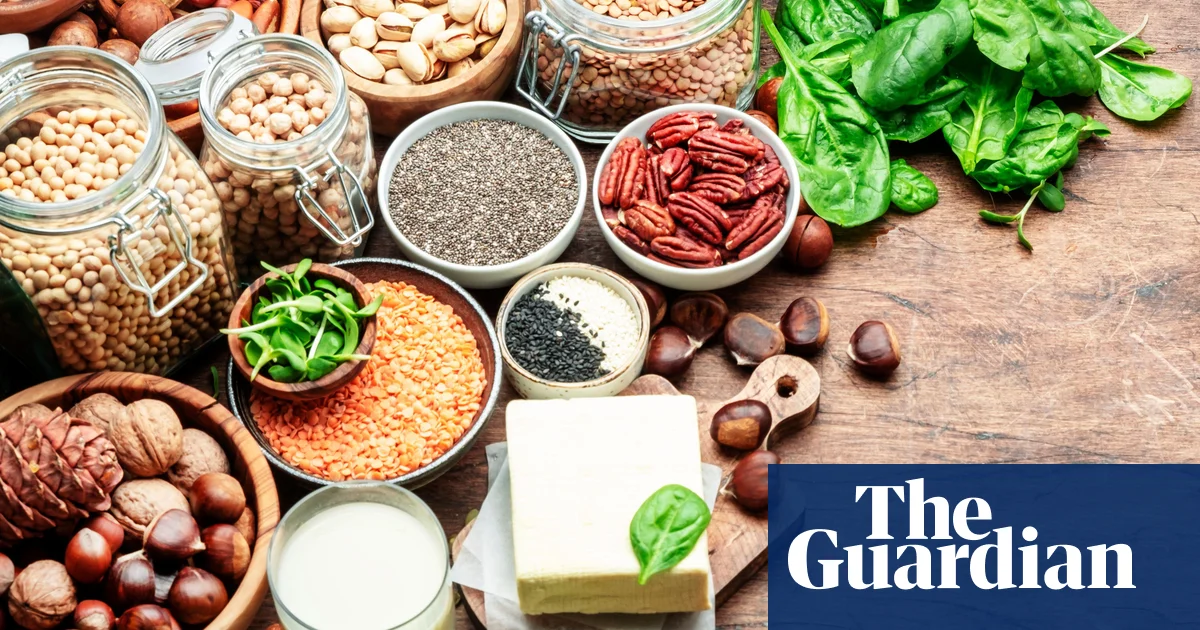
Recent landmark research has revealed that dietary choices significantly influence the health of individuals and, consequently, the well-being of entire communities. The study, encompassing over 1.8 million people across various nations, underscores a complex relationship between lifestyle, societal structure, and public health outcomes. Specifically, vegetarians exhibit a notably lower risk of five common cancers, such as pancreatic, prostate, breast, kidney, and multiple myeloma, which collectively account for a substantial portion of cancer mortality. The implications of these findings extend beyond individual health, touching on the fabric of families and the future of societal healthcare systems. As Dr. Aurora Pérez-Cornago from the University of Oxford highlights, “This study is really good news for those who follow a vegetarian diet because they have a lower risk of five cancer types, some of which are very prevalent in the population.”

However, the research also sheds light on critical social tensions and nutritional gaps within specific communities. Vegetarians and vegans face increased exposure to certain risks, such as a nearly doubled likelihood of developing the most prevalent type of esophageal cancer, known as squamous cell carcinoma. This finding raises questions about how dietary restrictions and choices can inadvertently create vulnerabilities within vulnerable populations. Furthermore, vegans, despite their health benefits, show a 40% higher risk of bowel cancer, often attributed to lower calcium and nutrient intake. These findings reveal an urgent need for comprehensive nutritional education and accessible food options to prevent further health disparities in our society. As sociologists like Dr. Samuel Green argue, “Diet is not just a personal choice; it’s a social determinant that influences community health and social equity.”

Families and Education: Bridging the Nutritional Divide

Social issues surrounding diet have profound effects on families and educational institutions. In many communities, access to balanced nutrition is hindered by economic disparities, cultural norms, and misinformation. Schools often serve as battlegrounds for these debates, striving to provide meals that are both nutritious and culturally sensitive but facing challenges due to budget constraints and conflicting dietary trends. The study’s results emphasize the importance of fostering an environment where youth can learn about sustainable, nutrient-rich diets that minimize health risks. Educators and community leaders must work together to promote dietary literacy, ensuring that children and their families can make informed choices that safeguard their health without falling victim to industry-driven misinformation or affordability issues.

The societal challenge lies in addressing these disparities while respecting individual cultural identities. As historian Dr. Abigail Rivera notes, “Our collective future depends on creating inclusive, supportive frameworks that empower families to nurture healthier lifestyles. This involves reforming educational curricula and community programs to prioritize nutritional equity and cultural sensitivity.” The goal is to bridge the gap between knowledge and access, transforming societal attitudes towards diet in a way that strengthens community resilience and fosters long-term health outcomes.

Reflections on Society’s Challenges and the Path Forward

Within the broader context of social transformation, this research prompts a moral reflection on how society values health, nutrition, and collective well-being. As sociologists and social commentators deliberate on these findings, a common theme emerges: the necessity of reimagining our social infrastructure to better support informed, healthier choices. While the study highlights the protective effects of plant-based diets against many cancers, it also signals the importance of ensuring these diets are nutritionally complete. This entails charting a balanced approach that considers how societal trends—such as the rise of ultra-processed foods and vegan products—impact community health. Such efforts must be rooted in education, accessible nutrition, and community engagement, forging pathways toward a society where health equity is not an aspiration but a living reality.

As society stands at this crossroads, the challenge is to transform knowledge into action—supporting families, empowering youth, and reconstructing social systems that nurture well-being. The future calls for resilience, compassion, and informed leadership. In this ongoing story of societal evolution, the hope remains that through collective effort, we can construct communities where health is a shared promise and a foundation for a better tomorrow. Amid the societal upheaval, the enduring human spirit seeks to turn awareness into positive change, forging a society where every individual can thrive in harmony with their community and environment.

Social Media Auto Publish Powered By : XYZScripts.com