
Matox News

Truth Over Trends, always!

T-Mobile’s Offering the iPhone 17 for Free — Here’s How Young Tech Fans Can Qualify

The Latest in Tech & Trends: How Smartphone Deals Are Shaping Society’s Future

In an era where technology obsession dictates lifestyle norms, the recent surge of aggressive marketing tactics by mobile carriers such as T-Mobile signals more than just an opportunity for consumers to upgrade their gadgets. It highlights a broader shift in socio-economic behavior—the consumer’s increasing desire for state-of-the-art devices without hefty price tags. The recent deal frenzy around the Apple iPhone 17 exemplifies this shift, as carriers now facilitate a paradigm where owning cutting-edge tech is less about affordability and more about strategic consumer engagement.

This new wave of promotional campaigns isn’t just about hardware; it’s about embedding brand loyalty into the society’s fabric. Influencers and sociologists note that such offers, like free iPhone 17s from T-Mobile, serve as more than marketing gimmicks — they’re social signals. These deals, which often come with trade-in requirements and special plans, are crafted to appeal to young audiences eager to demonstrate their status and technological savvy. By democratizing access through seemingly impossible deals, brands are not just selling phones—they’re reshaping what it means to be connected in today’s society.

The Cultural Surge of Upgrade Mentality

The cultural impact of this trend is profound. As content creators and digital natives chase the latest devices, a ripple effect spreads through social circles, influencing perceptions of success and innovation. In many ways, owning the newest iPhone is becoming a badge of social relevance, echoing the sentiments of tech-focused analysts like Michael Solomon, who argue that consumer gadgets now act as symbols of a society that values constant progress. The drive to upgrade is no longer purely functional; it’s deeply entrenched in social identity and cultural capital.

How Influencers and Media Are Accelerating the Trend

This acceleration is fueled further by influencers in the tech community who eagerly showcase these deals, often unboxing new devices on social media. As Stan Schroeder from Mashable points out, the iPhone 17 showcases AI capabilities previously reserved for flagship models, making it highly desirable among young consumers. The messaging is clear: in today’s society, technology is a crucial component of self-expression. The goalposts have shifted to where owning the latest tech isn’t just about utility but about staying relevant in a fast-paced digital culture.

The Future: What Comes Next?

Yet, as we enjoy this wave of technological democratization, a compelling question remains: Will this relentless pursuit of the newest devices foster a society that values sustainability, or are we paving the way for an endless cycle of consumption? With the convenience of deals making top-tier devices accessible, experts warn of a possible increase in electronic waste and consumer fatigue. The next big question isn’t just about how affordable these gadgets will be, but about whether society is ready to rethink the value system attached to our gadgets and the societal message they send. Ultimately, the future of this trend hinges on whether value can shift from ownership to sustainability, or whether we continue emphasizing the next big upgrade as the ultimate social badge.
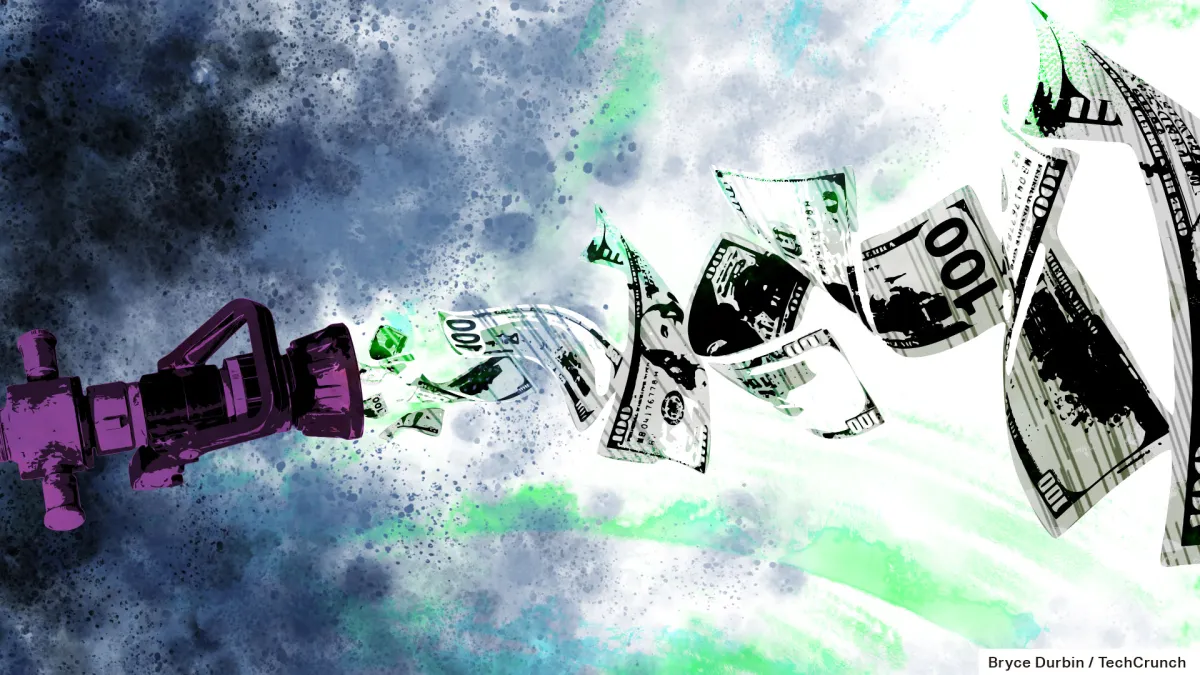
Why AI Startups Are Offering the Same Equity for Different Prices—What You Need to Know

Innovative Valuation Strategies Shake Up AI Funding Landscape

Amidst fierce competition in the artificial intelligence startup ecosystem, a growing trend is reshaping how early-stage companies secure funding and project their market dominance. Leading venture capital firms are increasingly employing novel valuation mechanisms that consolidate multiple funding rounds into a single, audacious raise, often at inflated “headline” prices. The recent Series A funding round for Aaru, a synthetic-customer research startup, exemplifies this shift. Led by Redpoint Ventures, the round saw significant capital injected at a $450 million valuation, but subsequent investor participation and multiple valuation tiers inflated the perceived market value to an eye-popping $1 billion. This multi-tiered approach effectively creates an illusion of market leadership, even though the actual average investment price remains below the headline figure.

This disruptive financing tactic—characterized by investors paying a premium to secure a stake amidst oversubscribed rounds—reflects a strategic move by startups to generate market hype and attract top talent, clients, and future investment. In a landscape where perception often drives valuation, these “headline” numbers function like brands, signaling strength and competitive edge. According to industry analysts, such as those cited by TechCrunch, this practice is primarily aimed at deterring competitors and positioning startups as the dominant players early on. However, experts like Jack Selby warn that these artificially inflated valuations come with significant risks. If subsequent funding rounds do not justify the initial hype, companies may face a harsh down round, diluting ownership and undermining stakeholder confidence—a hard lesson from the 2022 market reset.

The implications for the broader business environment are profound. These emerging valuation strategies are not merely about securing capital—they’re about crafting narratives of market supremacy that can influence stakeholder decisions across hiring, partnerships, and customer acquisition. Startups like Serval, an AI-powered IT support company, have also adopted these tactics, navigating oversubscribed rounds by offering preferential pricing to marquee investors like Sequoia Capital. While such moves may provide short-term advantages, the sustainability of inflated valuations is questionable, particularly in the face of potential market corrections and investor skepticism.

Looking forward, industry executives, investors, and innovators must grapple with the rapid pace of change and the risks posed by these novel valuation techniques. As Elon Musk and Peter Thiel have frequently warned, chasing excessive valuations without solid fundamentals can lead to catastrophic busts. The tech sector’s future hinges on whether startups can balance innovative disruption with disciplined growth strategies. In a highly competitive environment, companies that fail to maintain credible valuations risk losing stakeholder trust and facing the consequences of a sharp market correction. As the global economy and technology landscape accelerate towards greater integration, the urgency for strategic clarity and genuine innovation has never been greater. The next wave of technological disruption will favor those who can leverage authentic value over flashy hype—marking a pivotal moment for the industry’s next chapter.

Social Media Auto Publish Powered By : XYZScripts.com



