
Matox News

Truth Over Trends, always!

New Hope: Drug Repurposing Offers Longer Survival in Tough Ovarian Cancer Fight

Advances in Ovarian Cancer Treatment: Signaling Hope or a Reflection of Systemic Gaps?

The recent breakthroughs in the treatment of platinum-resistant ovarian cancer highlight a complex intersection of medical innovation, societal challenges, and the resilience of families and communities grappling with devastating diagnoses. A clinical trial published in The Lancet showcased that use of an existing drug, relacorilant—initially intended for Cushing’s syndrome—could extend life expectancy for patients with this aggressive cancer by an estimated four months. These are not just numbers; they are families clinging to hope, often living in the shadows of a healthcare system that struggles to keep pace with such devastating diseases.

Meanwhile, another promising development involves the immunotherapy drug pembrolizumab, which, when combined with standard care, offers a survival advantage—adding another 3.3 months on average for patients. Such innovations represent the fighting spirit of medical research, but also cast a harsh spotlight on the inequalities facing our healthcare system. Although these drugs have gained approval in the United States, they remain in Phase 3 trials and await approval in the UK. For many families, this delay translates into a race against time, highlighting societal issues that extend beyond the clinics—such as access to advanced treatment options and the socioeconomic disparities that influence who benefits from new therapies.

The societal toll of ovarian cancer and the moral imperative for change

  • Ovarian cancer is the sixth most common cancer among women in the UK, with roughly 7,600 new cases annually, resulting in approximately 3,900 deaths each year.
  • Despite our advancements in medicine, the disease’s impact on families and communities remains profound, often leaving loved ones devastated both emotionally and financially.
  • Current treatment disparities highlight the urgent need for equitable healthcare policies that ensure early detection, broader access to new therapies, and comprehensive support systems for patients and their families.

According to social commentators and historians, such as Dr. Peter Conrad, the societal burden of cancer extends beyond individual suffering; it manifests in strained family structures, impaired educational progress for affected youth, and weakened community cohesion. These social tensions are exacerbated by cultural shifts that sometimes stigmatize illness, leaving many feeling isolated and underserved. The moral challenge rests on society’s ability to prioritize health equity, recognizing that the true measure of a nation’s progress lies in how it cares for its most vulnerable.

Hope amidst challenges: a society on the cusp of transformation

The potential of drugs like relacorilant and pembrolizumab signals a new chapter—one where hope is no longer a distant dream but inching closer to reality. Yet, these advancements beckon a broader reflection: how do social issues shape the future of healthcare and community resilience? The ongoing fight against ovarian cancer serves as a mirror, revealing the gaps that still exist and inspiring a collective moral resolve. As families face the harsh realities of diagnosis and prognosis, society must rally to bridge the gaps—through policy, education, and community support—so that no one is left alone in this relentless battle. In this era of scientific promise, perhaps the greatest victory will be reaffirming our shared commitment to ensuring that every person, regardless of background, has the chance not just to survive—but to thrive.
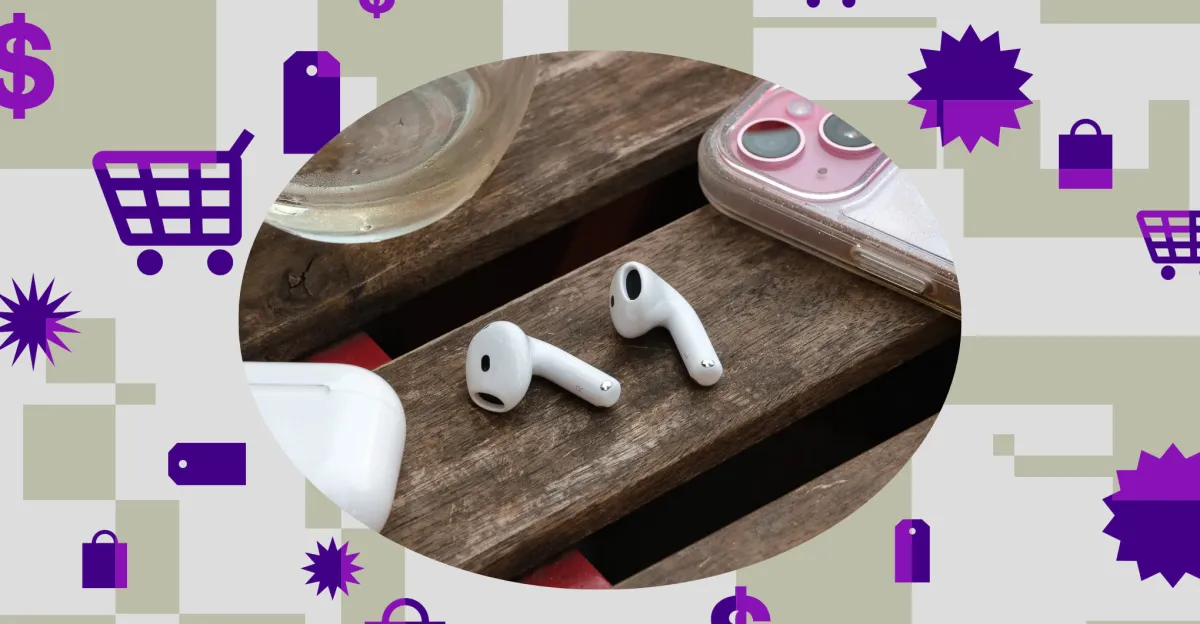
Top Deals Alert: AirPods 4 and Google’s 4K Streamer Lead the Week’s Hottest Tech Offers

Disruptive Innovation in Consumer Tech: A Look at the Latest Market Shifts

The rapidly evolving landscape of consumer electronics continues to be driven by constant innovation and strategic disruption. Industry giants like Apple and Google are pushing the boundaries of what technology can achieve, particularly in the realm of personal audio and smart home devices. The recent rollout of AirPods 4 with Active Noise Cancellation exemplifies this momentum, offering consumers compelling features that rival even the most premium models. At just $119 on sale—near historic lows—these earbuds are not just a product but a strategic move by Apple to dominate the mid-tier market and retain user lock-in within its ecosystem. The integration of features such as head-tracking spatial audio, automatic device switching, and live translation underscores Apple’s focus on ecosystem lock-in and user experience, which analysts from Gartner suggest will be the blueprint for future device development.

Meanwhile, Google’s Chromecast successor boldly advances the smart home and entertainment markets, supporting Dolby Vision and Dolby Atmos—features historically reserved for high-end setups. With a built-in Find My function for locating misplaced remotes and compatibility with Matter and Thread protocols, Google’s device signals a shift toward hub-centric smart home ecosystems. However, its reliance on Wi-Fi 5 highlights industry caution: technological lag could hinder fully seamless future integrations, especially as Wi-Fi 6 and 6E become standards. This strategic move hints at a broader industry pivot where disruption is not merely about adding features but about establishing ecosystems that control user behavior and data, echoing concerns raised by industry veterans like Elon Musk and Peter Thiel about technological stagnation and market dominance.

Amidst these technological leaps, content remains king. The return of popular series like Drops of God and Shrinking, along with the imminent premiere of Ted Lasso‘s latest season, illustrates how content curation and exclusive streaming services continue to influence consumer engagement and spending habits. As streaming platforms acquire exclusive content rights, industry analysts warn of evolving subscription fatigue—a scenario where consumers are overwhelmed by competing paywalls, potentially affecting the profitability and innovation strategies of media giants. This industry dynamic could lead to further consolidation or innovation in monetization models, which could complement or compete with the hardware ecosystem strategies by companies like Apple and Google.

Looking Forward: Innovation or Stagnation?

As these developments unfold, the industry stands at a pivotal crossroads. With disruption accelerating in both hardware and software, the firms that can innovate rapidly and embed themselves into daily life will command the future market. The integration of advanced features such as spatial audio, smart home hubs, and embedded AI translation marks a new phase of hyper-connected consumer environments. However, industry insiders warn that lagging behind on technological standards, like Wi-Fi 6, could impede full ecosystem potential. The challenge remains for manufacturers to balance innovation with rapid deployment, a factor that could shape market leaders for decades to come.

Indeed, the future belongs to those who not only innovate but also disrupt established paradigms. As critics and industry figures emphasize, “Tech advancement is a race, and the speed of adoption often determines market dominance”. For consumers and investors alike, staying ahead of this curve will require vigilant attention to evolving standards and strategic moves by tech giants. Disruption is relentless; the choice is clear: innovate boldly or risk being left behind in the wake of the next industry wave.

Social Media Auto Publish Powered By : XYZScripts.com



