
International Power Play and the Political Aftermath of Mandelson’s US Payoff
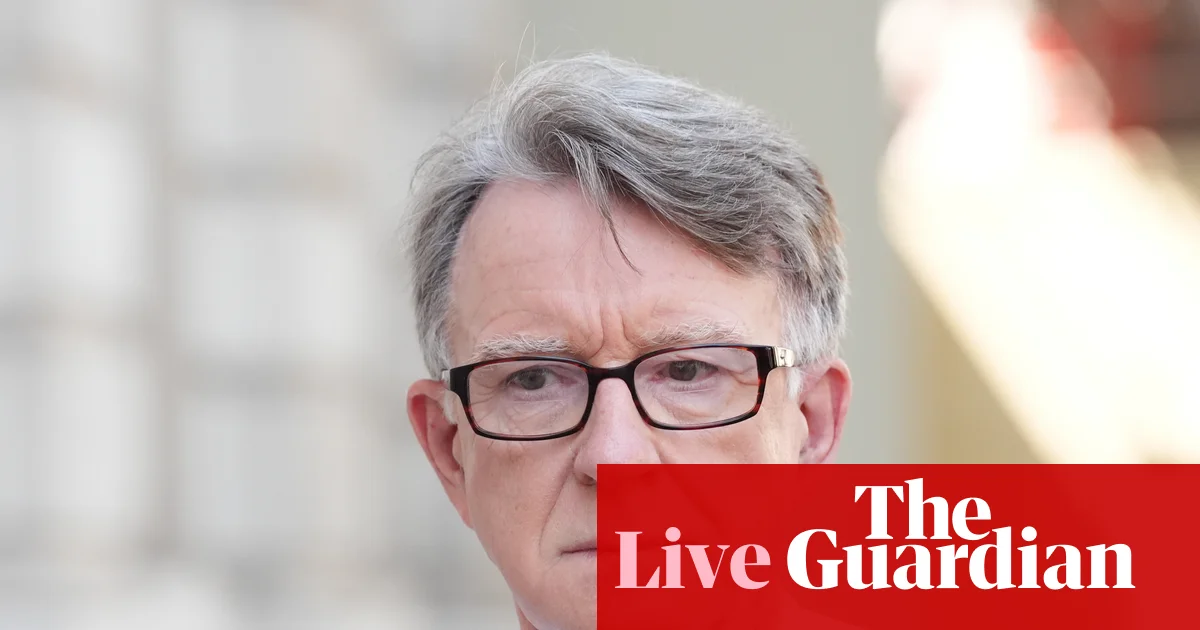
In a move that underscores how geopolitical decisions are increasingly intertwined with domestic controversies, the case of Peter Mandelson has taken center stage in British political discourse. Once a leading figure in UK politics, Mandelson’s recent fallout over a taxpayer-funded payoff—reportedly up to £55,000—after being sacked as ambassador to the United States has sent shockwaves through Westminster. The controversy hinges on his association with Jeffrey Epstein, the late accused child sex offender, raising serious questions about judgment and integrity within the ruling circles. This incident is not just a domestic scandal but a test case for how international relations and internal political stability are now dangerously linked in an era of shifting global alliances and transparency demands.
While the Foreign Office claims proper procedures were followed in Mandelson’s termination, the revelation of his sizeable payoff—whose details are still to be fully disclosed—poses a critical question of cost and morality for government transparency. Analysts warn that such payouts, especially in high-profile diplomatic posts, can undermine public trust and usher in a wave of political instability. The incident also casts a shadow over Keir Starmer’s leadership, as he struggles to navigate a political landscape riddled with ongoing scandals. The international community watches with keen interest, knowing that in the ripples of this controversy lie repercussions for alliances, trade negotiations, and diplomatic reputation.
Prominent voices—including Pat McFadden, the Work and Pensions Secretary,—have called for Mandelson to return or donate the payoff to charity, emphasizing the moral duty in these turbulent times. European and transatlantic analysts suggest that this domestic scandal comes at a concomitant moment of geopolitical realignment. With Rising Powers like China and Russia recalibrating influence, Western nations are under increasing pressure to demonstrate strength and integrity. The question remains: Will such incidents weaken Western diplomacy or serve as a catalyst for tougher scrutiny of government officials’ conduct in the age of international transparency?
Historians like Sir John Bew and geopolitical analysts argue that how Western democracies handle scandals of this nature will define their global standing for decades to come. The ongoing review by the Foreign Office, which aims to reassess Mandelson’s pay and conduct, signals an understanding that the failure to uphold standards can embolden competitors. In a world where public opinion is increasingly shaped by scandals and transparency, the weight of history presses down on leaders who must decide whether to embrace accountability or risk history’s verdict of corruption and ethical failure. As the case unfolds, the question remains: Will this be a moment of reflection and reform or a harbinger of more unrest as international affairs grow ever more complex and unforgiving?